
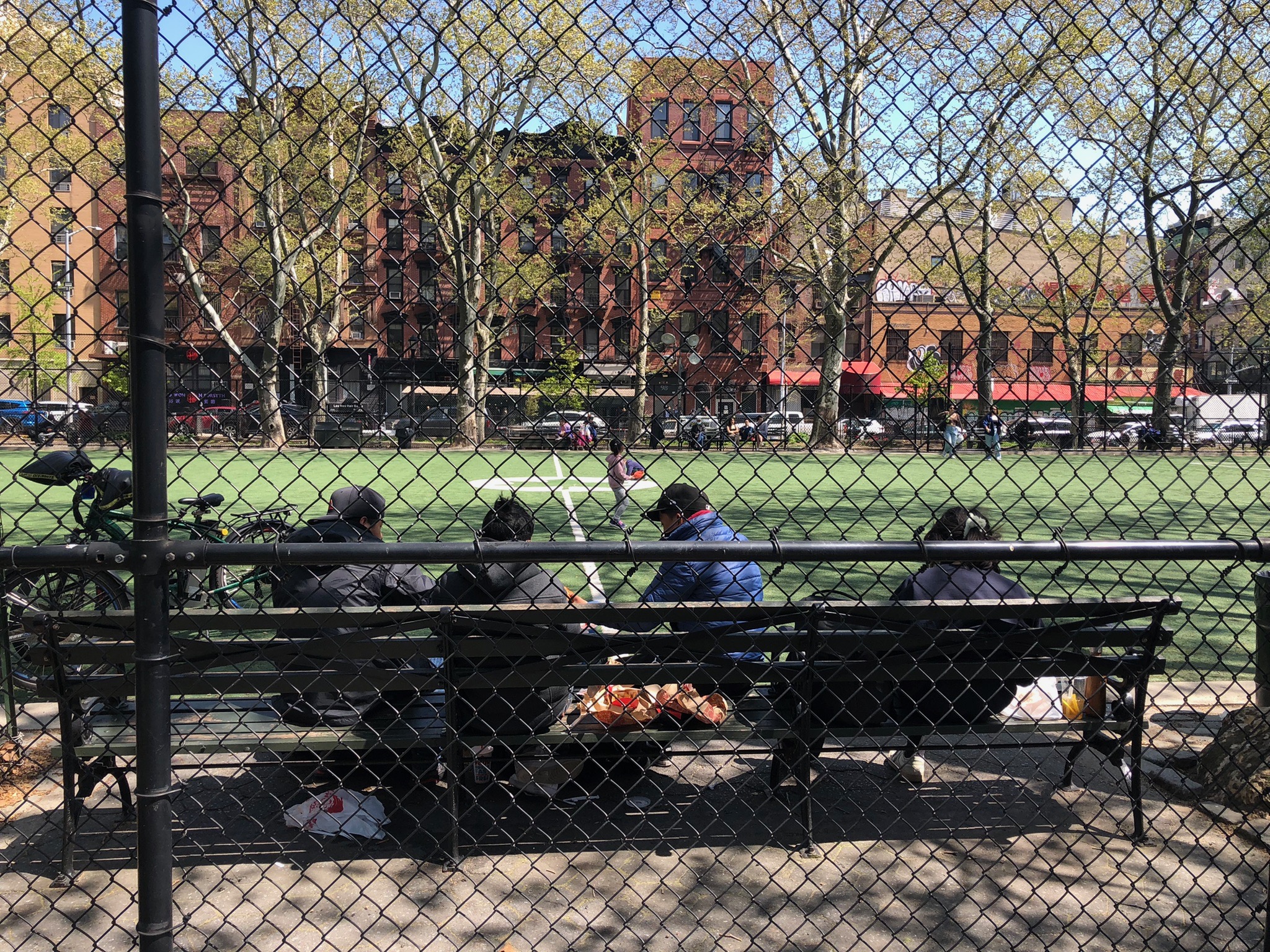
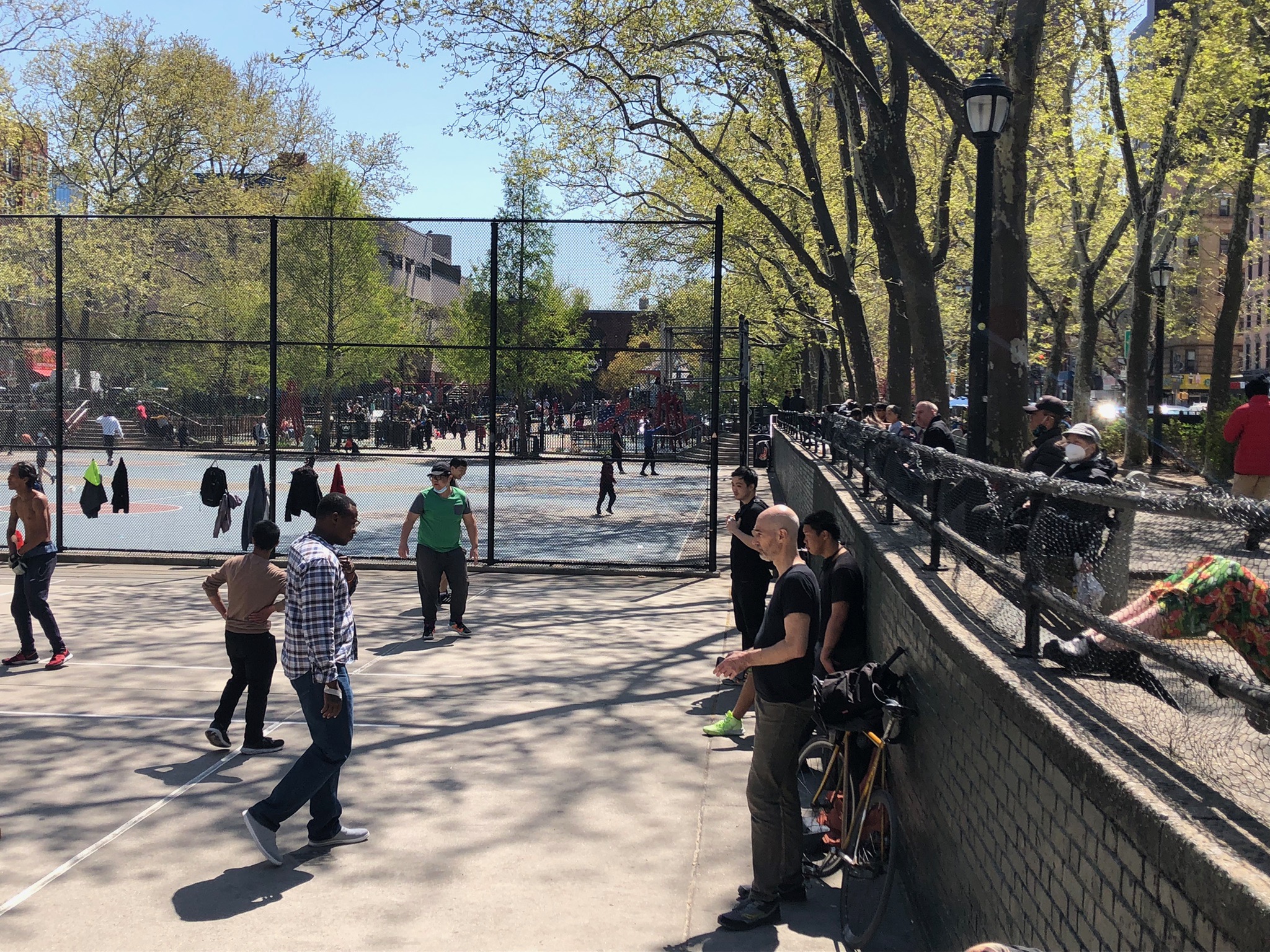
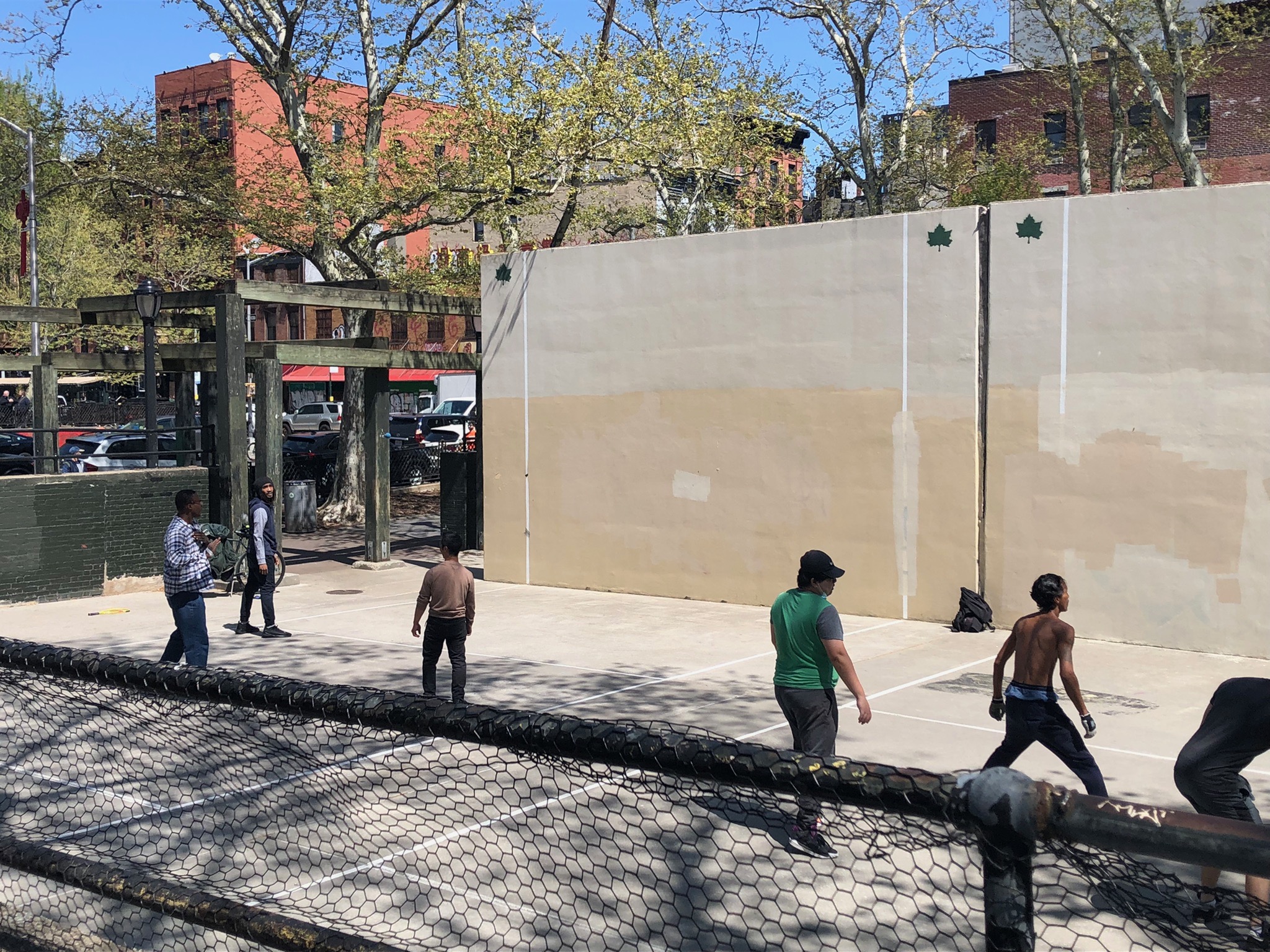

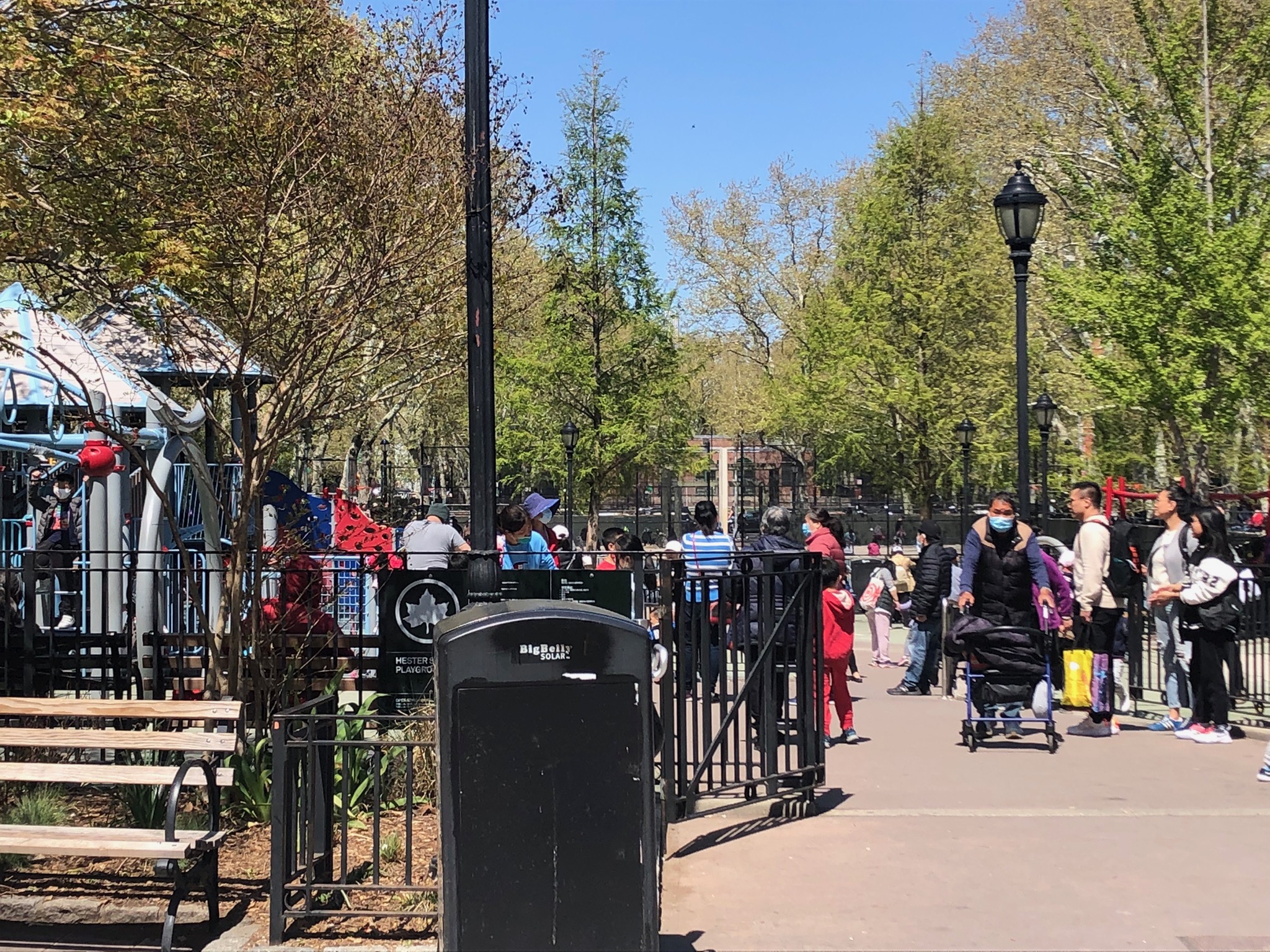

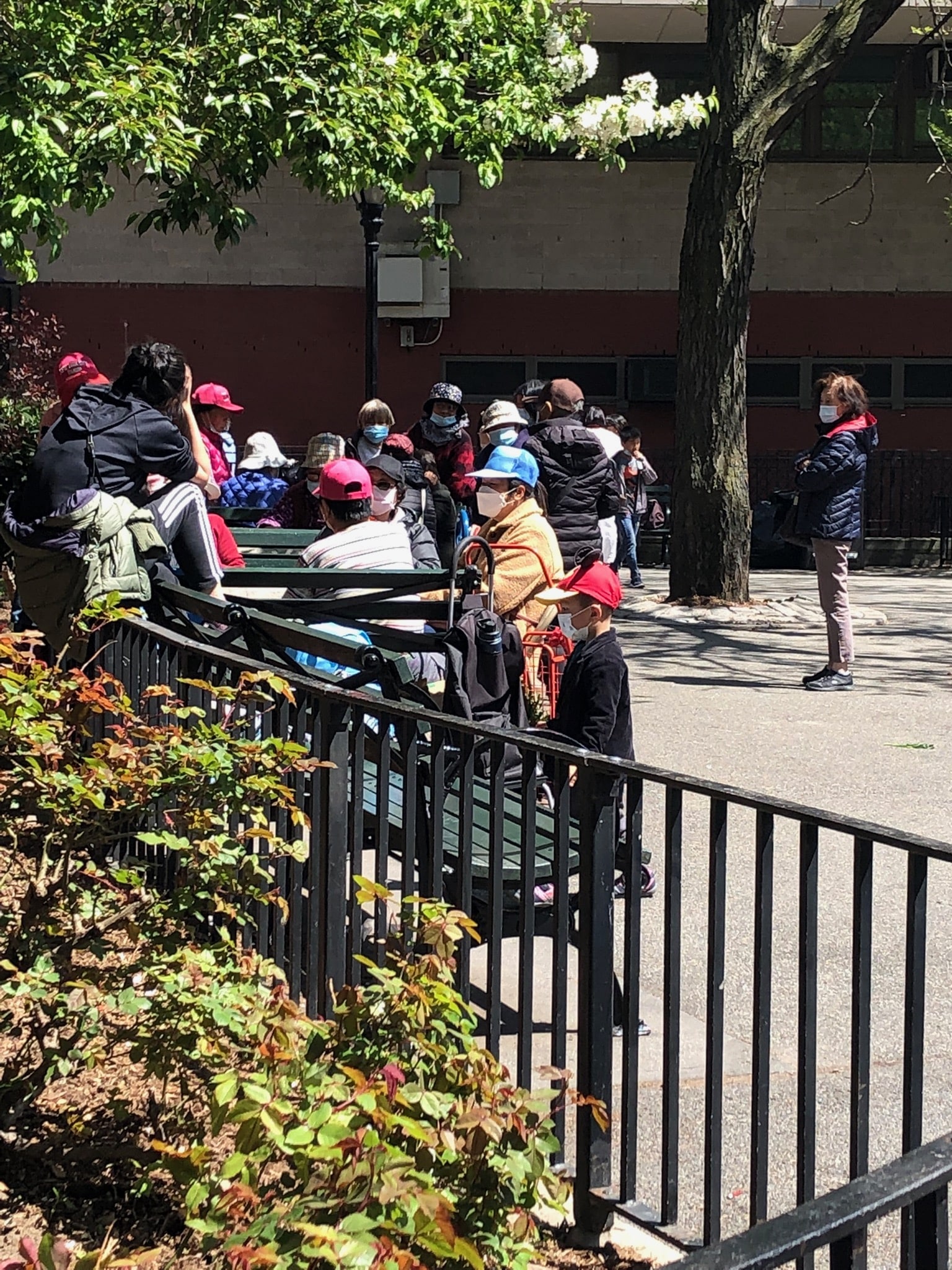
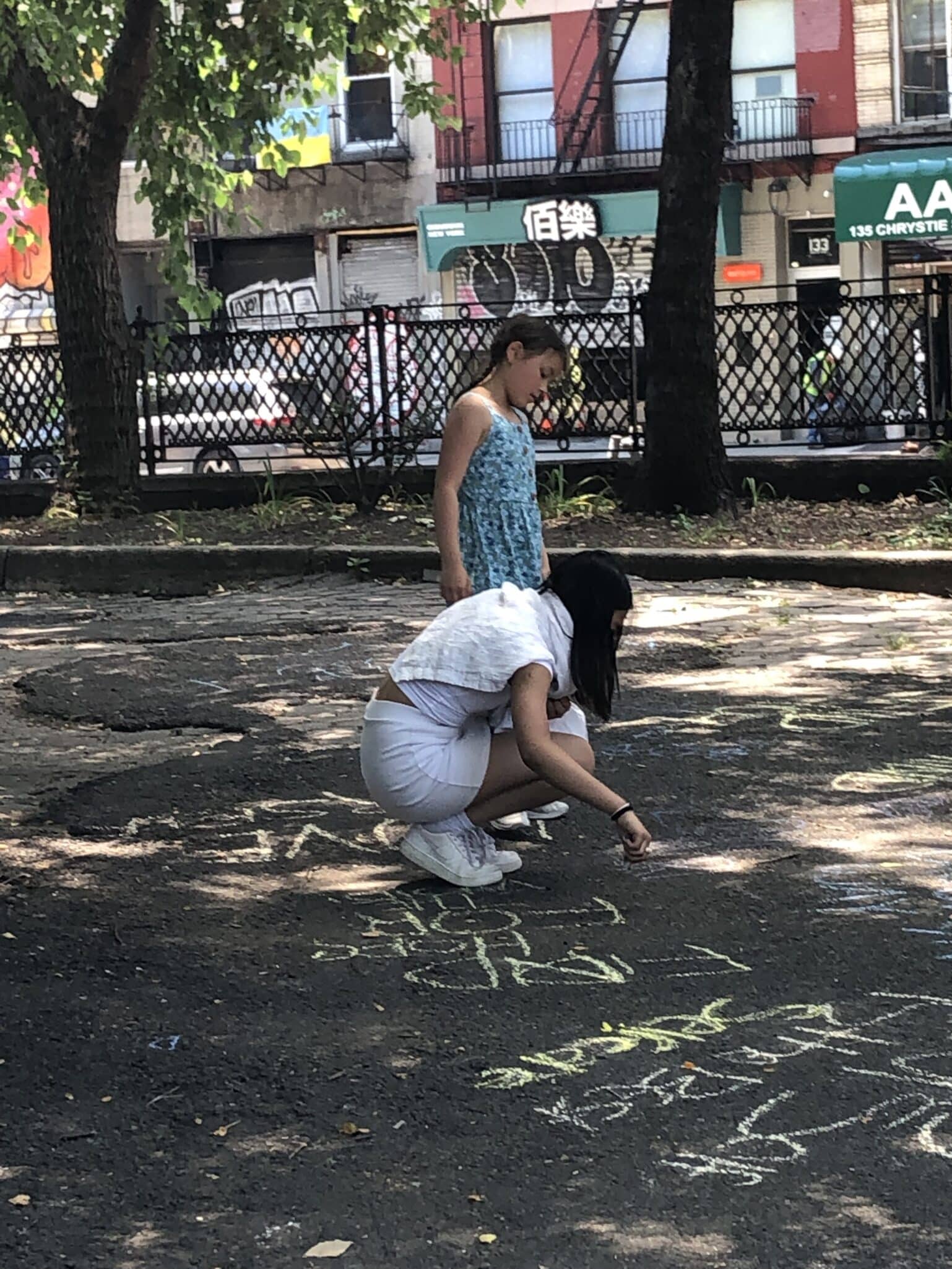
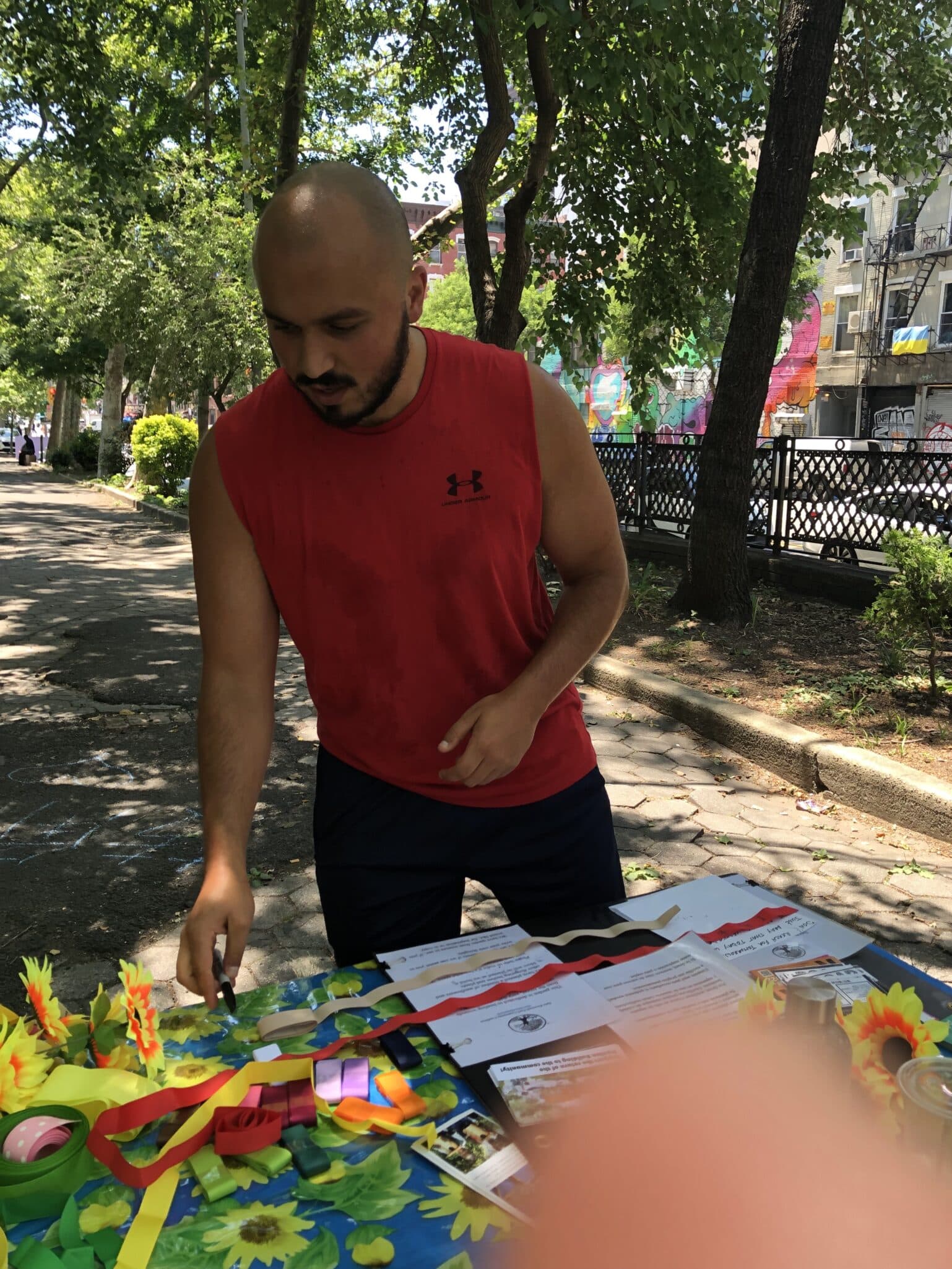
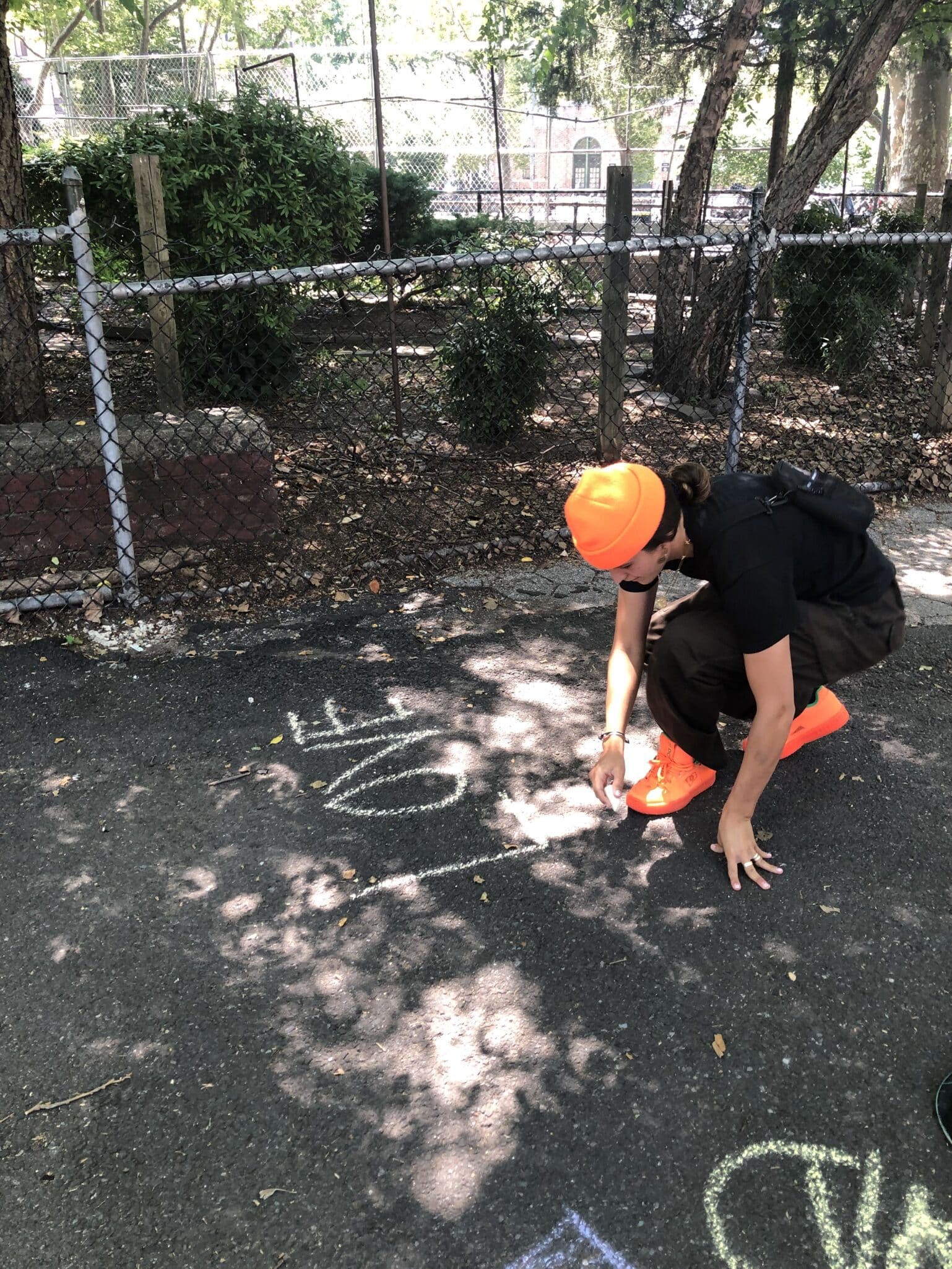
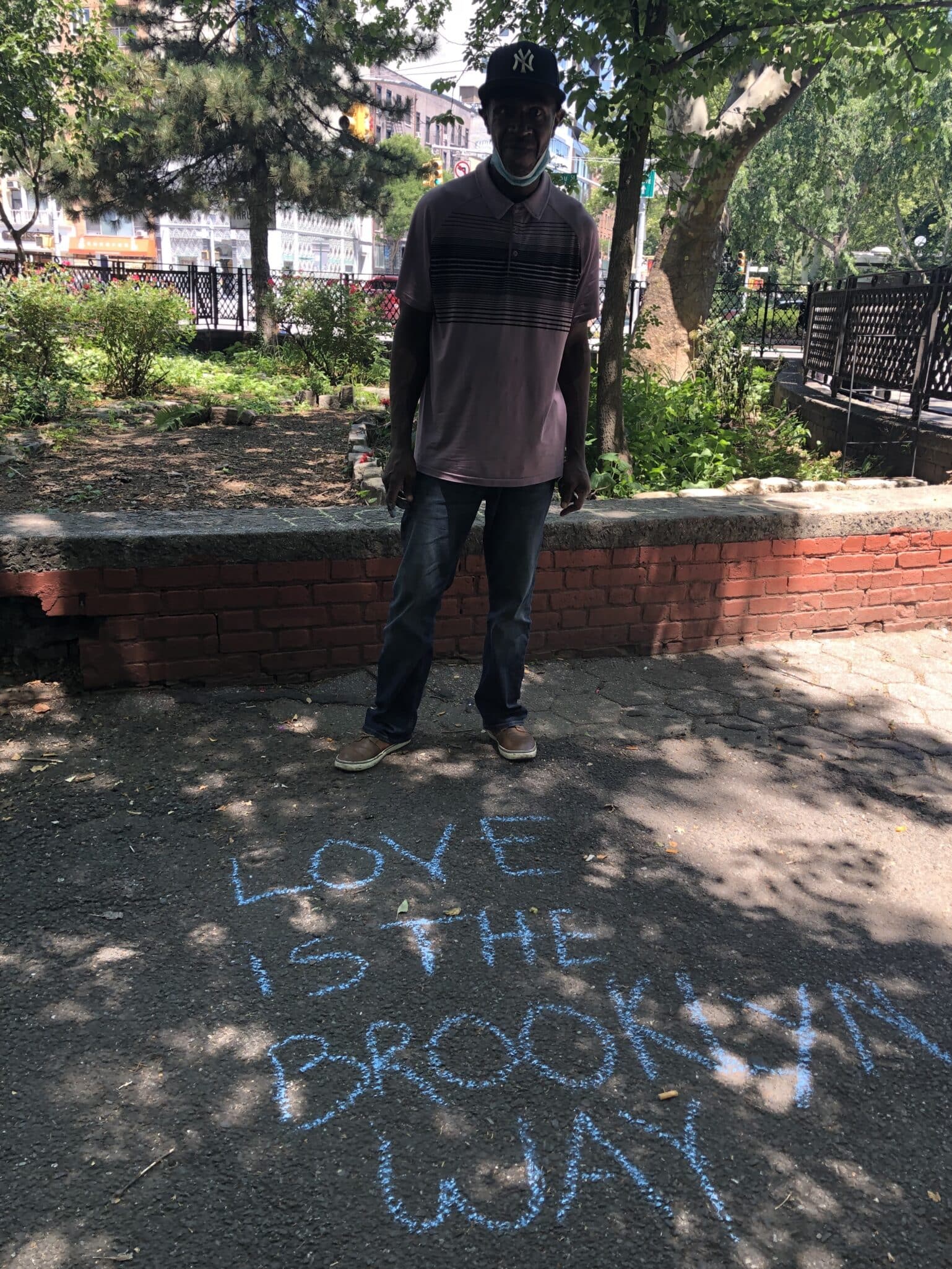
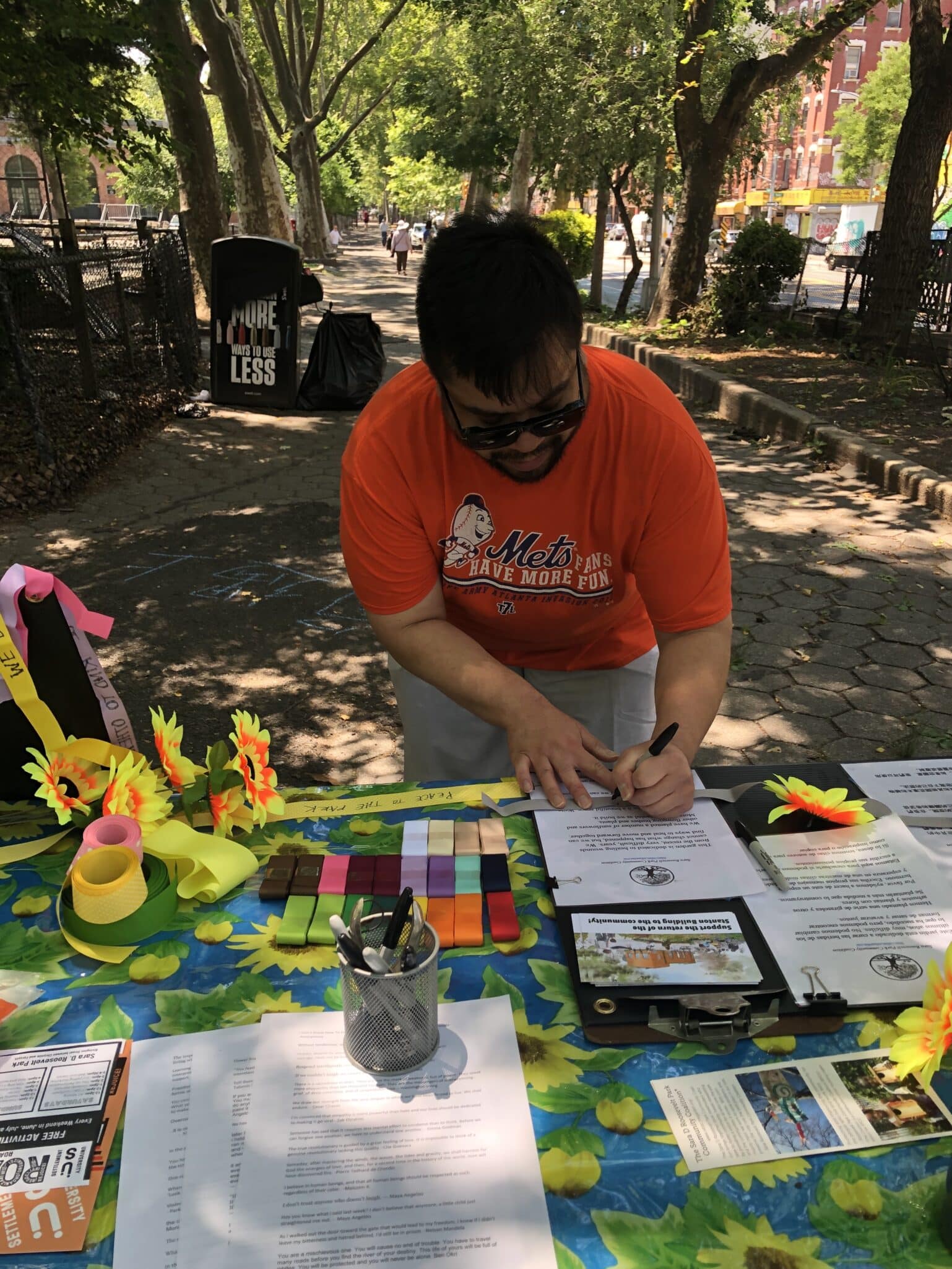
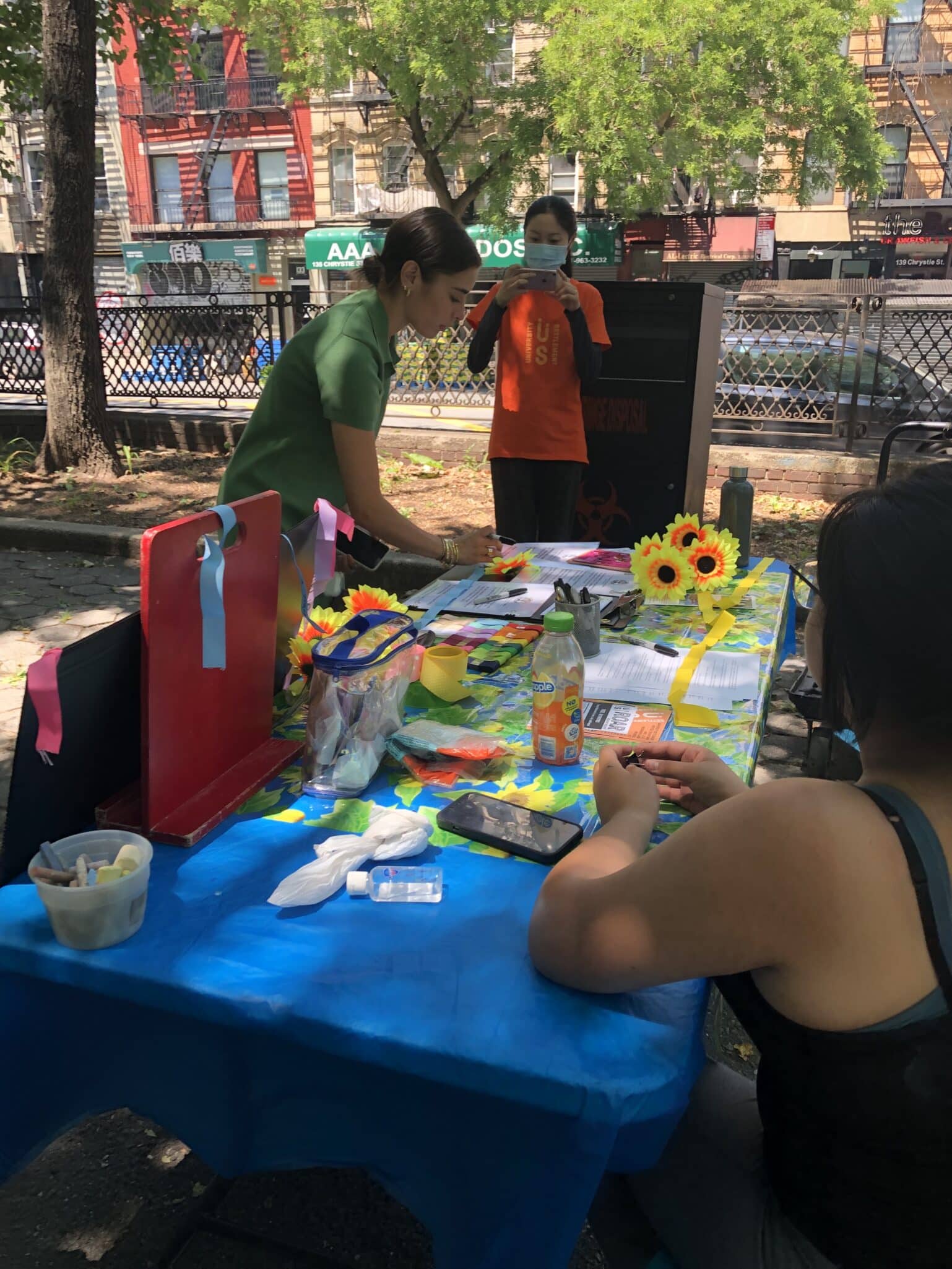
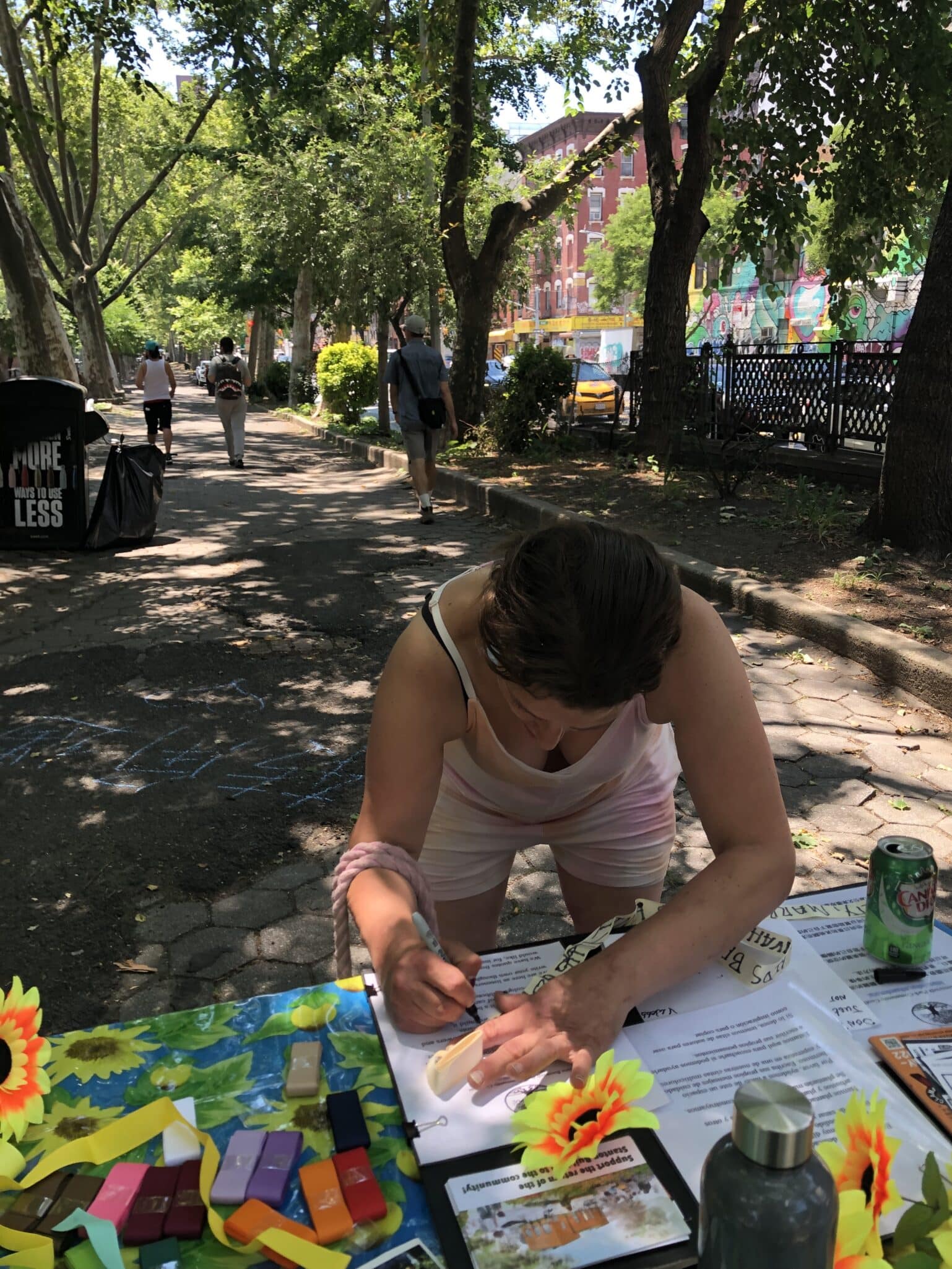
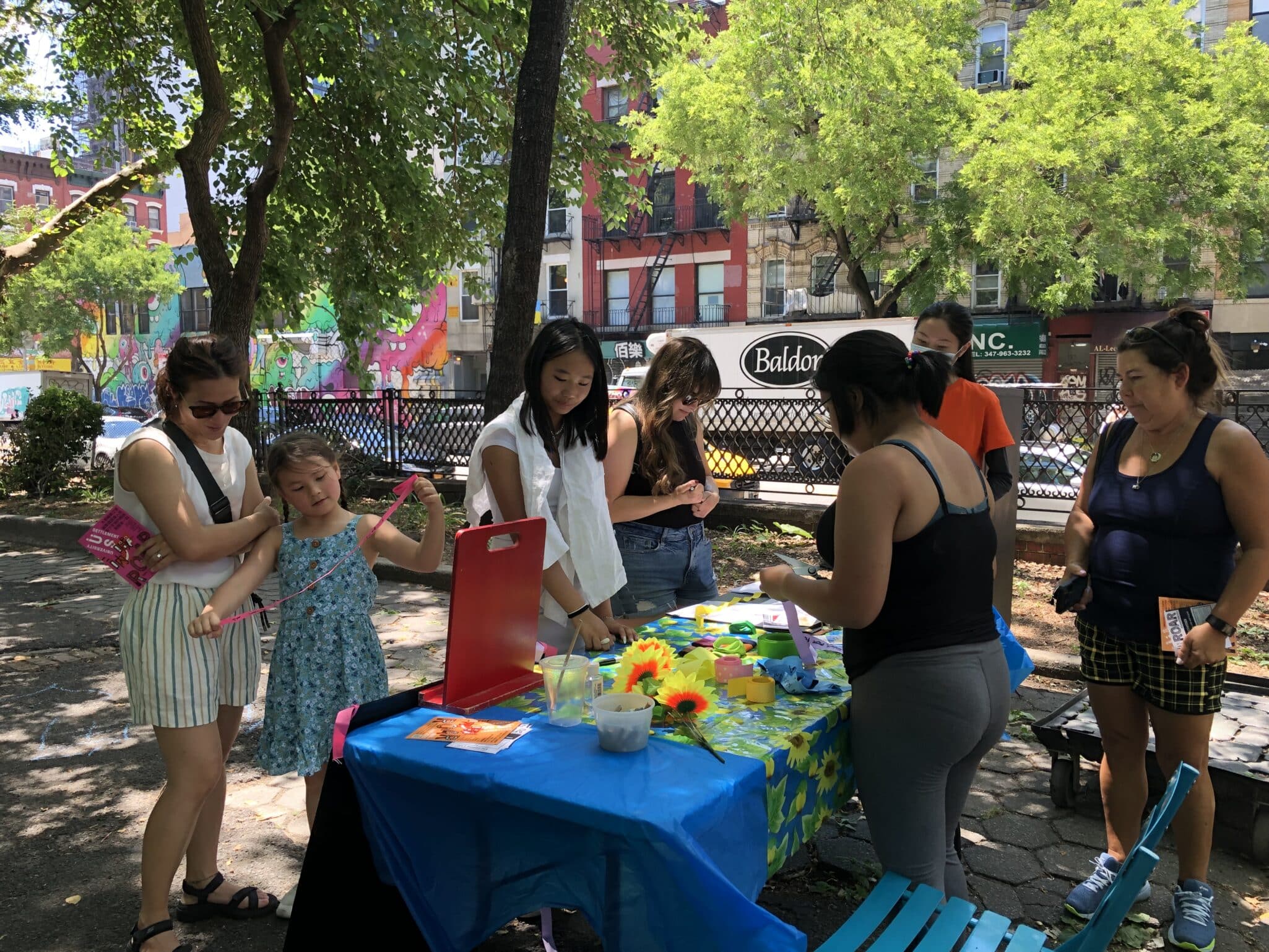

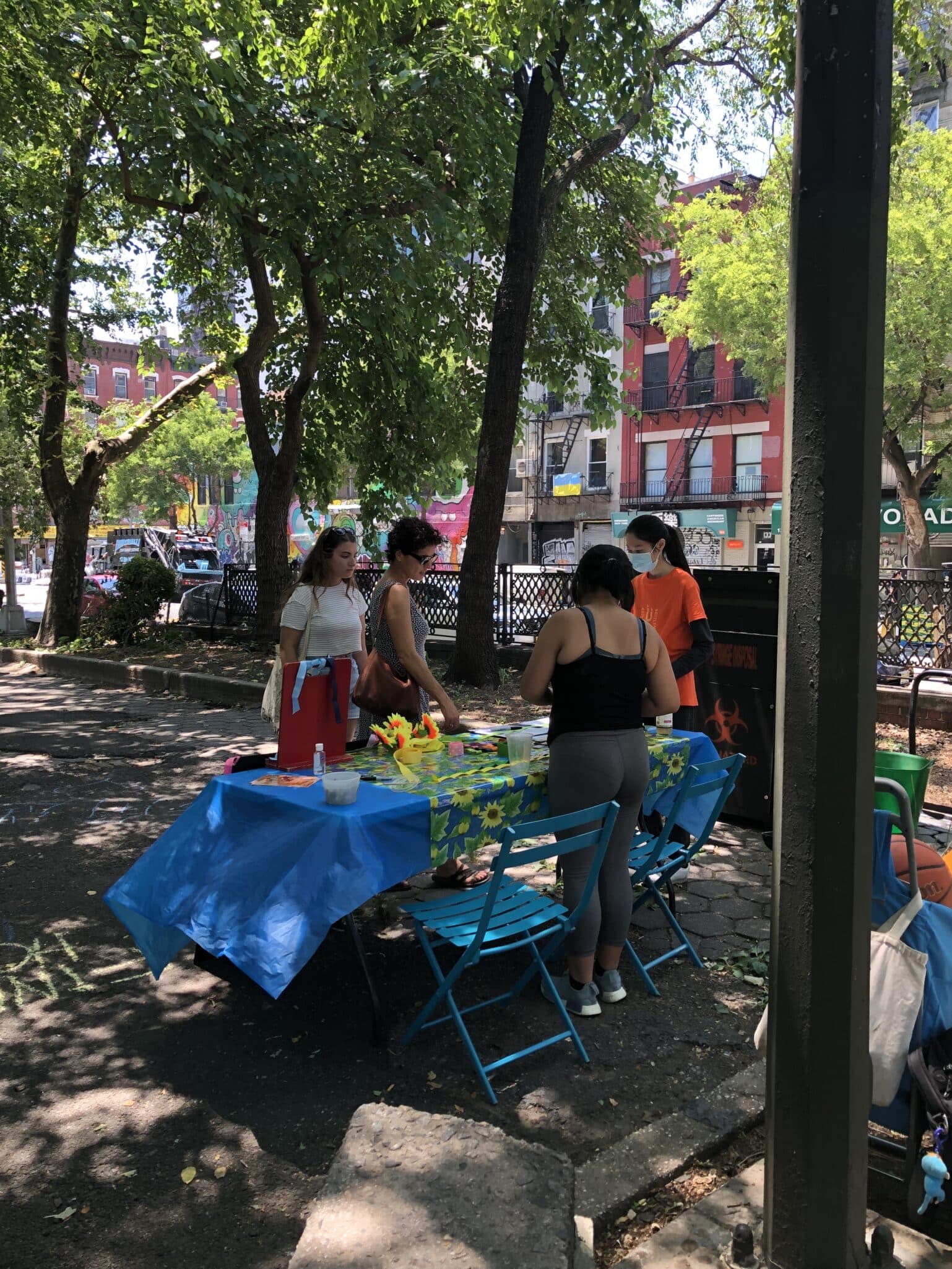
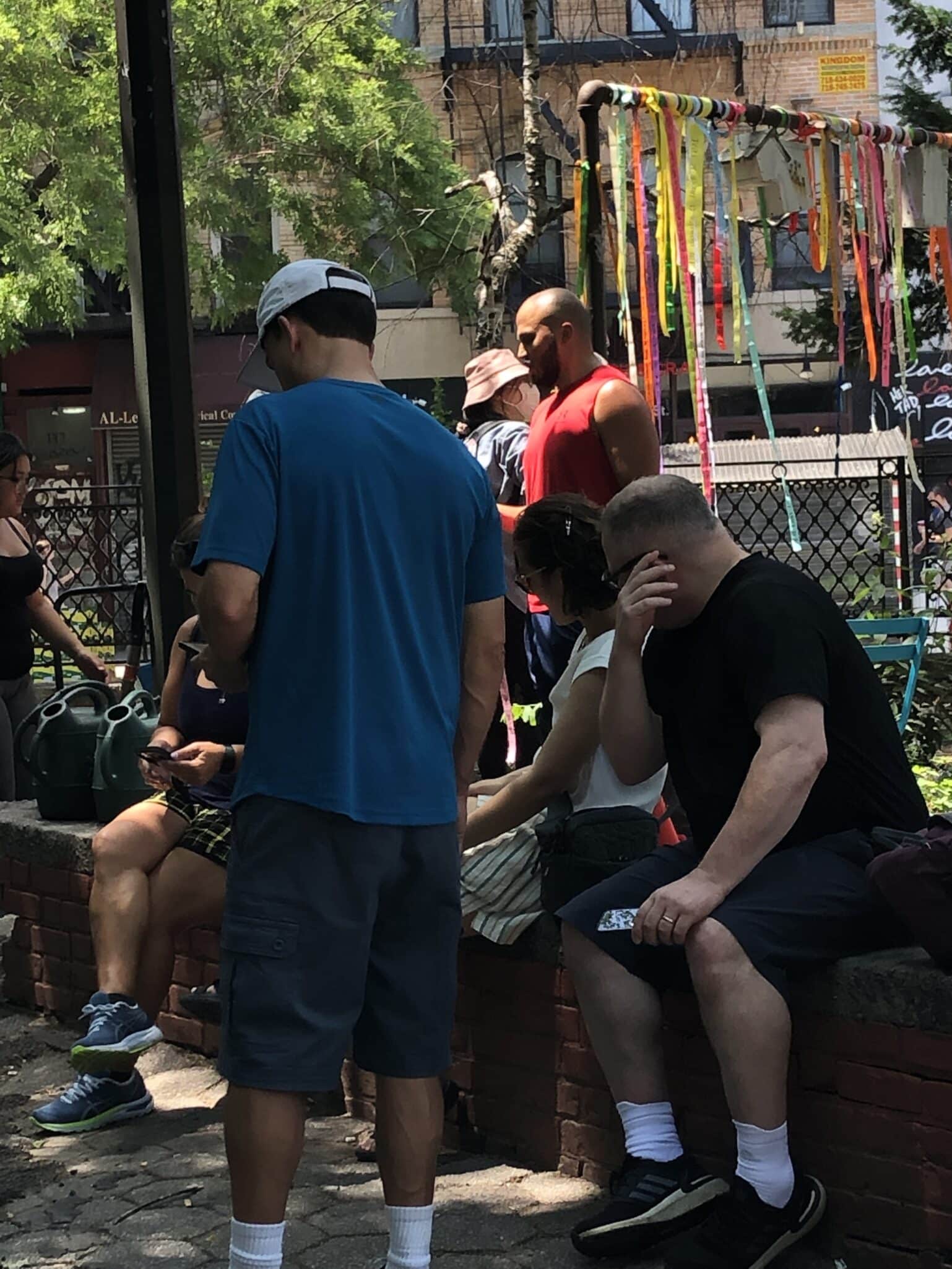
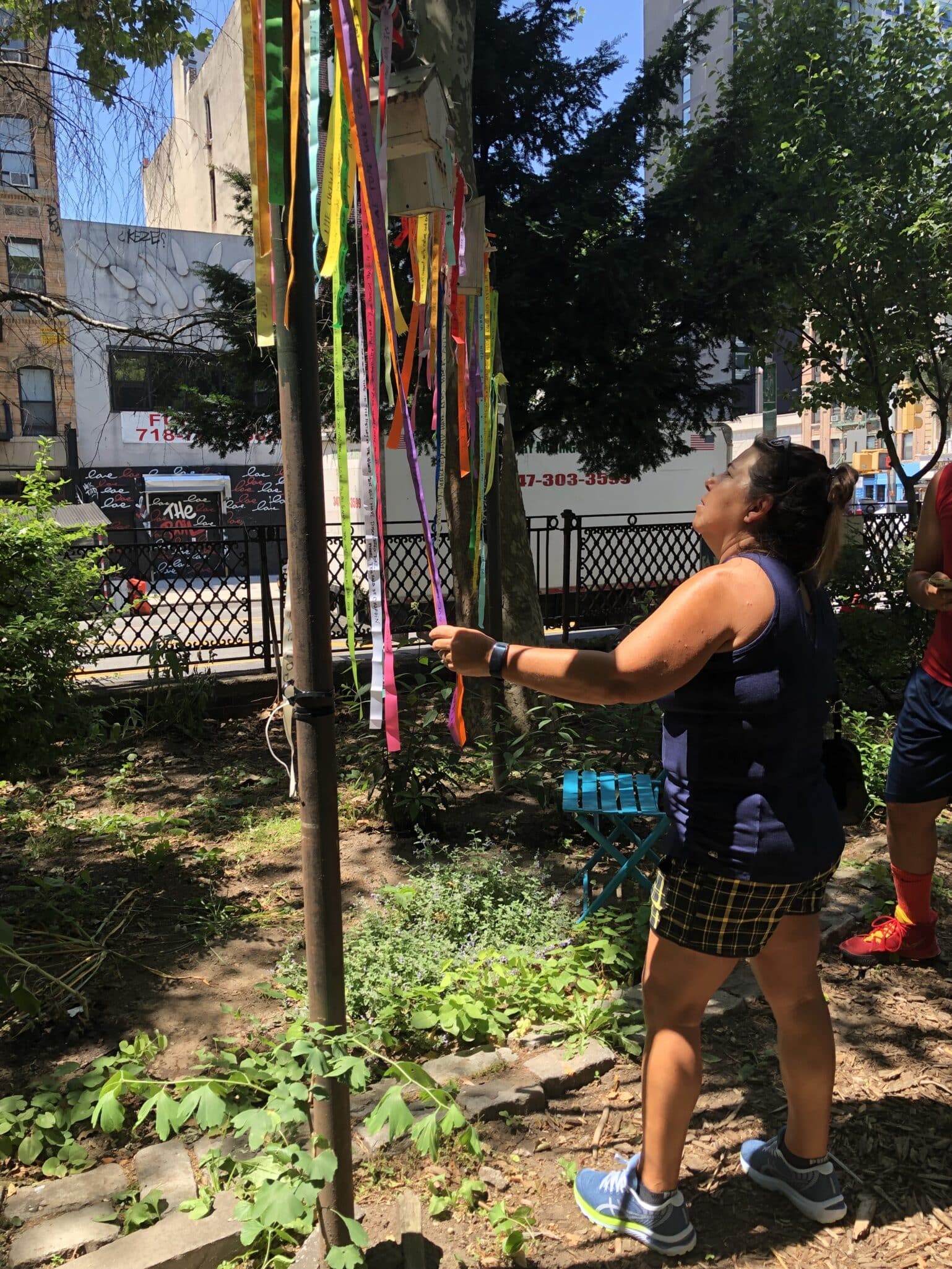
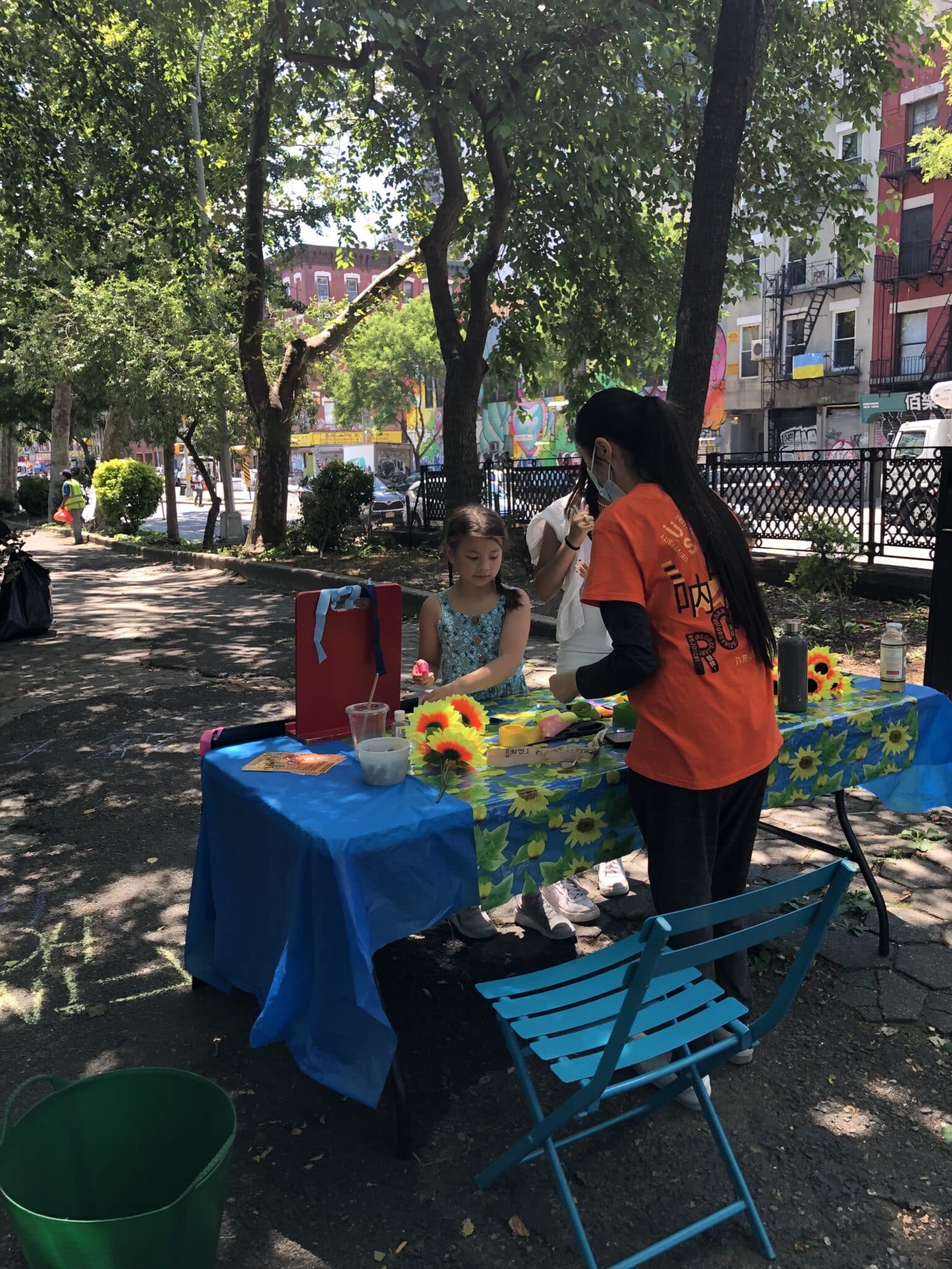
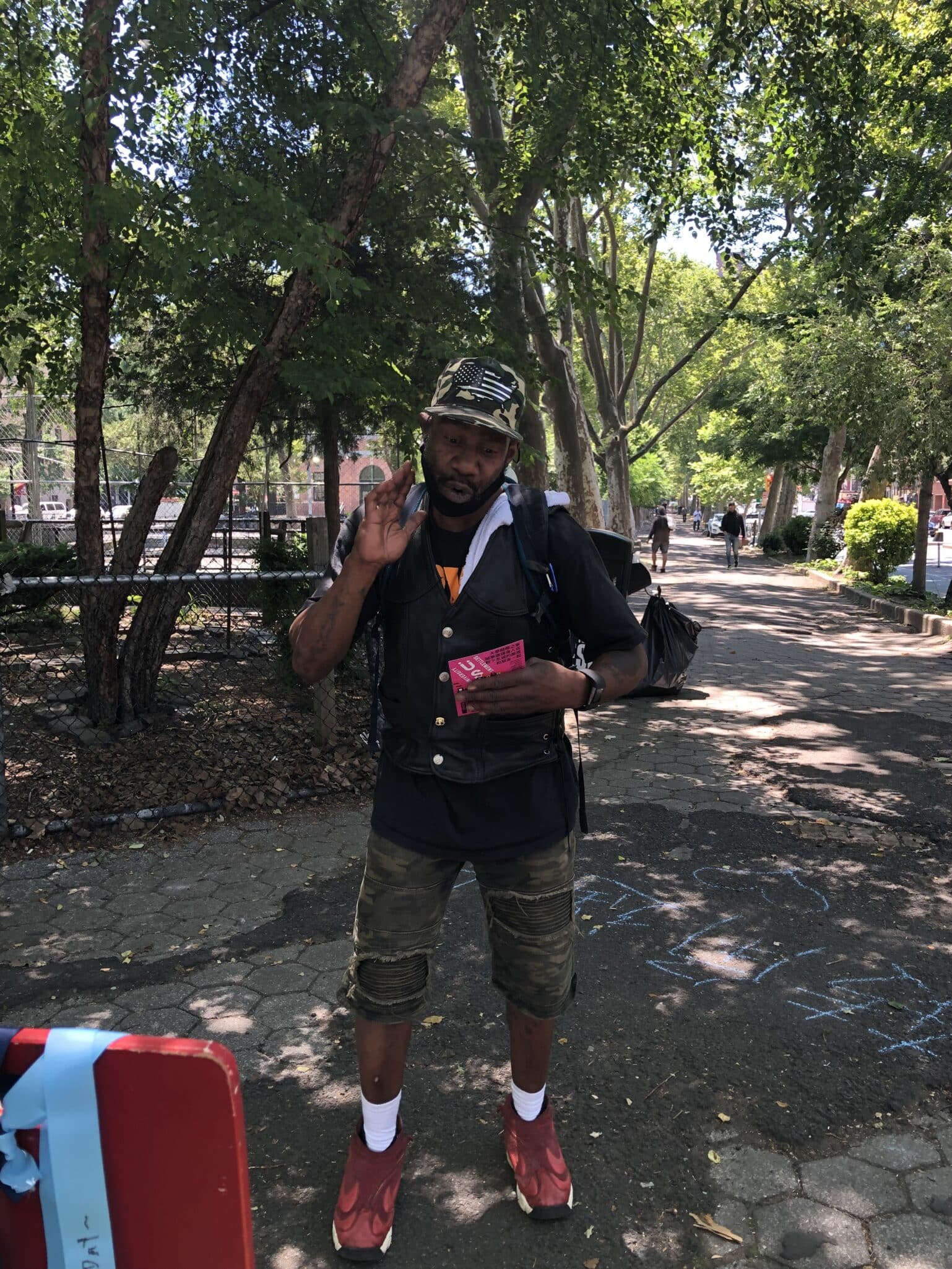
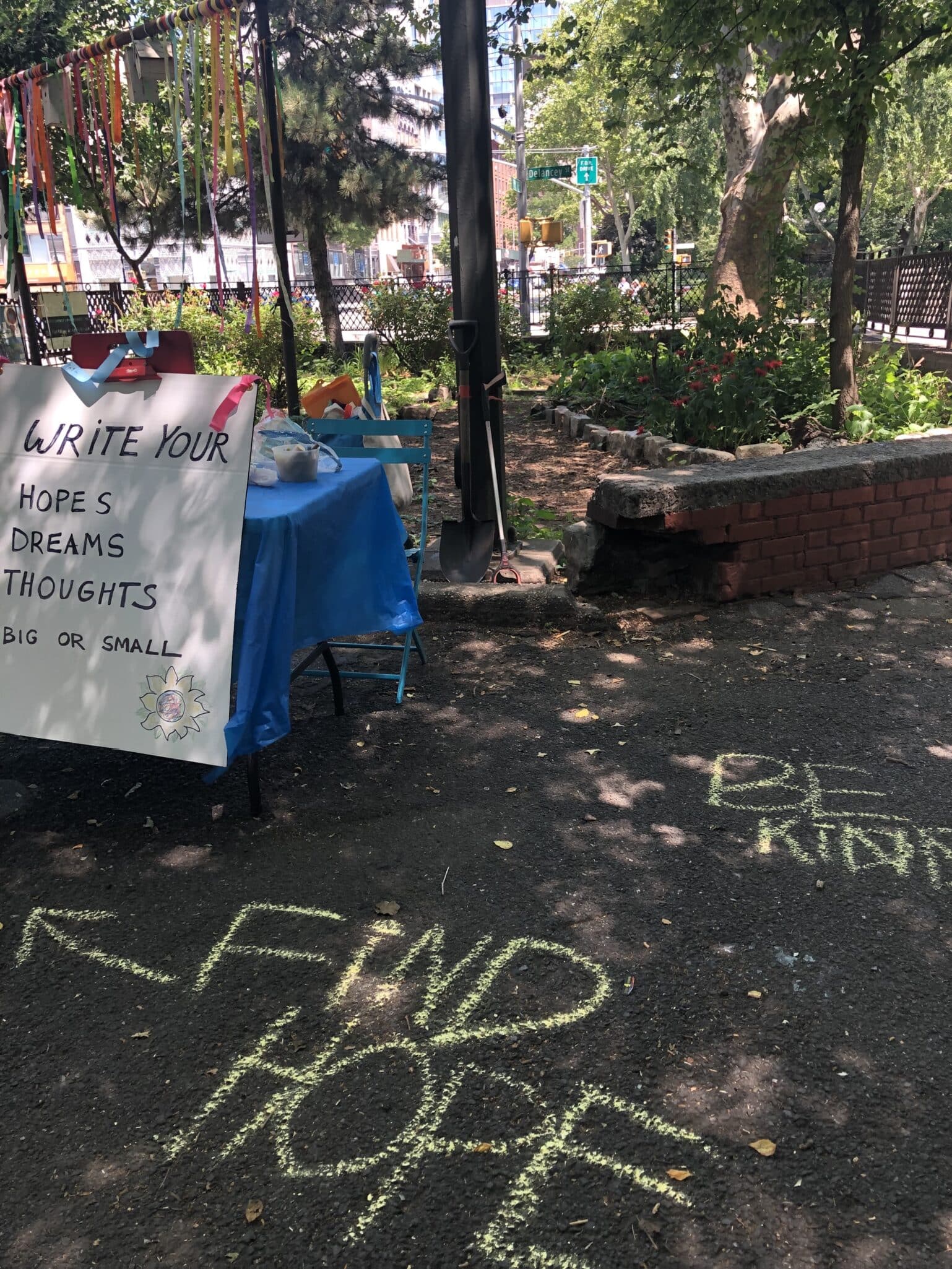

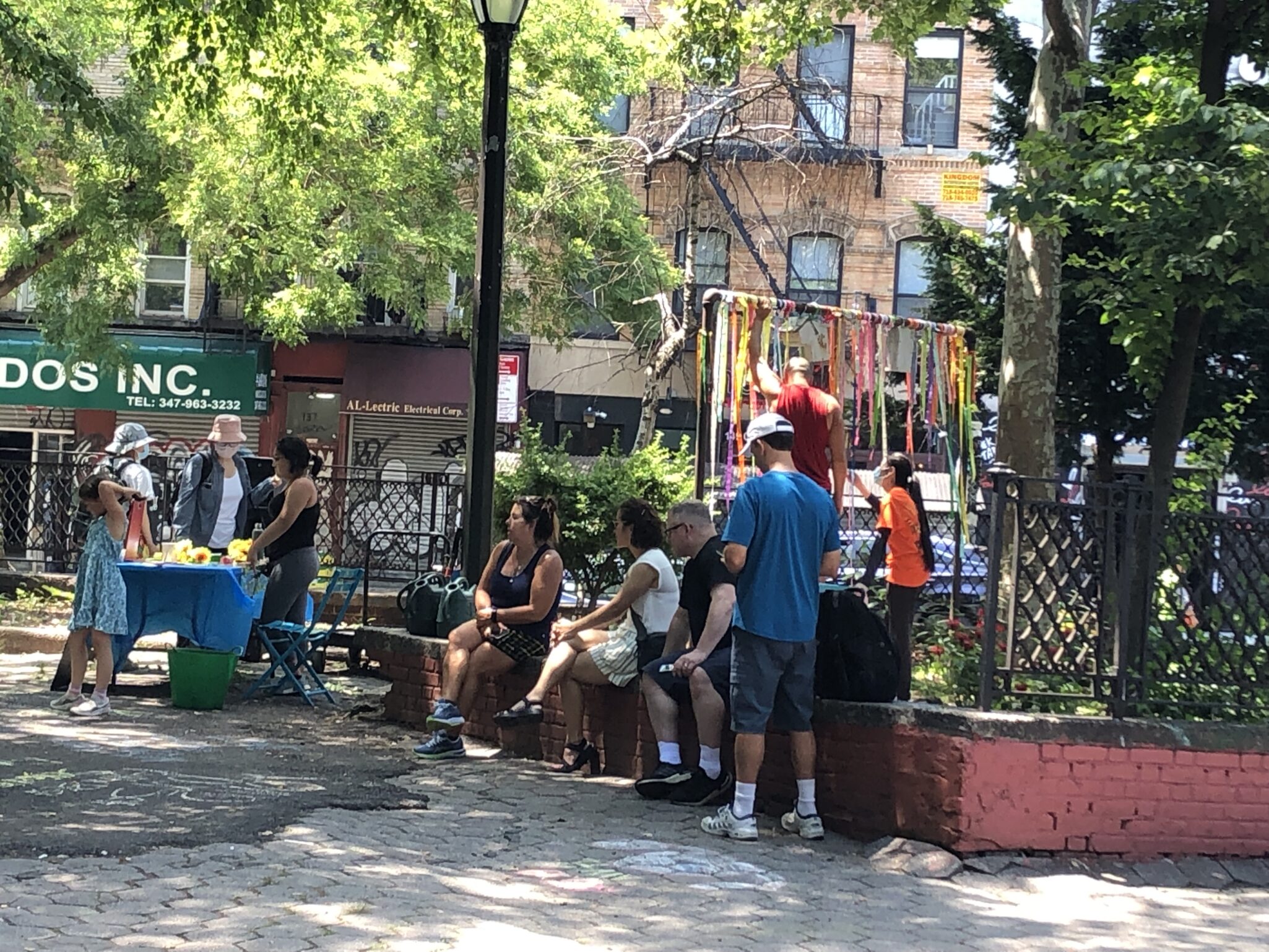
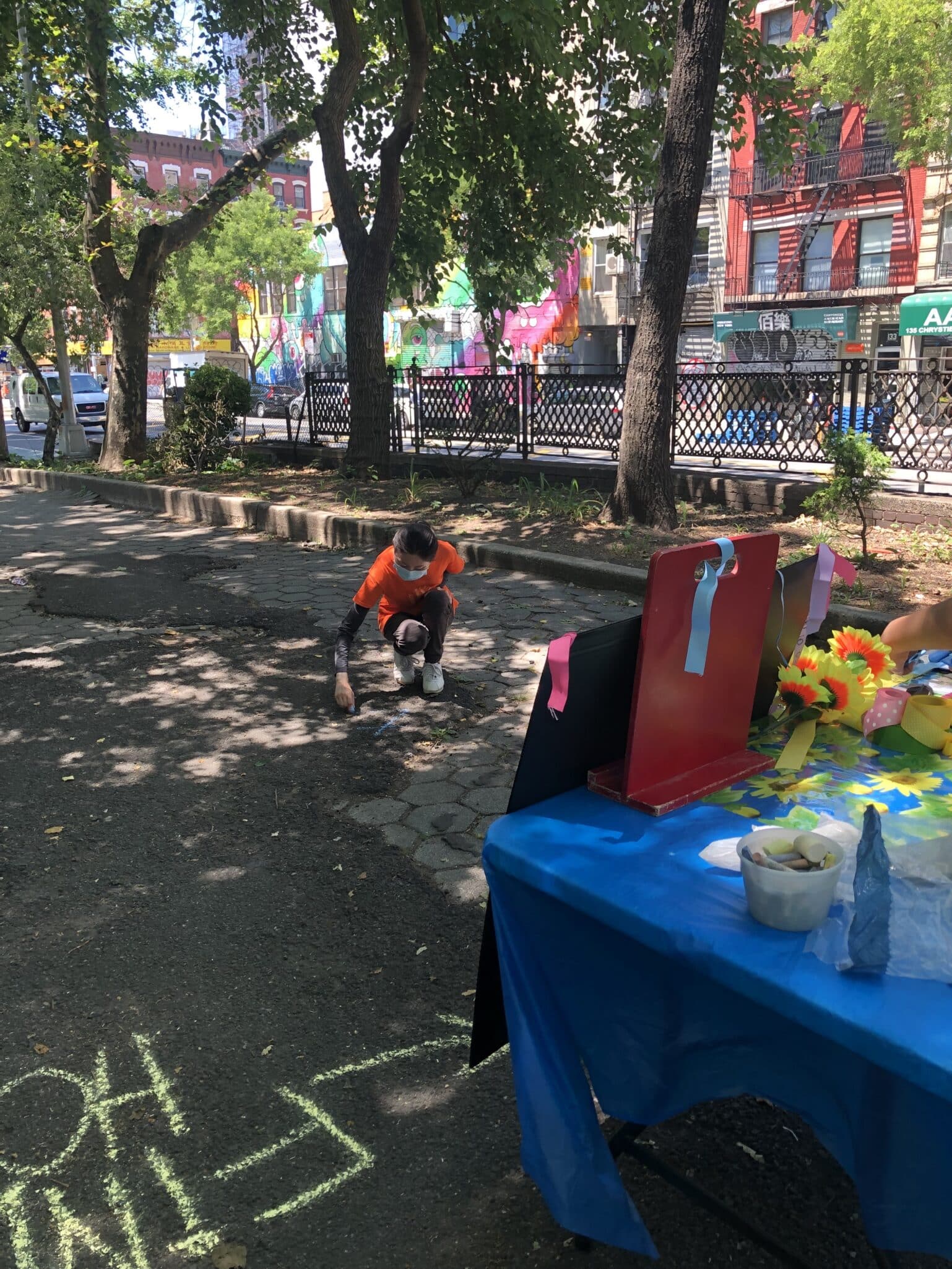


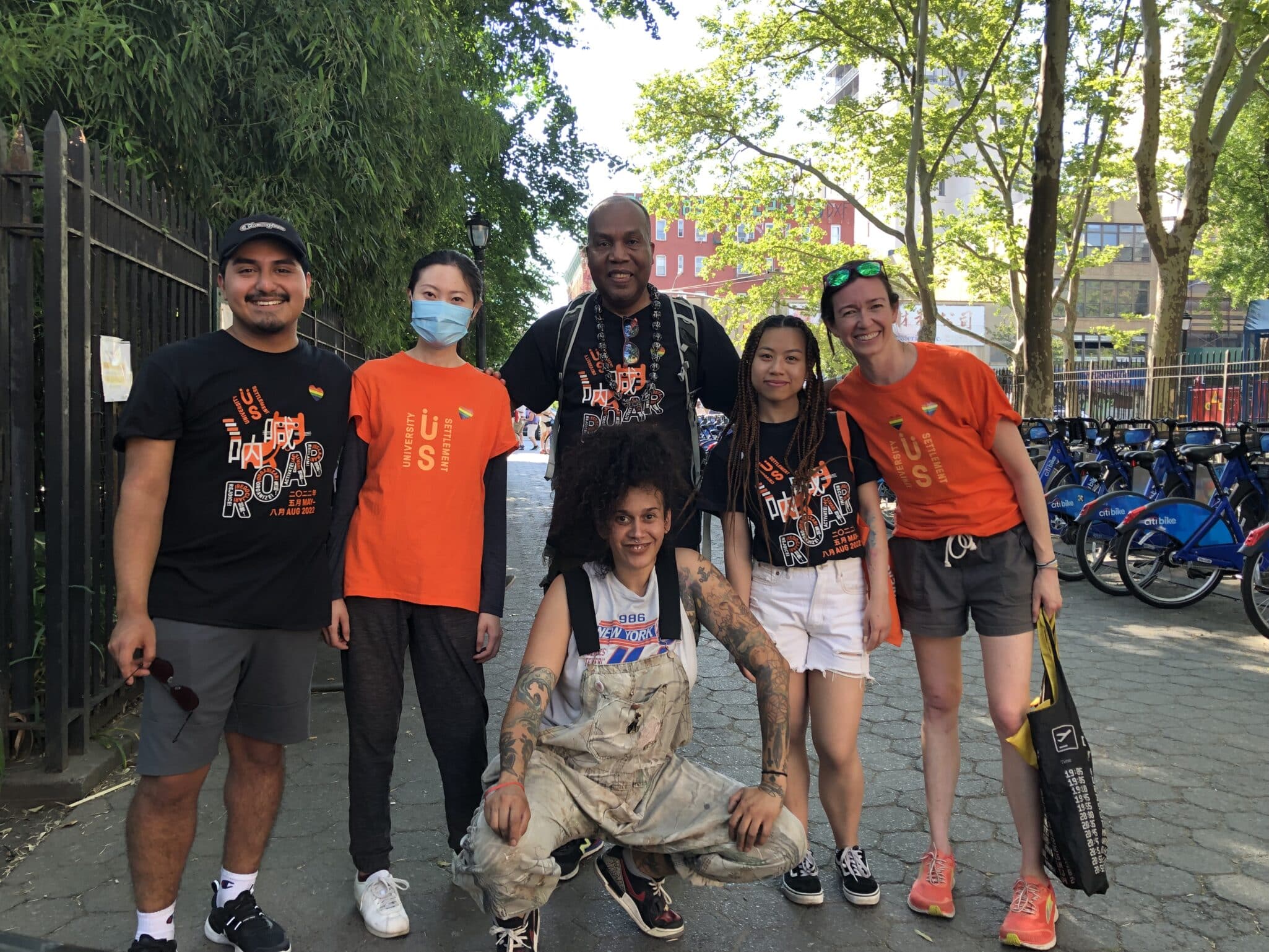
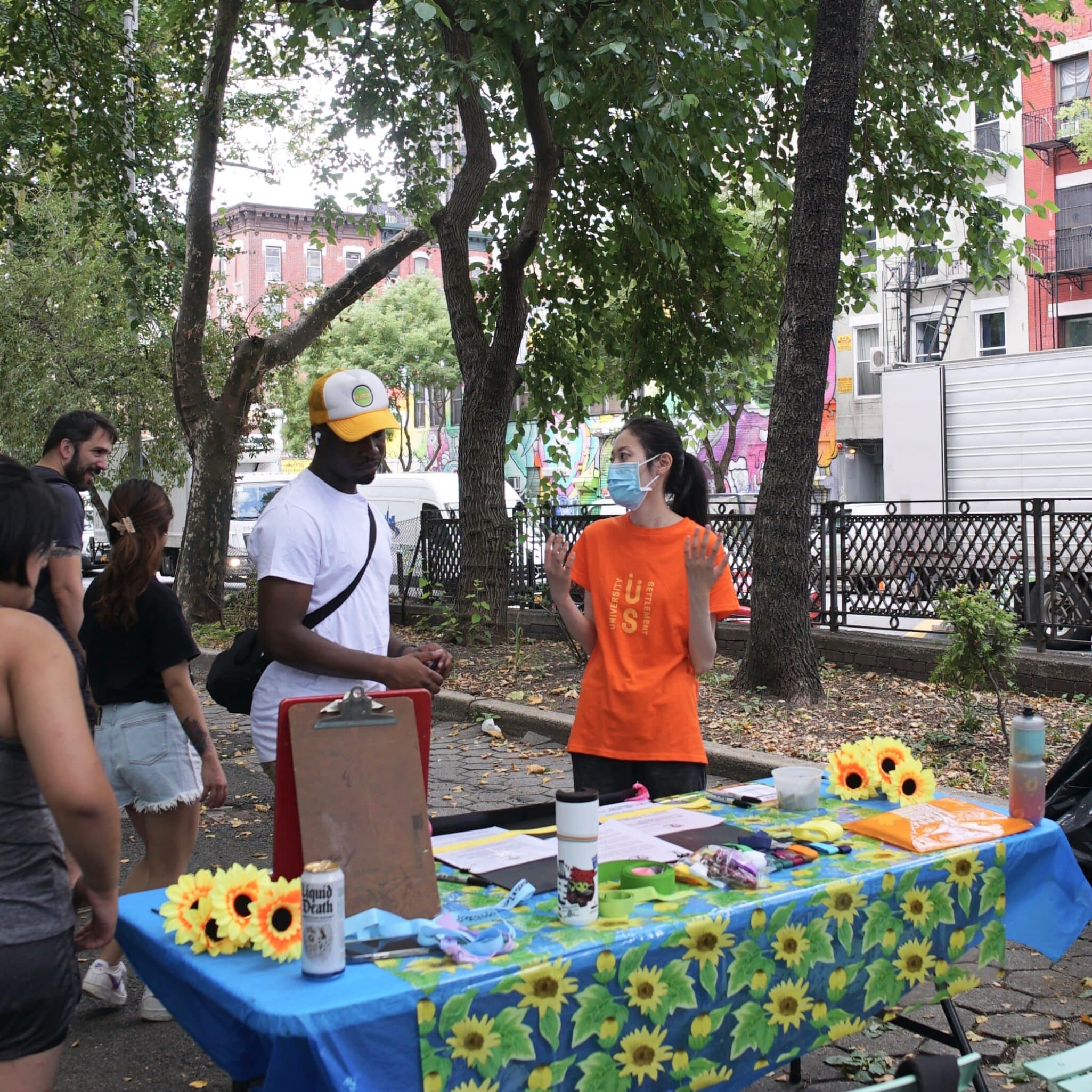
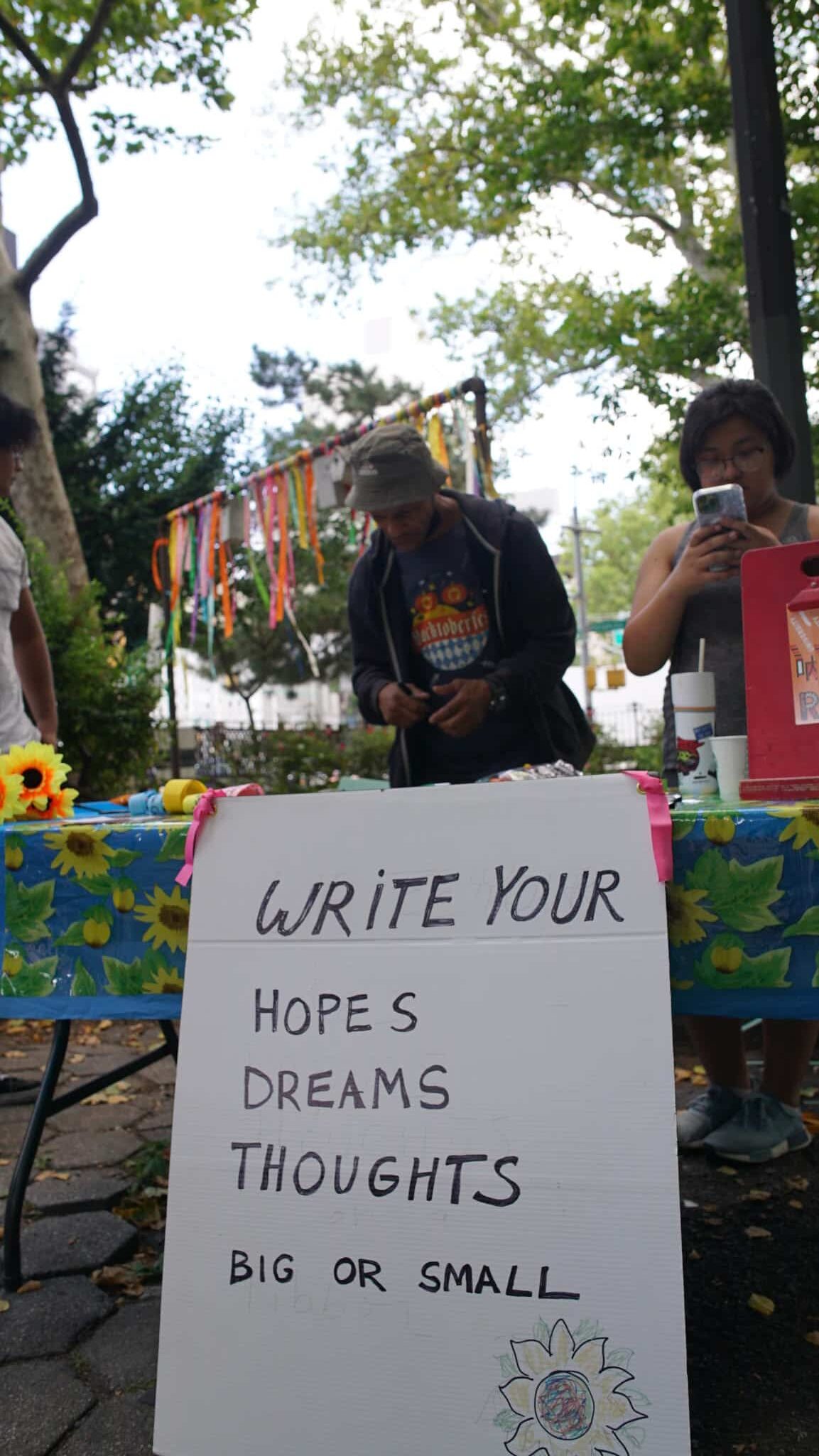
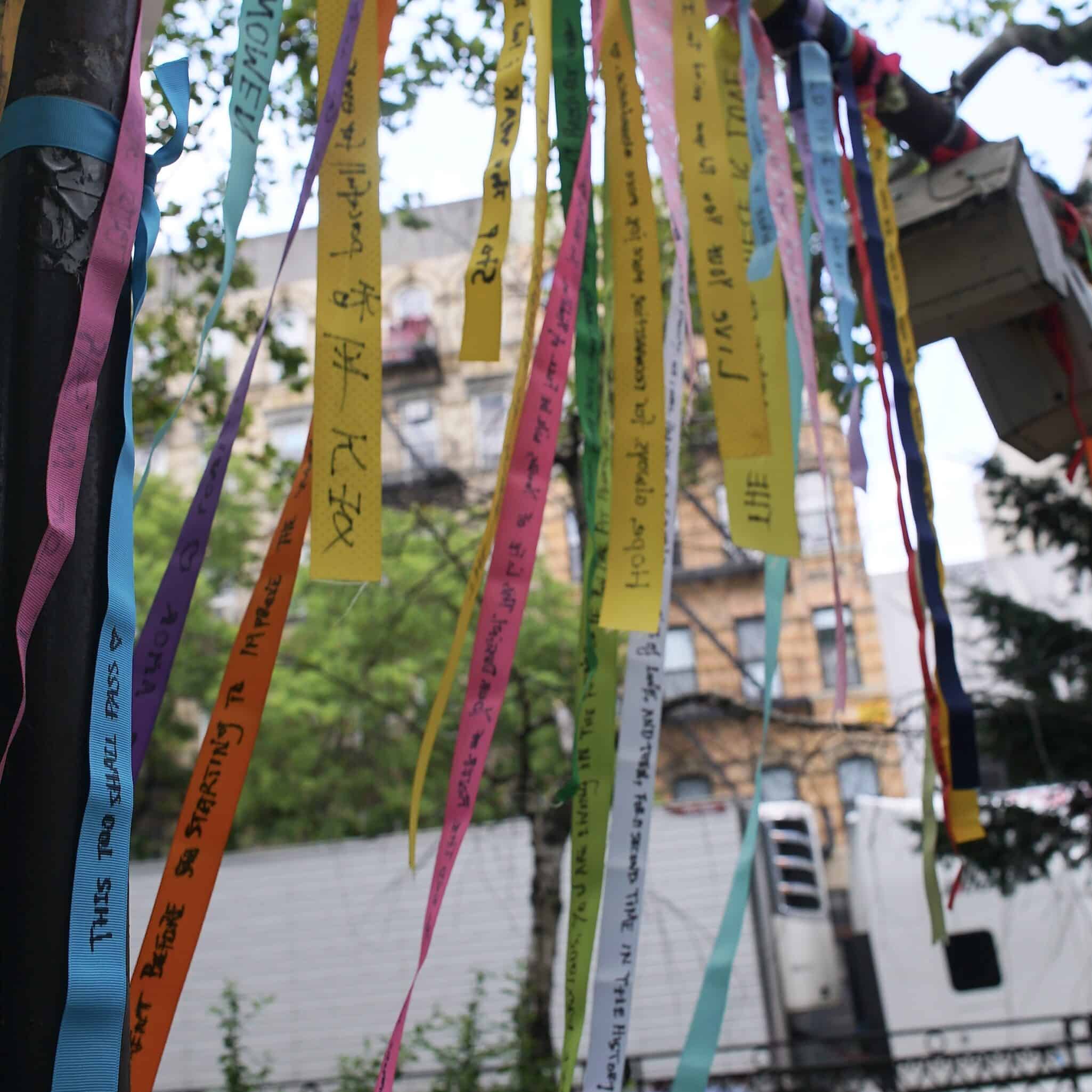
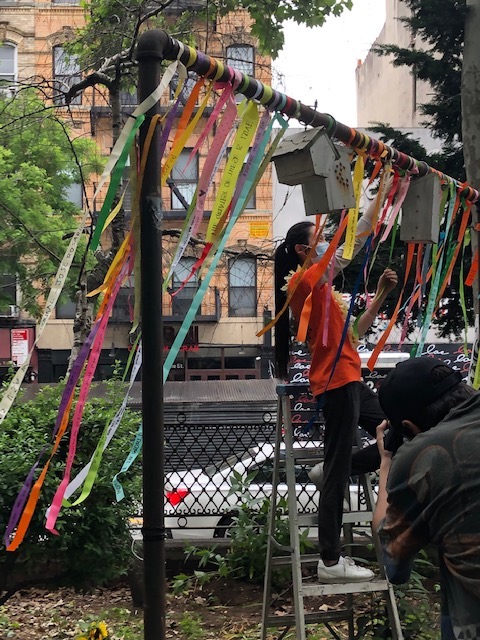
Sunflower Project June 9th 2022
All photos Lee Elson
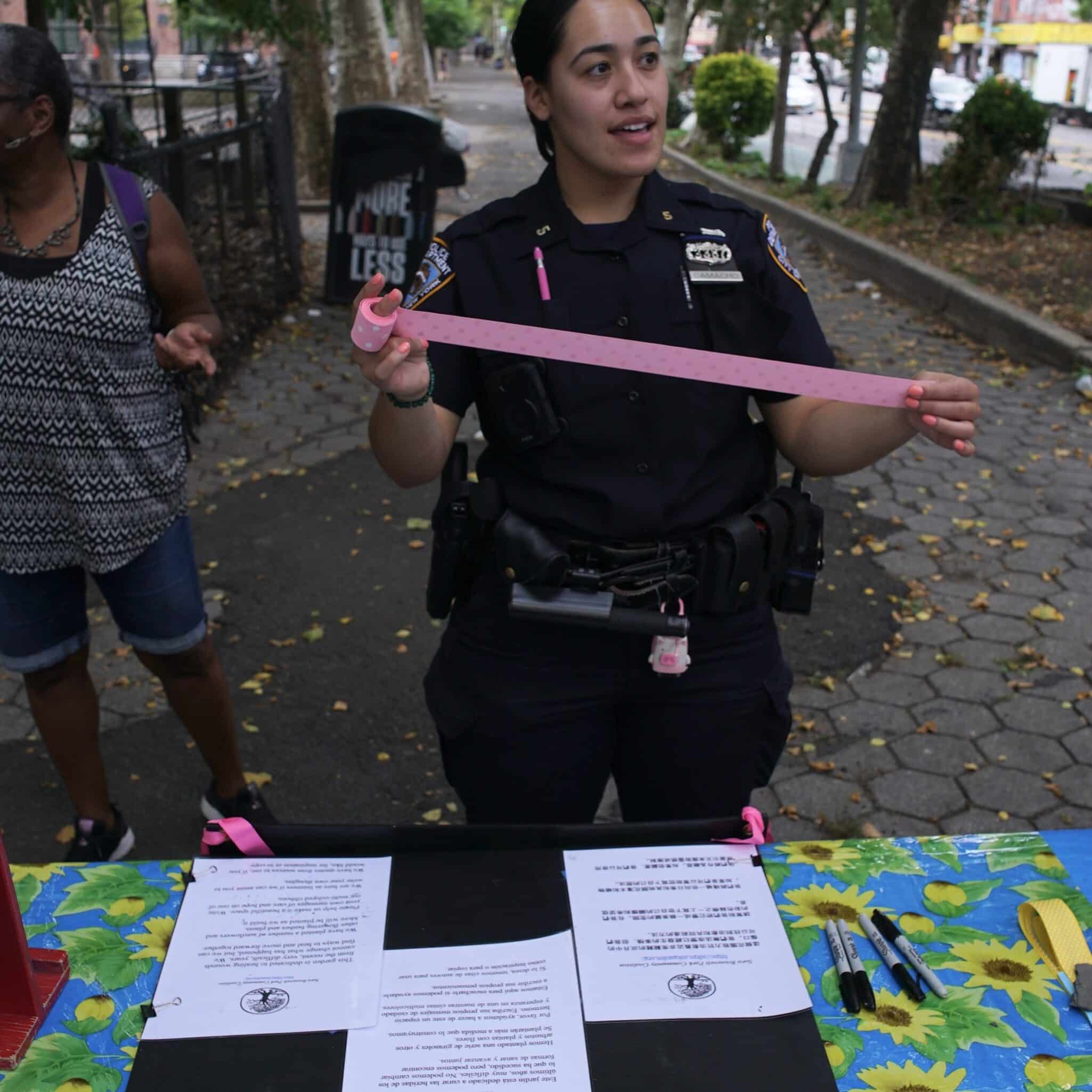
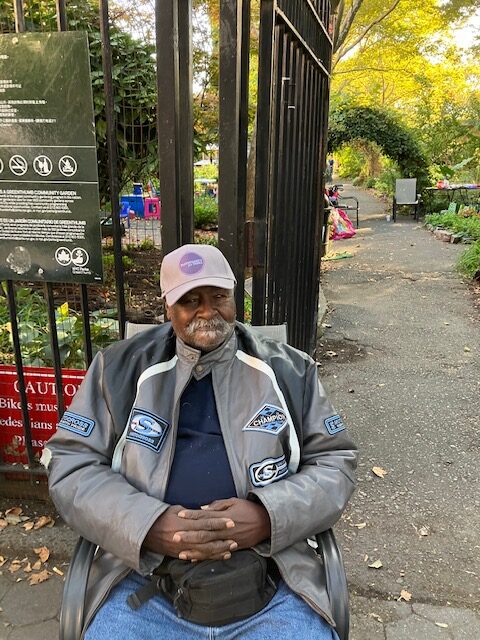
Officer Robin Camancho

Chloe, and Youth Explorers
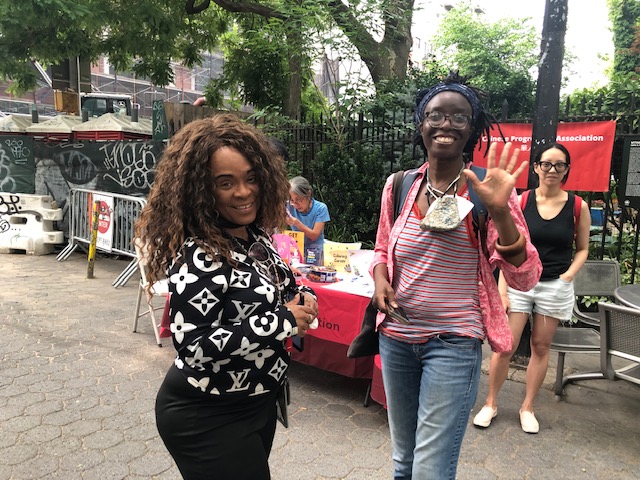
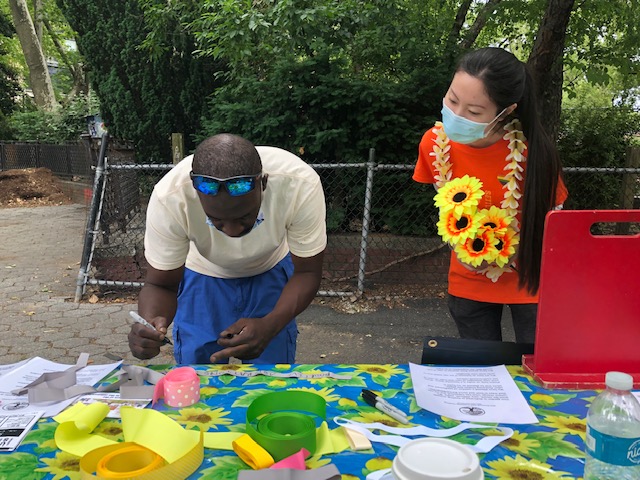
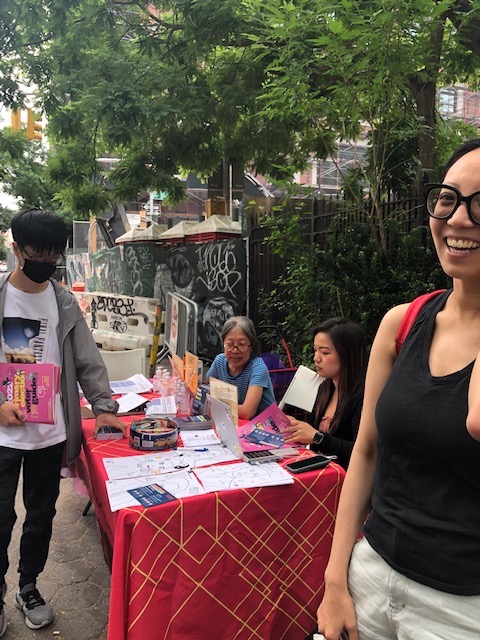

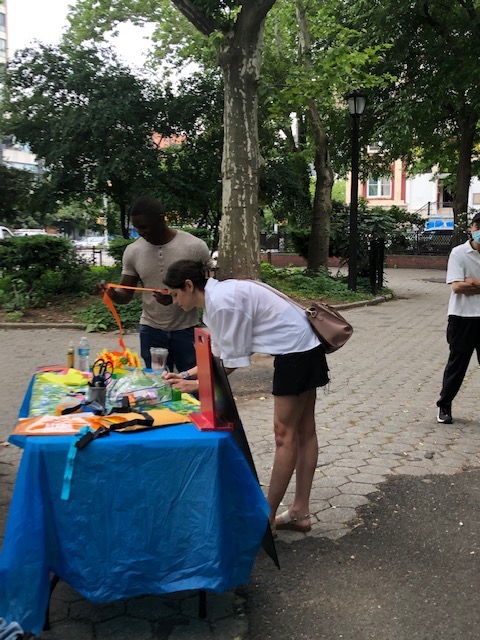
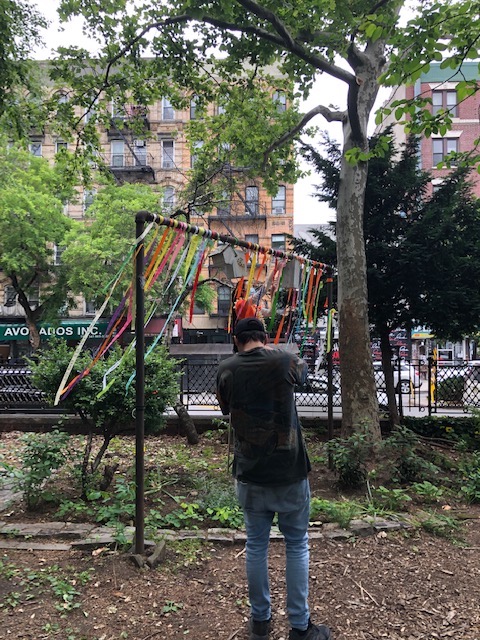
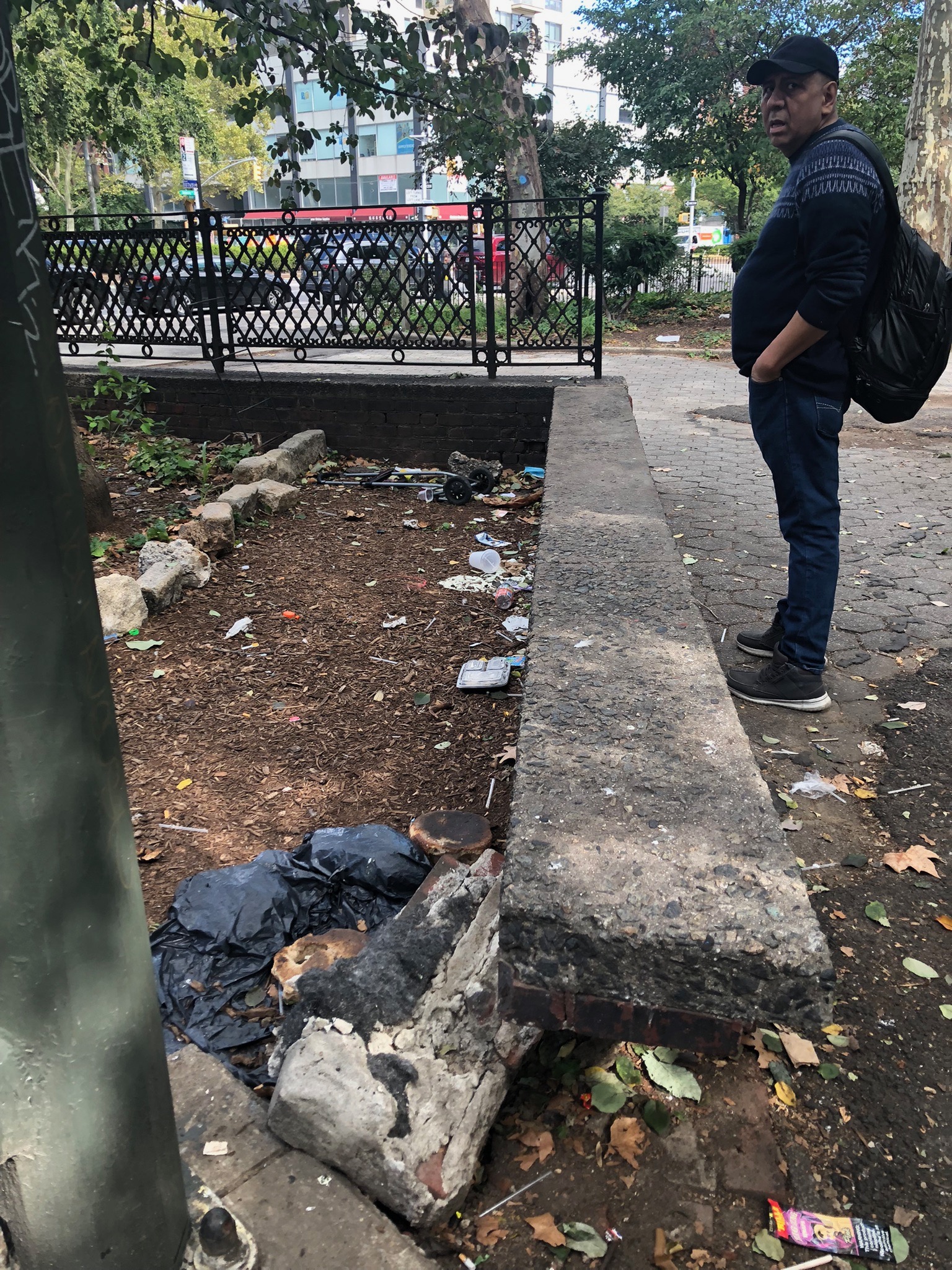
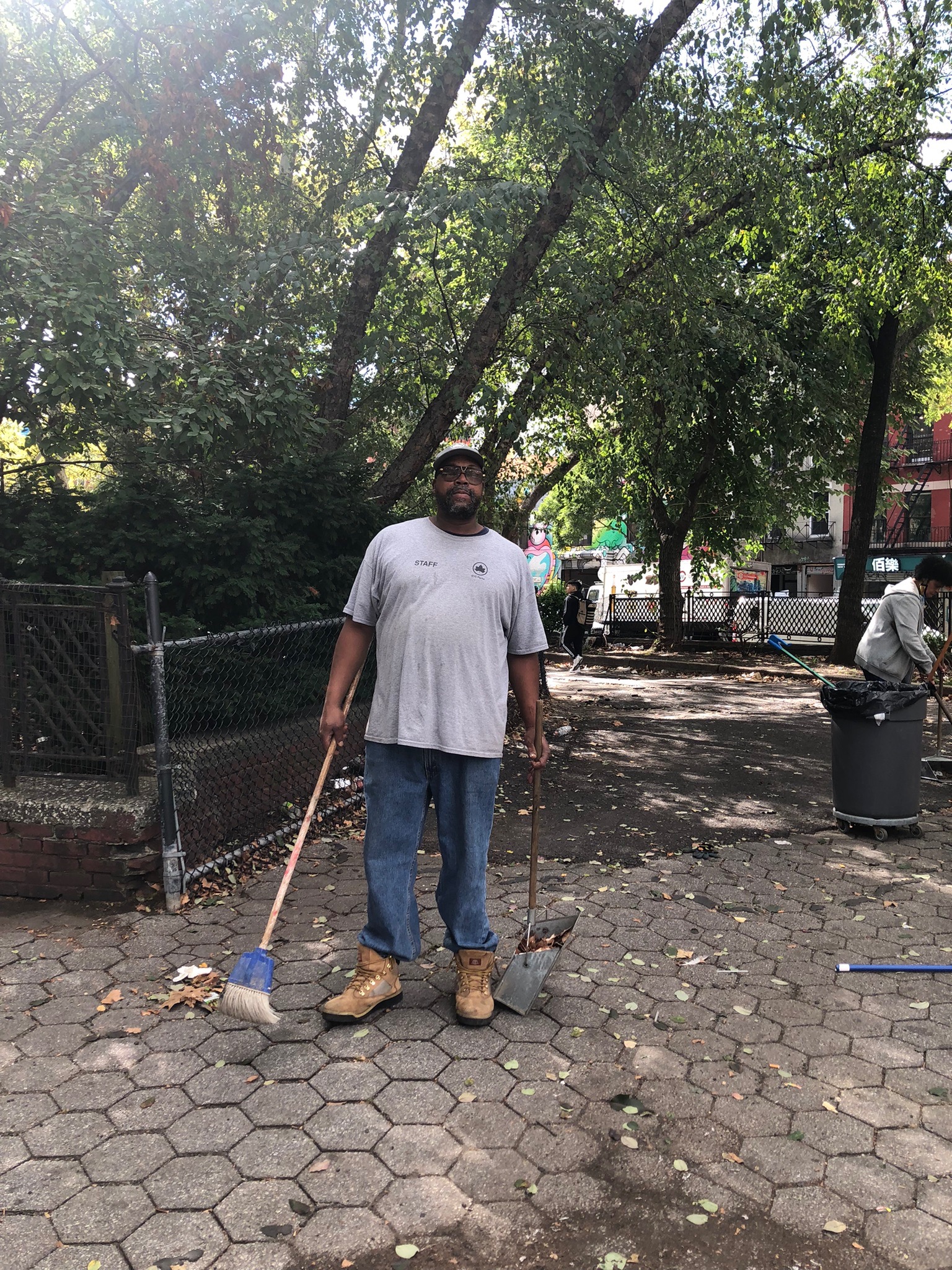
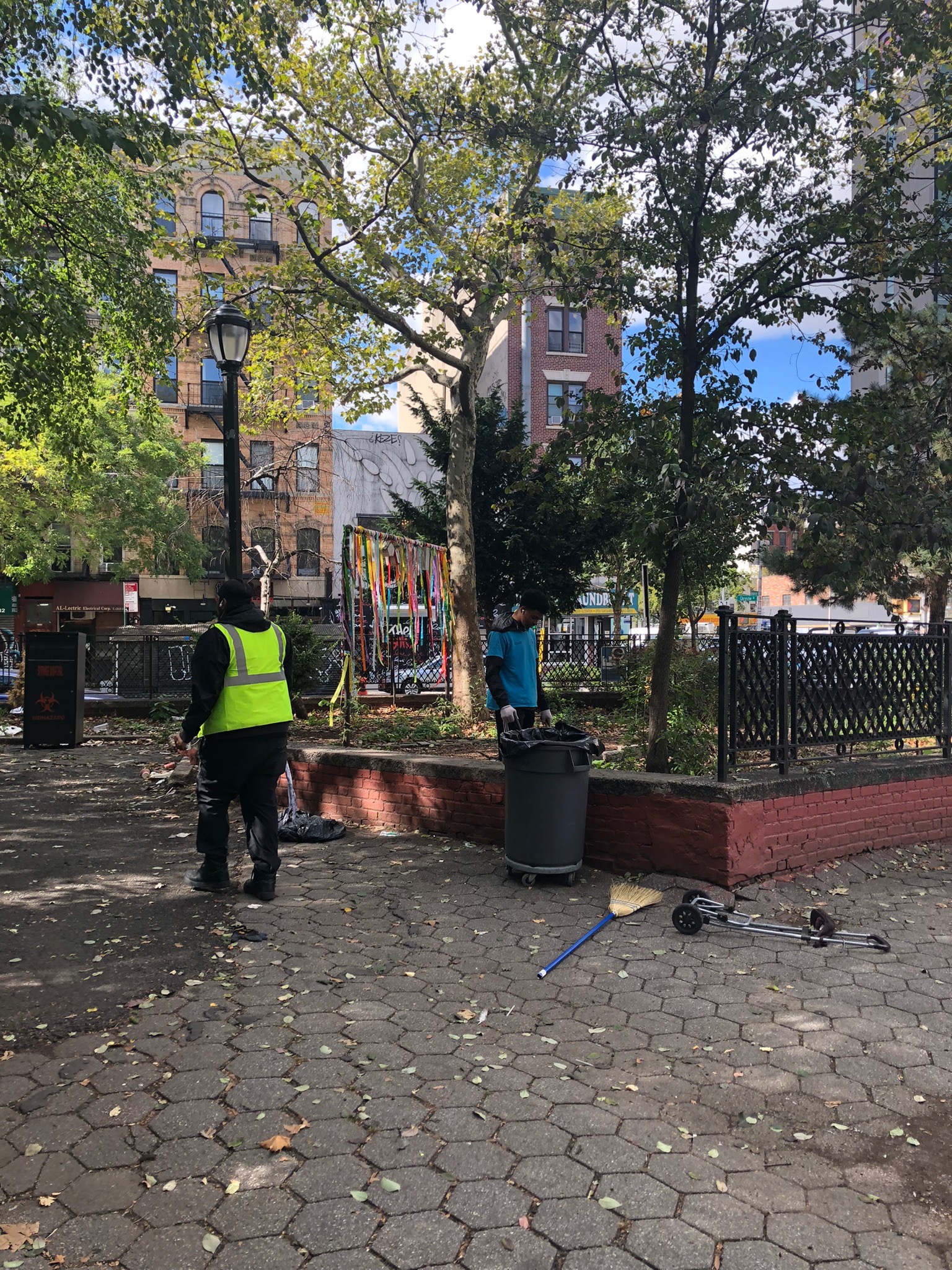
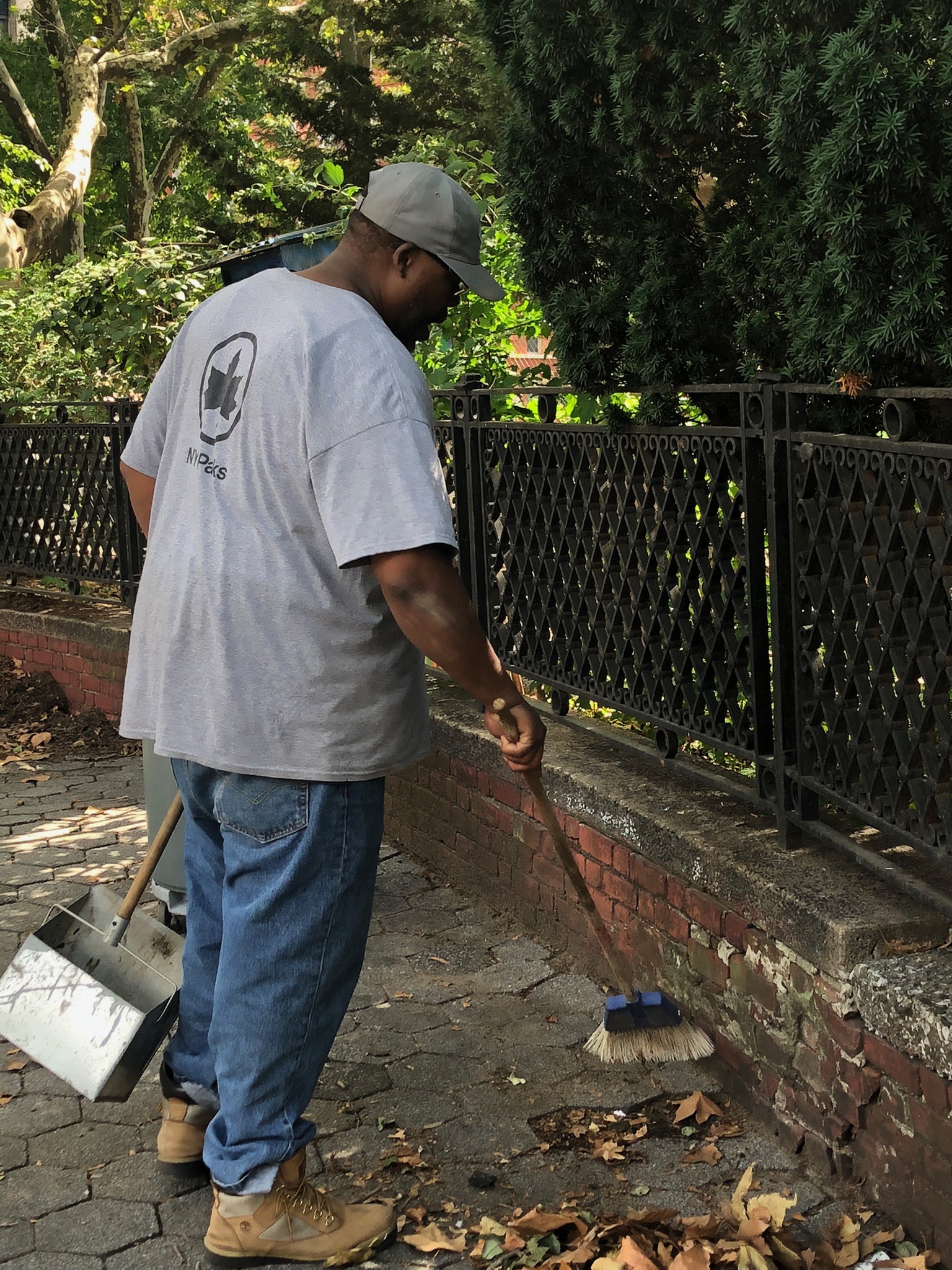
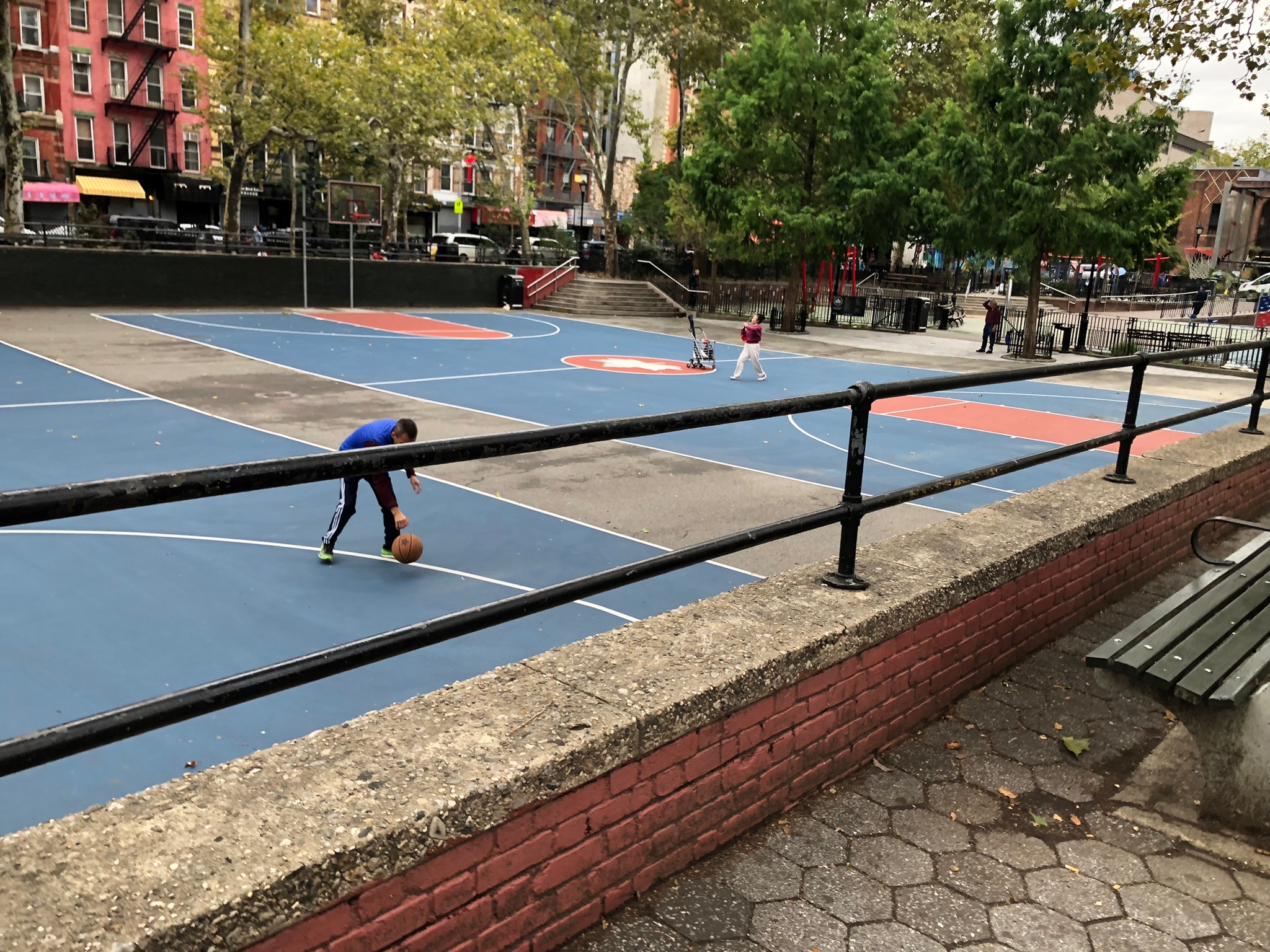
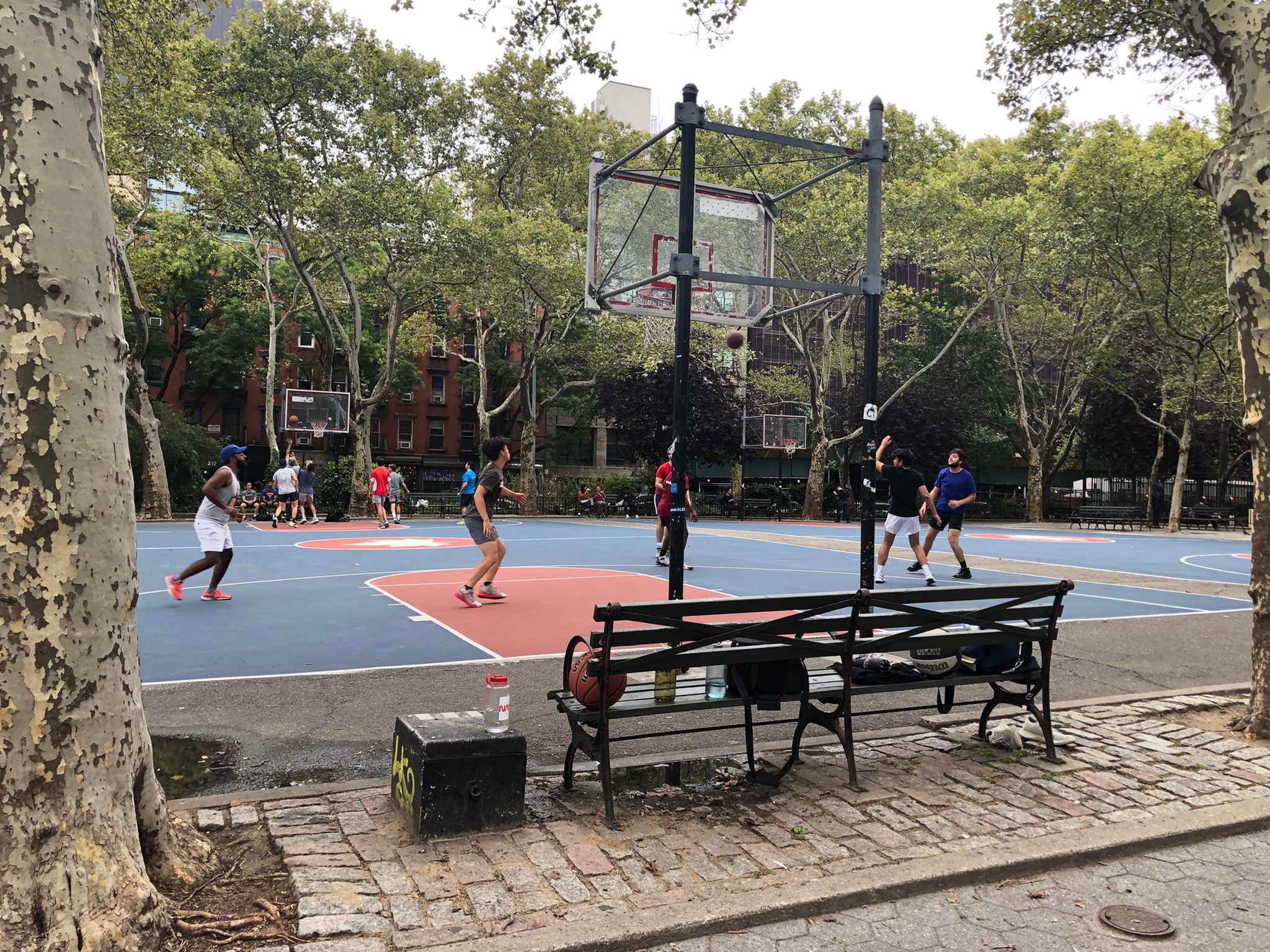
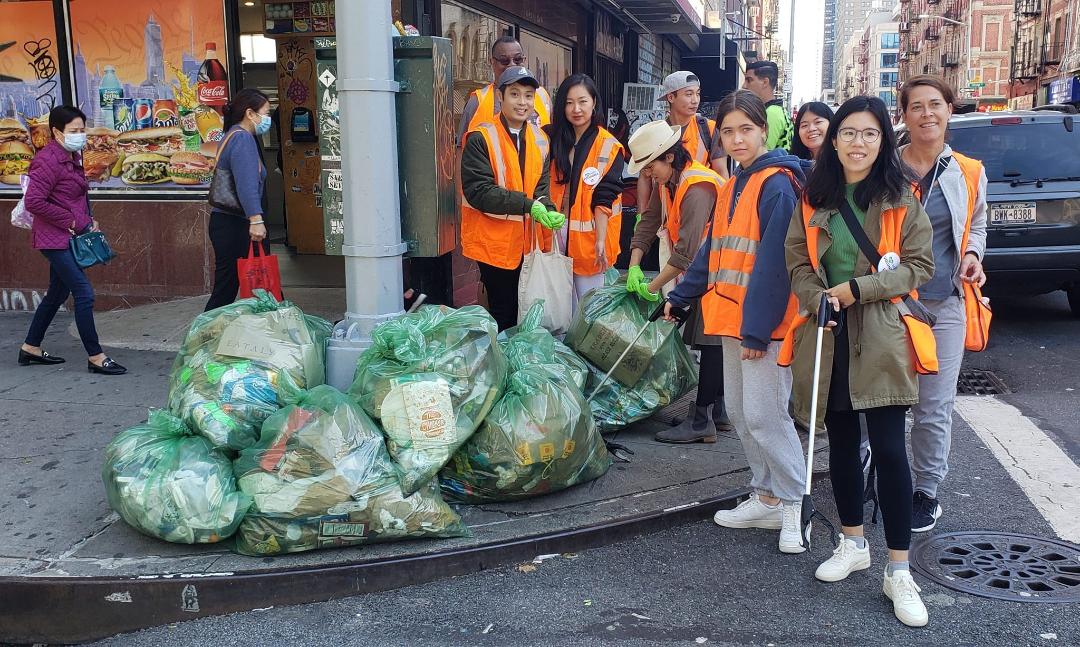
Thank you to Sokie Lee and her “Clean Up New York City!” Posse!
Saturday October 15th Broome Street Area got some love!
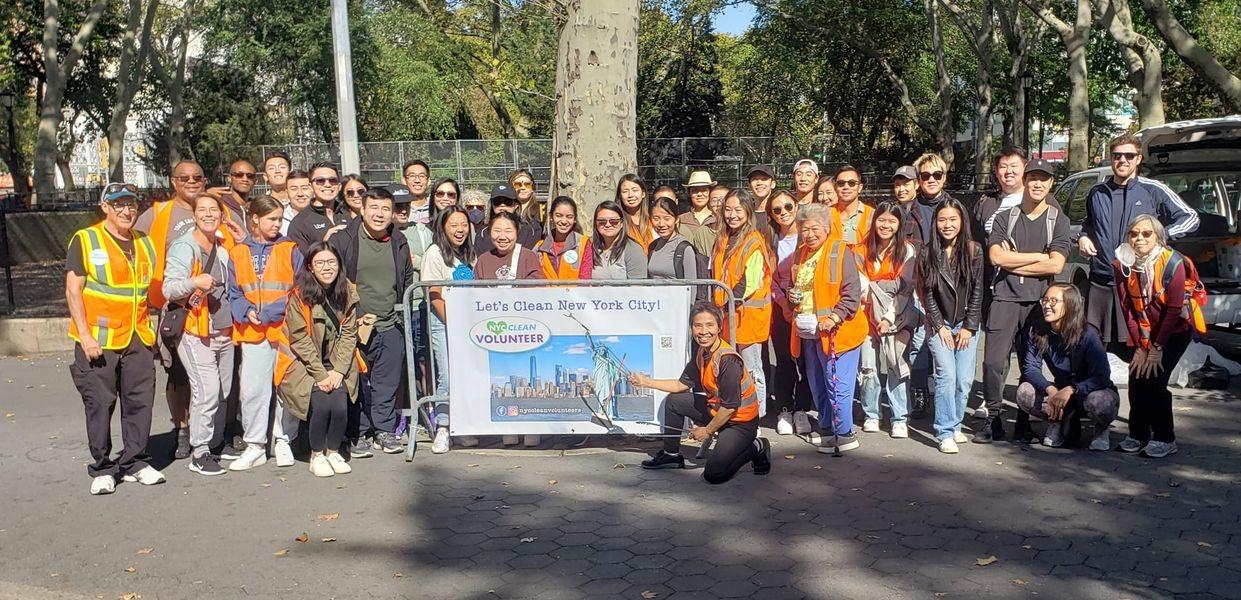
Once again, from Sokie Lee to her posse:
“Thank you to @Meta and @Uber for sending their teams and supplying refreshments. Ongoing gratitude to our partner, the NYC Department of Sanitation Foundation, for supplying the equipment.”
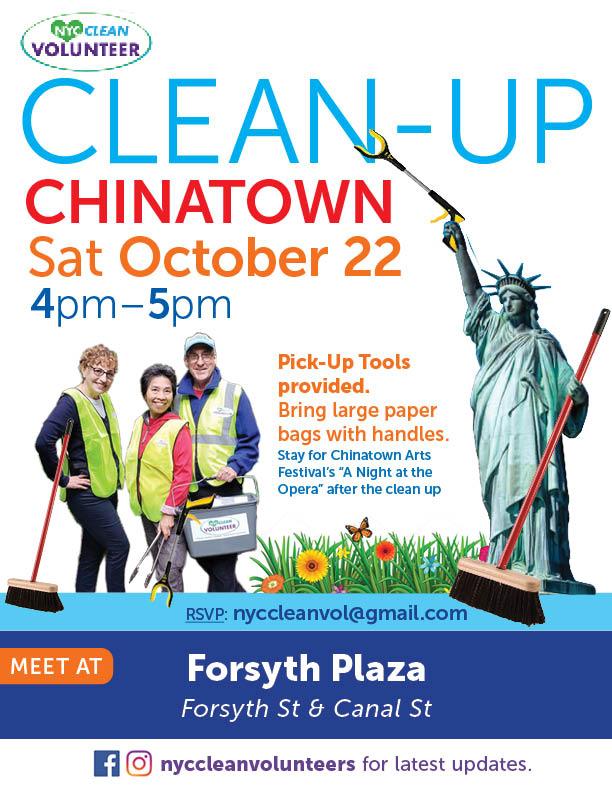
And next adventure! Forsyth Plaza – Saturday October 22nd!
Sokie: “We are helping ThinkChinatown! with a clean-up of the upper Forsyth Plaza before “A Night at the Opera,” a performance of Chinese opera at 6pm.”
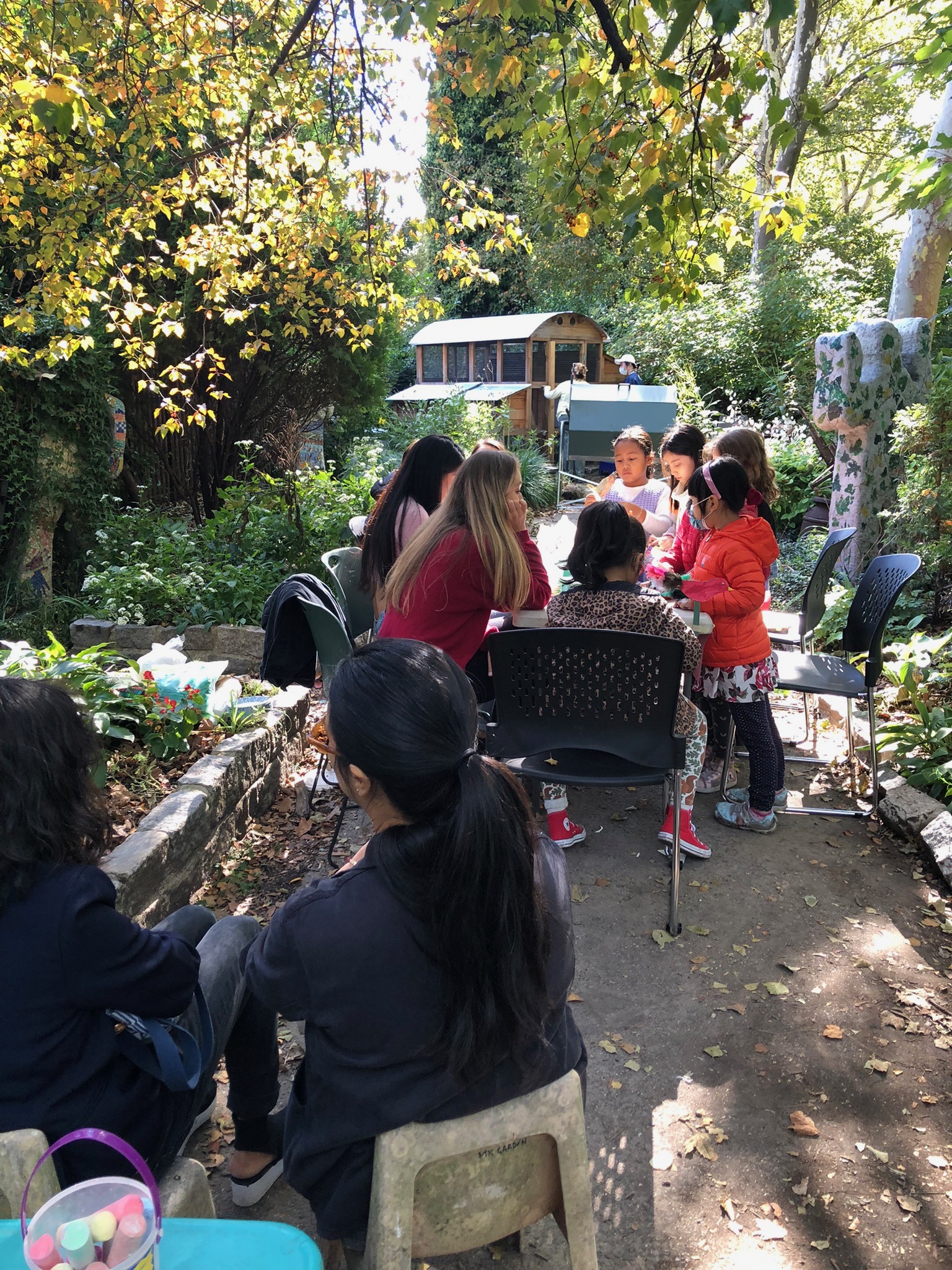
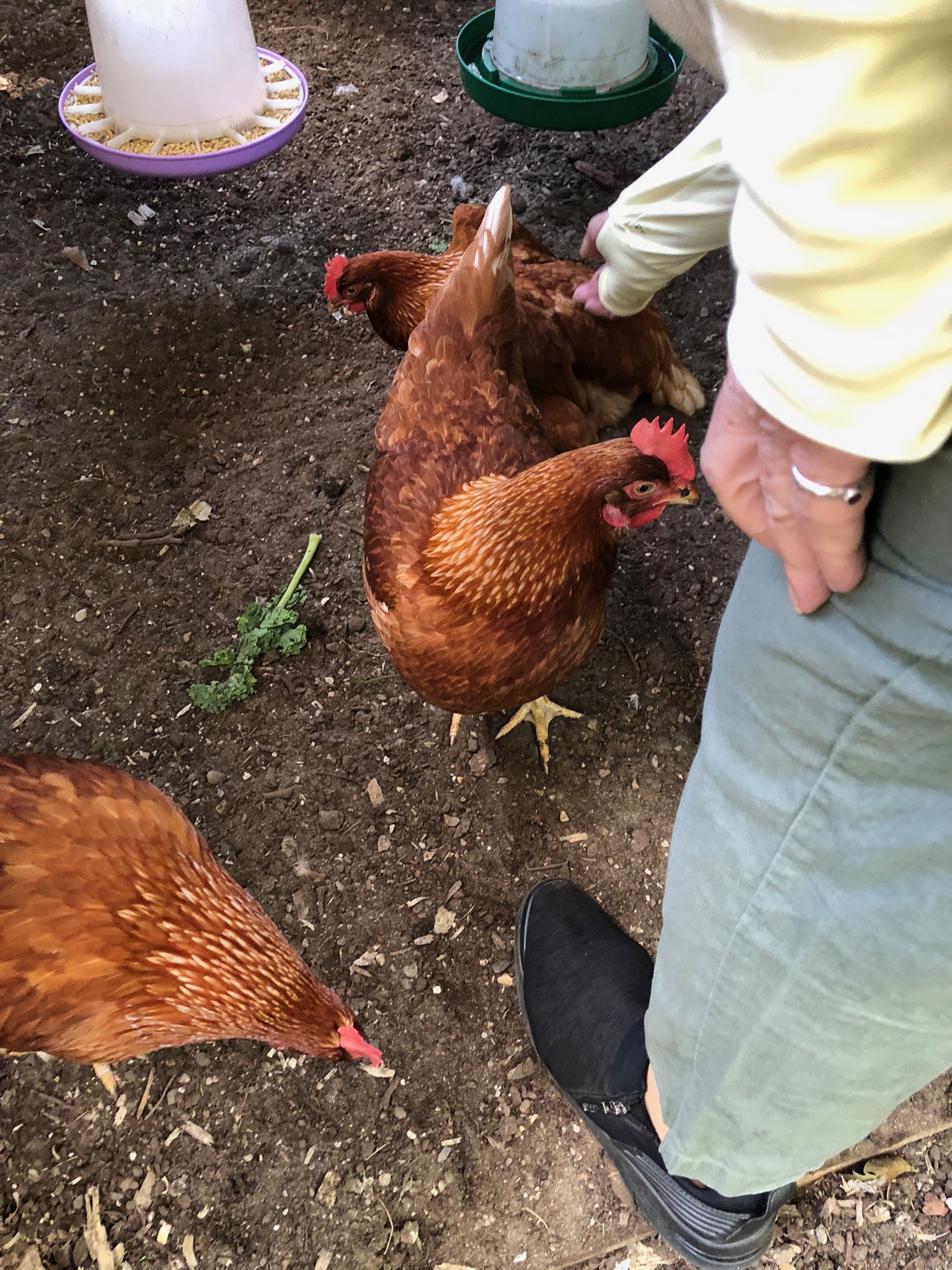
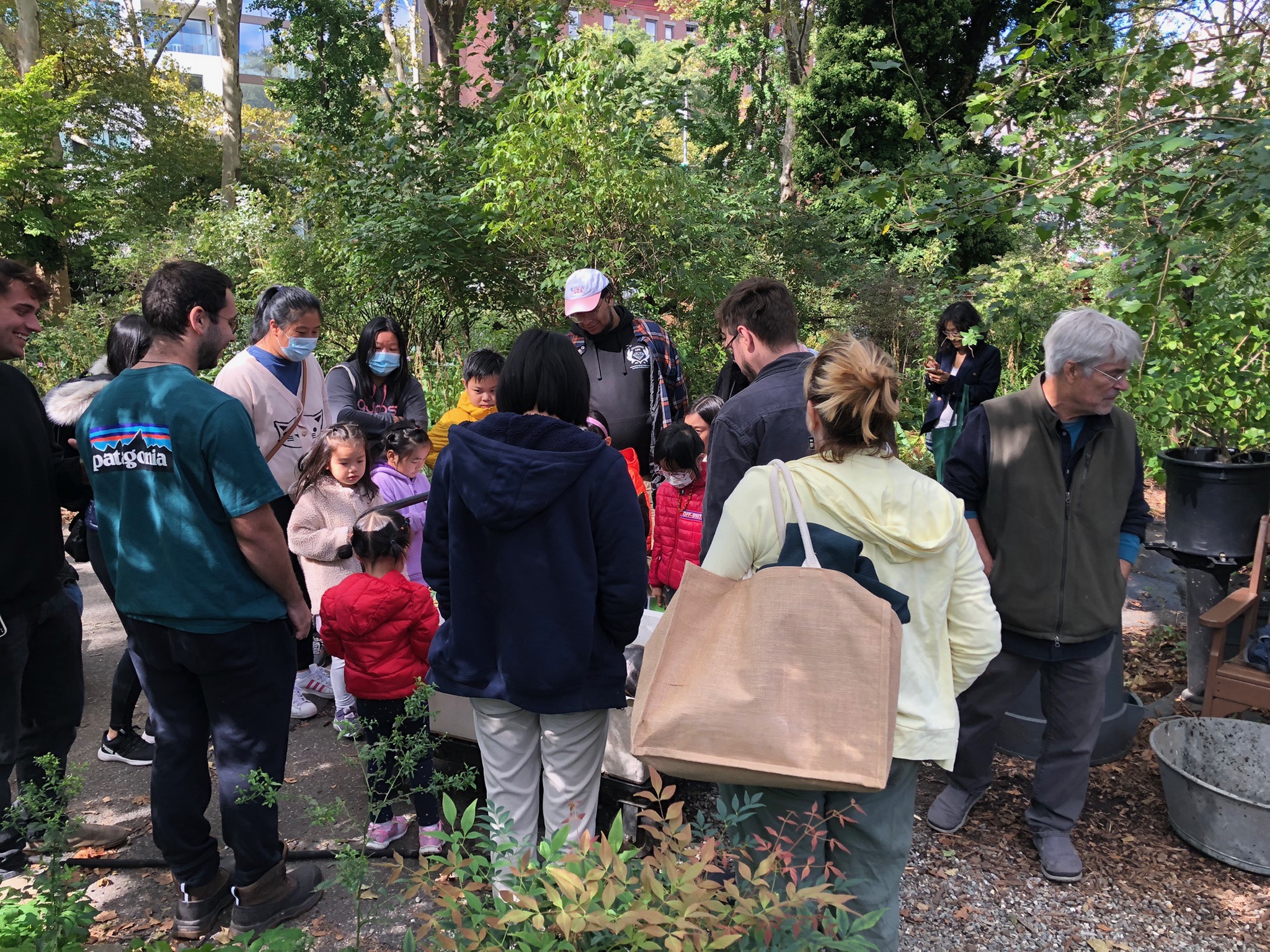
M’Finda Garden Turtles Return to Wintering Quarters and Bird Day!
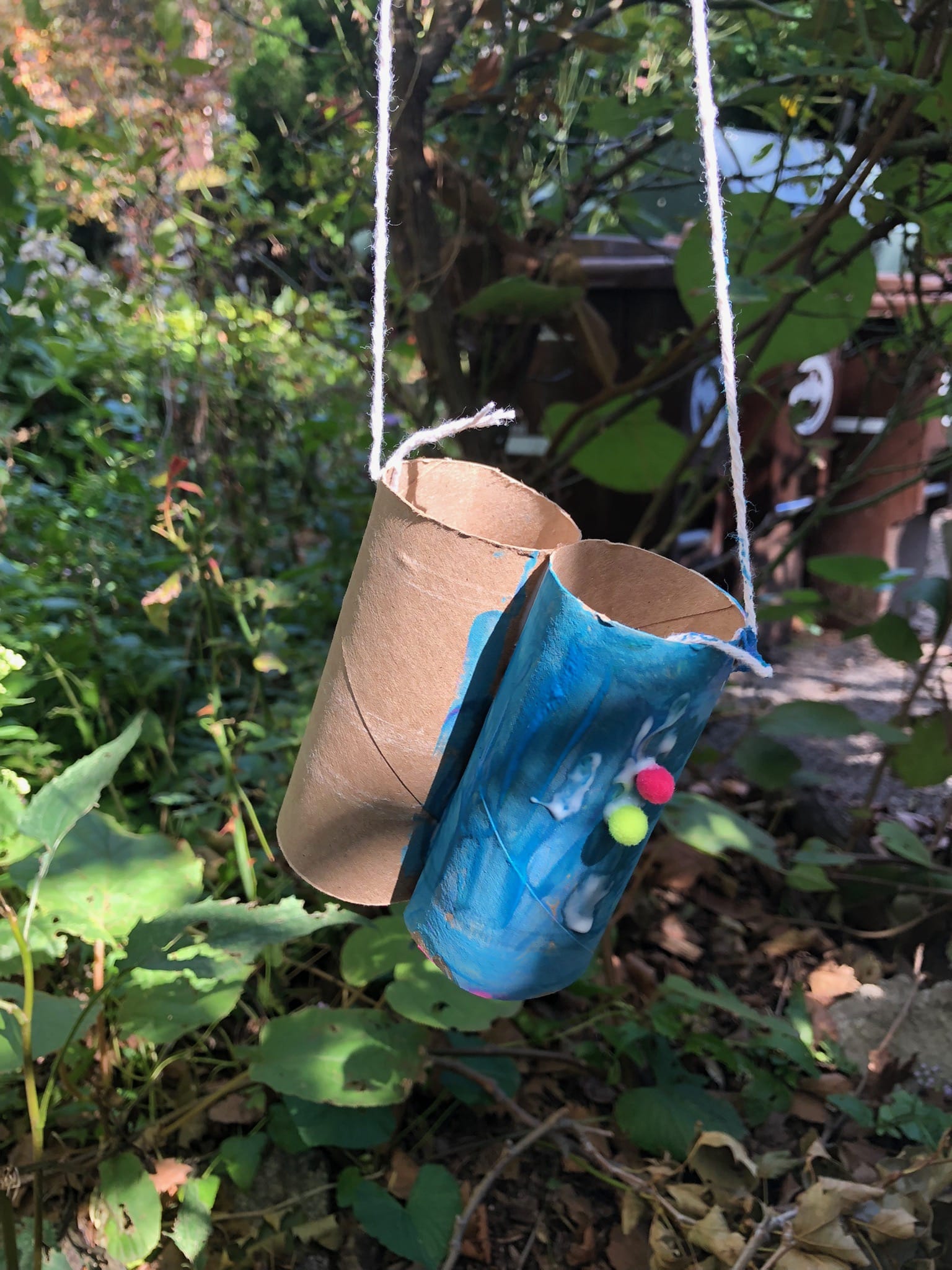
Thank you Elizabeth, the 3 Jens, Alisanne, Bud! And Ted, Richard, Chao, Leo, Shane, Jane and so many others!
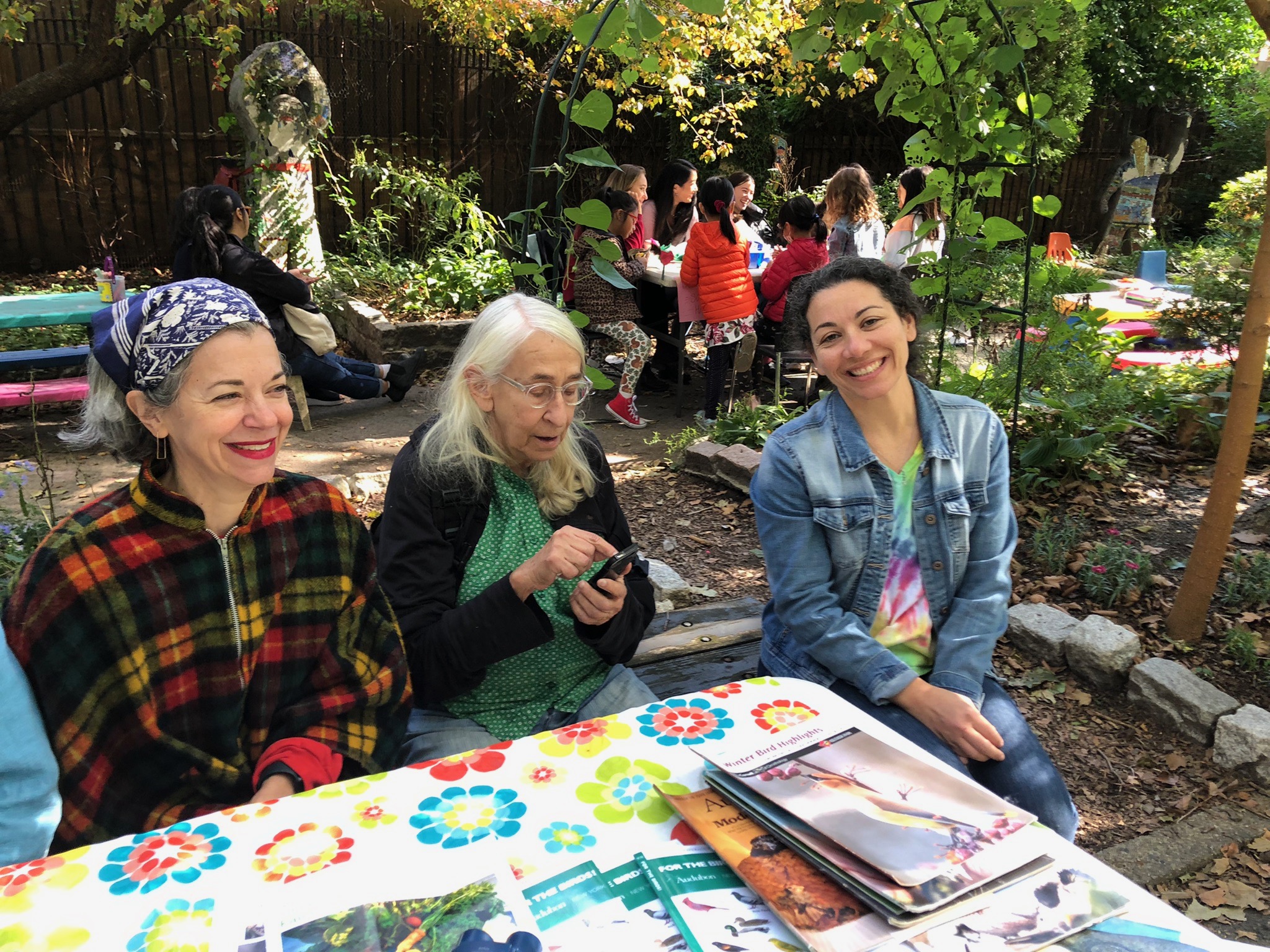
Birds!
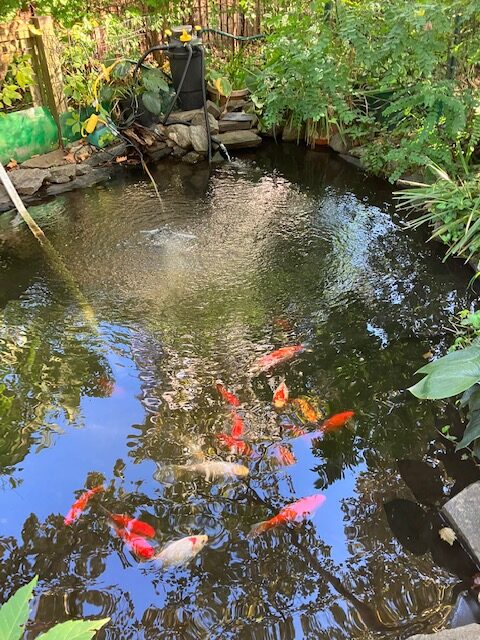
Turtles!
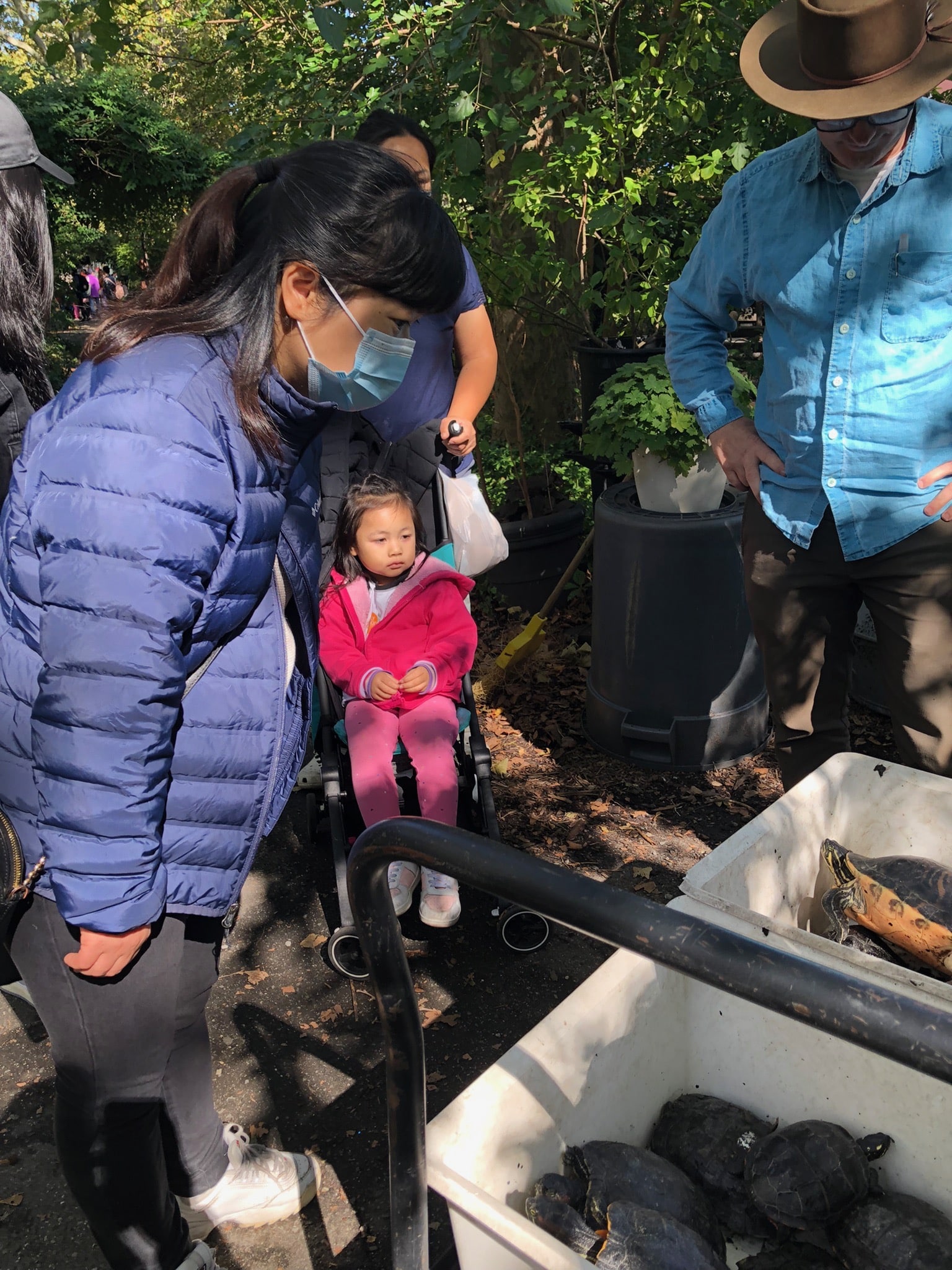
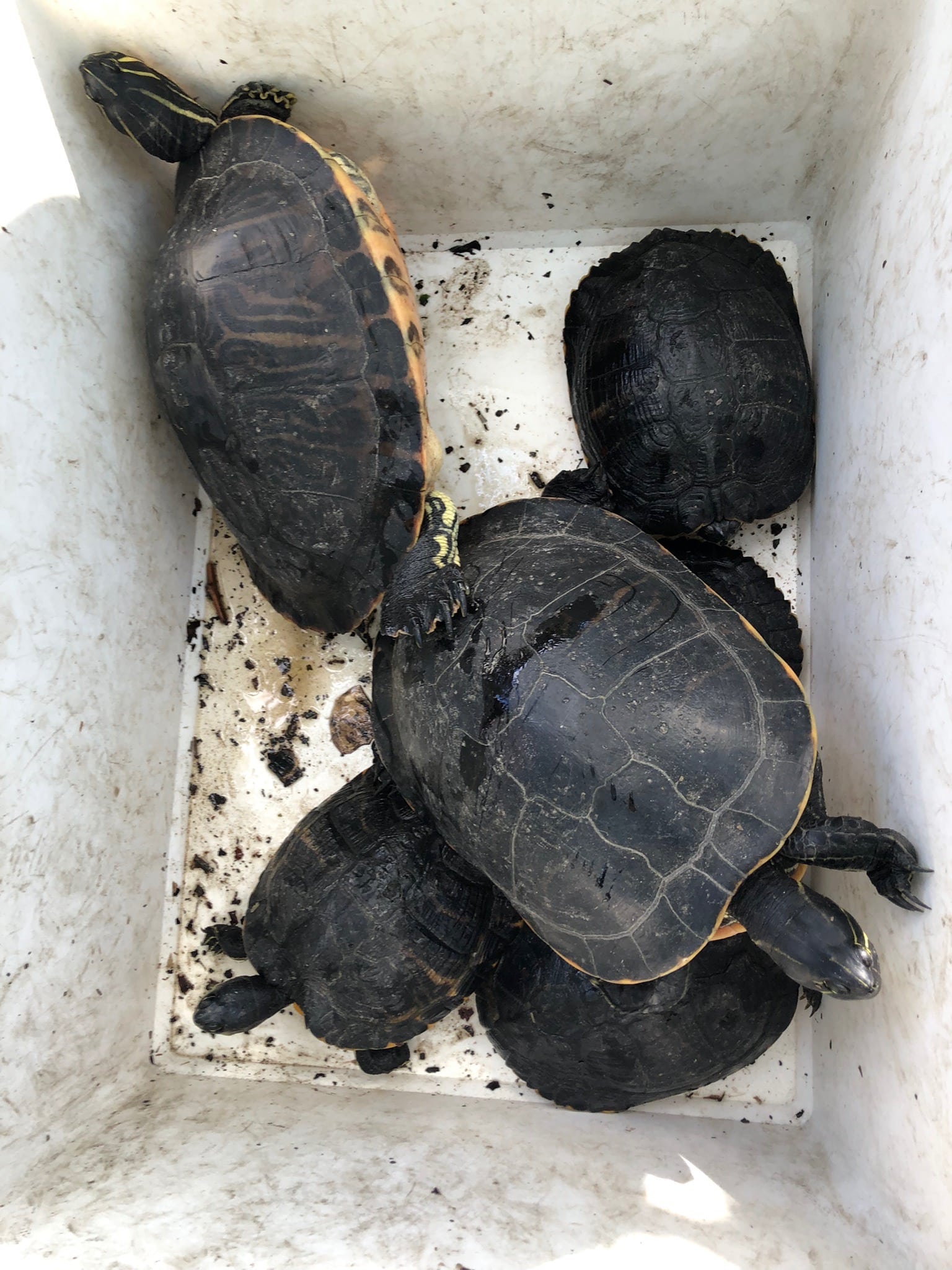
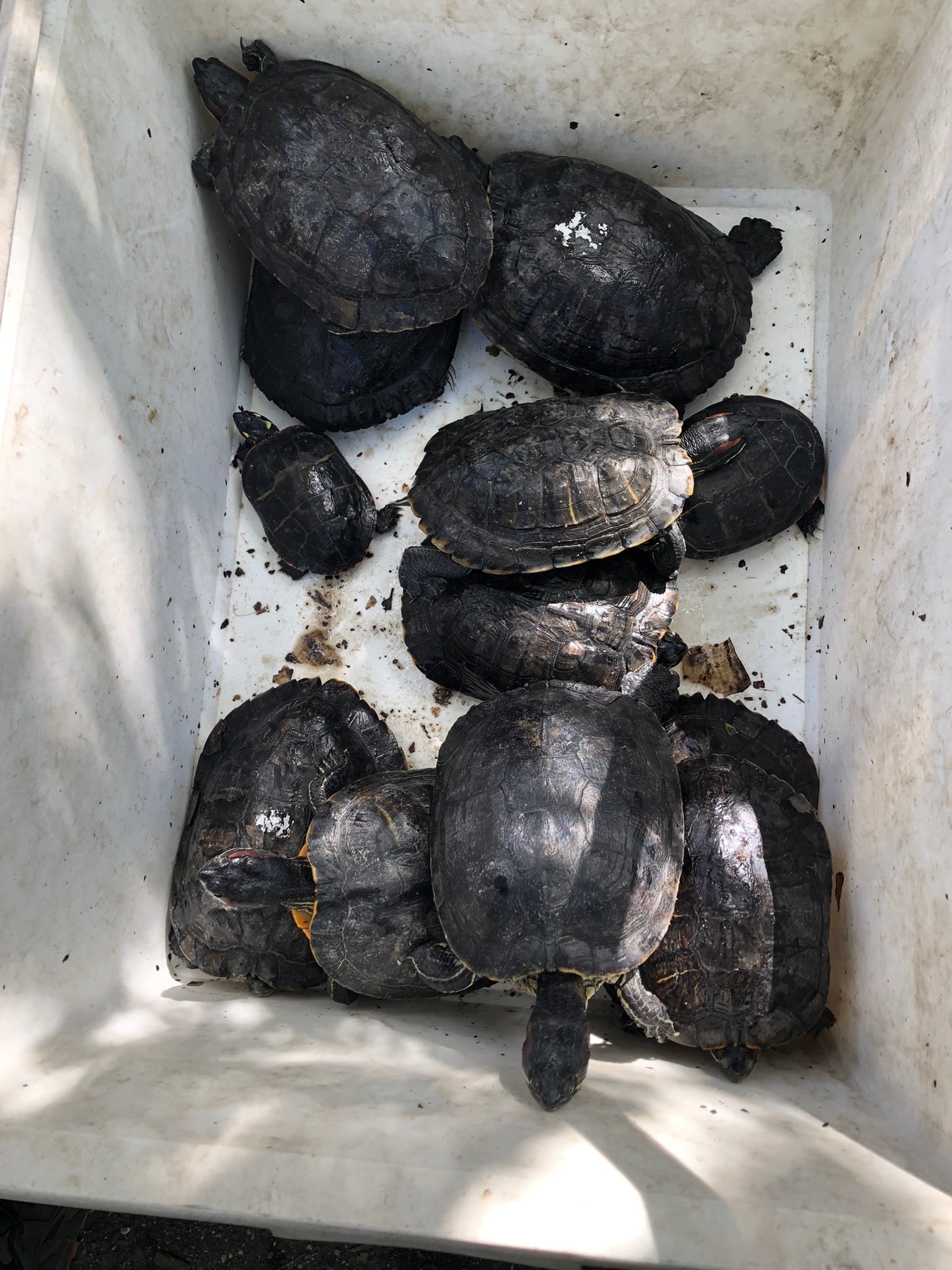


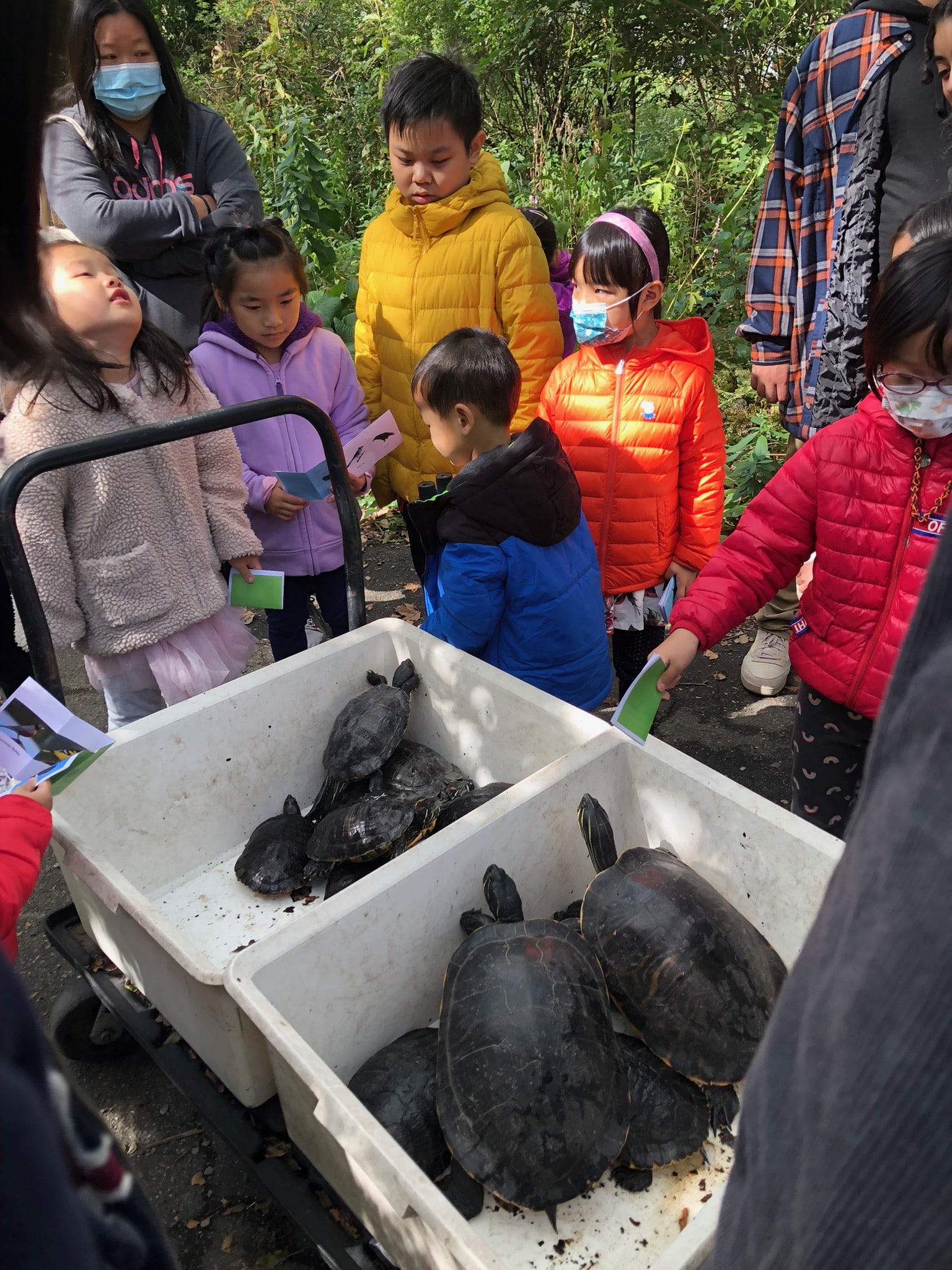
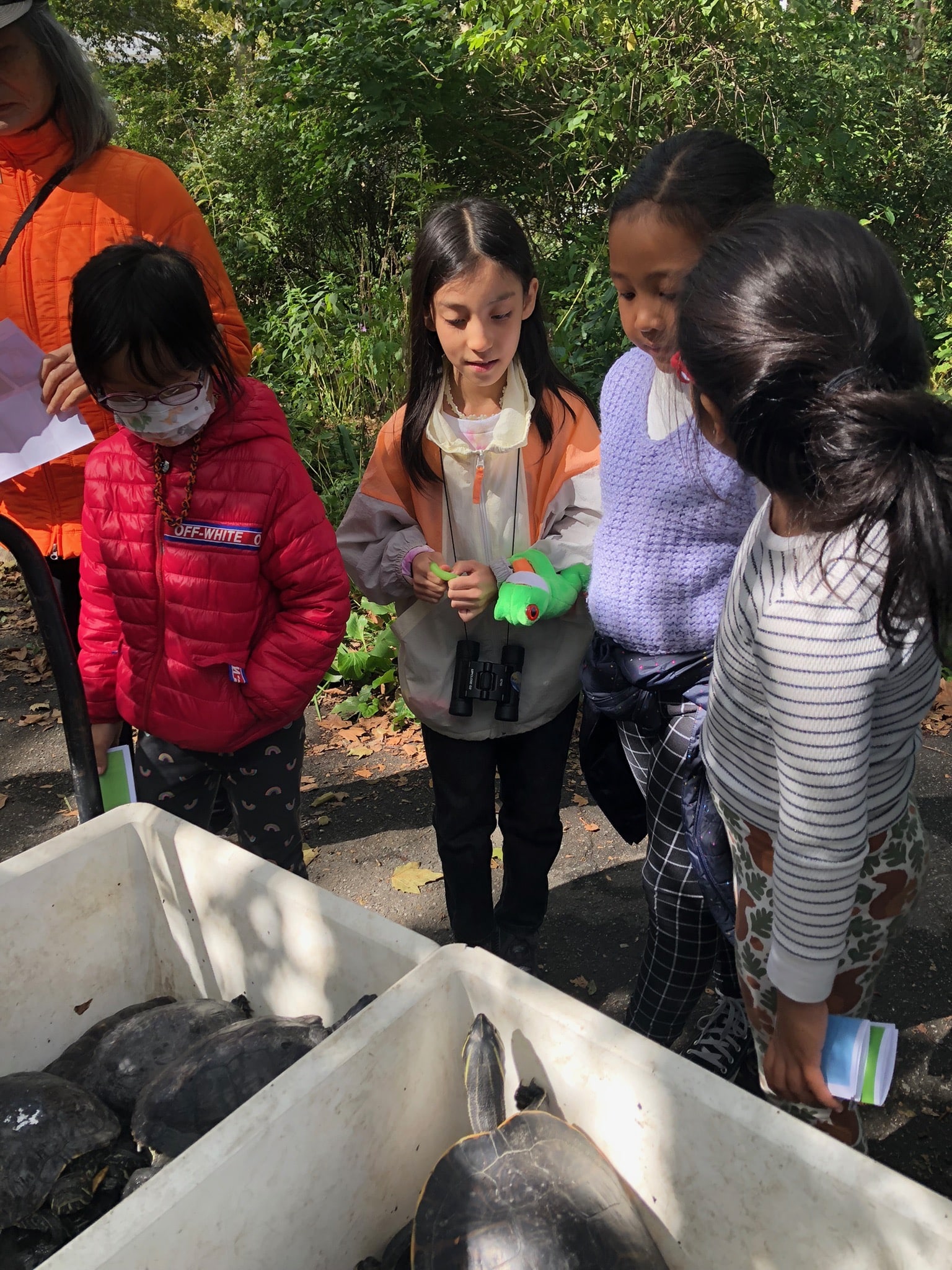
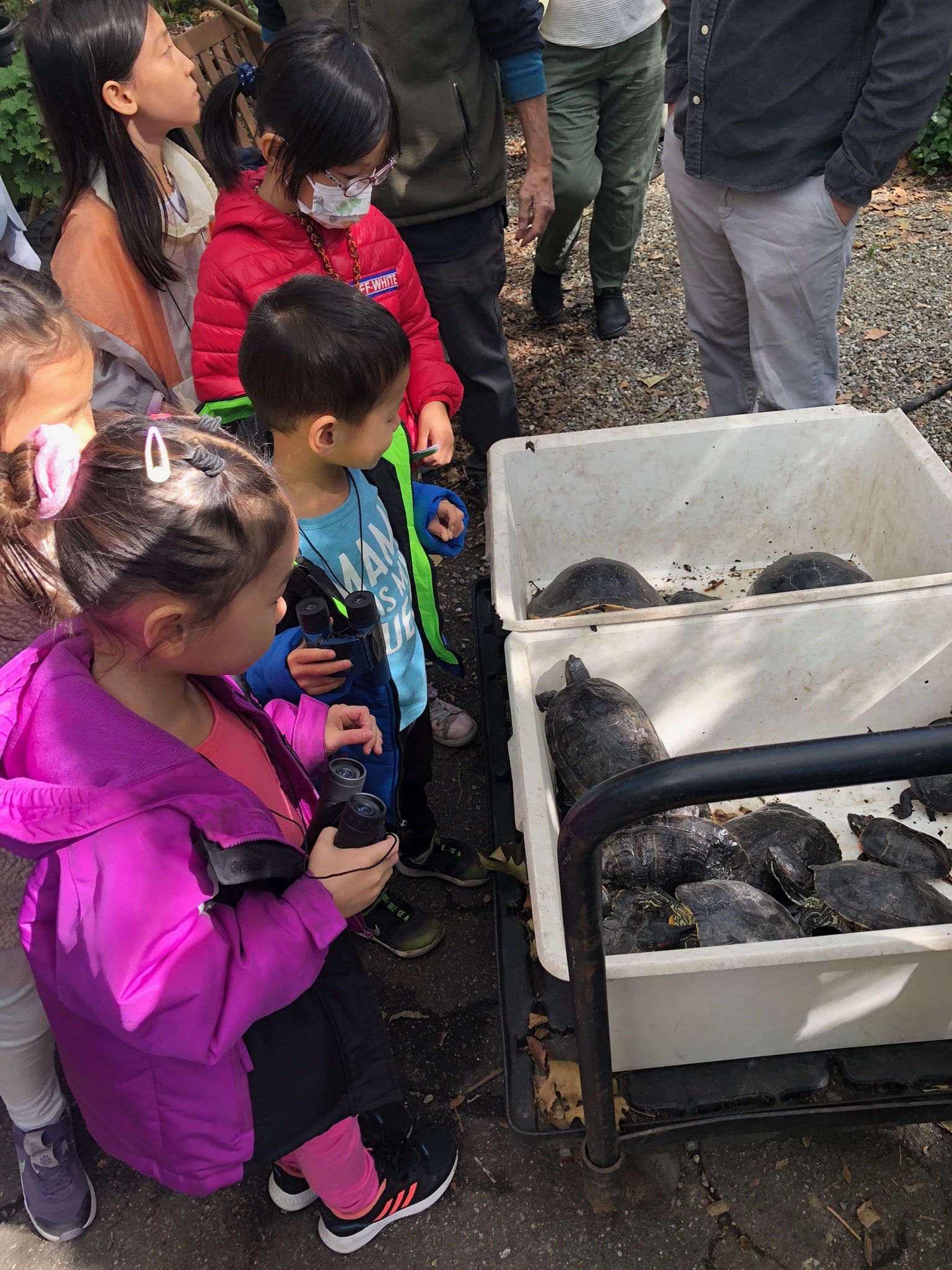

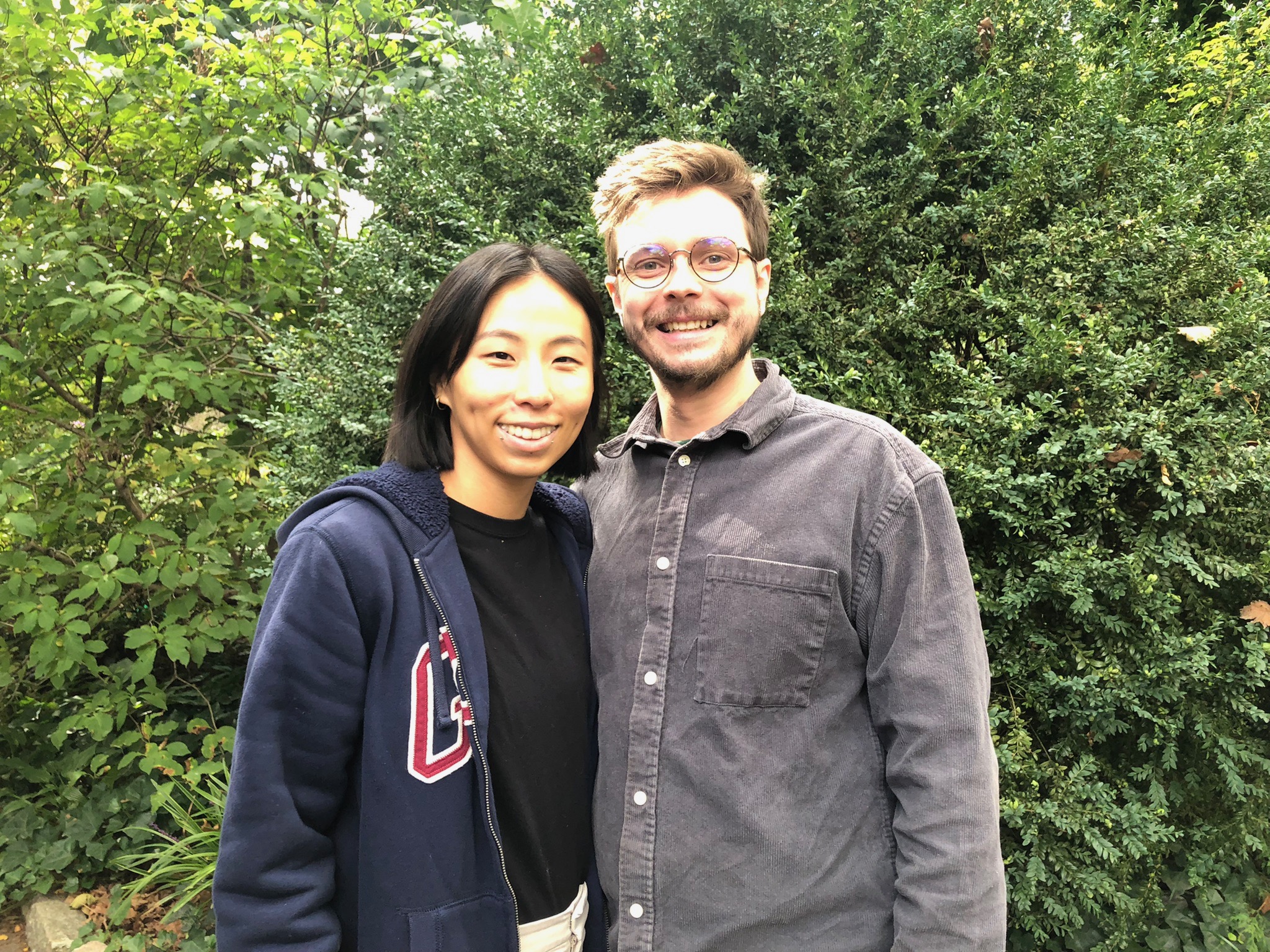
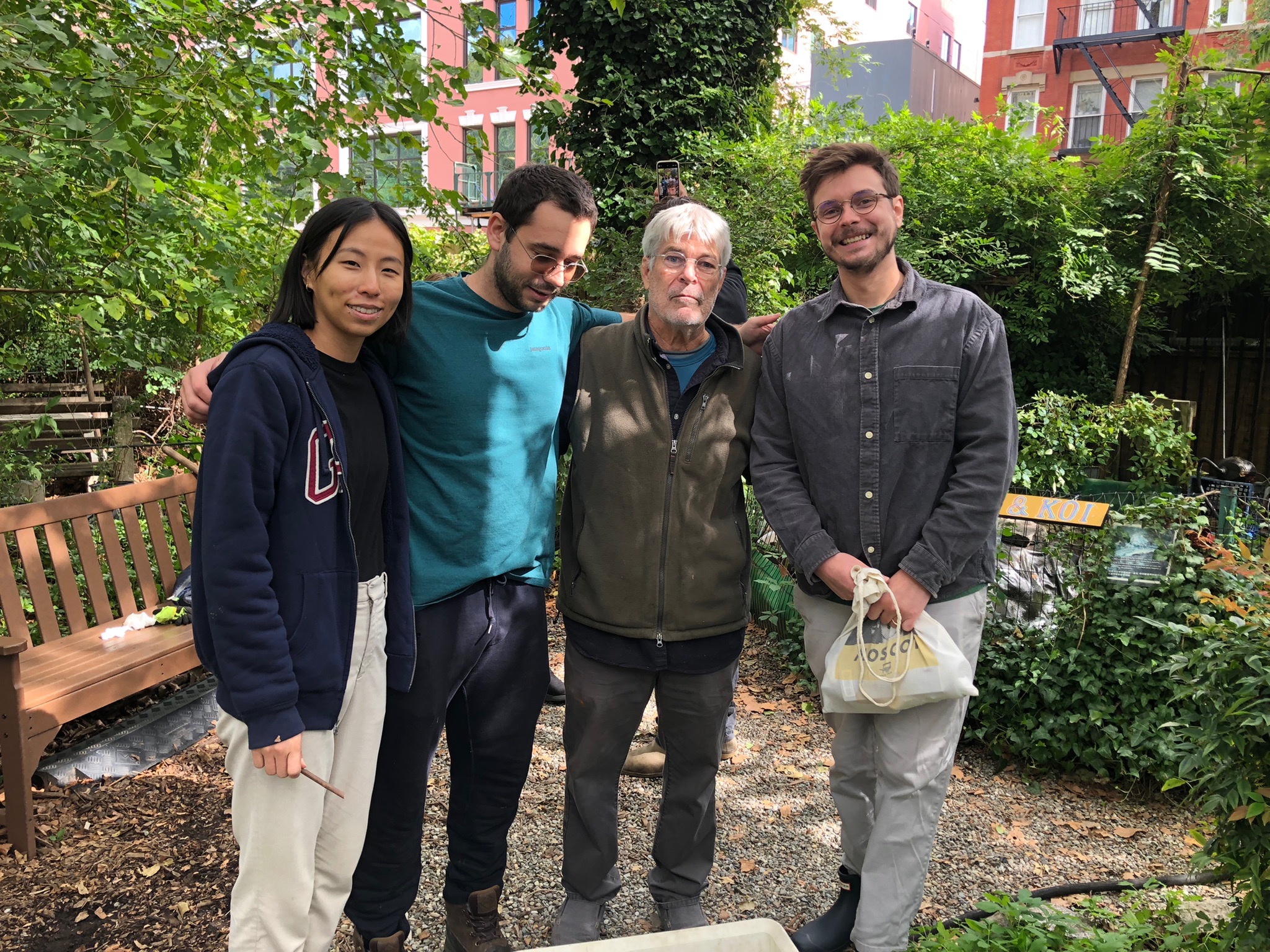
And Turtle wranglers!
Rivington House Memorial Garden
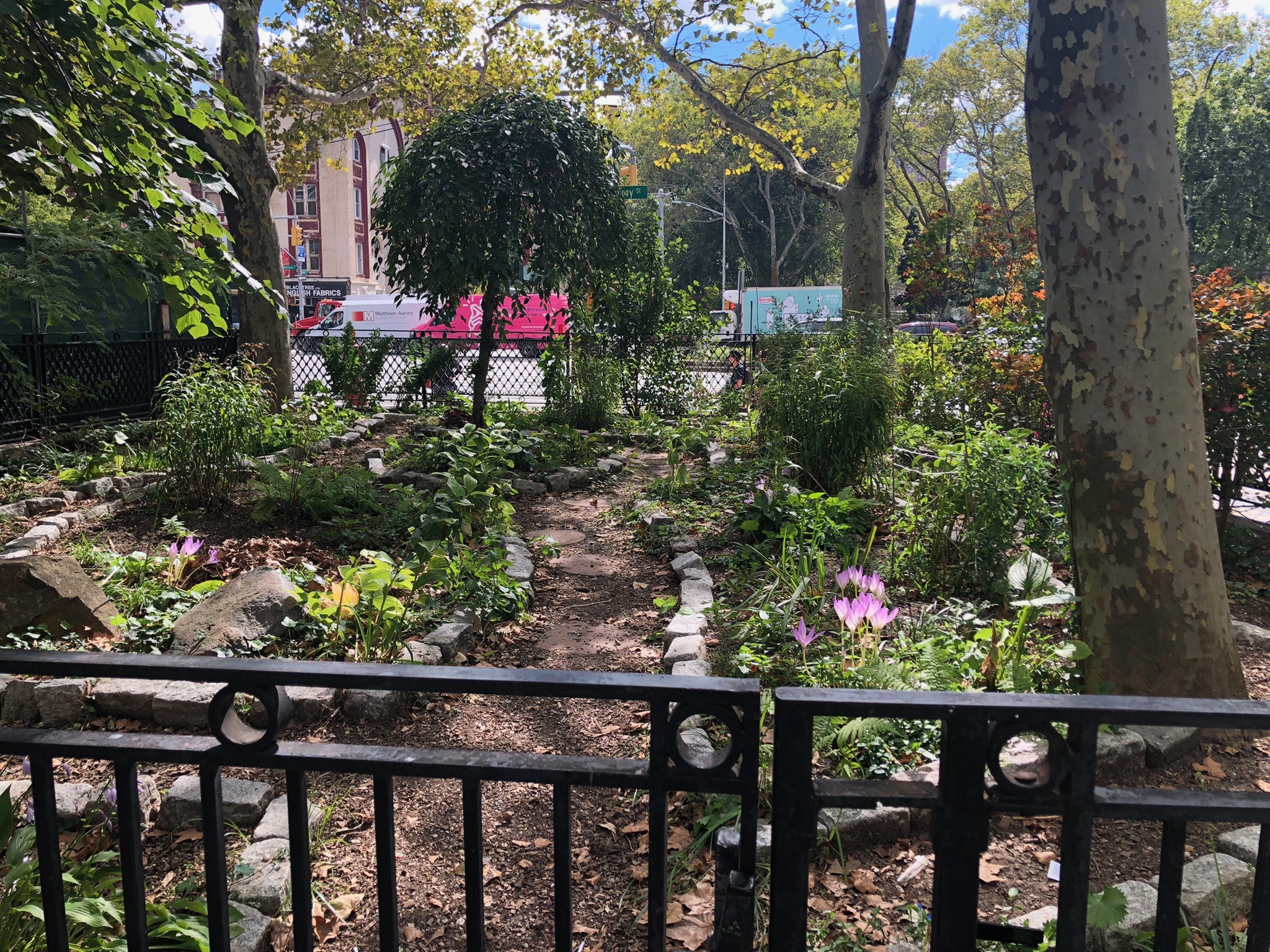
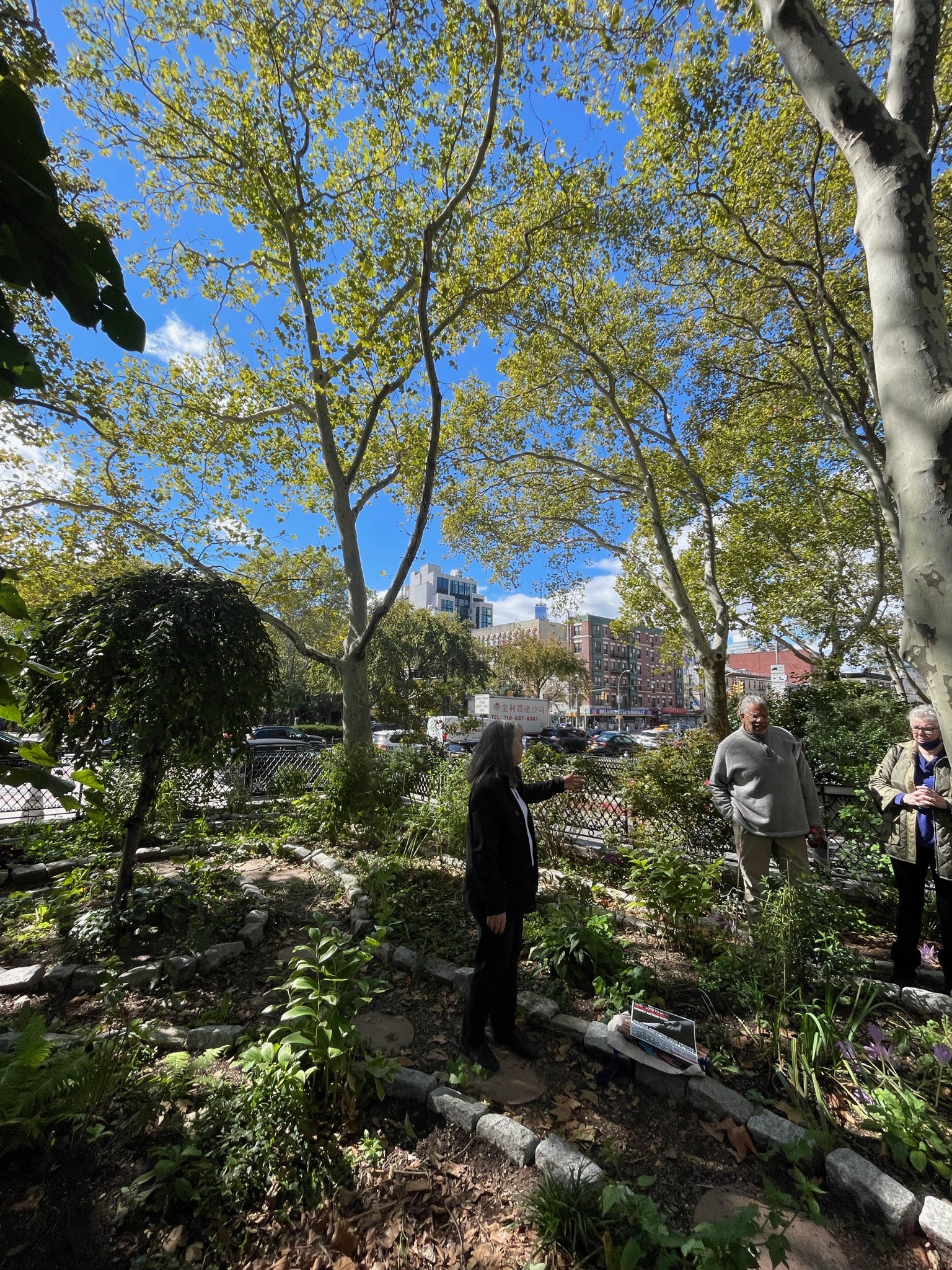
The garden plot on Forsyth and north Delancey in Sara Roosevelt Park shall henceforth be known to us as the Rivington House Memorial Garden.
Volunteer gardeners are welcome to help maintain this plot. Please contact this email address to be put in touch with Rob, the Gardener who has been caring for it.
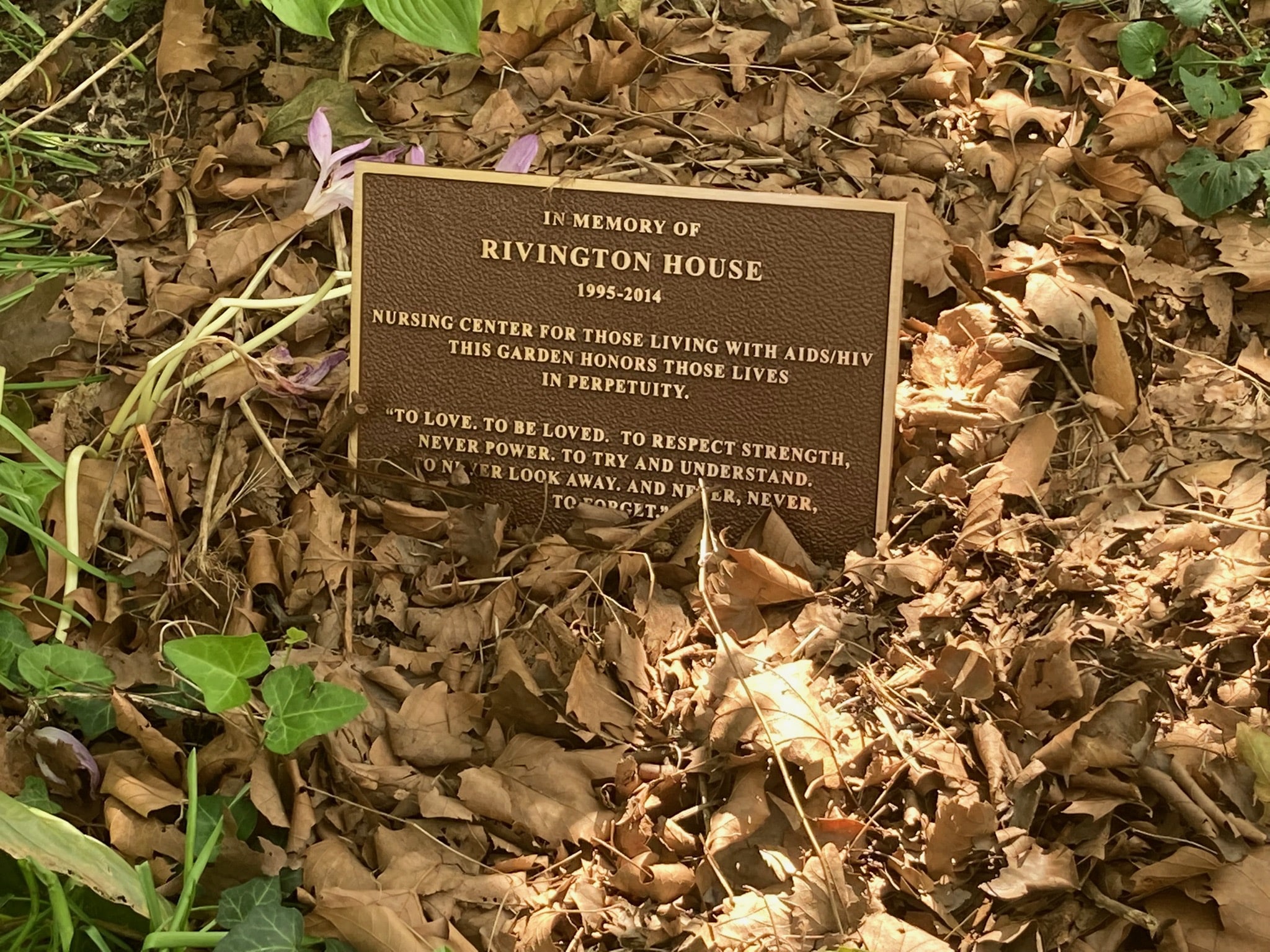
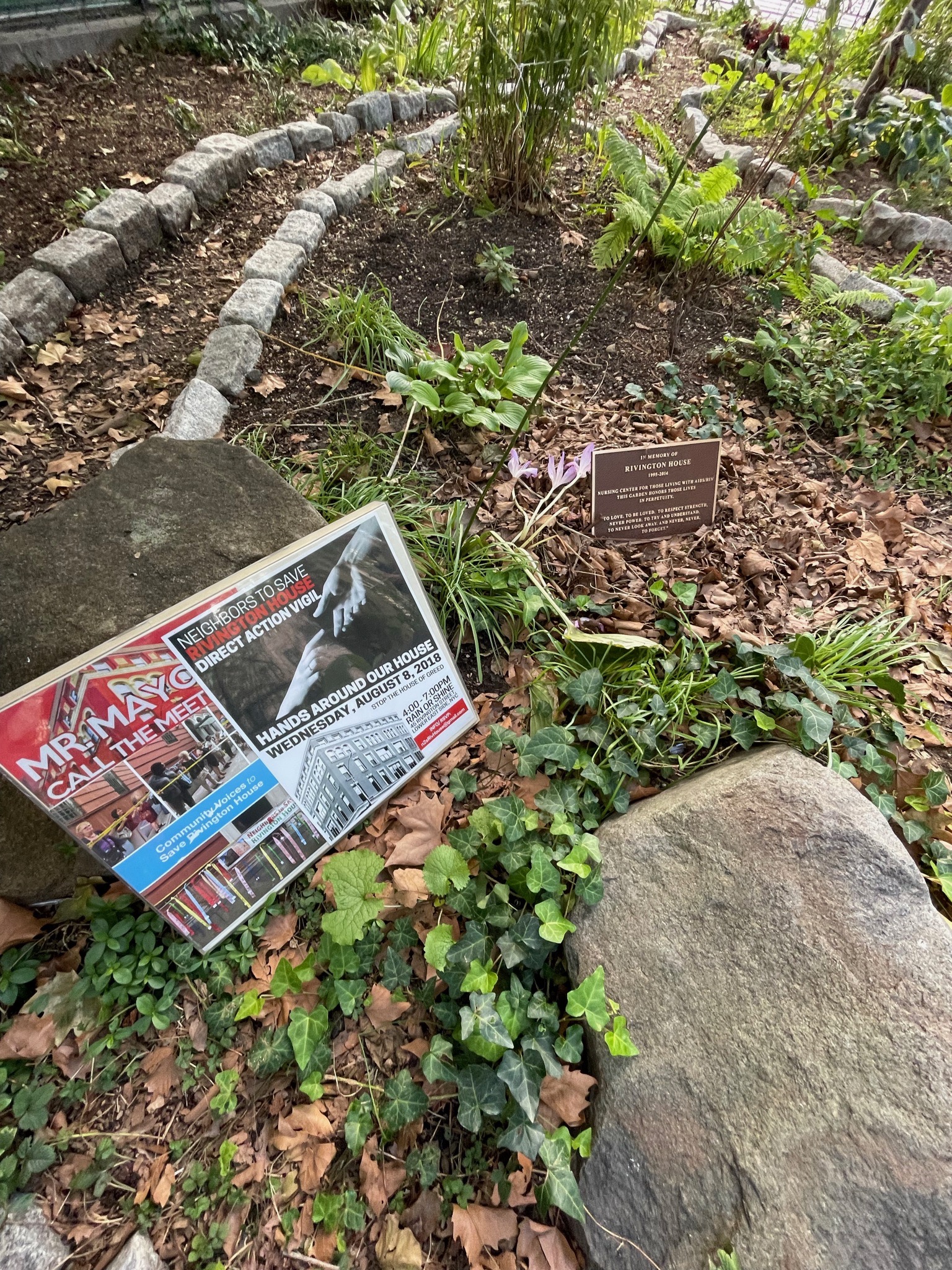
In Memory of Rivington House 1995 -2014 Nursing Center for those living with AIDS/HIV. This garden honors those lives. In perpetuity.
“To love. To be loved. To respect strength, never power. To try and understand. To never look away. And never, never, to forget.” – Arundhati Roy
Rivington House Memorial and Garden
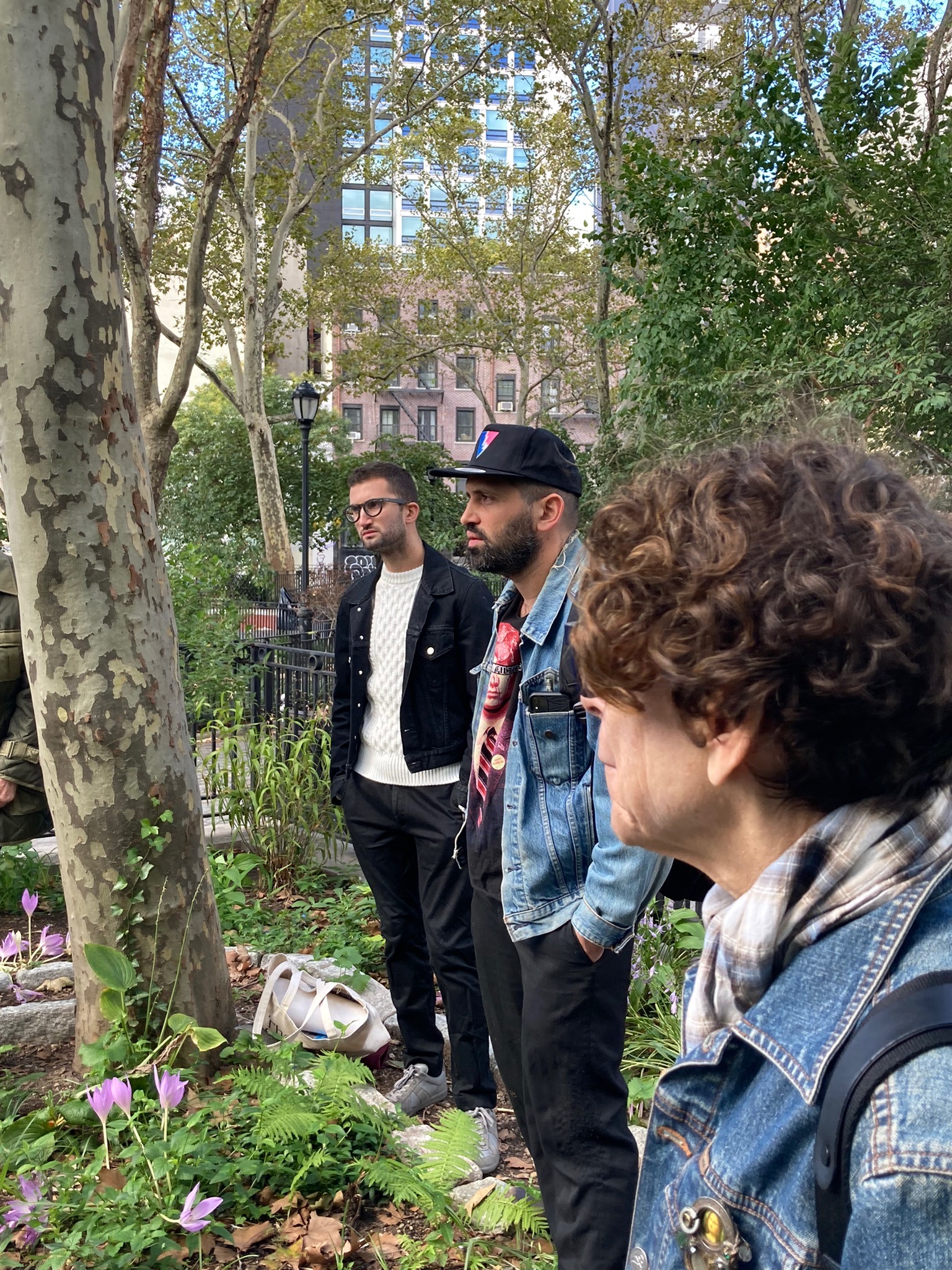
Val Dickerson spoke and a plaque was unveiled to the memory of the residents and workers, the neighborhood, every ally, media, elected reps, and all organizations that stepped up to welcome and preserve this state-of-the-art HIV/AIDS nursing home facility.
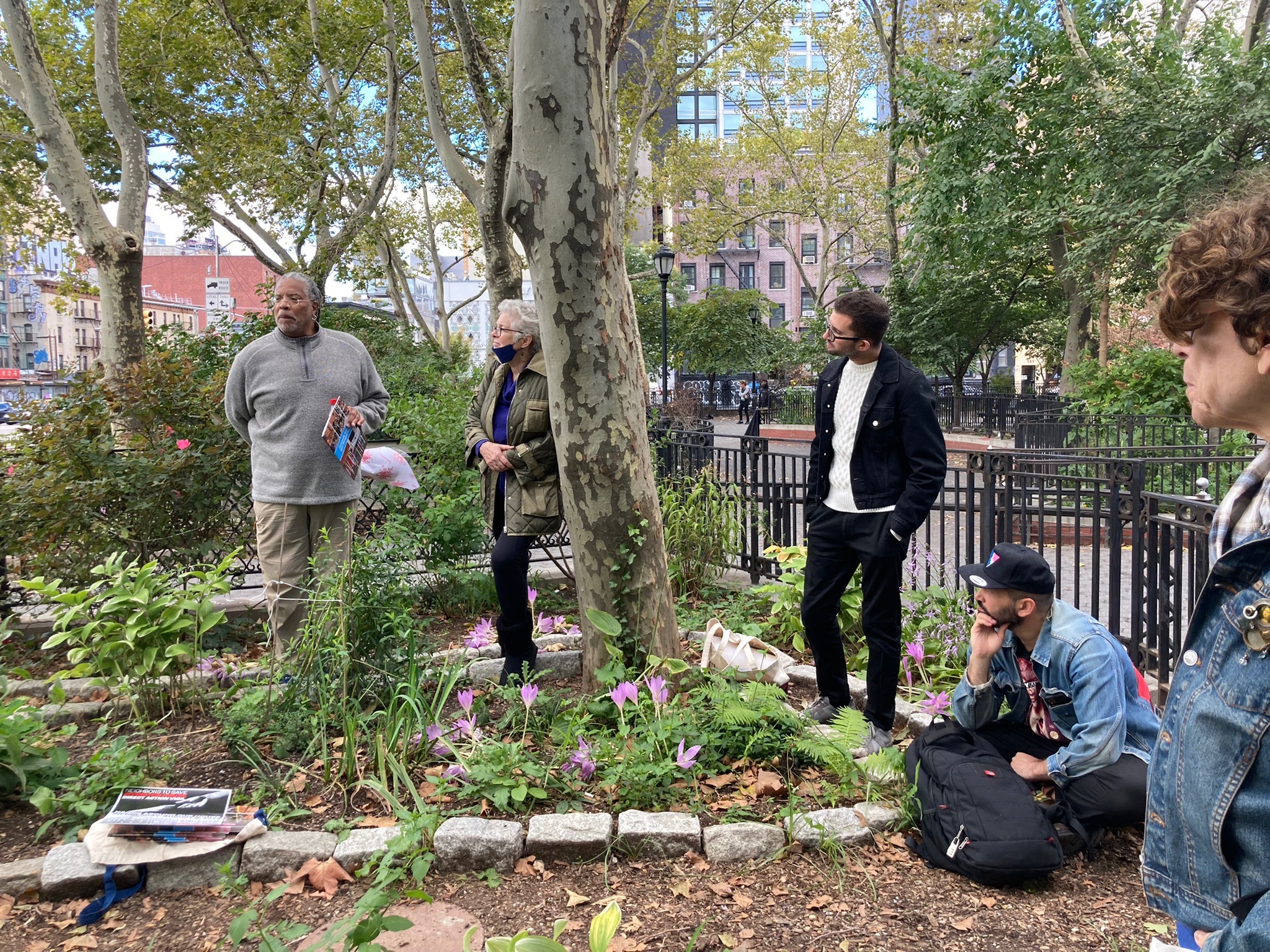
We miss our former neighbors and are sorry we could not bring them back to their home and retain a nursing facility sorely needed in this community. For a glimpse of life inside, see Fury Young’s film on Alexander Pridgen.
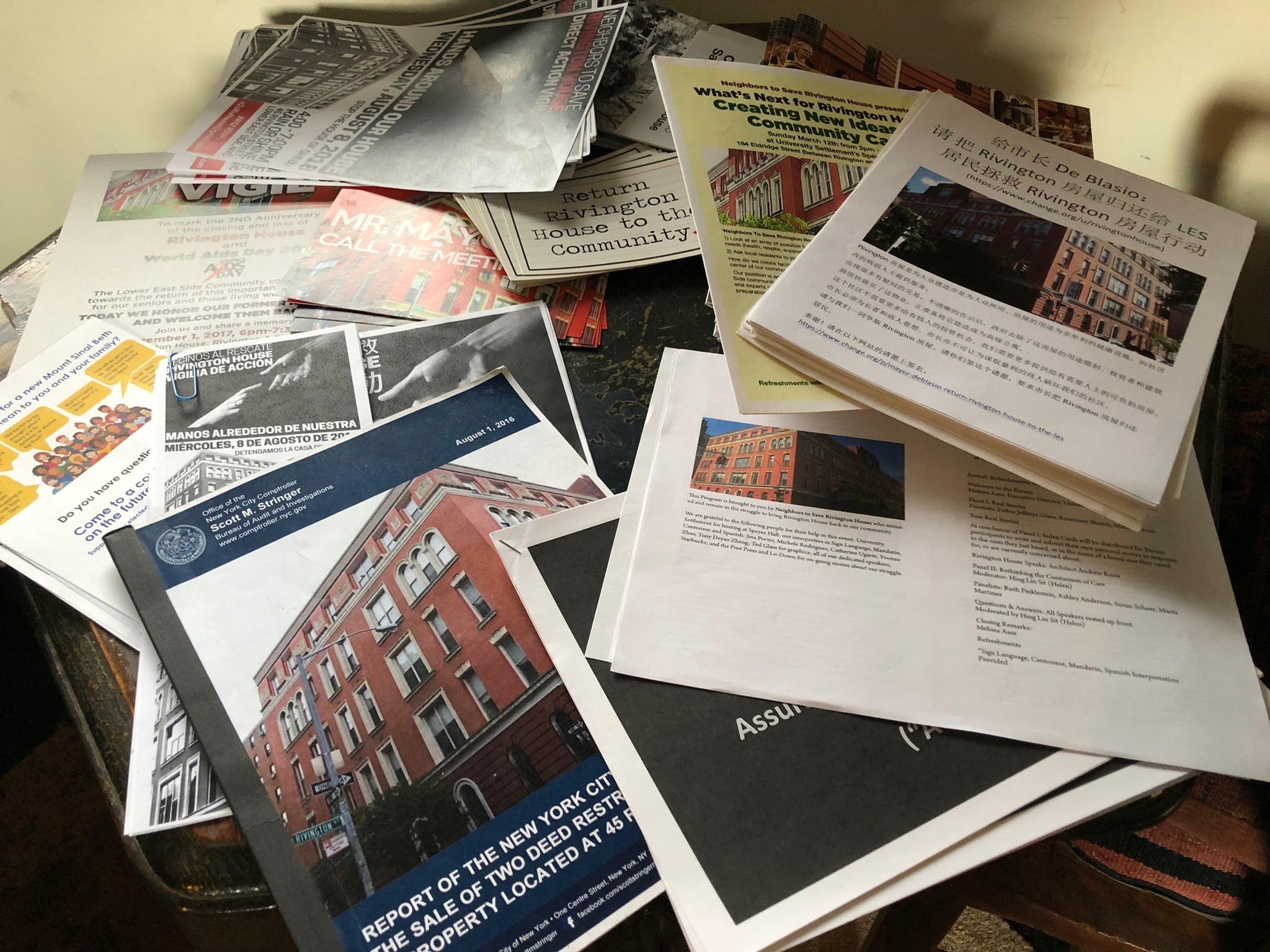
This brings our efforts as Neighbors to Save Rivington House to a close. We thank all of those who helped in this fight to retain the building, the public’s building, as a health care facility, in perpetuity, as the deed promised.
The infamous Allure Group was required by the Attorney General’s office to provide restitution to this neighborhood. Given their history and the reality and their performance elsewhere during the pandemic, we do not think the Allure Group is capable of running a caring nursing home – particularly for the demographic this building served.
The Sara Roosevelt Park Community Coalition welcomes Mount Sinai’s Behavioral Health Center as our new neighborhood partners.
-The Steering Committee of The Neighbors to Save Rivington House



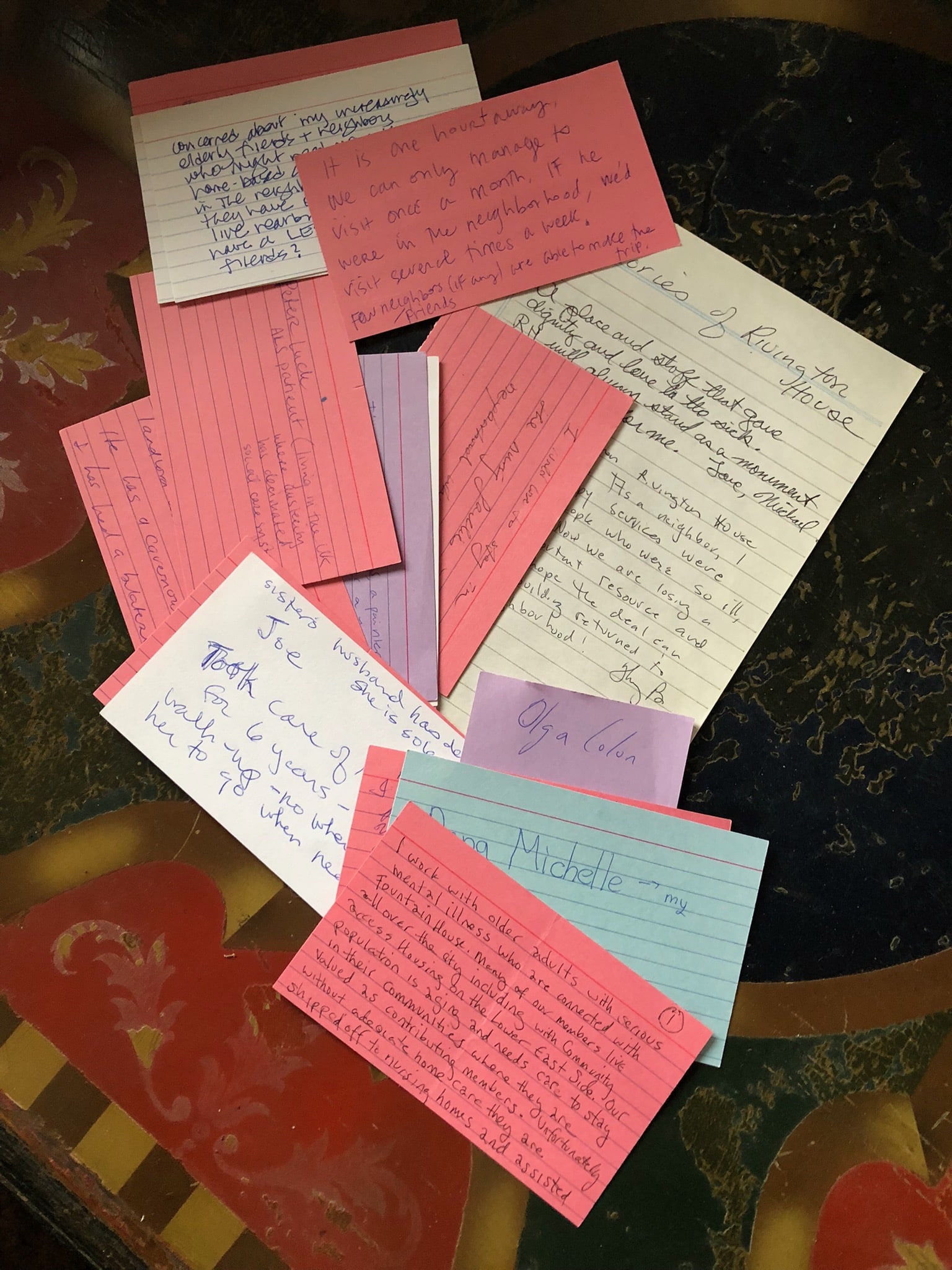
A few quotes from our neighbors on why they joined to support the effort.
A place and staff that gave dignity and love to the sick.
RH will always stand as a monument to compassion for me
Love,
Michael
I remember when Rivington House was being built. As a neighbor, I was so happy services were available to people who were so ill, right nearby. Now we are losing a huge and important resource and it’s so sad. I hope the deal can be undone and the building returned to serve our neighborhood. – Shy Pa?
Olga Colon.
I would love to stay in the nursing facilities in my neyborhood [sic] when I get old.
Rosies mother, Elena Is dying of metastatic cancer. She wants to stay home – in Brooklyn. She can no longer stand at all, but will not get into the hospital bed hospice has provided. She knows if she gets in the bed she will never get out. Rosie cares for her mother 24/7. She took unpaid leave from her job. She will quit her job if her mother stays alive longer than her legally required (unpaid) family medical leave. The trouble is Rosie’s 4 sons (taken care of by other family members) are beginning to miss their mom – to have trouble sleeping, with homework, etc. And her mom’s needs are beginning to exceed Rosie’s skill and comfort.
My grandparents cared for my adult uncles until my grandparents could no longer care for them. My uncles have been in nursing care since. As a result, I’ve never known them.
I’ve worked for my boss, a painter in the neighborhood, for a year. I listen to her every day as she fights on the phone for countless hours to have insurance cover in-house care for her 97 year old mother, who lives nearby. Upon finding, finally, coverage plus paying out of pocket, her mother fell getting into bed and broke her hip. She is now in Village Care and is in a lot of pain – in addition her dementia is worsening and putting a real strain on my boss, her 66 year old daughter. My boss has become like family to me and this situation has opened my eyes to the terrifying reality that elderly face in a city so ill equipt to provide for them and their families.
My friend Tyler lives on Rivington Btw Eldridge and Forsyth, with a landlord who harasses him continually. He has a cavernous angioma and has had a bilateral knee replacement. Tyler grew up in this neighborhood, attended Seward Park HS and has lived in his apartment for almost 40 years. He is just one person who needs Rivington House returned to the community.
Dana Michelle – my little sister.
Peter Luck – ALS patient (living in the UK where austerity has decimated social care system).
I am concerned about loosing [sic] Medicaid wich [sic] would cause me to loose [sic] homecare and return to homelessness.
Joe Hubbard.
Concerned about my increasingly elderly friends and neighbors who might need more than home-based care. Where in the neighborhood will they have opportunity to live nearby so they still have a LES life with same friends?
Our friend and building super for nearly 20 years, someone who has lived and worked on the LES since the 1960’s, has been in Rehab facility since October. It is one hour away. We can only manage to visit once a month. If he were in the neighborhood, we’d visit several times a week. Few neighbors/friends (if any) are able to make the trip.
Joe Hubbard, as mentioned. Lots of us as we age and struggled to stay in our community.
Debra G. Brother & mother
Sister’s husband has dementia – she is sole caregiver, Joe. Took care of mom for 6 years in a 4th floor walk-up. Nowhere nearby for her to go when needed.
My name is Almado Bryan
I thank at Rivington House for 10 years from 2004 to until 2014 before it was close and I am out of a job. Since so I would like to see Rivington House reopen as a nursing home because people are getten [sic] and needs nursing care and I am looking forward to see it reopen.
I work with older adults with serious mental illness who are connected to Fountain House. Many of our members live all over the city including with Community Access Housing on the Lower East Side. Our population is aging and needs care to stay in their communities where they are valued as contributing members. Unfortunately without adequate home care they are shipped off to nursing homes a nd assisted living facilities far from supports that help them pursue their potential. In nursing homes and assisted living facilities they are often stigmatized and ignored by other tenants and staff. They have little connection to their peers. Connection to their communities and to acceptance is vital. Having a nursing home in the lower east side that is fully accepting of our aging population with serious mental illness connected to community is vital to the wellbeing of the LES.
Participatory Budget* Request for Sara Roosevelt Park
Participatory Budgeting* (what IS participatory budgeting? – see below)
For Stanton Building Area.
Start with Renovations that make the area safer RIGHT NOW!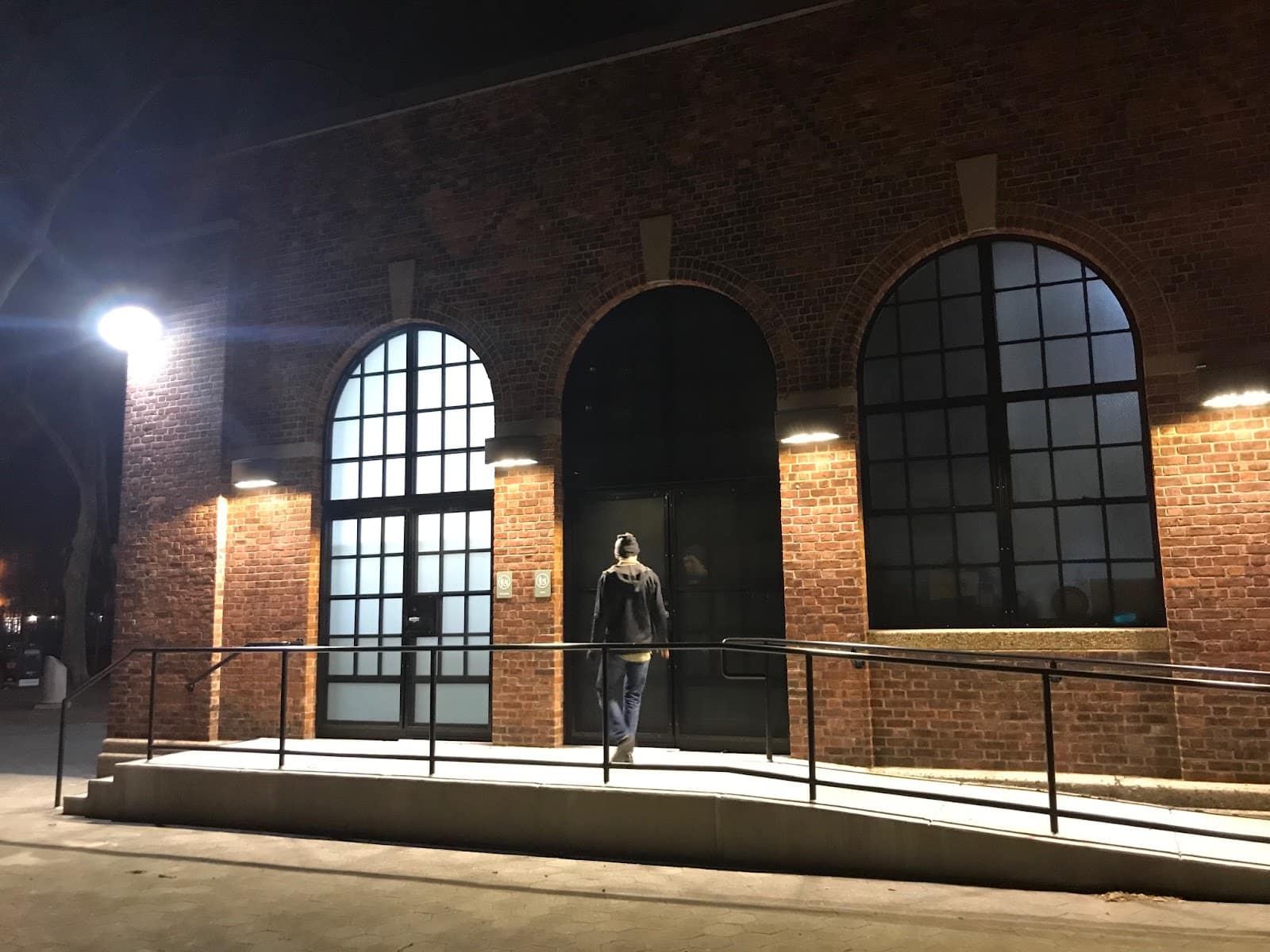
D1. Here’s the link to vote for this project.
“My Project Idea is:
Renovations for the windows, doors, and exterior lighting of the northernmost building in Sara D Roosevelt Park, the Stanton Parkhouse
So that people can:
Better enjoy the park and feel safe while walking through the park. The Stanton Parkhouse is uniquely situated to be an anchor for SDR Park at its north end, but its current underuse can make it feel abandoned and unsafe. By revitalizing the exterior of the building, we can create a safer park environment for neighbors and parkgoers. The improved lighting can address safety issues in the area, and along with the exterior repairs, will encourage more foot traffic. By encouraging more neighbors and visitors to use SDR Park, these repairs will benefit nearby businesses and enhance the feeling of community and safety in the neighborhood.”
Our Council Member Christopher Marte Our Council District is District 1
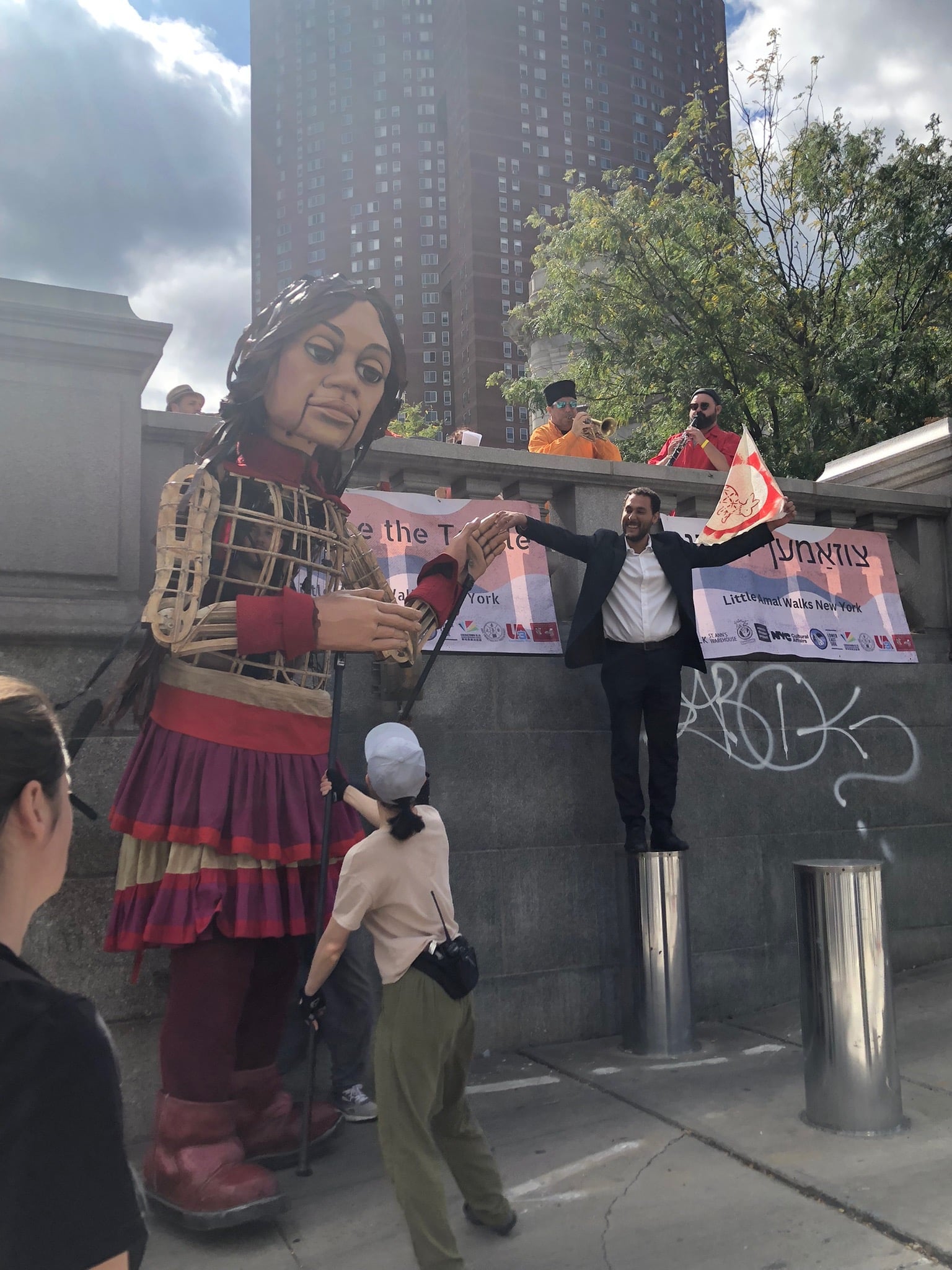 CM Marte and Amal
*This year, 30 Council Members across New York City are asking residents how to spend at least $30 million in capital funding. Between September and October, you can propose ideas that would improve public spaces such as schools, parks, libraries and public housing in your community.
Submit your ideas via our online, digital map here. Let the participation begin!
We could have this:
*What is PBNYC?
In 2011, four New York City Council Members – Brad Lander, Melissa Mark-Viverito, Eric Ulrich, and Jumaane D. Williams – launched a PB process to allow residents in their district to allocate part of their capital discretionary funds. Over the years, the process has grown to include a majority of Council Members, giving communities real decision-making over more than $35 million in taxpayer money on an annual basis.
Participatory Budgeting in New York City (PBNYC) plays an important role in giving communities the ability to directly impact the capital budgeting process. It motivates New Yorkers to engage the civic process and make decisions by sharing ideas, developing proposals, and voting on community projects. Since 2011, PBNYC has strengthened our communities and made our city stronger over the last few years.
PBNYC funds physical infrastructure projects that benefit the public, cost at least $50,000 and have a lifespan of at least 5 years. Local improvements to schools, parks, libraries, public housing, streets and other public spaces can be funded through this process.
What is Participatory Budgeting?
Participatory Budgeting (PB) is a democratic process in which community members directly decide how to spend part of a public budget. The process began in Porto Alegre, Brazil in 1989. Today, there are more than 3,000 participatory budgeting processes around the world, most at the municipal level.
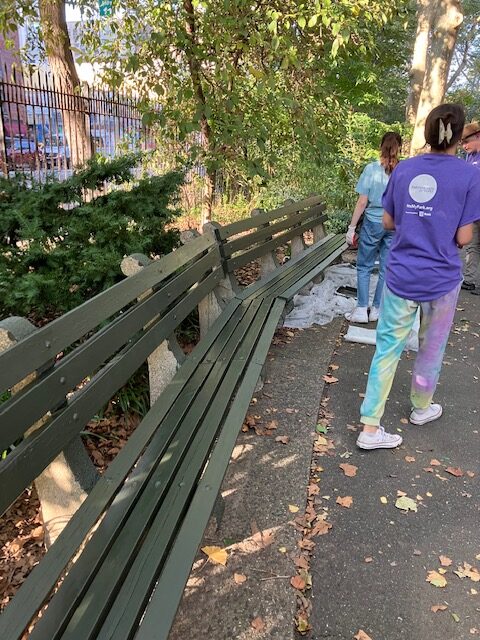
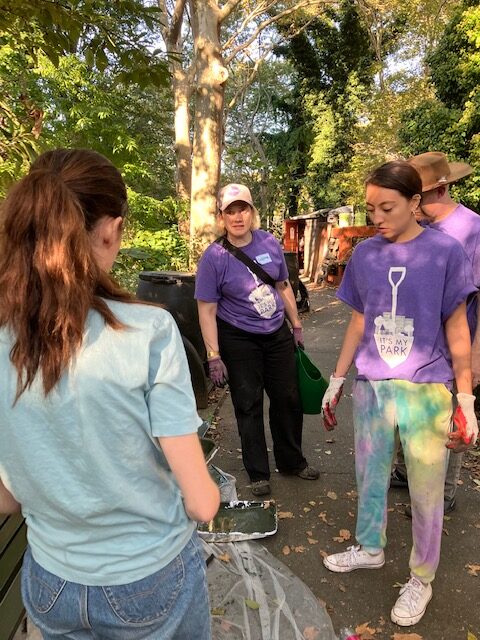
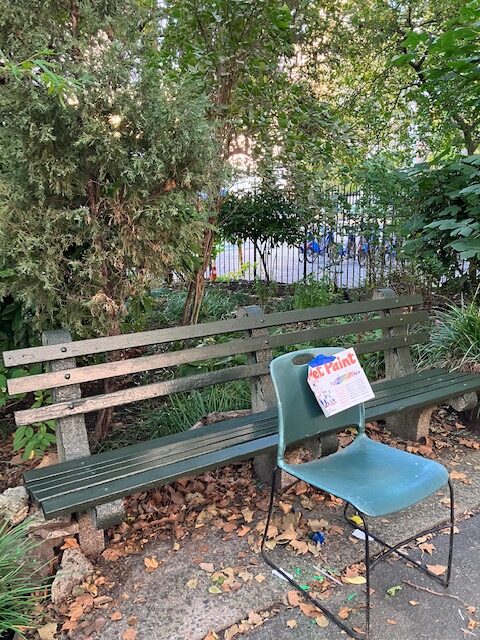
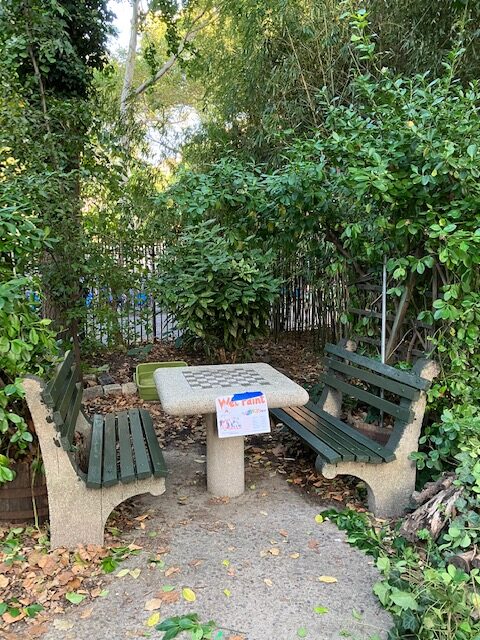
M’Finda Kalunga Garden It’s My Park Day – Bench Painting. Bulb Planting!
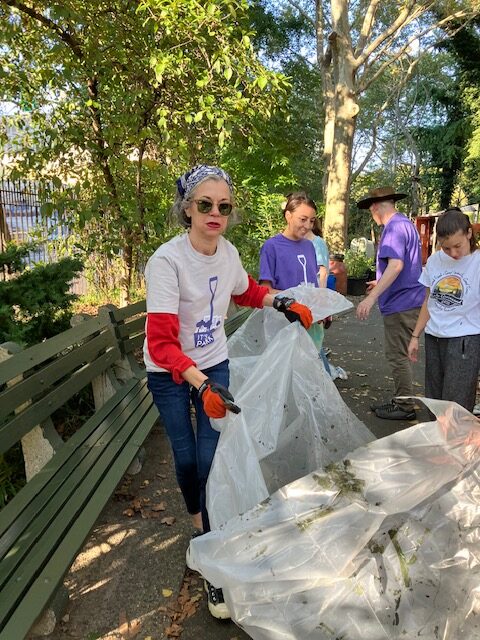
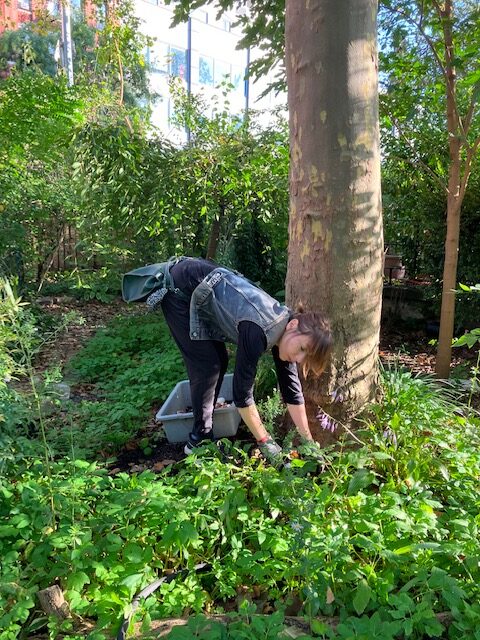
Solid days work by gardeners led by Colleen!
All photos by Jane Barrer.
Hi Gardeners,



- Go to the previous page
- 1
- …
- 36
- 37
- 38
- 39
- 40
- 41
- 42
- …
- 183
- Go to the next page