Part 2 Question #3: Food & Feedback Sara Roosevelt Park’s Frontline Workers: Stories of Service

Moderator Debra Jeffries-Glass What is one success you have had here or something that you would describe as having made your day?

Noel Sierra & Jake Leibovitz. I can jump in on that one, and I’m going to be vague here to respect the privacy and confidentiality of the people involved, but when I first started here about four years ago, on my very first day, I met an individual who was doing quite poorly, who appeared to really need a lot of help, but wasn’t really ready yet.

And then a long time passed, and maybe about a year, year and a half later, I saw him again, and then the next day I saw him again,  and the next day I saw him again, and we started working together. And then I come to find out he was connected with some of the other people, services on this stage, and we did a lot of really great work together, and then he went on to become involved with other services, which he’s still connected with right now, and just seeing this person today and seeing where he is and the night and day difference between the person that I saw four years ago, which was really made possible by the community here in this room and the importance that we all put on working together and not staying within our silos, but really making an effort to make the best use of all the resources that we have here. And it doesn’t always work out this way, but it worked out really, really well in this case, and so that’s one success that really made my day.

*****

Wei Tchou I’ll just say that as a person who’s in the park, all of the work that you guys do is so incredible, and one of the reasons that I can see the work flourishing is that just as a pedestrian who goes there all the time, I feel the community within the unhoused population. There is a community. I feel like I have gotten to know some of the unhoused people who live around my block, and there is just a sense of a kind of spiritual wellness that I don’t necessarily feel in other neighborhoods.

*****

Mason Crawford: One of the successes that I can identify is, like I was mentioning, we run like a youth-led peer model where we’re employing youth to go out to the parks to meet their peers or other young people, and something we’ve learned with young people who are experiencing being unhoused or unstably housed is that it’s hidden.

You never really know about it. There’s a lot of stigmas about what an unhoused person is, and they try to avoid that at all costs, and so as young people come to our program, they’re really eccentric. They have big hair, big colors.

The Lower East Side, you can see the fashion in the Lower East Side, and they really uphold that, and so when we were employing young people and I was going with them in the parks, they were easily recognized really fast. They were like, oh, that person right there is going to either be able to give me water, give me food, do syringe exchange, tell me where somewhere to go, or even at one point bringing other young people back to the program,  and I think it’s about, what I’m trying to get at is maybe a little bit of consistency,  recognizing that this person is going to be the person today, right now, who can get me to this resource, or at least can help me in this moment.

*****

Marcellus Valentin For me, what made my day is being able to put names to faces for some of the people I’ve met at work, being that I grew up in the area. Growing up, I saw people in their struggle while I would be going to school and just going about my day, and now having the chance to see them in their humanity and see them and get to greet them by their name, not just just walk by them. So that’s been really warming for me.

*****

Jeff Cohen I think one of the big ones that we have is our corner, it’s a safe spot. We had a client (who contemplated suicide, had a plan, had everything.

We gave the person services, was able to ) calm her down. That person comes every day because she says this is the only place in the city  that she can receive proper care. She in turn brings two more people.

Those two people bring two more people. Now we’ve got people who are coming every day, feel safe, and even if they’re under the influence, they know that they can come there, be treated, treated fairly, and  we will try our best to do whatever we can. So that’s my big take home.

*****

Carol Prudhomme Davis Last year we did an event with the Remote Theater Project, our Artistic Director is here, Alex Aaron. They wrote a play about the community, and about some of my unhoused artists, one of my unhoused artists led an entire mural, zine-making and chess-playing event. He was in charge, and we had our food equity team, [Kele NKhereanye in the back, who’s a gardener in (this neighborhood. We served healthy snacks, smoothies and apples, and that didn’t seem like much, but every single unhoused person said, “boy, this is good, thank you” and I got to see our community together. Some of y’all were there, I recognize you. Some of our immigrants and asylum seeker families were there, and our unhoused population, and we had a ball, and I think it was about the most fun I’ve had in a long time.

*****

Brian Crozier One success…there’s a few things, but one thing that I think that speaks to me in outreach, harm reduction outreach: the best work is not always immediate. It’s a slow build.

It’s relationship build, right? Sometimes we see a lot more of the concerning or problematic behaviors, but we don’t get to see these good things that are built up over time. We have a Hep C patient navigator who goes on walkabout outreach with our outreach team, and they can do rapid testing in the field, right? They can do rapid HIV and Hep C testing. A lot of times our outreach clients are almost completely separate from our syringe-exchange clients – due to negative experiences in programs, right? People tend to (not only just enjoy the weather and want to spend time outside), but sometimes it’s a choice to not go inside because of bad experiences.

So we go to them where they are, and our Hep C navigator tested somebody in the field. They tested positive. Through relationship building and coaching, she was able to connect them to the medication treatment plan, built enough trust for them to come to the program (to pick up their medication) because they had no place to keep it outside.

So they started to build trust to come inside, right? They were able to complete their regimen. They are now free of Hep C, and they are now connected to medical care, right? Those kinds of things I think are important, because they tend to be a little more invisible than some of the other stuff, but that’s something that really always sticks to me … those slow builds to get people into care when they’re ready to do it.

*****

Bob Humber There are many success stories that I could tell you, but I’ll just pick out one that I think is dear to my heart.

During 9/11, the people were coming up from the Wall Street area up here. Their heads [were covered in dust and] all over their bodies. They were tired from walking.

They needed water, and the garden provided them with water, and I was really glad that we were there to help them. That’s one of the success stories that I want to tell you, but there are many, many more.
 

Read MorePart 2 Question #3: Food & Feedback Sara Roosevelt Park’s Frontline Workers: Stories of Service
  • Post category:News

Part 2 Question #2: Food & Feedback Sara Roosevelt Park’s Frontline Workers: Stories of Service

Moderator Debra Jeffreys -Glass first question is what is one thing you have learned from your work here?


Jeff Cohen I think the one thing I’ve learned was, I thought this was an underserved population.

I thought that there was no provider that was serving the population. As I look around,  I see there’s so many different faces, different organizations that we definitely all need to get together, make this some formal, I guess some type of formal coalition where we can actually use our different resources to help. We see clients out here every day,  whether they’re homeless, whether they have mental health, and we don’t have enough people to help them.

I’m so glad now that the Parks Department, this gentleman here, he has been fantastic. The police are involved. They’re not moving patients.

They’re actually helping.  I see a bright future. I’m just hoping that we can continue.

*****

Marcellus Valentin For me, what I’ve learned is that this community is very resilient. I’ve seen this community through many different iterations.

I grew up in Jacob Reese Projects on Ave D. I went to school at Nativity Mission Center (Forsyth Street) that closed down back in 2016. I was the last class to graduate there.

I’ve seen this community through a lot and just being able to work here now has meant so much to me. Resilience is really the only thing I can think of when I think of this community.

*****

Mason Crawford: I’ve been doing social service work for three years…social service work, two years, two and a half years down in the Lower East Side and the one thing that I notice the most is that it’s connection, that specifically young people, they’re looking for someone who’s going to listen and actually hear them and not give unsolicited advice, but flesh out an answer for them that they feel like they came up with themselves and then be there for that, showing up, asking them if they’ve achieved their goals, asking them where you can assist. It’s that.

I really think it’s the connection aspect of it.

Bob Humber: I am not a paid social worker but I do social work each and every day. I sit by the garden gate and people walk by and I hear, you would be surprised how many problems I have tried to solve. Most times all I’m doing is listening. People like to tell their stories (like a bartender, or a Bob!). I have heard some unreal stories; some I can’t repeat.

But it’s my pleasure and I’ll do it as long as I can. I love doing it. I’m talking about not one,  not two, but I would say 12, 13, 14 people each and every day come by and if they just want to say hello or they want to tell me their story, I don’t care whether you’re rich, poor, sick, tall, black, white, or whatever.

I’m there to listen and that’s what I do and I love it.

*****

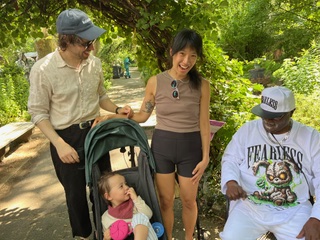
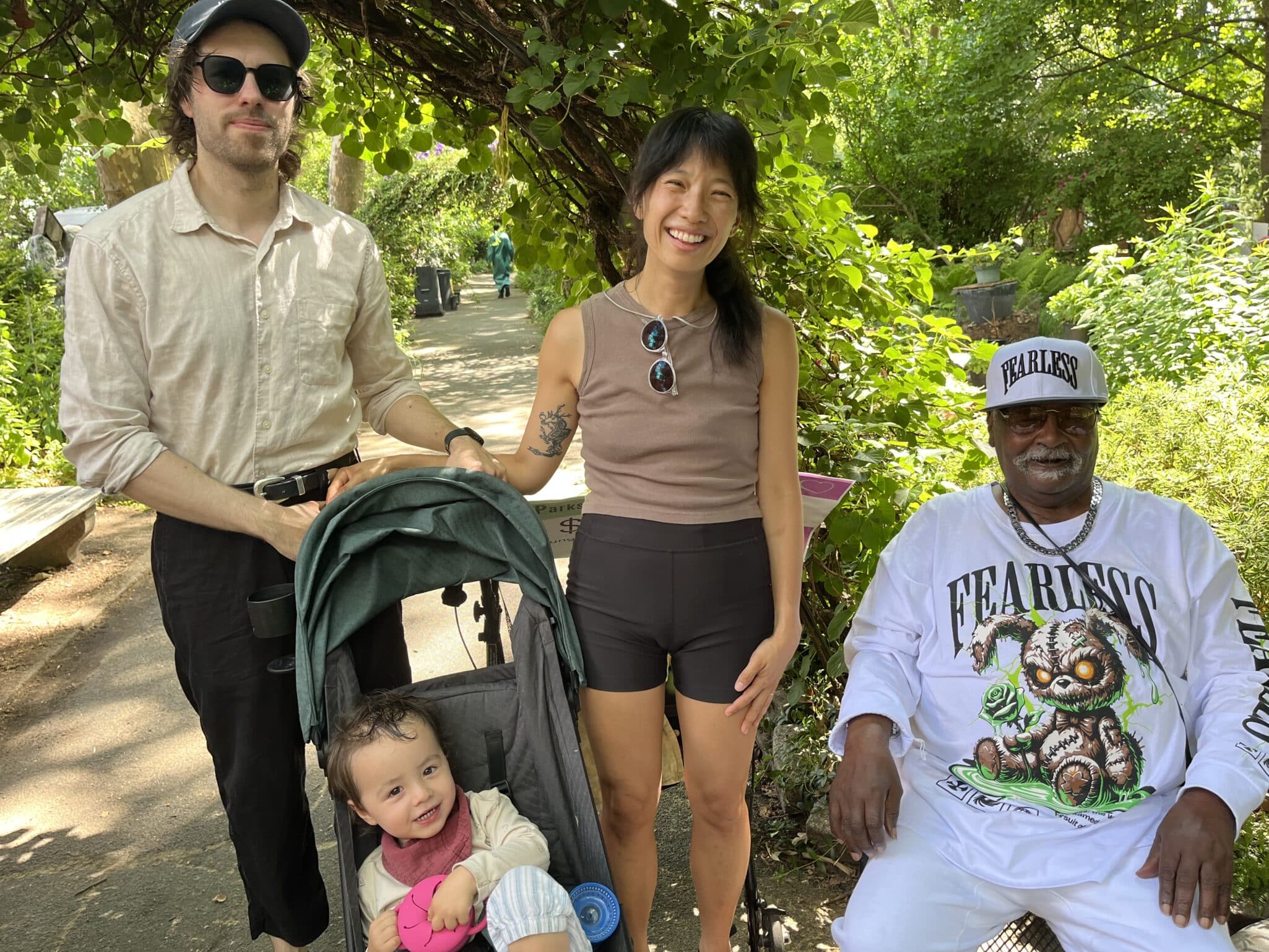
Wei Tchou I wanted to piggyback on what Bob was talking about, which is he creates this real sense of intimacy in the park. I think the thing that I’ve learned, I have a baby and we spend 60% of our time walking around the park and hanging out with the gardeners. Also, we spend a lot of time in the south end of the park, which is mostly Fujianese people.

But one thing I didn’t really understand about life is that you can have these pockets of intense intimacy and social trust right next to something quite harrowing and dangerous.

I wanted to tell a brief story, which is also probably an answer to another question …which is about a success that I’ve had in the park. Once I was hanging out with the baby on the AstroTurf in South Sara Roosevelt Park where the Fujianese people mostly hang out and a 14-year-old teenager ran up to me and he asked, “can you watch my stuff?” He slammed his backpack on the grass and ran away for like 30 minutes.

I think there was something about that. He didn’t know that I was in the community. He didn’t know who I was, but he was willing to just say, watch my stuff.

He came back and still didn’t take any of his things. But in the next block, there are unhoused people and people with mental illness and people doing drugs in a way that, I have to really weigh my options when I’m walking around there. I think that’s a really special and unique thing about Sara Roosevelt.

*****

Noel Sierra & Jake Leibovitz One thing that I think I’ve learned from work here, well, just to reiterate, there is a really strong beautiful community here of very understanding people. A lot of times when I’ve participated in other community board events or things like this in other communities, people are not as accepting as the people here, and the people I’ve communicated with on email, and people I’ve met with before this. That is a beautifully unique thing, I do want to recognize for every person here.

With that, one thing I would like to do through this conversation and through us coming together and meeting in person is developing a little more formalized, streamlined communication so we have a continuation of services in the park and that we understand what we’re doing, when we’re doing it, how we’re doing it. I think this is a great opportunity to cultivate that building. Thank you


Brian Crozier One thing that I think I’ve learned from work here, well, just to reiterate, there is a really strong beautiful community here of very understanding people. A lot of times when I’ve participated in other community board events or things like this in other communities, people are not as accepting as the people here and the people I’ve communicated with on email and people I’ve met with before this. That is a beautifully unique thing that I do want to recognize for every person here.

With that, one thing I would like to do through this conversation and through us coming together and meeting in person is developing a little more formalized, streamlined communication so we have a continuation of services in the park and we understand what we’re doing, when we’re doing it, how we’re doing it. I think this is a great opportunity to cultivate that building. Thank you.

*****

Carol Prudhomme Davis I live here. I’ve had done huge community events.

This is a community and when you’re in need, just like K said, it might be an unhoused person that’s helping you. It might be an immigrant who’s helping you who doesn’t speak your language or it might be someone brand new in the community and that’s what I’ve learned, that no matter what the strata, we in these parks are a community.

Read MorePart 2 Question #2: Food & Feedback Sara Roosevelt Park’s Frontline Workers: Stories of Service
  • Post category:News

Part 2 Question #1: Food & Feedback Sara Roosevelt Park’s Frontline Workers: Stories of Service

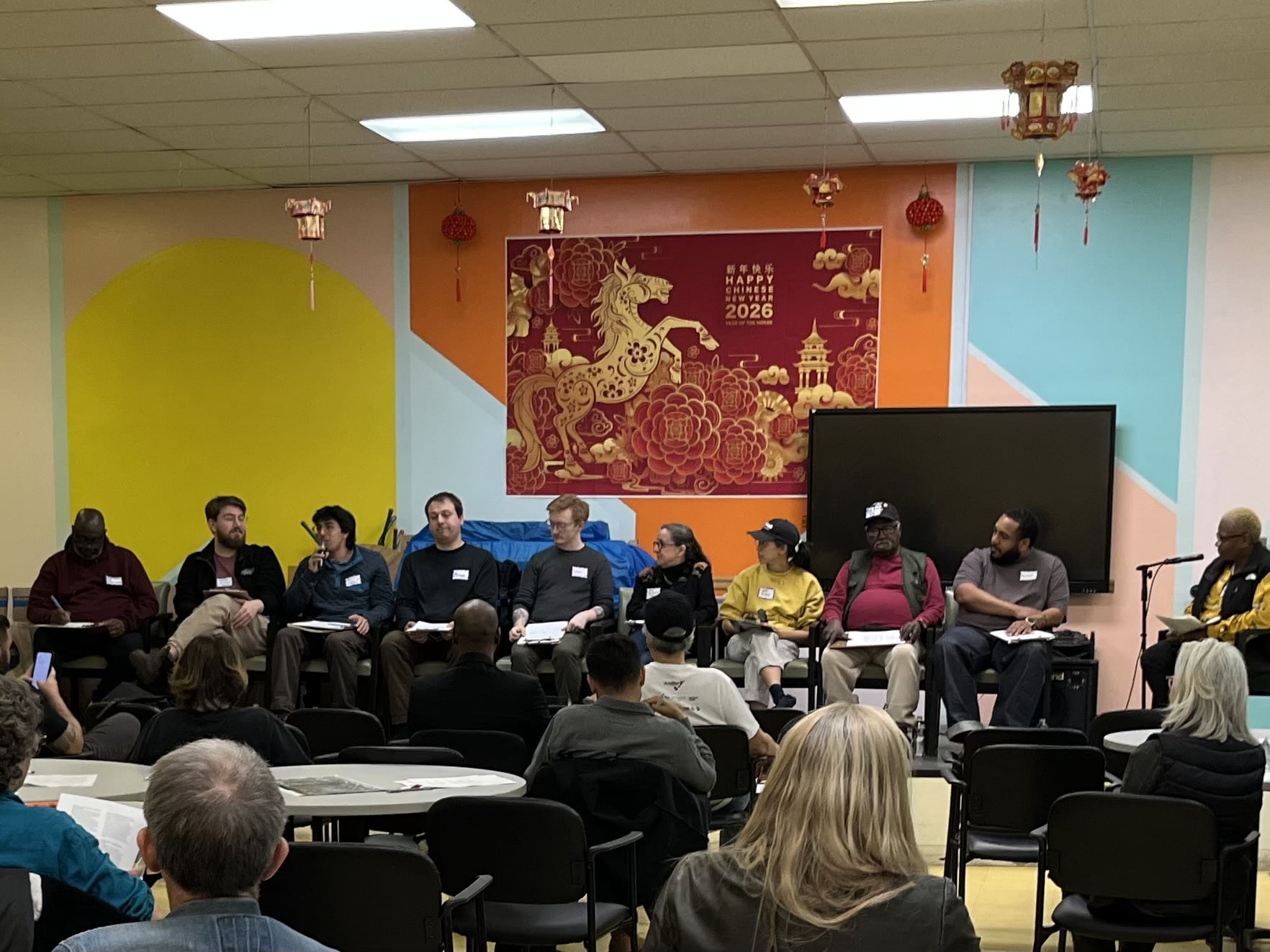
Part 2: The transcriptions (lightly edited) from each panelist. (the following 6 posts)


Intro to the Evening and Moderator’s First Question

Tonight, I’d like us to keep in mind a few things, things that some of us know and things that some of us don’t know.

Such as, what it’s like to be struggling without a clear path in hard times, what the pull of addiction does, living with the impacts of generational poverty, living with the impacts of generational racism, being targeted because you’re a woman, having lived through famines, being the target of violence, being homeless, being hated simply because you’re a member of a group, being young and trying to find a job or affordable housing, growing old and more fragile, being a parent trying to keep your family fed and safe, having the job of keeping people safe but knowing you won’t always be able to.

Tonight, I’d like us to try to remember that and to remember that along with the harsh realities here in this park, that we also witness the best of humanity every day in this park, from every walk of life.

Children discovering flowers, worms, turtles, chickens, gardeners who insist there will be beauty here, PEP officers who answer the call, outreach workers whose paid or unpaid work is to offer resources or a way forward, no matter how they feel or who they’re trying to help feel, 5th precinct officers who work with youth to build gardens and trust here, artists and historians who bring us plays, art, music, history and literal light, the elder living in a shelter offering a “bless you” to a gardener, park workers who do the vital daily and unglamorous work, the thrill of coming upon the Hua Mei birds, the homeless men who directed police officers to find the person who had assaulted an elderly woman, Wellington Chen’s unwillingness to give up on this park, a teenage girl putting aside her panic to tell her dying cousin, stabbed in a fight here, that she loved him, the dawning pride of some hardened denizens of the park on learning that this park’s land once belonged to black farmers, overworked, underfunded organizations still ensuring critical health, a ROAR Festival pushing back against hate, all of us who keep working despite scarce resources to make this park better.

We are all imperfect people and all of us want a park that’s safe to be in and enjoy.

Tonight we get to listen to the people on this panel to hear what they know, and they know plenty, to honor their very different smarts and then to listen and think together.

Writer Alice Walker reminded us that we change things, make hope concrete, not by waiting for somebody else’s boulder of heroism but by our own actions, by deciding person by person to bring our small imperfect stones to the pile.

  • K Webster (President Sara Roosevelt Park Community Coalition)


Moderator Debra Jeffreys-Glass  (VP President Sara Roosevelt Park Community Coalition):

I have the honor of introducing this panel…(there are fuller bios on the tables) please say your name, the organization that you’re with, and a short intro.

(the transcriptions lightly edited from each panelist-ed)

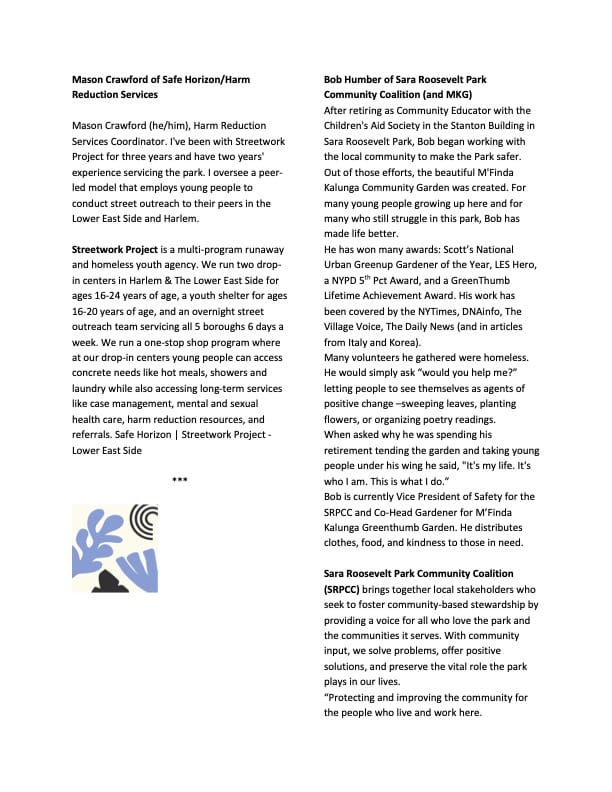
My name is Bob Humber and I’m from Sara Roosevelt Park.

It’s a beautiful garden that you have seen many times and I’ve witnessed. I don’t have too much to say right now, but there will be a lot I’ll say later.

******

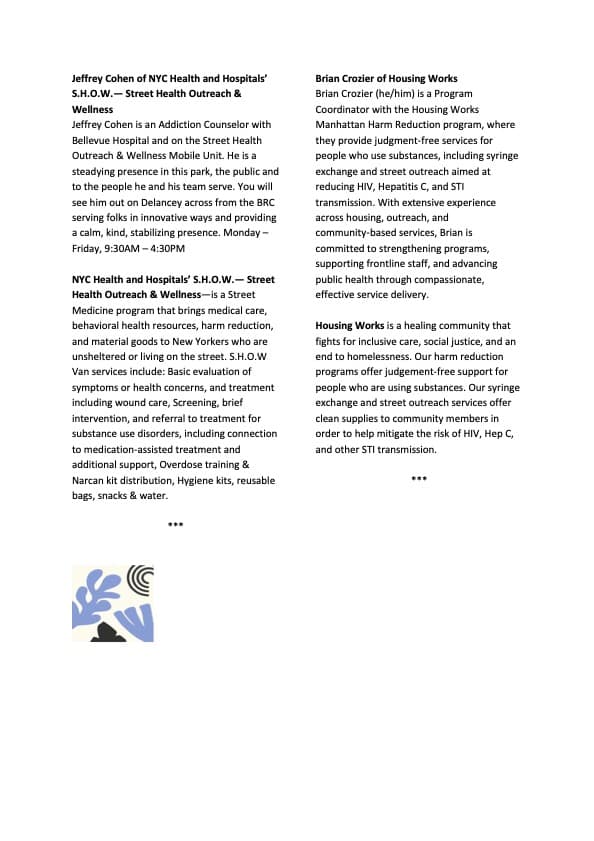
My name is Brian Crozier. I am the program coordinator for Housing Works Harm Reduction Program.

We have a Syringe Exchange on East 9th and D and we also do a walkabout harm reduction outreach in Sara Roosevelt Park, Tompkins Square Park and other areas throughout the Lower East Side.

******

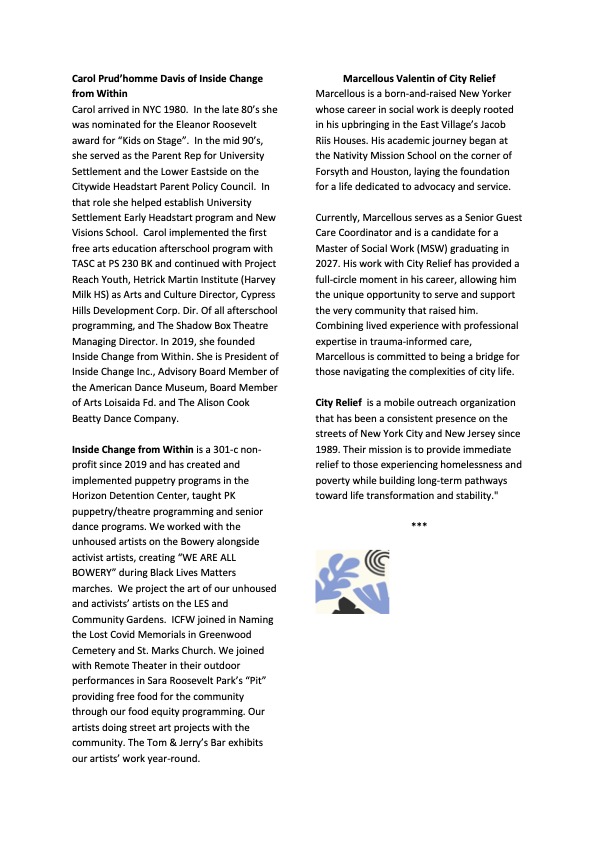
My name is Carol Prudhomme Davis. I kind of wear two hats here.

I raised my son right on Bowery and Spring. We had our birthday parties in the park across from your garden. I served as a parent representative of the Lower East Side for Head Start and now I am the executive director of Inside Change from Within and what we do is we support unhoused artists, emerging and activist artists and as a result we are creating food equity programming and we do arts education.  Hi, everyone.

******

My name is Jeff Cohen. I work with Health and Hospitals.

We work with the van, which is usually parked right in front [of the BRC on Delancey]. We’ve been here for approximately three years and we love this neighborhood. So basically, we’re out here every day, Monday through Friday.

******

My name is Marcellus Valentin and I work for City Relief.

I’m a guest care coordinator. We meet people where they’re at on the streets, those who are suffering from homelessness, addiction. We go out to different parts of the city where we bring food also as case managers. In my department, we try to provide resources and get people connected to shelters or whatever they may need.

******

My name is Mason Crawford. I’m with Safe Horizon Street Work Project.

We are a youth drop-in program down on Essex Street. We work with young people ages 16 to 24 [years old] but select ages going up to 29 [years old] for services. We are in the area.

We do street outreach. One thing that’s important about our model is that it’s a youth-led peer outreach so we’re employing youth with cash stipends to go out into the parks and do services to young people who may be experiencing homelessness.

******

Hi, I’m Wei Tchou. I’m a journalist and I recently wrote a long piece about Sara Roosevelt Park and the garden. I’m also working on a book about the park.

******

Jacob Leibovitz:  work with the Downtown Goddard Street Homeless Outreach Team, which is the street homeless outreach team that has the contract from New York City Department of Homeless Services to serve this area. So my co-worker Noel Sierra and I were some of the people that show up when you call 311 to request assistance for someone experiencing homelessness.

My name is Noel Sierra. I work with Jacob Leibovitz. We work at Downtown Goddard. I’m from Brooklyn. I went to high school in Manhattan and I’ve been working with downtown Goddard for a little bit over a year.

******

5th Pct Youth Officer Shaneek Smith Hi, good evening everyone. Sorry for my lateness. You know, sometimes the job takes over!

I’ve been at the Fifth Precinct for about eight and a half years. At the Fifth Precinct, I work at the Youth Offices.  So I deal with everything having to do with kids: whether it’s running the Explorer programs or anything that’s going on in the schools, and so forth.

On a daily basis, I’m in the park…I’ve worked with Ms. K over the years where we’ve done gardening with the Youth Explorers. I bring the Explorers to the Park and we gardening along the stretch from Hester all the way up to this end. We’ve worked in the [M’Finda Garden] behind us.

Read MorePart 2 Question #1: Food & Feedback Sara Roosevelt Park’s Frontline Workers: Stories of Service
  • Post category:News

Part 1: Food & Feedback: Bios of our Panelists. Sara Roosevelts Frontline Workers: Stories of Service

Posting: Food and Feedback:

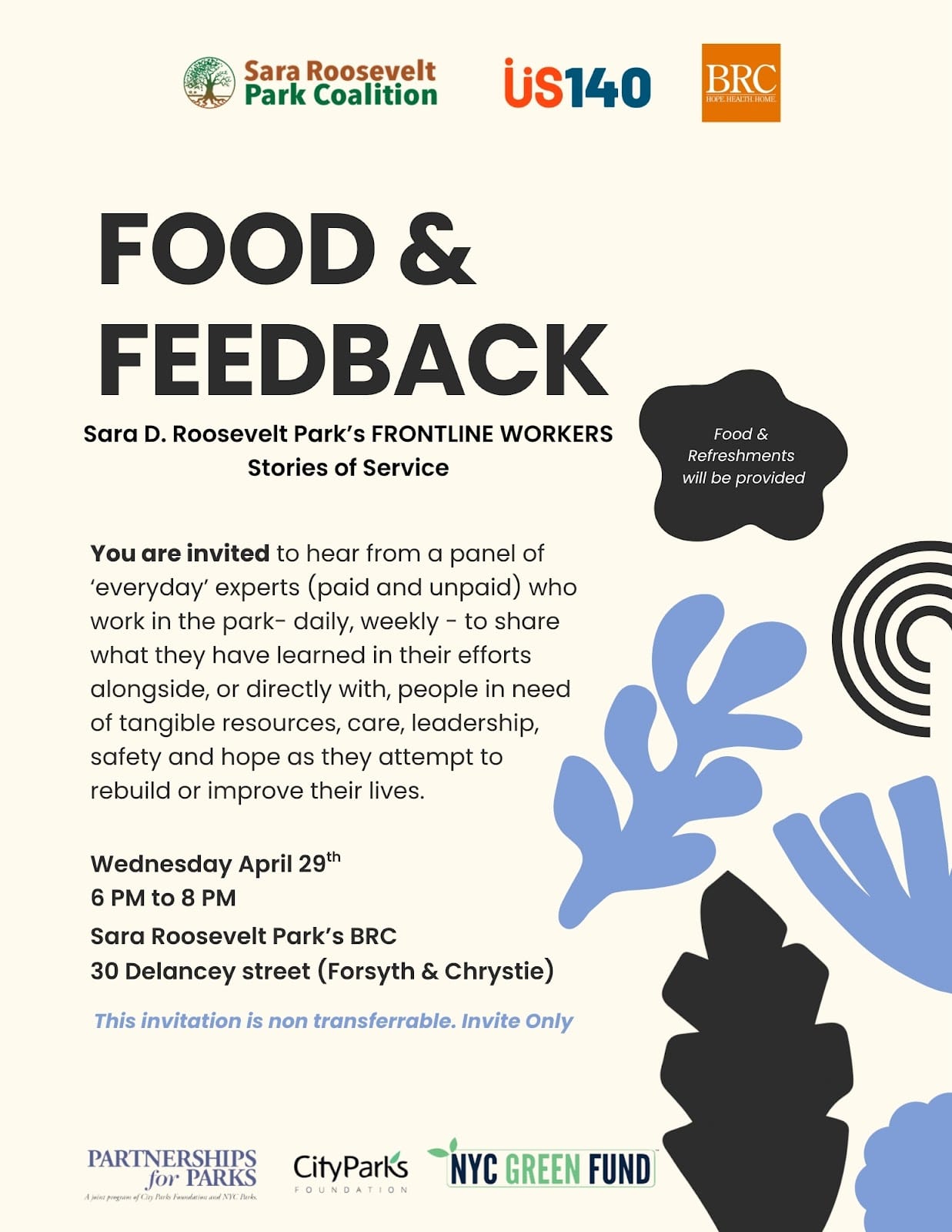
Flyer -Sayde Wilson


The next 8 posts will cover the Food & Feedback meeting we held April 29th 2026.

-Part 1: the bios from each invited panelist (on this page)

-Part 2: the transcriptions (lightly edited) of each panelist’s thoughts. (the following 6 posts)

-Part 3: the compiled thoughts of break-out tables (will post more details as soon as we can) & photos. (The final post on Food & Feedback panel)

Bios Here:


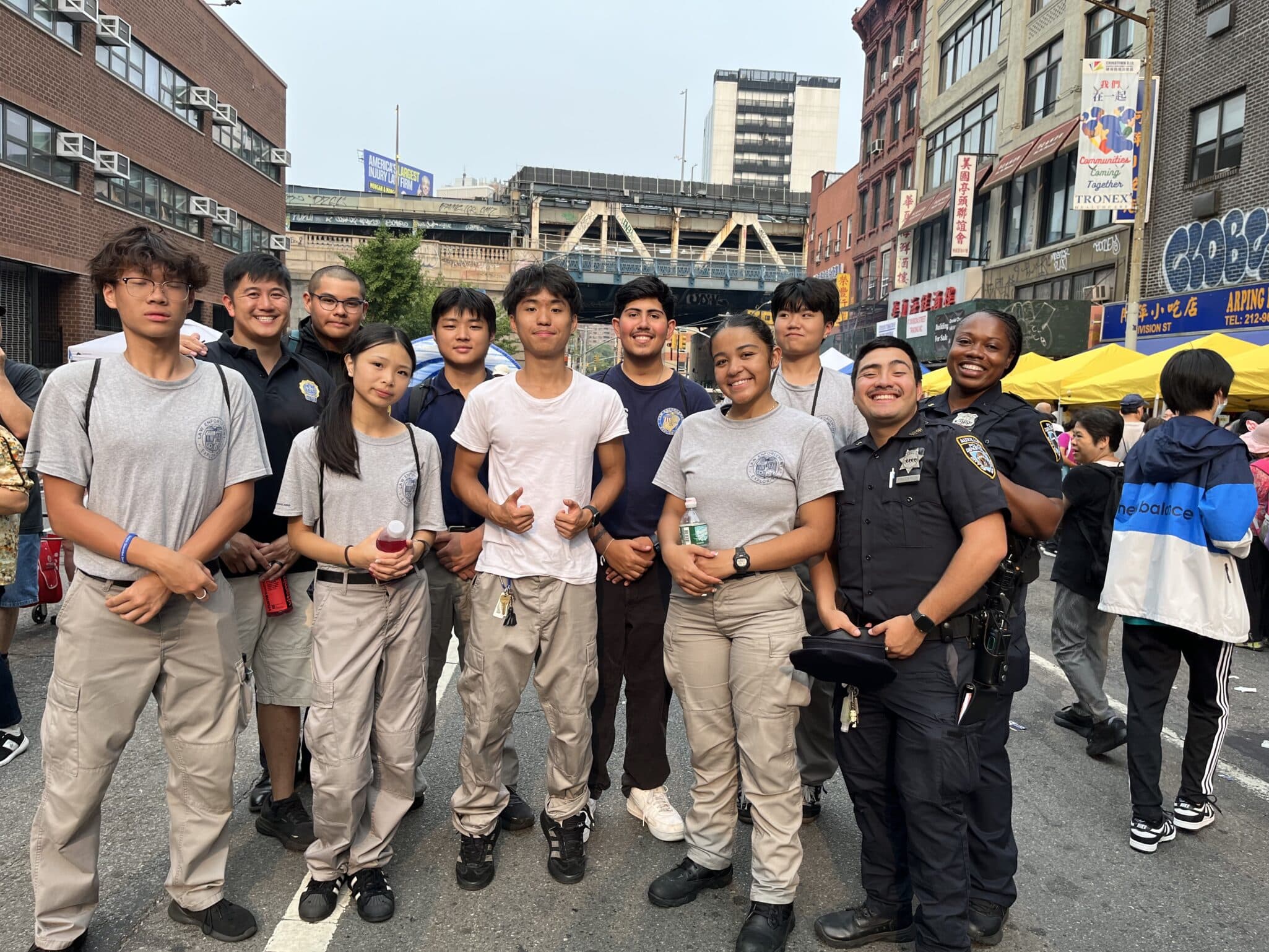
Office Smith on the far left with her Youth Explorers! (PO Chan on far left)

Read MorePart 1: Food & Feedback: Bios of our Panelists. Sara Roosevelts Frontline Workers: Stories of Service
  • Post category:News

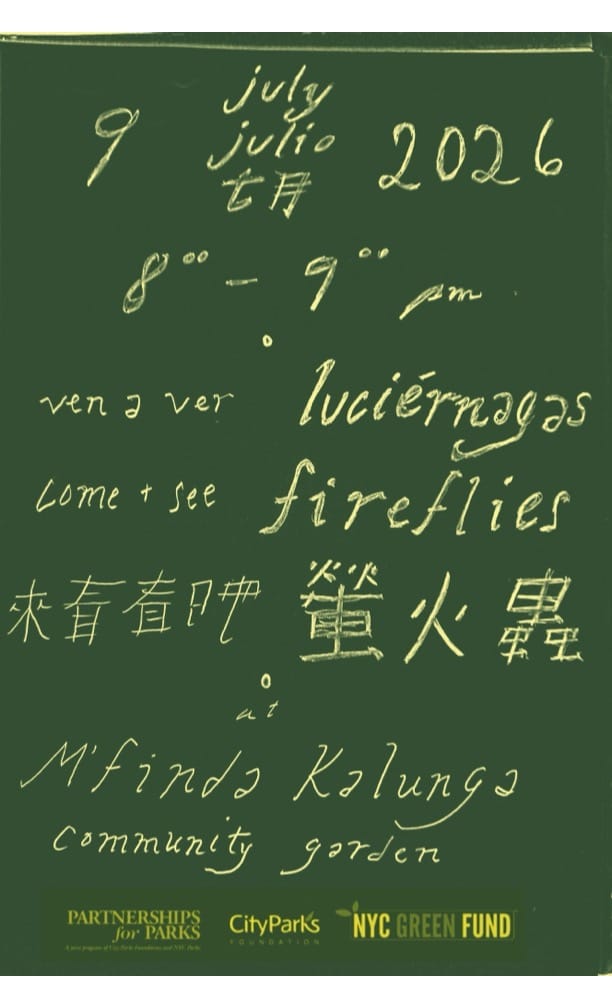
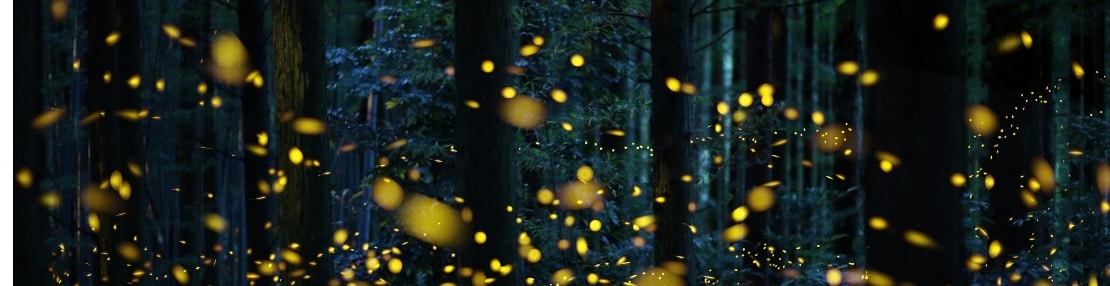
Celebrate America’s Birth? (Quietly) Firefly Release July 9th in M’Finda Garden

Firefly Release in Sara Roosevelt Park

Inside the M’Finda Kalunga Community Garden!


Read Below for more details about Fireflies – and what we can do to protect them – Erika Suban MKG Co-Chair.


Just off of Rivington transverse between Chrystie/Forsyth in Sara Roosevelt Park.

July 9th

8 PM – 9 PM (evening!)

with thanks to:


Erika – more information about fireflies:

THURSDAY JULY 9TH until 9PM.

The garden will open in the afternoon and it will stay open until 9pm, so we can hopefully spot some fireflies light up and surprise us.

Fireflies once shared earth with dinosaurs, but now their numbers are declining.

Butterflies, bees, and now fireflies, are all struggling to find places to live and reproduce.

We are so lucky to still see them and we should celebrate them!

DID YOU KNOW that fireflies live for about 1 to 2 years in total, but they spend up to 95% of their lives underground as larvae? Once they reach adulthood, they only live for 2 weeks to 2 months—just long enough to mate and lay eggs.

Habitat loss, mainly of leaf litter and tall grasses, reduces the food and space available – halting and reversing population growth

Pesticide exposure can disrupt their metabolism and development while in egg and larval life stages

Climate change adds stress by exacerbating all of these threats, particularly through drought and sea level rise

HOW CAN WE HELP?

  • Turn off outdoor lights in the evening or close the blinds
  • Plant native plants
  • Mow grass less frequently and raise the length to 4 inches
  • In the fall rake the leaves if you want, but keep them in your yard
  • Use non-pesticide solutions for insect control
  • Find alternatives to salt usage for snow
  • Enjoy their presence
  • Show others how insects are interesting not intimidating

See you on Thursday!


Read MoreCelebrate America’s Birth? (Quietly) Firefly Release July 9th in M’Finda Garden
  • Post category:News

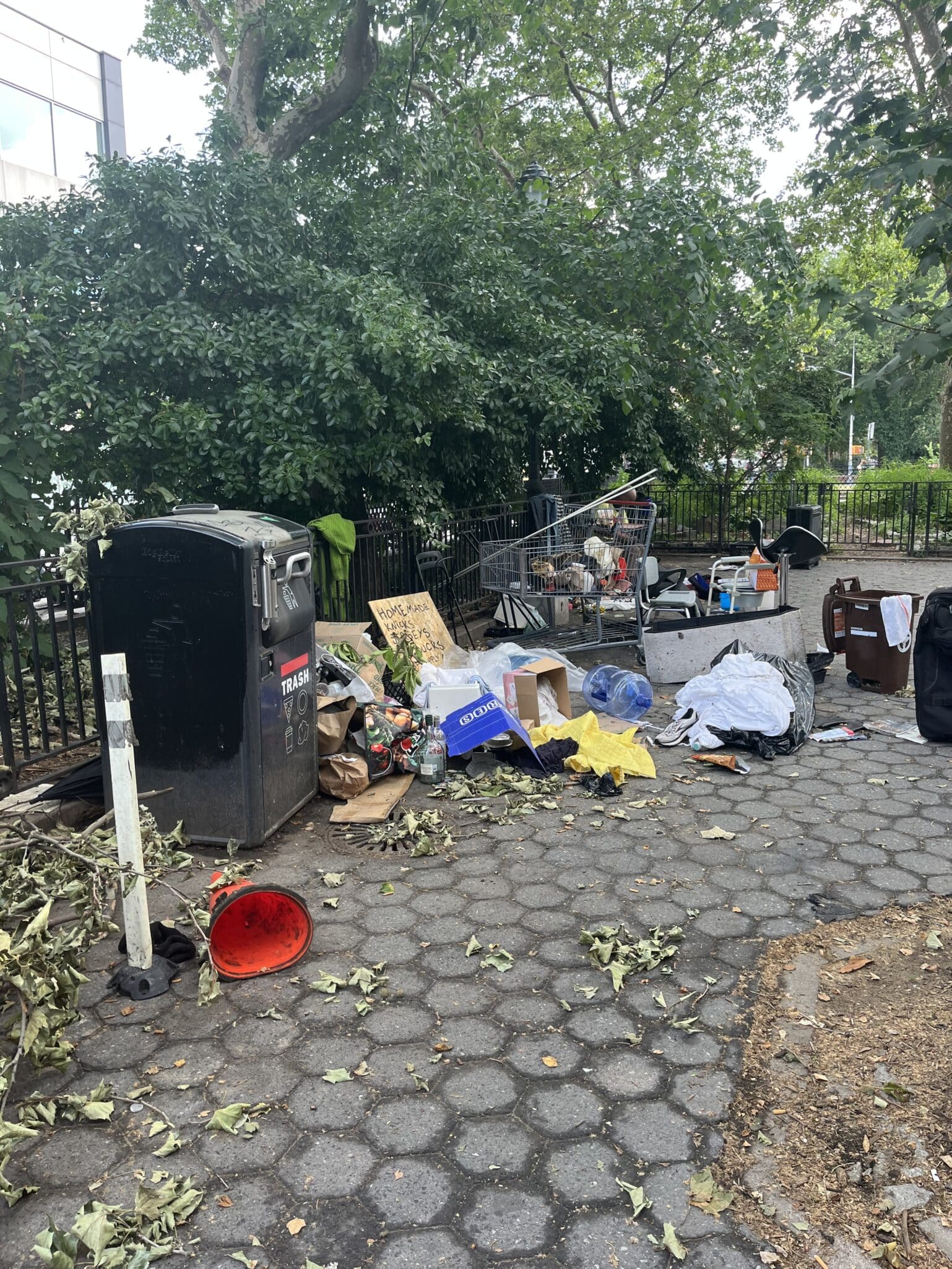
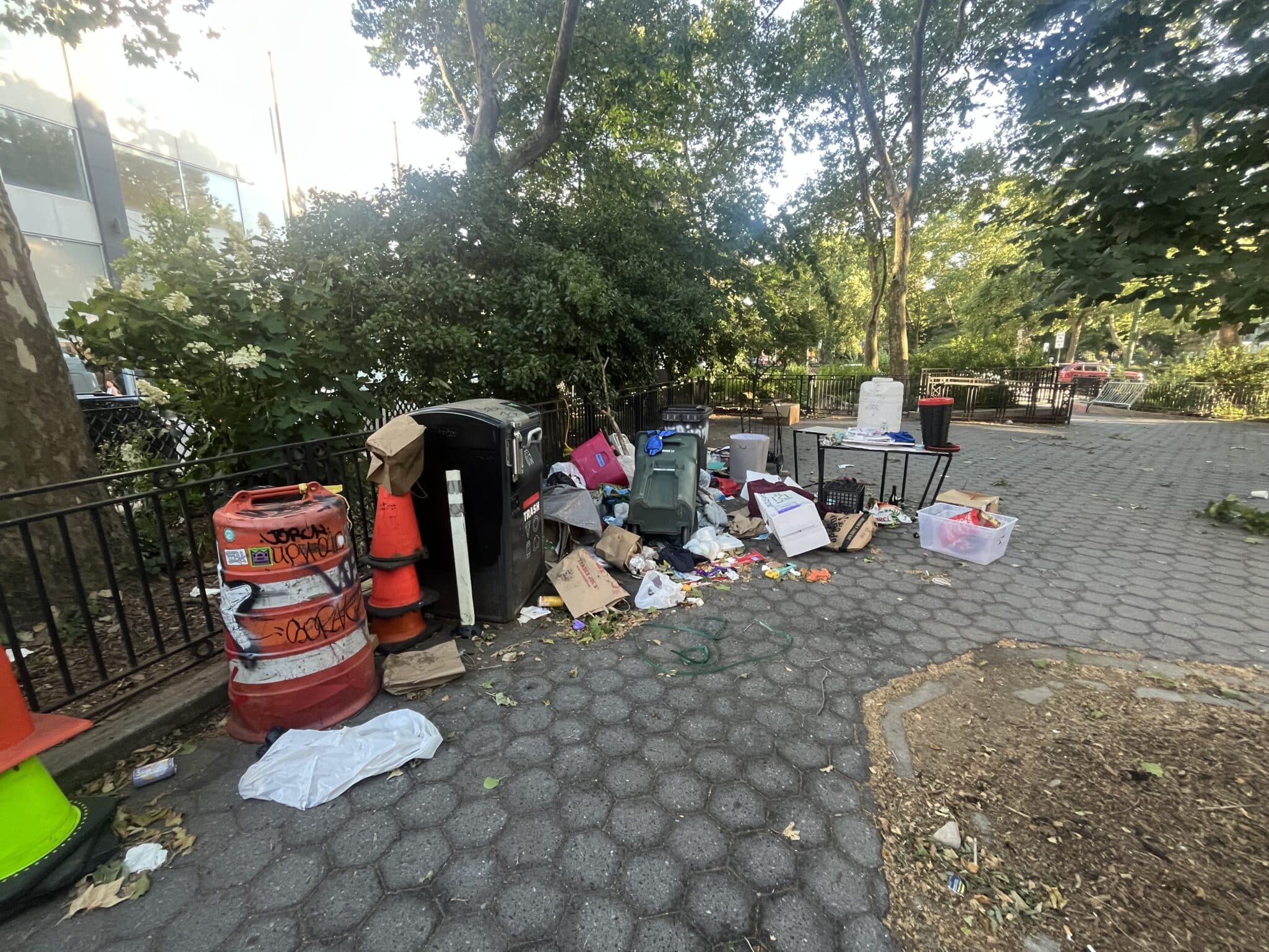
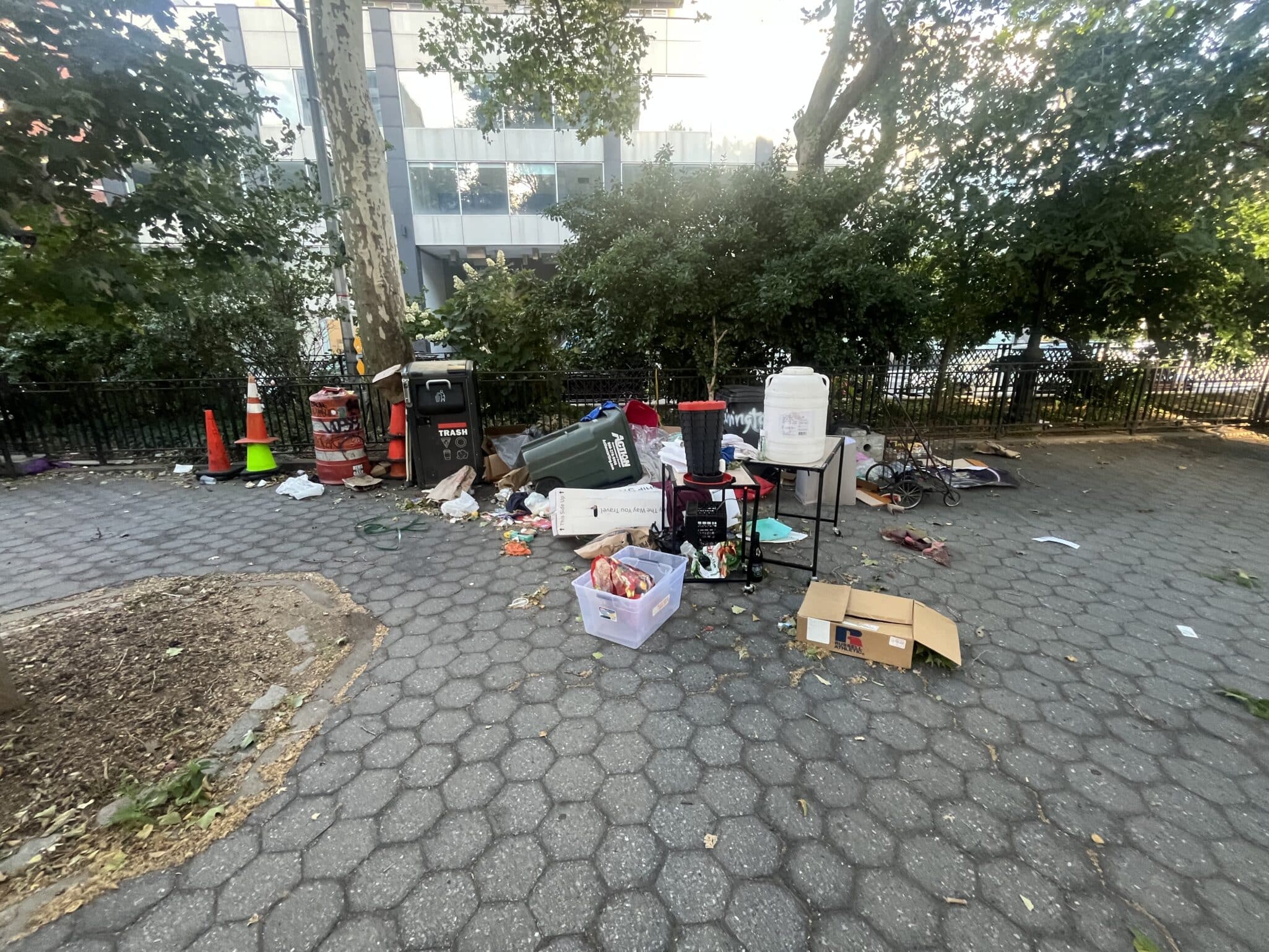
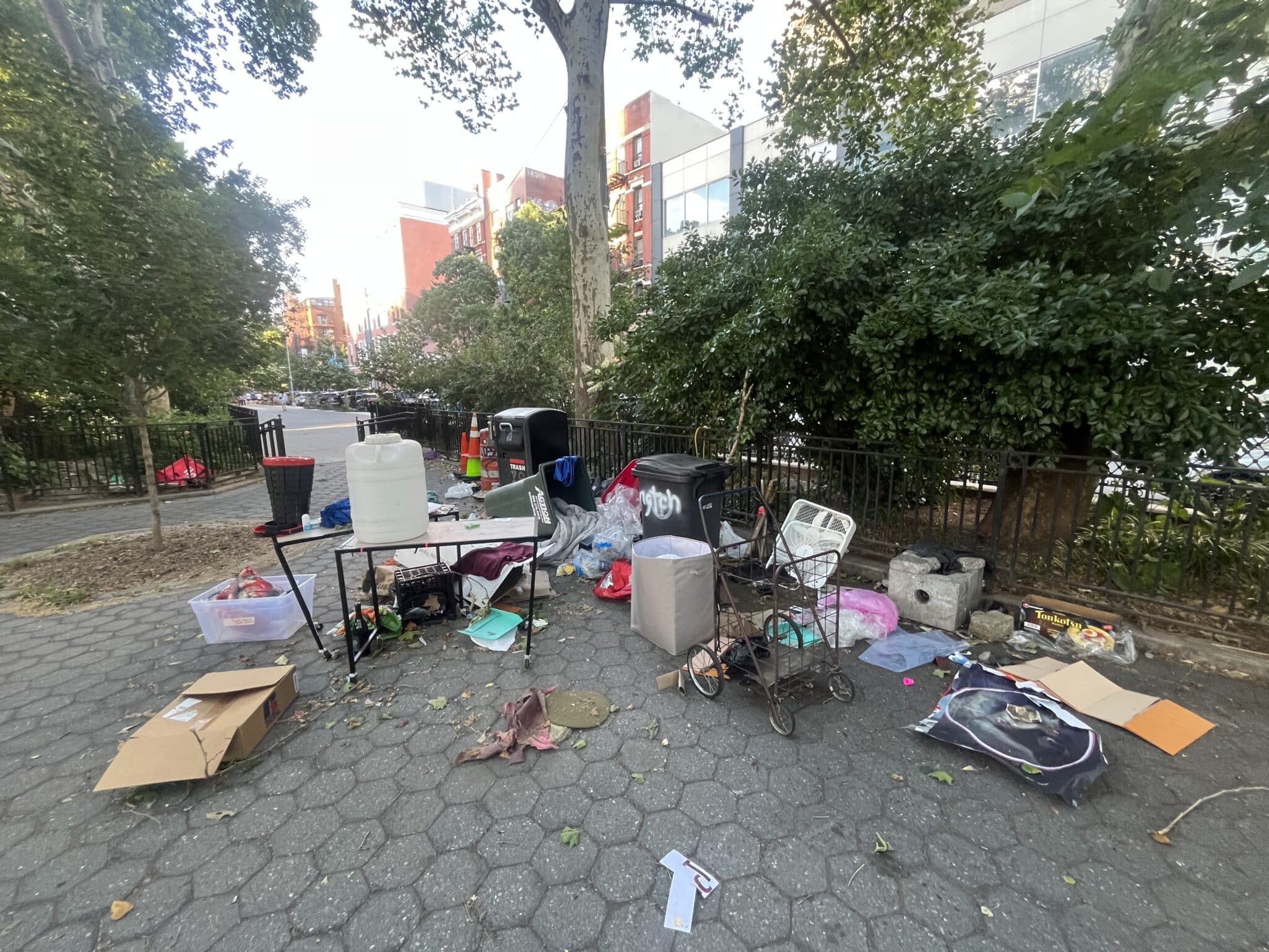
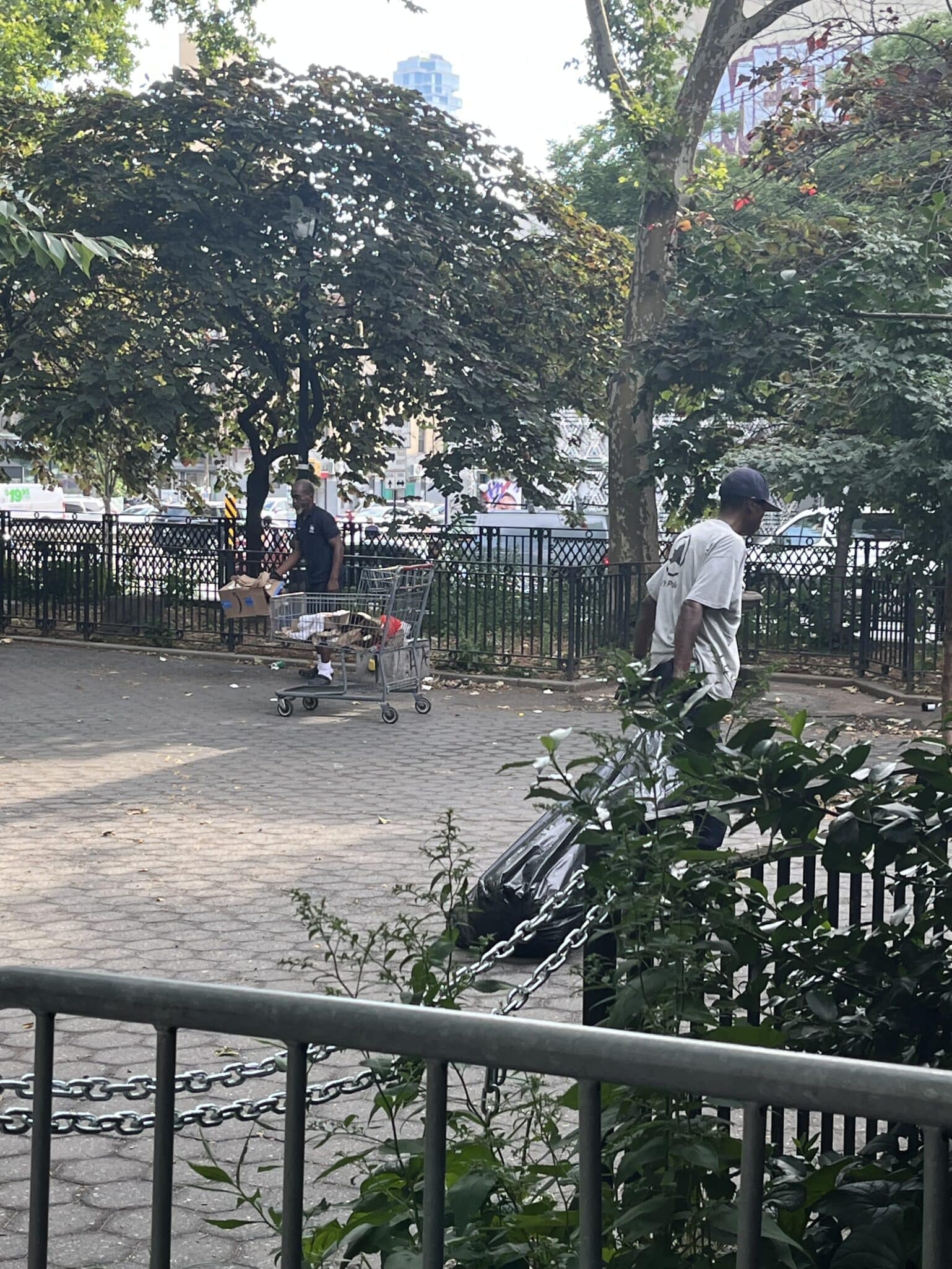
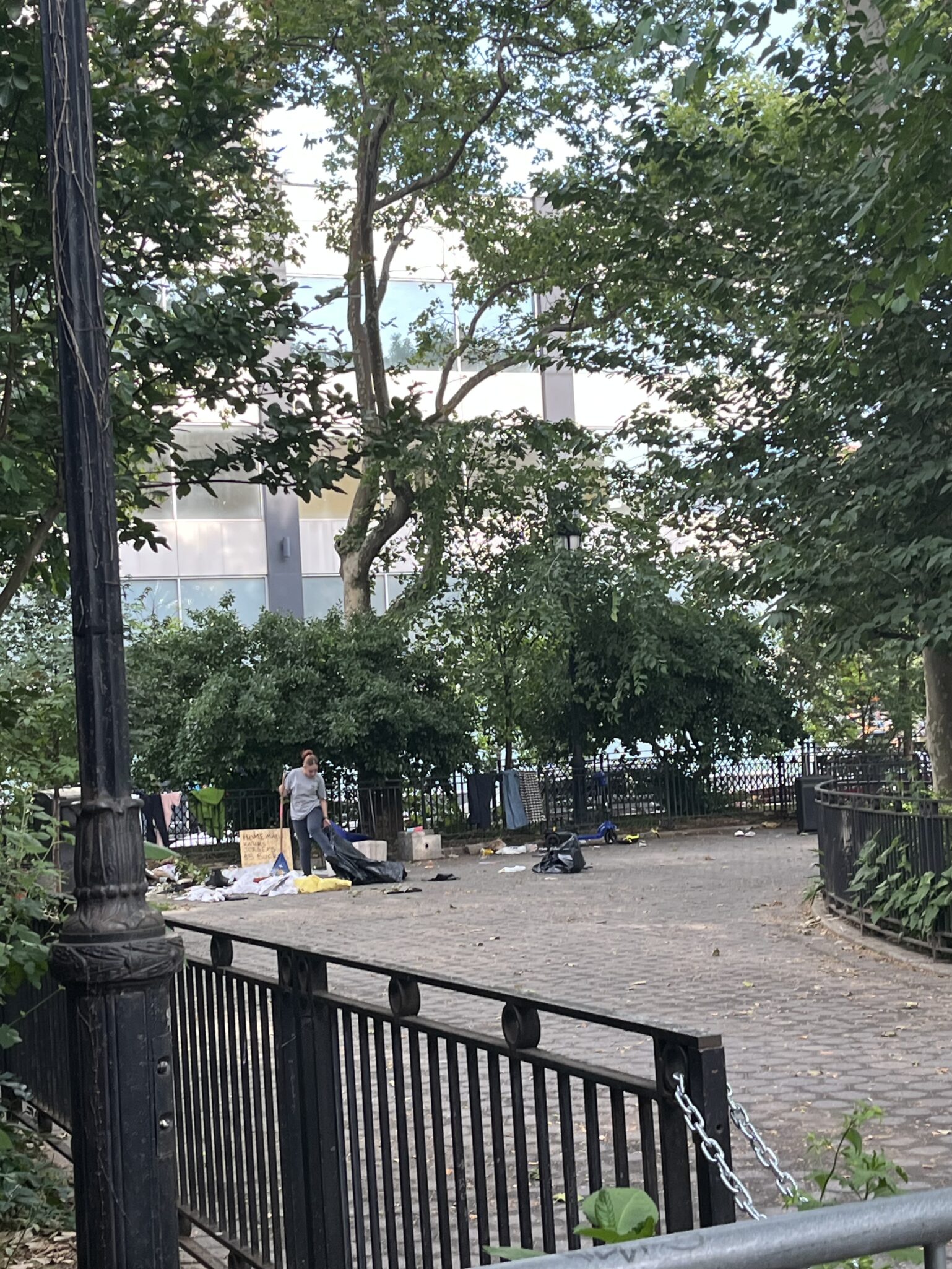
Every Day Park Workers Take Away Trash. The Next Day? It’s Tripled

Park Workers working in 90 degree weather.

Where is enforcement? Cut from the budget.

In front of a low-income senior nutrition center.


Read MoreEvery Day Park Workers Take Away Trash. The Next Day? It’s Tripled
  • Post category:News

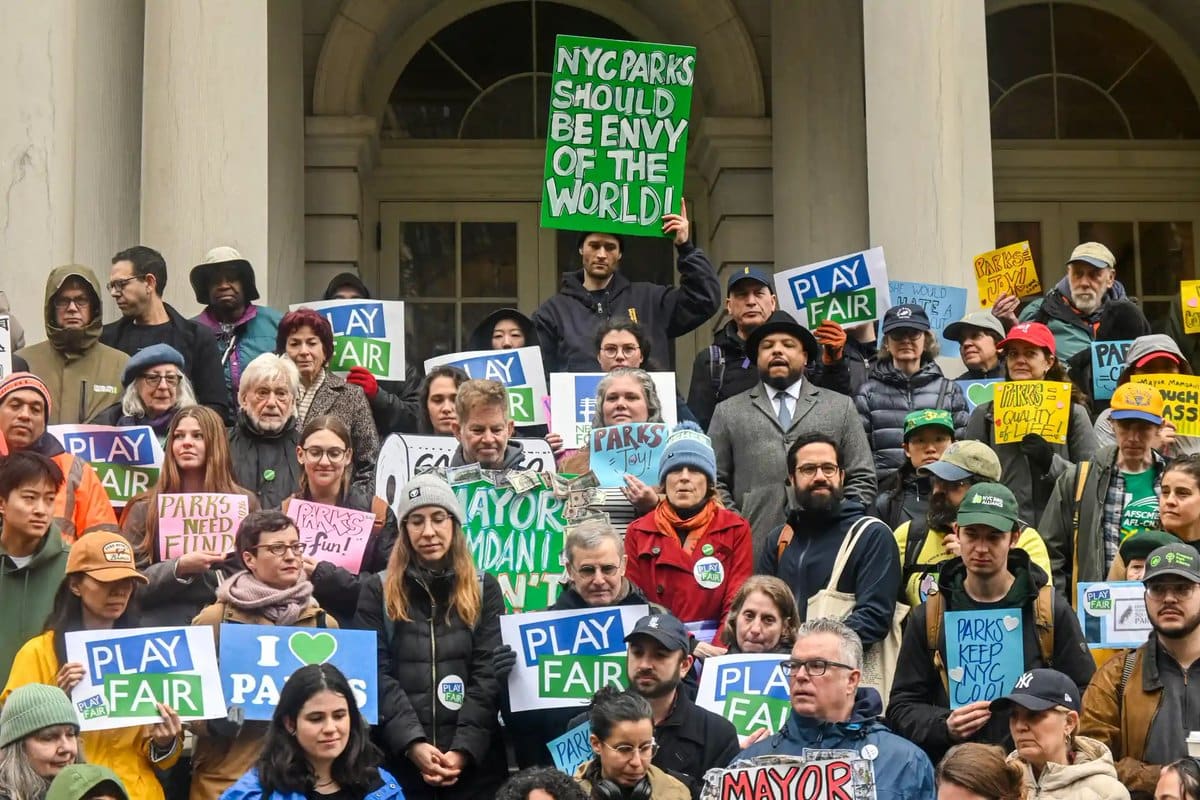
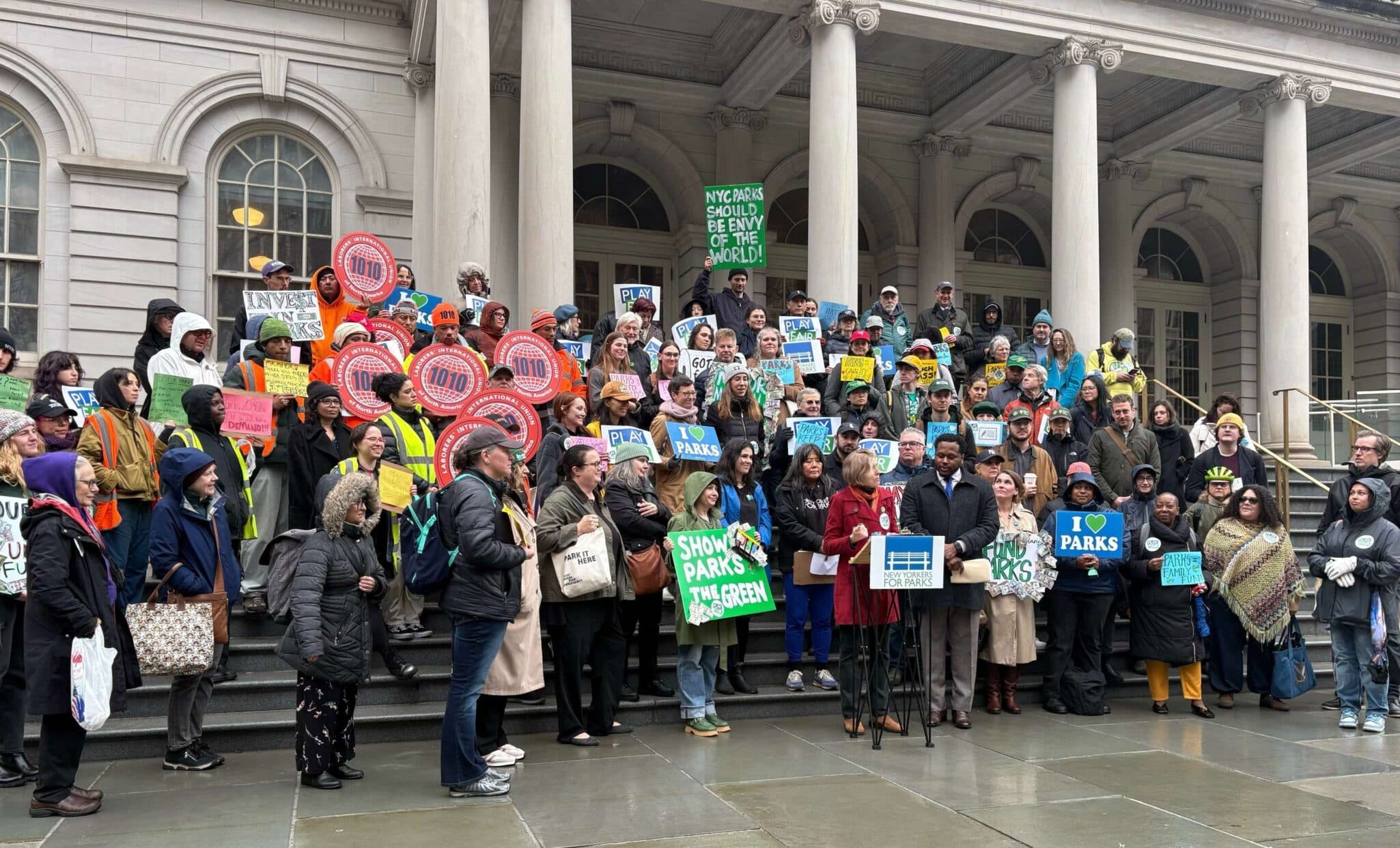
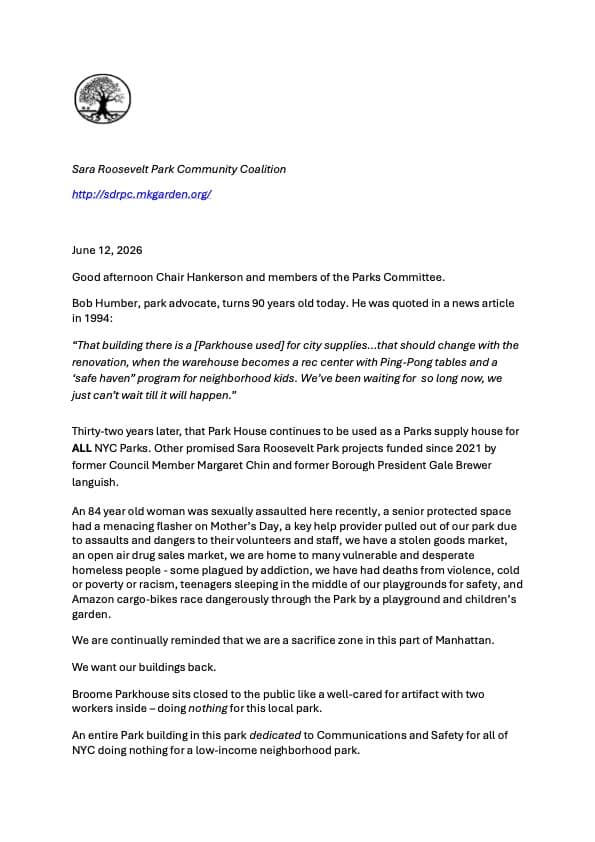
Testimony Before NYC Council from Coalition 2026

NY4Parks Advocates

Sign now to demand restored funding for parks citywide.Fast ActionTake future action with a single click.
Log in or  Sign up for FastAction

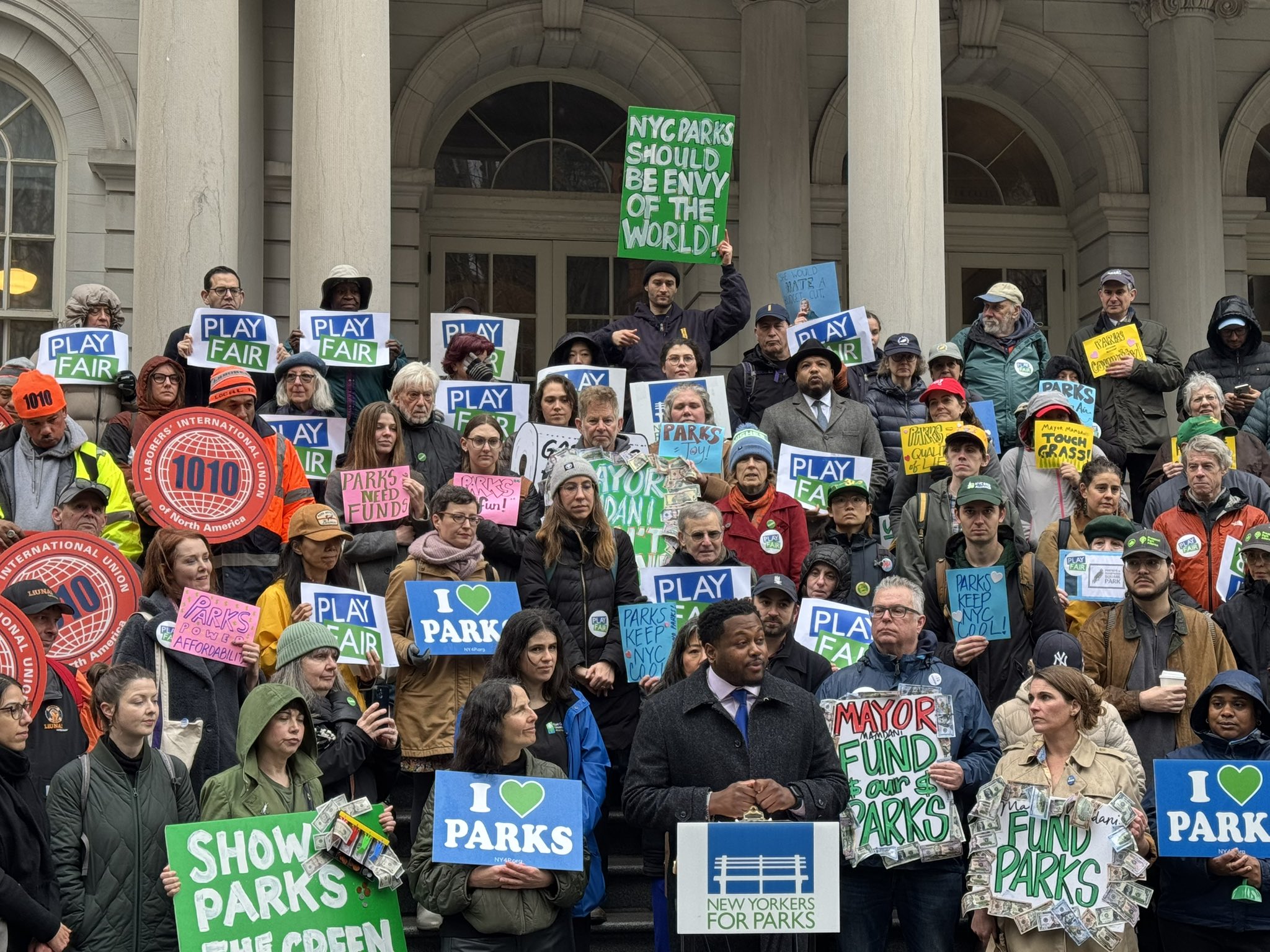
PlayFair for Parks Coalition


Over 35,000 New Yorkers agree: after four years of budget cuts under the Adams administration, Mayor Mamdani and the City Council must prioritize parks in this year’s city budget to protect affordability and quality of life for working-class families in every borough and deliver justice for thousands of union NYC Parks workers stretched thin.

We demand restorations to bring parks back to baseline:

  • Clean parks and working restrooms: Add cleaners to maintain 400 high-use parks and keep facilities functional throughout the day.
  • Faster park repairs: Add plumbers, electricians, and other tradespeople to fix broken equipment, lights, and facilities.
  • More and better-maintained trees: Hire forestry staff to clear the backlog of 20,000+ uninspected trees and plant more.
  • Well-maintained lawns and playing fields: Create dedicated mowing crews so parks and sports fields stay usable year-round.
  • Extended recreation center hours: Expand hours at all 36 recreation centers so more can open seven days a week with added programming.

Mayor Mamdani repeatedly pledged to dedicate 1% of the NYC budget to parks. As the Parks Department struggles to deliver basic services, the mayor’s first budget presents a critical opportunity to reverse the damage done by his predecessor, restore the basics, and put parks on a path to long-term success.


Read MoreTestimony Before NYC Council from Coalition 2026
  • Post category:News

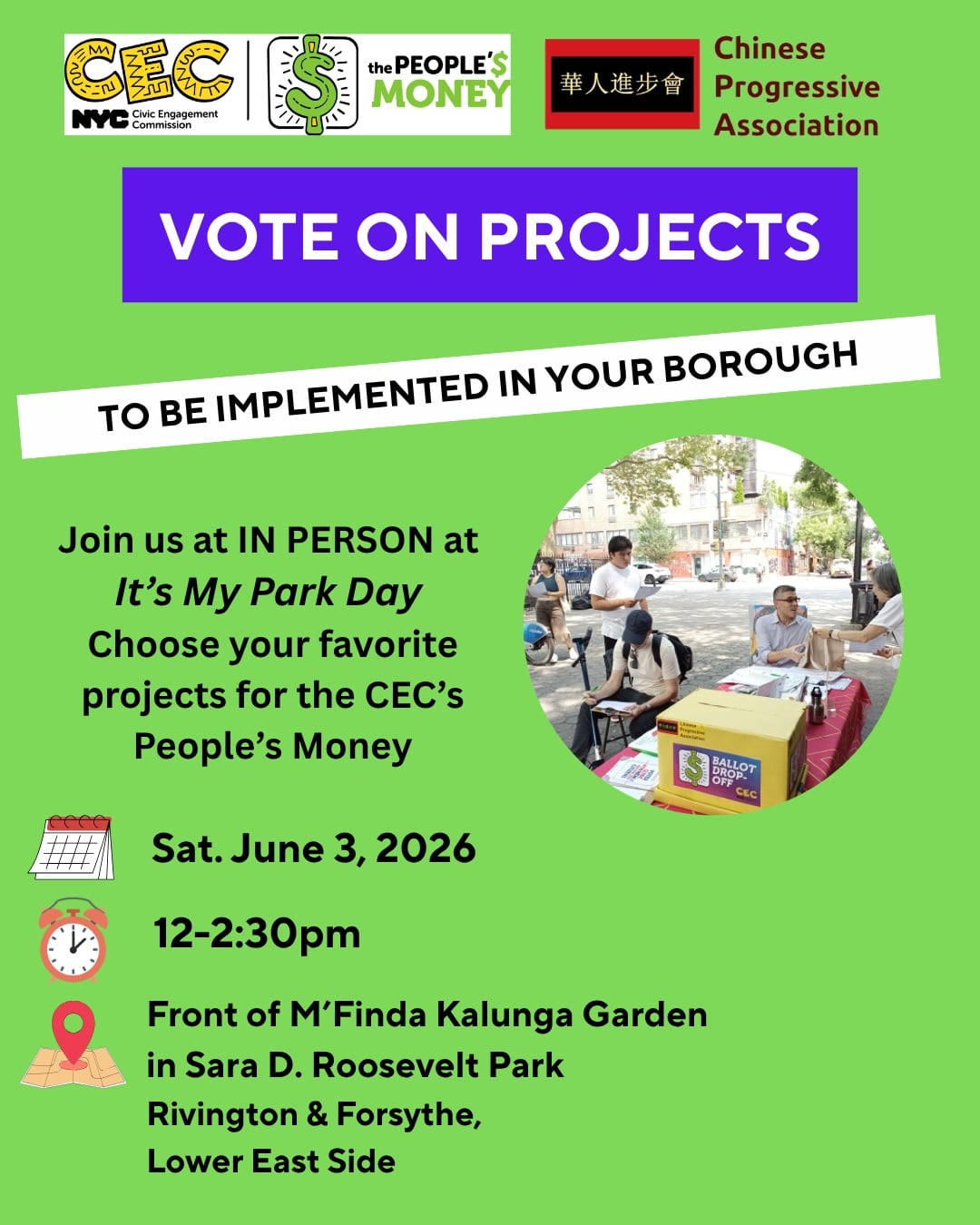
Shout Out to Mae Lee and The Chinese Progressive Association for Insisting We VOTE!!!

Out here on June 3rd encouraging us to Vote!!!


Read MoreShout Out to Mae Lee and The Chinese Progressive Association for Insisting We VOTE!!!
  • Post category:News

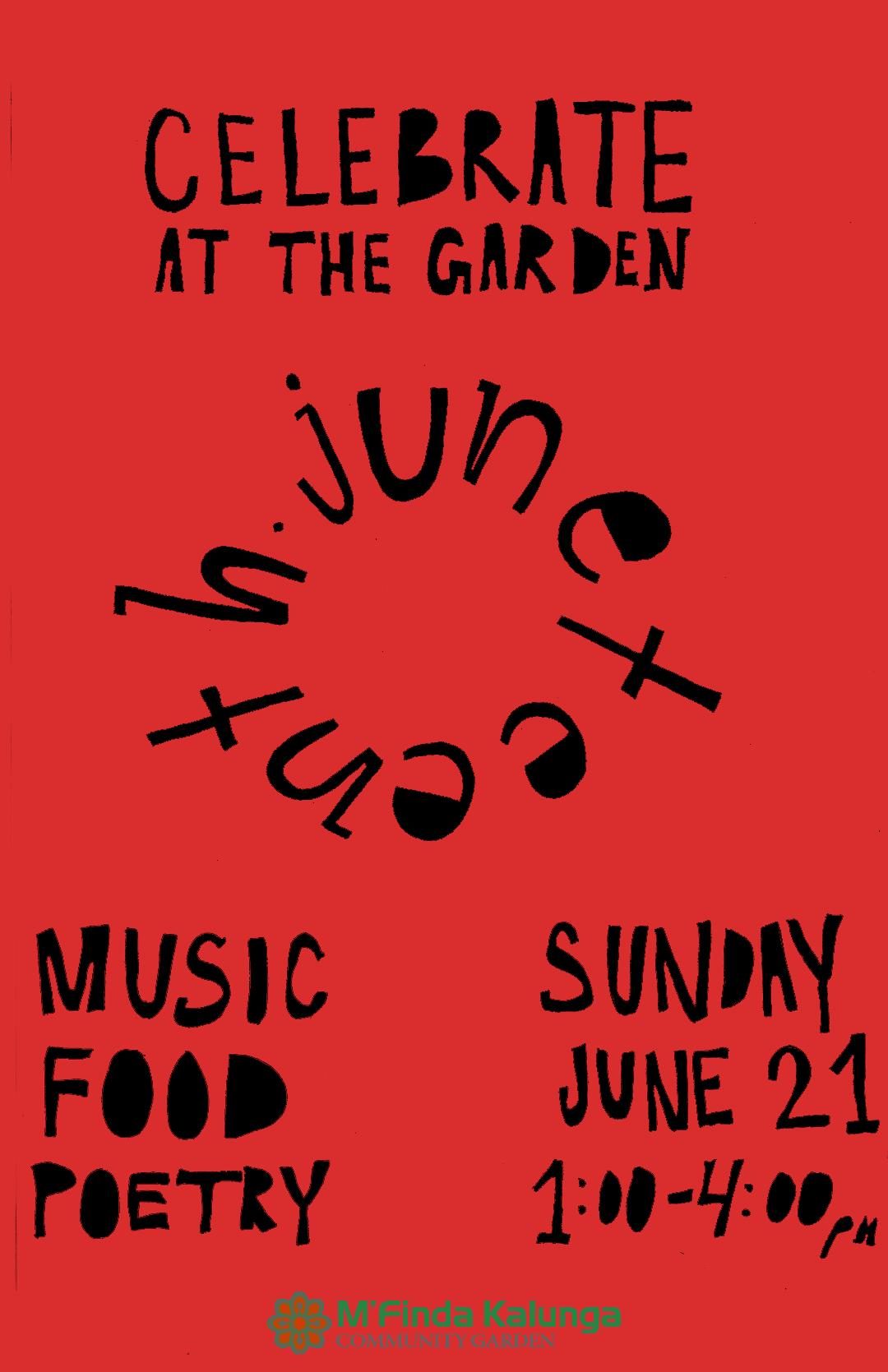
MKGarden Hosts Juneteenth Celebration Sunday June 21st 2026

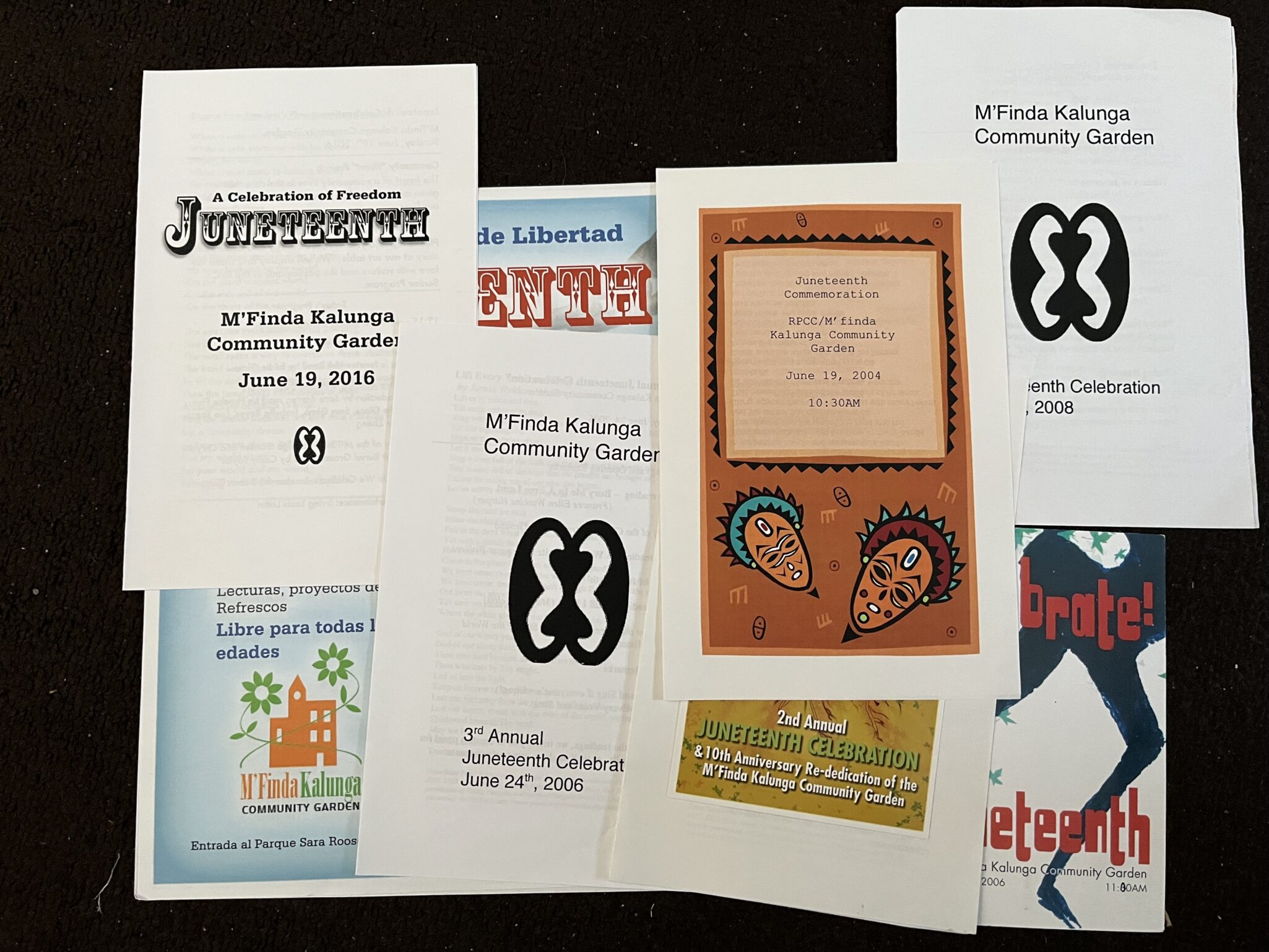
Past Juneteenths


Read MoreMKGarden Hosts Juneteenth Celebration Sunday June 21st 2026
  • Post category:News

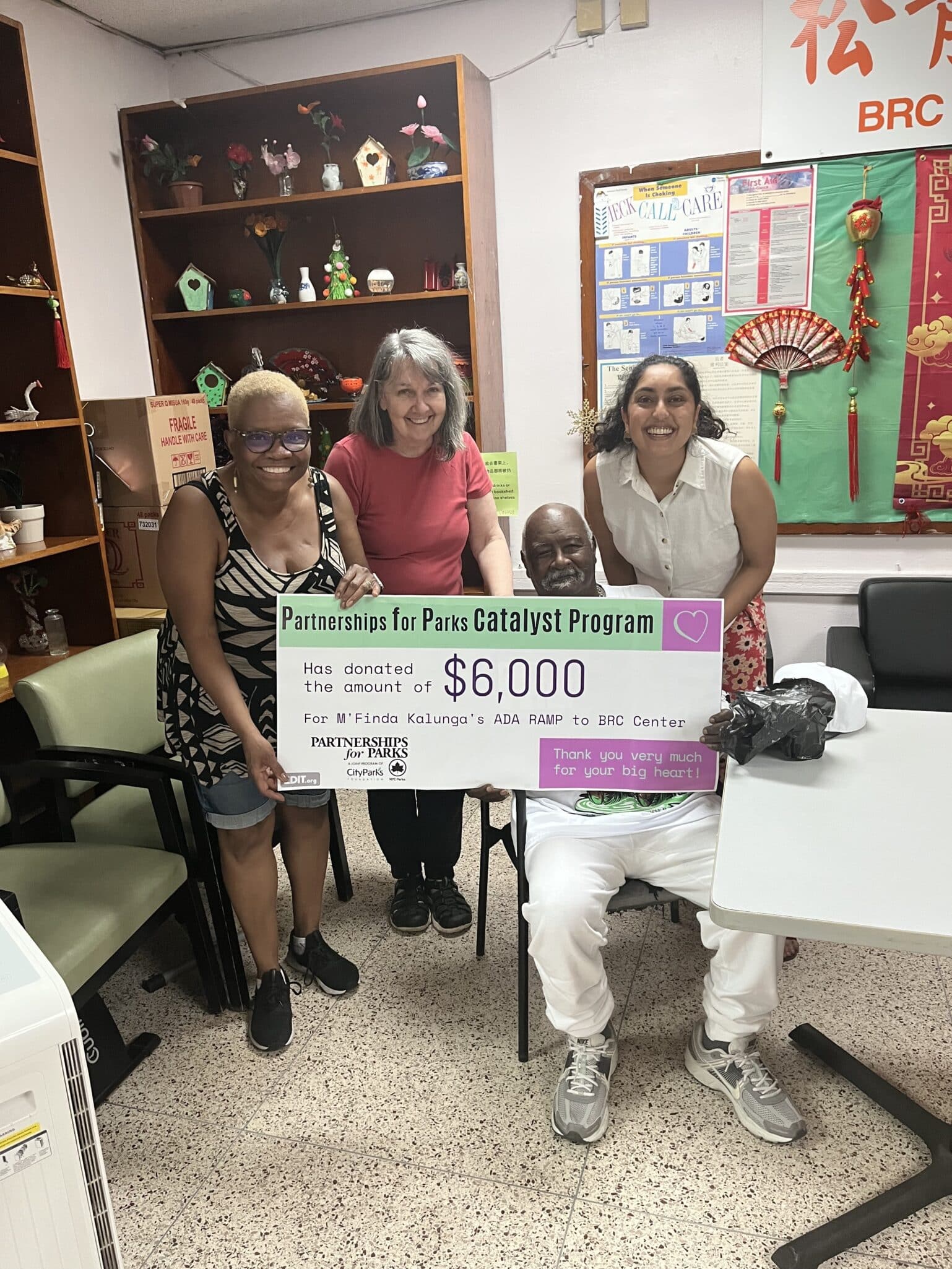
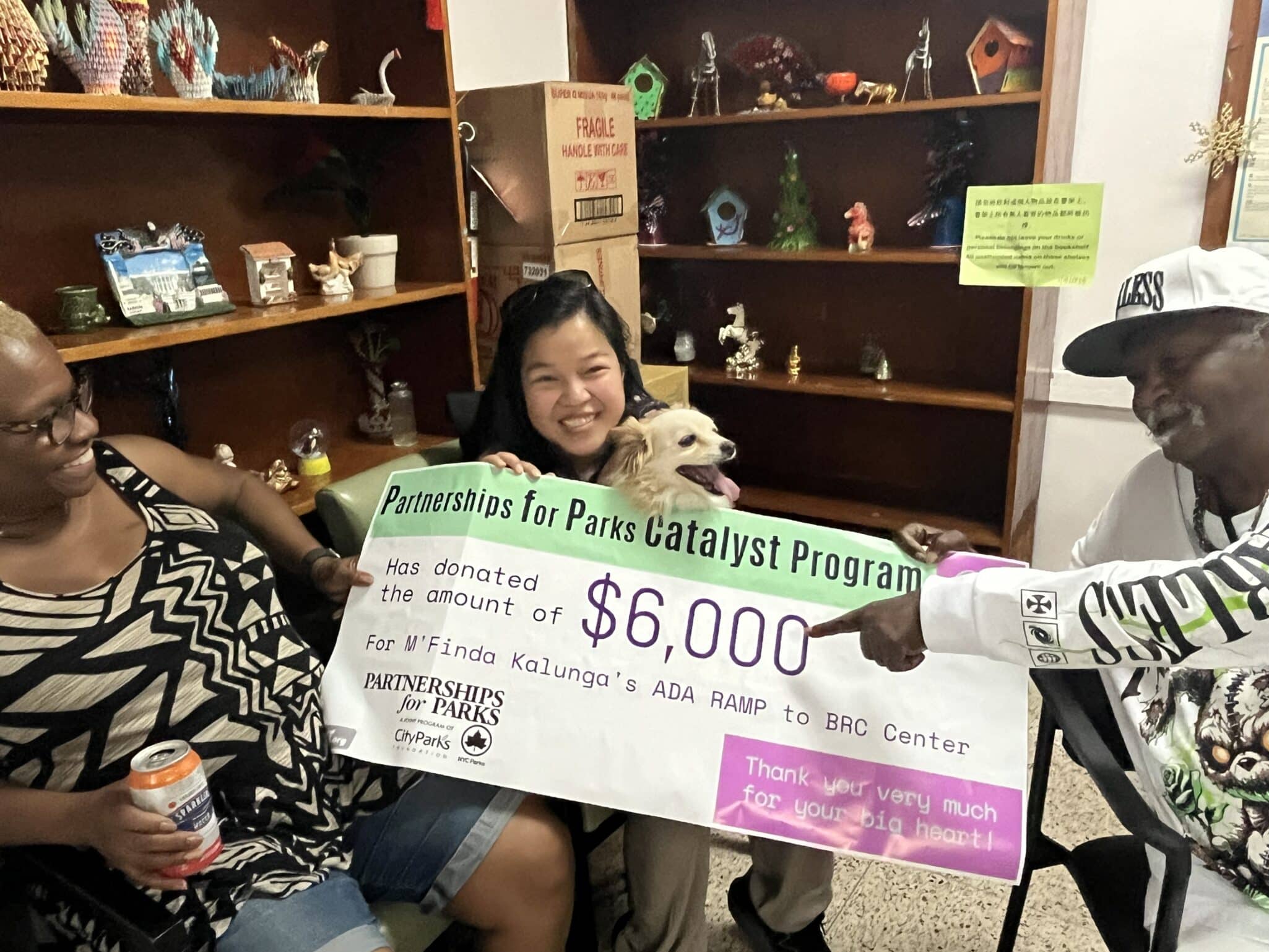
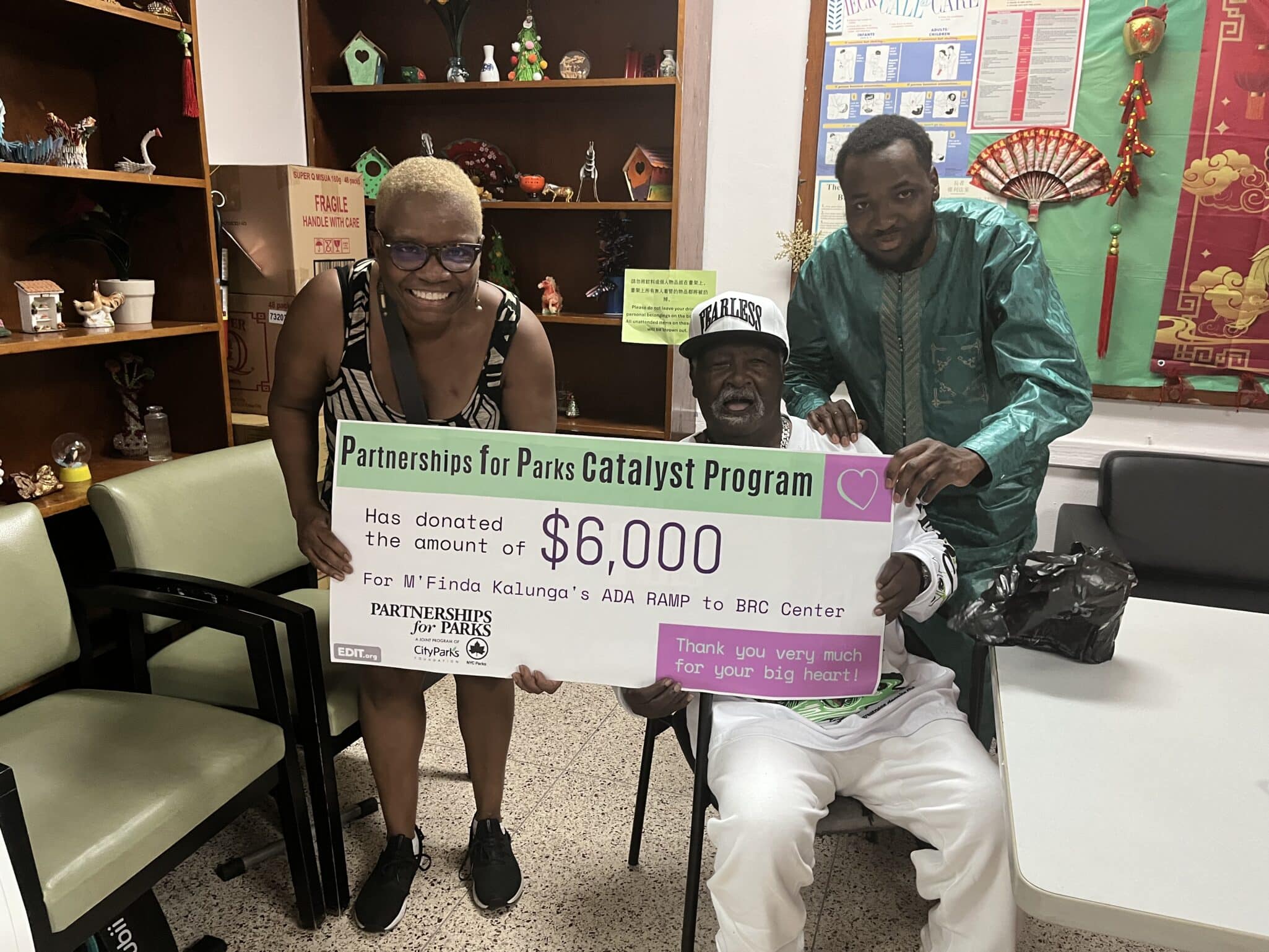
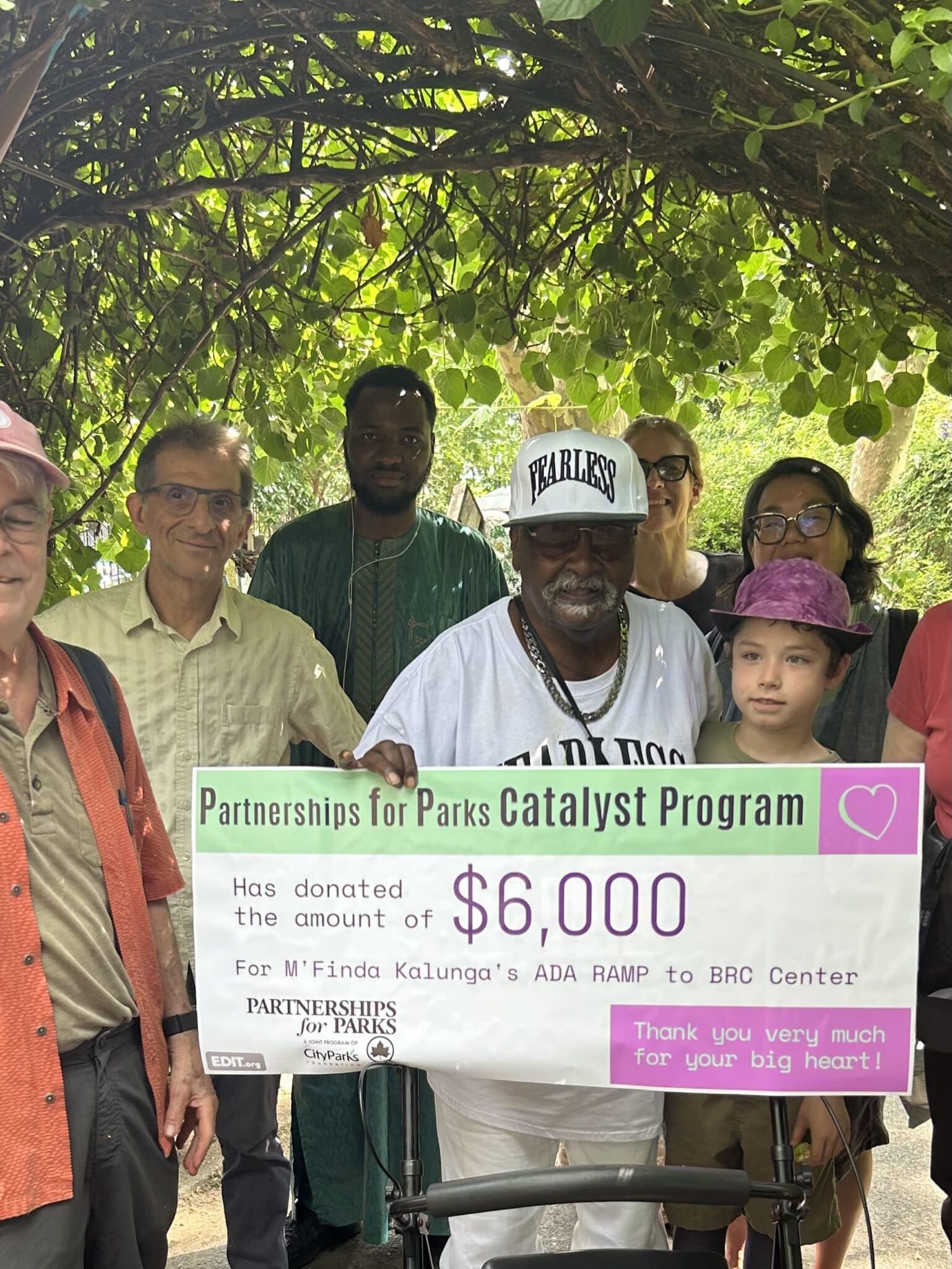
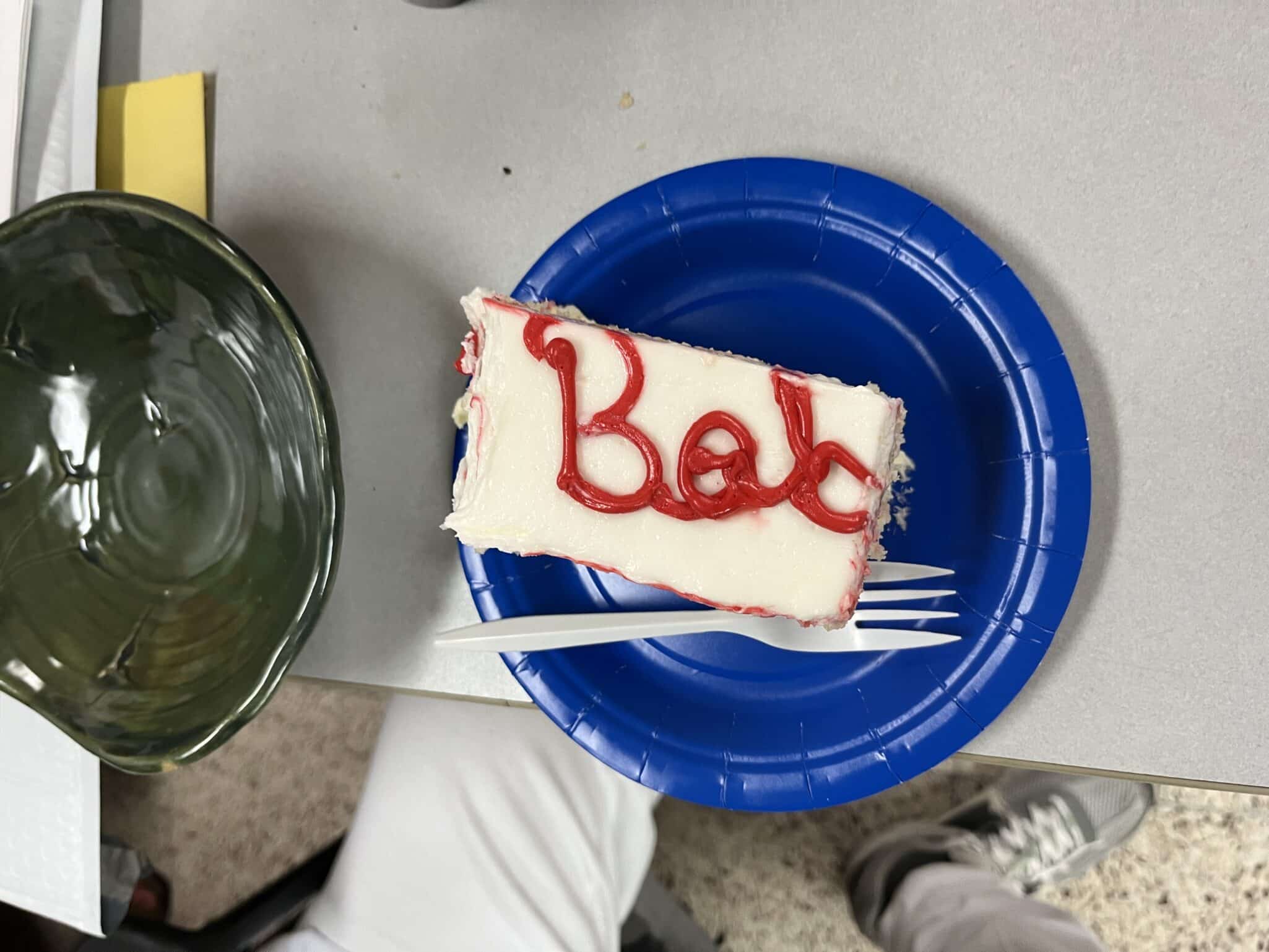
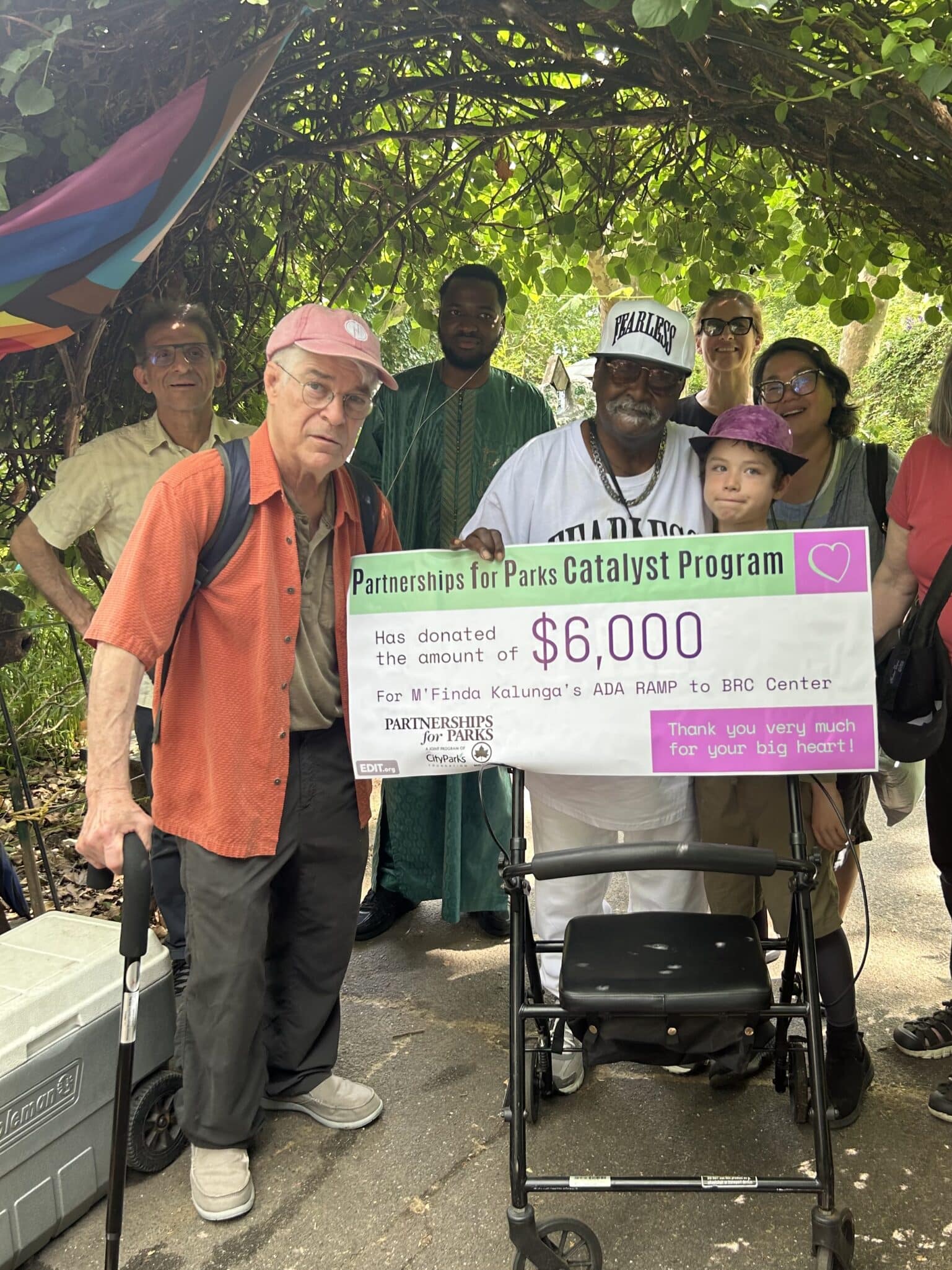
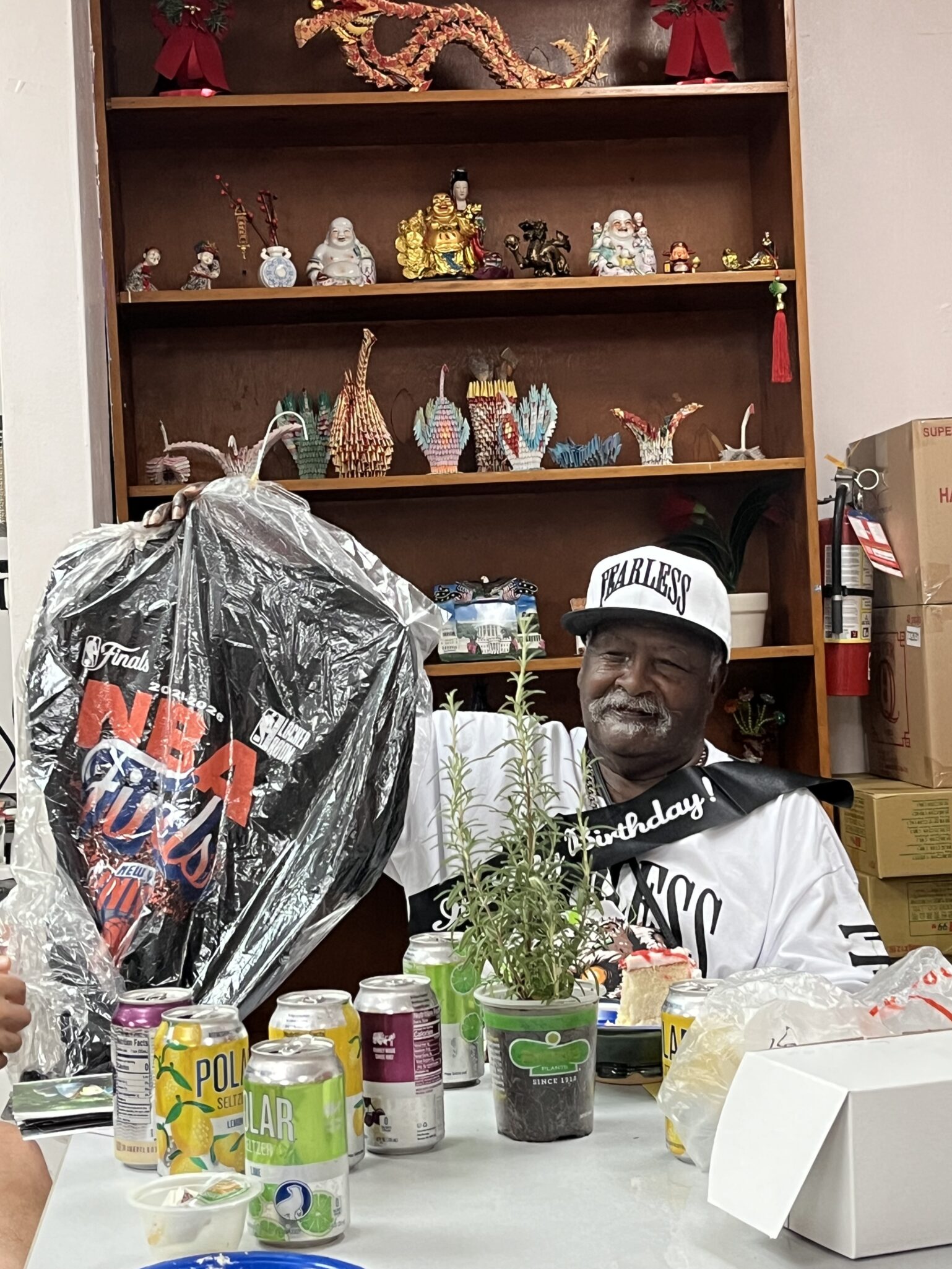
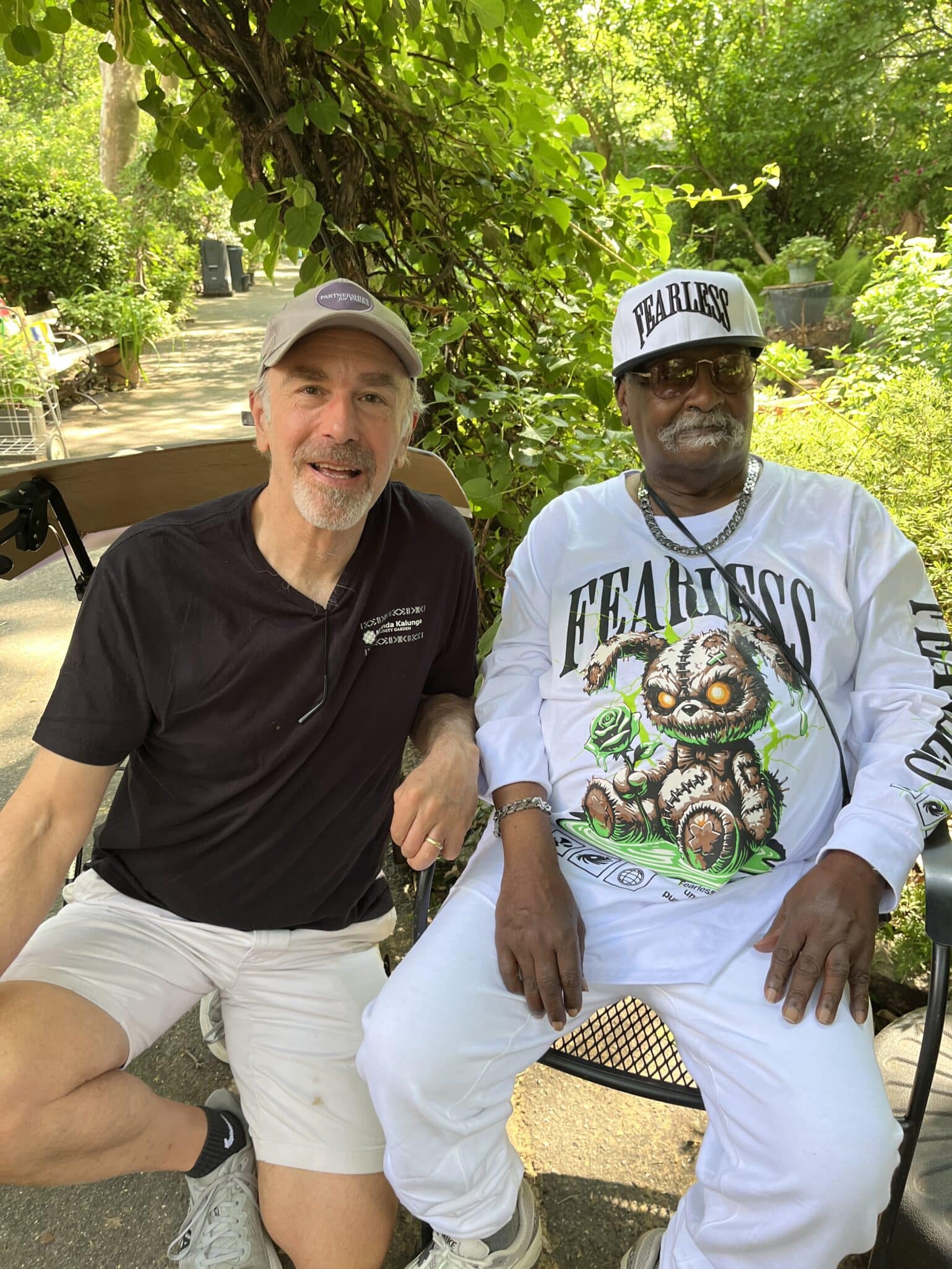
Bob Humber 90th Birthday (and a gift from Partnership for Parks for an ADA ramp for the Garden

Thank you Bob for being our guide, leader, and hope holder for four decades.

Thank you Partnerships for Parks Catalyst and Ted Enoch

And Irasema, Jen and all who made the Birthday celelbration happen!

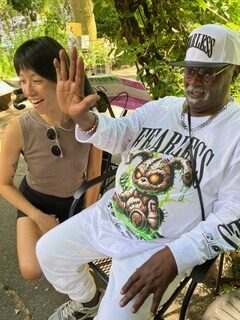
And thank you Jim for the Knicks T-shirt!


Although, in all honesty, Bob’s favorite gift might have been this Knicks T-shirt!


Read MoreBob Humber 90th Birthday (and a gift from Partnership for Parks for an ADA ramp for the Garden
  • Post category:News