
Our Condolences Tonight
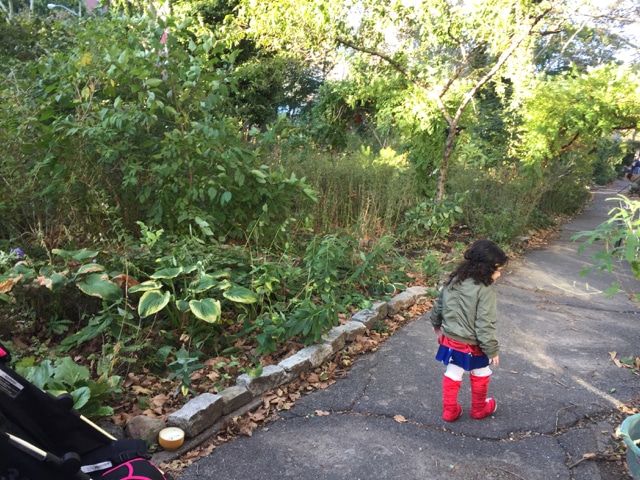
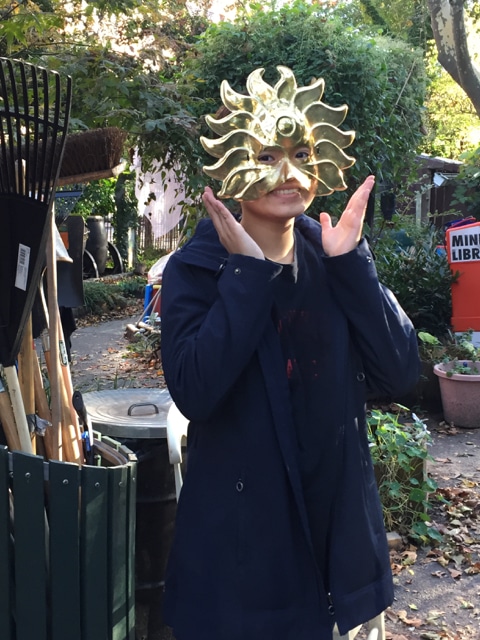
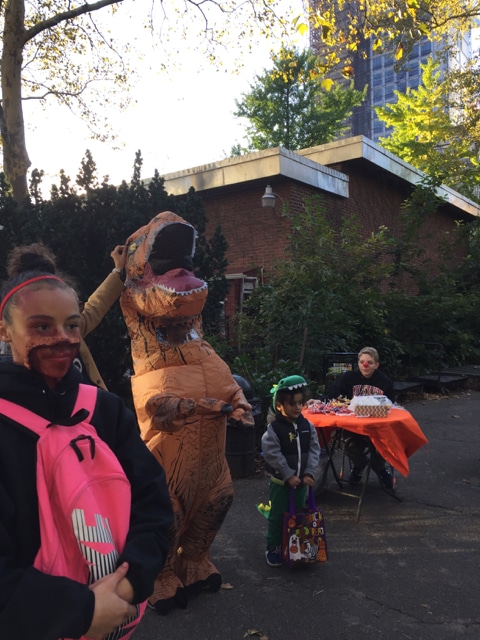
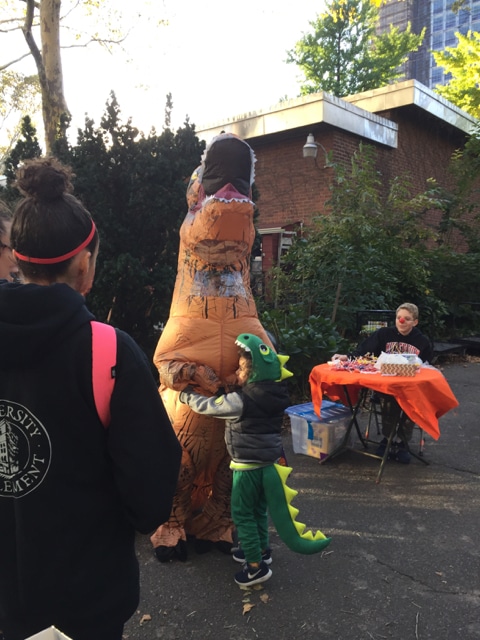
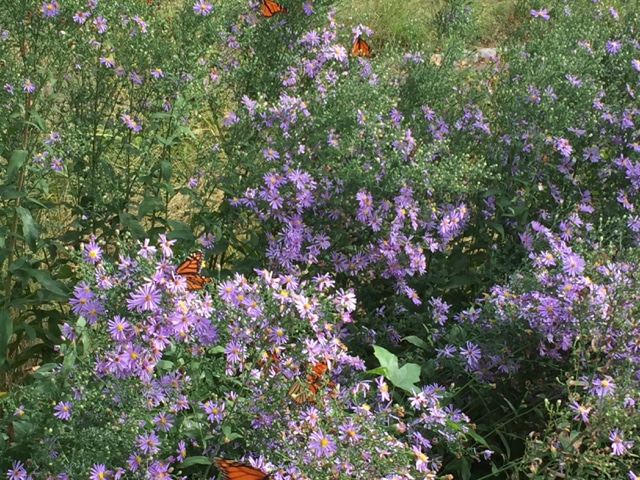
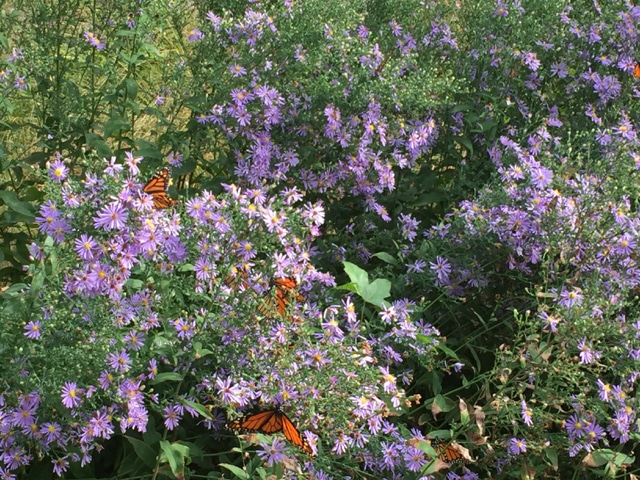
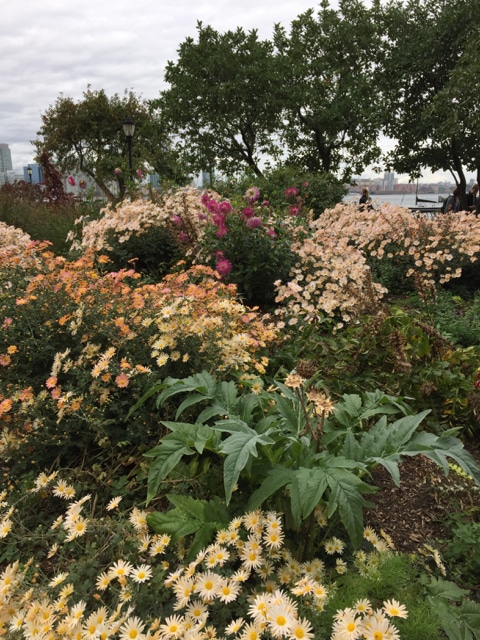
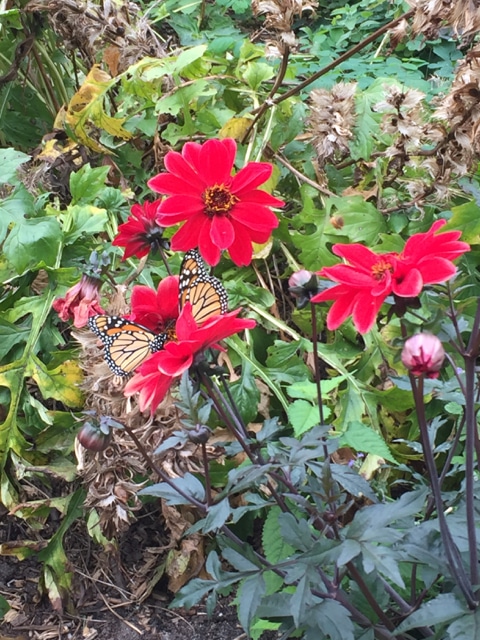
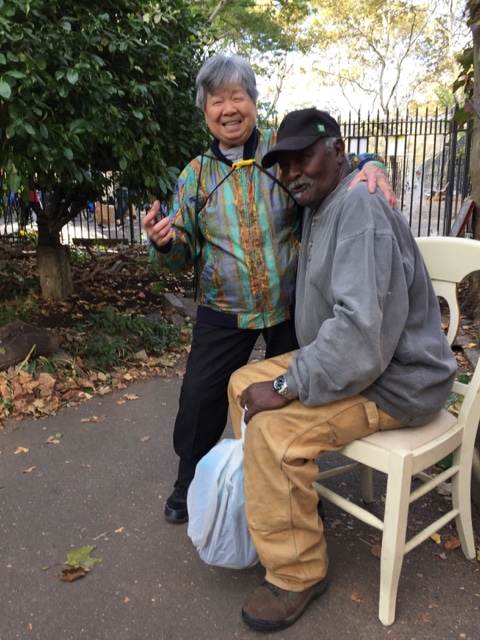
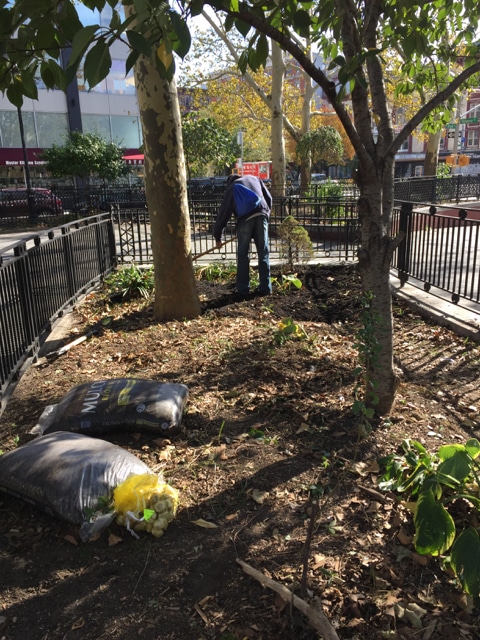
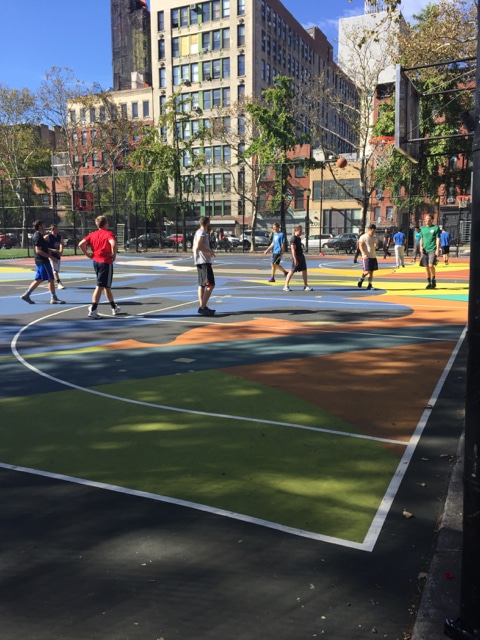
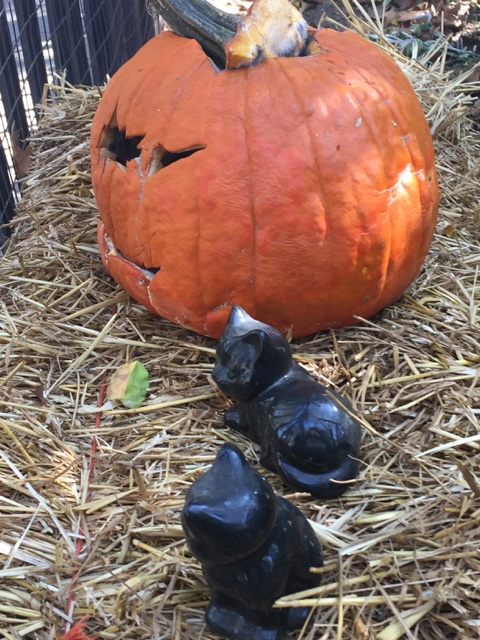
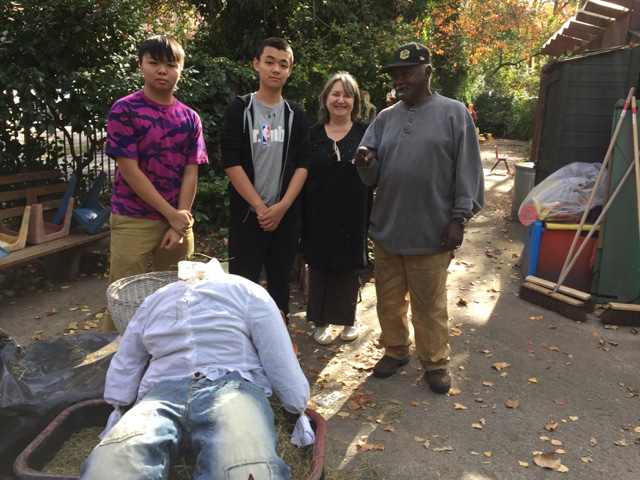
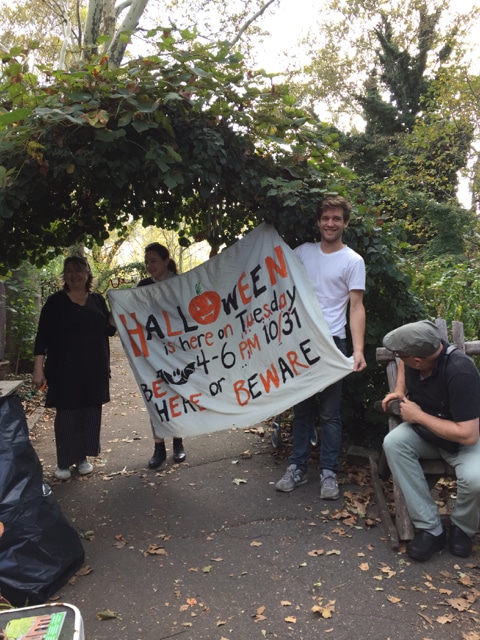
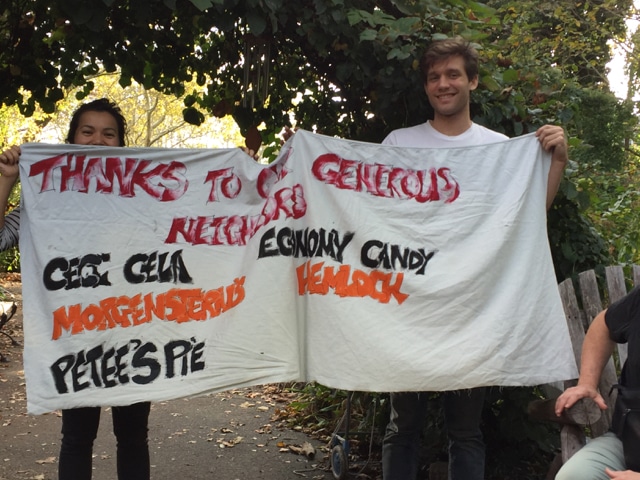
We were in the M’Finda Kalunga Garden celebrating Halloween when we heard.
Tonight our thoughts are with those who lost their lives today and with their families and friends.
Two poems. Barbara Kingsolvers written after 9/11 and Alice Walker on where we head after this.
A Pure, High Note of Anguish by Barbara Kingsolver
TUCSON — I want to do something to help right now.
But I can’t give blood (my hematocrit always runs too
low), and I’m too far away to give anybody shelter or
a drink of water. I can only give words. My verbal
hemoglobin never seems to wane, so words are what I’ll
offer up in this time that asks of us the best
citizenship we’ve ever mustered. I don’t mean to say I
have a cure. Answers to the main questions of the
day–Where was that fourth plane headed? How did they
get knives through security?–I don’t know any of
that.
I have some answers, but only to the questions nobody
is asking right now but my 5-year old. Why did all
those people die when they didn’t do anything
wrong? Will it happen to me? Is this the worst thing
that’s ever happened? Who were those children cheering
that they showed for just a minute, and why
were they glad? Please, will this ever, ever happen to
me?
There are so many answers, and none: It is desperately
painful to see people die without having done anything
to deserve it, and yet this is how lives end nearly
always. We get old or we don’t, we get cancer,
we starve, we are battered, we get on a plane thinking
we’re going home but never make it. There are
blessings and wonders and horrific bad luck and no
guarantees.
We like to pretend life is different from that, more
like a game we can actually win with the right
strategy, but it isn’t. And, yes, it’s the worst
thing that’s happened, but only this week. Two years
ago, an earthquake in Turkey killed 17,000 people in a
day, babies and mothers and businessmen, and not
one of them did a thing to cause it. The November
before that, a hurricane hit Honduras and Nicaragua
and killed even more, buried whole villages and
erased family lines and even now, people wake up there
empty-handed.
Which end of the world shall we talk about? Sixty
years ago, Japanese airplanes bombed Navy boys who
were sleeping on ships in gentle Pacific waters.
Three and a half years later, American planes bombed a
plaza in Japan where men and women were going to work,
where schoolchildren were playing, and more humans
died at once than anyone thought possible. Seventy
thousand in a minute. Imagine. Then twice that many
more, slowly, from the inside.
There are no worst days, it seems. Ten years ago,
early on a January morning, bombs rained down from the
sky and caused great buildings in the city of
Baghdad to fall down–hotels, hospitals, palaces,
buildings with mothers and soldiers inside–and here
in the place I want to love best, I had to watch
people cheering about it. In Baghdad, survivors shook
their fists at the sky and said the word “evil.” When
many lives are lost all at once, people gather
together and say words like “heinous” and “honor” and
“revenge,” presuming to make this awful moment stand
apart somehow from the ways people die a little
each day from sickness or hunger. They raise up their
compatriots’ lives to a sacred place–we do this, all
of us who are human–thinking our own citizens
to be more worthy of grief and less willingly risked
than lives on other soil. But broken hearts are not
mended in this ceremony, because, really, every life
that ends is utterly its own event–and also in some
way it’s the same as all others, a light going out
that ached to burn longer. Even if you never had the
chance to love the light that’s gone, you miss it. You
should.
You bear this world and everything that’s wrong with
it by holding life still precious, each time, and
starting over. And those children dancing in the
street? That is the hardest question. We would rather
discuss trails of evidence and whom to stamp out, even
the size and shape of the cage we might put ourselves
in to stay safe, than to mention the fact that our
nation is not universally beloved; we are also
despised. And not just by “The Terrorist,” that lone,
deranged non-man in a bad photograph whose opinion we
can clearly dismiss, but by ordinary people in
many lands. Even by little boys–whole towns full of
them it looked like–jumping for joy in school shoes
and pilled woolen sweaters.
There are a hundred ways to be a good citizen, and one
of them is to look finally at the things we don’t want
to see. In a week of terrifying events, here is one
awful, true thing that hasn’t much been mentioned:
Some people believe our country needed to learn how to hurt
in this new way. This is such a large lesson, so
hatefully, wrongfully taught, but many people before
us have learned honest truths from wrongful deaths. It
still may be within our capacity of mercy to say this
much is true: We didn’t really understand how it felt
when citizens were buried alive in Turkey or Nicaragua
or Hiroshima. Or that night in Baghdad. And we
haven’t cared enough for the particular brothers and
mothers taken down a limb or a life at a time, for
such a span of years that those little, briefly
jubilant boys have grown up with twisted hearts. How
could we keep raining down bombs and selling weapons,
if we had? How can our president still use that word
“attack” so casually, like a move in a checker game,
now that we have awakened to see that word in our own
newspapers, used like this: Attack on America.
Surely, the whole world grieves for us right now. And
surely it also hopes we might have learned, from the
taste of our own blood, that every war is both
won and lost, and that loss is a pure, high note of
anguish like a mother singing to any empty bed. The
mortal citizens of a planet are praying right
now that we will bear in mind, better than ever
before, that no kind of bomb ever built will
extinguish hatred.
“Will this happen to me?” is the wrong question, I’m
sad to say. It always was.
Turning Madness into Flowers -Alice Walker
It is my thought that the ugliness of war, of gratuitous violence in all its hideous forms, will cease very soon to appeal to even the most insulated of human beings. It will be seen by all for what it is: a threat to our well-being, to our survival as a species, and to our happiness. The brutal murder of our common mother, while we look on like frightened children, will become an unbearable visceral suffering that we will refuse to bear. We will abandon the way of the saw, the jackhammer and the drill.
Of bombs, too.
As religious philosophies that espouse or excuse violence reveal their true poverty of hope for humankind, there will be a great awakening, already begun, about what is of value in life.
We will turn our madness into flowers as a way of moving completely beyond all previous and current programming of how we must toe the familiar line of submission and fear, following orders given us by miserable souls who, somehow have managed to almost completely control us. We will discover something wonderful: that the world really does not enjoy following psychopaths, those who treat the earth our mother, as if she is wrong, and must be corrected, in as sadistic and domineering a way as that of a drunken husband who kills his wife.
The world – the animals, including us humans – wants to be engaged in something entirely other, seeing, and delighting in, the stark wonder of where we are: This place. This gift. This paradise.
We want to follow joy.
And we shall.
The madness, of course, for each one of us, will have to be sorted out.





Statements Supporting Proposal:
Adirondack Council
The Adirondack and Catskill parks are special. Both contain public and private lands, arranged in a patchwork/checkerboard pattern.
Private lands in both parks contain communities, homes and businesses. Public lands are the State Forest Preserve. They are protected by the Constitution and must remain forever wild.
Periodically, a small section of Forest Preserve can prevent completion of a roadside municipal project. This amendment would create a small land bank (250 acres) to assist Adirondack and Catskill communities, when no alternatives exist.
Communities could use the bank to remove dangerous curves, replace bridges, install utility lines, electricity, water, telecommunications, drinking water wells or bike lanes along short segments of local roads that cross Forest Preserve. Currently, even the smallest of such projects would require an individual Constitutional Amendment.
To qualify, projects must be limited to one mile or less of local road. Lands removed from the Forest Preserve would be replaced from the bank.
No gas/oil pipelines allowed. Larger, more complicated land swaps would still require a Constitutional Amendment, including permission from the voters.