DOH Alert: DOHMH.Alert@dccnotify.com
Wednesday, July 24, 2019 4:25 PM
NYC DOHMH Alert #18 – West Nile Virus – Detection of First Positive Mosquito Pools in 2019
• West Nile virus (WNV) has been detected in mosquitoes collected from Staten Island and Queens.
• Mosquito activity in New York City usually peaks in July. To date, no human cases have been reported in NYC this year.
• WNV disease should be suspected in patients presenting with viral meningitis or encephalitis, acute flaccid paralysis, and/or symptoms compatible with West Nile fever, particularly now through October 31.
- The most sensitive screening test for WNV in humans is IgM enzyme immunoassay on cerebrospinal fluid and/or serum. Testing is widely available at commercial laboratories.
- PCR testing, while confirmatory, is less sensitive. However, it may be the best option for patients who are severely immunosuppressed and unable to mount a detectable immune response.
• Advise patients, especially adults 50 years and older or persons with weakened immune systems, to protect themselves from mosquito bites.
• Report all cases of encephalitis or any laboratory evidence of current or recent infection with WNV or any other arboviral infection to the Health Department.
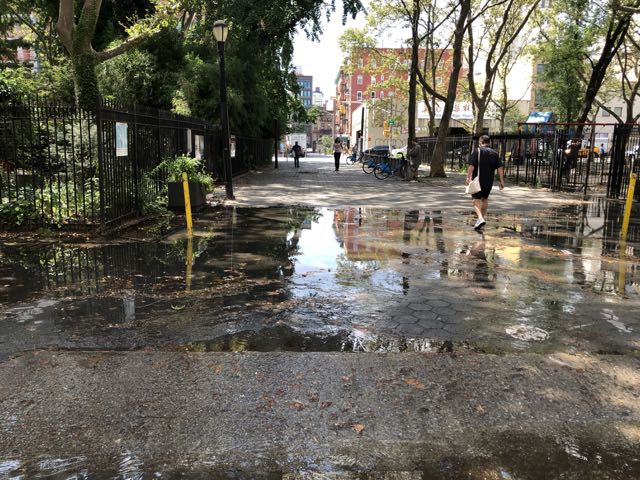
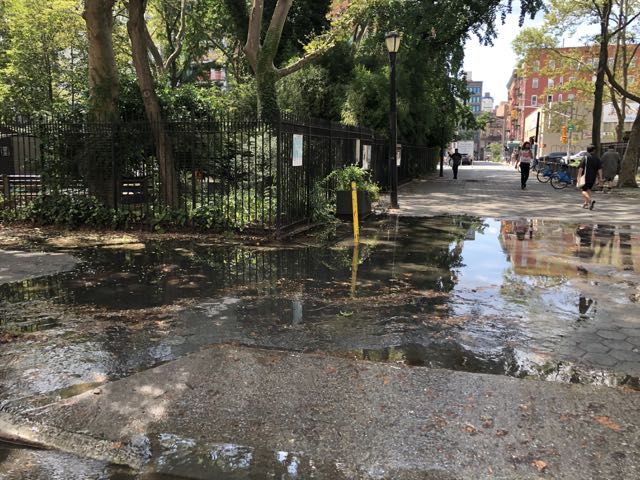
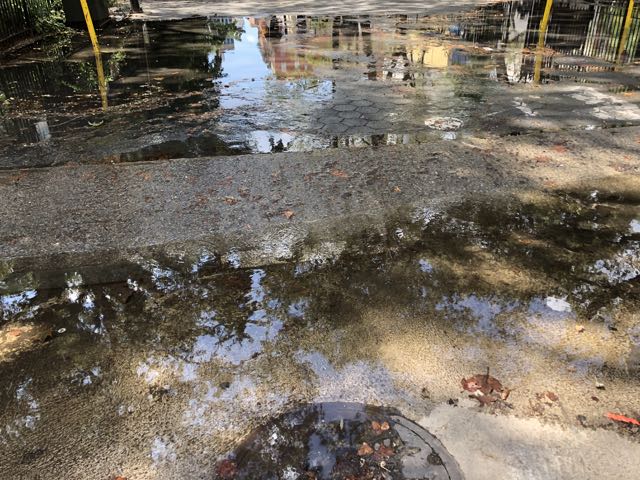
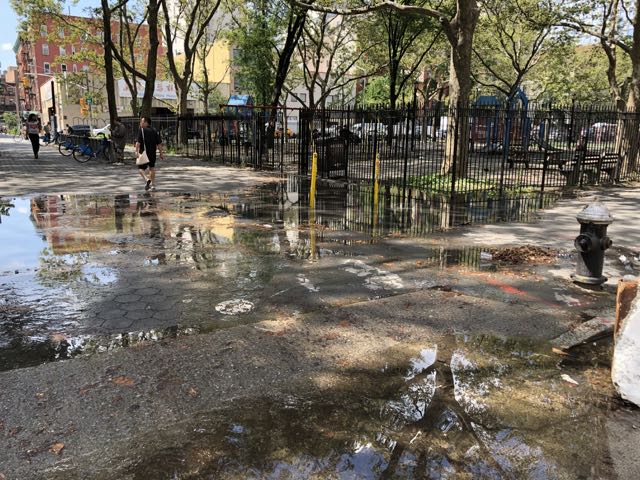
West Nile virus (WNV) has been detected in mosquitoes from Staten Island, Queens, and Brooklyn. You can find real-time surveillance data to monitor WNV activity in NYC at nyc.gov/health and search “WNV activity”. To date, there are a total of 61 positive mosquito pools (54 in Staten Island, 6 in Queens, and 1 in Brooklyn) in 2019 compared to 243 positive pools at the same time last season (2018). Mosquito populations are rising significantly following recent heavy rains. The Health Department has begun widespread larviciding and enhanced mosquito surveillance activities.
To date, there have been no human cases of WNV in NYC this year. As of July 9, 2019, a total of 39 cases of WNV disease have been reported this year across the United States, including one case in New Jersey.
West Nile Virus Surveillance and Reporting
The Health Department reminds medical providers to be alert for possible cases of WNV disease now through October 31, the peak adult mosquito season. Consider WNV in any patient with unexplained encephalitis, viral meningitis, or acute flaccid paralysis, as well as in patients with symptoms compatible with West Nile fever, which can include fever, maculopapular rash, headache, fatigue, weakness, joint and muscle pain, as well as nausea, vomiting and diarrhea.
Laboratory Testing
Specimens for serologic testing for WNV should be sent to a commercial laboratory or your hospital laboratory, if available. The most sensitive screening test for WNV in humans is IgM enzyme immunoassay (EIA) on cerebrospinal fluid (CSF) and/or serum. WNV-specific IgM antibodies are usually detectable within 8 days of symptom onset. Viral RNA testing using polymerase chain reaction (PCR) can be done on CSF and serum but it is less sensitive than the immunoassay. A positive PCR result confirms infection, but a negative result does not rule it out. Always attempt to submit serum for serology when submitting specimens for PCR as a negative PCR does not necessarily rule out infection. PCR testing on CSF, or serum or plasma may be useful for severely immunocompromised patients and the only way to diagnose WNV infection in individuals who are unable to mount a detectable humoral immune responses. Immunohistochemical (IHC) staining is also offered by the Centers for Disease Control and Prevention, if brain tissue is available for testing. Health care providers wishing to submit CSF from patients with encephalitis to the New York State Wadsworth Center for the viral encephalitis PCR panel must adhere to the submission guidelines, which are available online (links listed below). In special cases, the NYC Health Department can assist with testing or transporting specimens to Wadsworth, e.g., cases potentially due to an unusual source of transmission, such as transfusion, transplant or laboratory exposure.
Updated “Guidelines for West Nile Virus Testing and Reporting Cases of Encephalitis and Viral Meningitis, West Nile and other Arboviral Infections” are available online at: http://www1.nyc.gov/assets/doh/downloads/pdf/wnv/wnv-testing-instructions.pdf. This document includes a list of commercial laboratories that provide West Nile virus serologic testing, viral PCR or viral isolation testing, and links to the Wadsworth Center guidance for submitting CSF and serum for the PCR Viral Encephalitis* and Arboviral Serology* panels.
Viral Encephalitis PCR Summer Panel and Arboviral Serology Screen testing at Wadsworth Center’s Viral Encephalitis Laboratory (VEL)
PLEASE NOTE: Always attempt to submit serum for serology along with specimens submitted for the Arboviral PCR panel.
Instructions, forms and information for submitting specimens to the Wadsworth Center VEL for viral encephalitis PCR testing can be found at wadsworth.org/programs/id/virology/services/encephalitis:
1) Collection and submission of specimens for viral encephalitis testing
2) Infectious Diseases Requisition Form
3) The Wadsworth Center VEL shipping address for viral PCR panel specimens
Zika, Dengue and Chikungunya
Zika, dengue, and chikungunya are three other types of arboviruses occasionally diagnosed among NYC residents. These viruses are associated with travel to an endemic area or, for Zika virus, condomless sex with a person who has traveled to an endemic area. None are associated with encephalitis, but can result in illness similar to West Nile fever in which patients present with fever and rash.
For information on recognizing, diagnosing, and reporting these diseases, visit our website at nyc.gov/health and search by disease, or use the links below:
• Zika information for providers: https://www1.nyc.gov/site/doh/providers/reporting-and-services/zika.page
• Dengue testing and reporting guidelines: https://www1.nyc.gov/assets/doh/downloads/pdf/cd/dengue-testing-and-reporting-guidance.pdf
• Chikungunya testing and reporting guidelines: https://www1.nyc.gov/assets/doh/downloads/pdf/cd/chikungunya-testing.pdf
Reporting to the Health Department:
Encephalitis should be reported routinely throughout the year, as required by the NYC Health Code. Arboviral infections, including West Nile virus, with laboratory evidence of recent or current infection should be reported immediately, as required by the NYC Health Code. For consultation or to report a case of WNV or other arboviral infections to the NYC Health Department:
• Call the Provider Access Line at 866-692-3641, or
• Fax the completed Universal Reporting Form to 347-396-2632, or
• Complete the electronic Universal Reporting Form at nyc.gov/health/diseasereporting
The successful detection and control of WNV in NYC has been due in large part to our Health Department’s ongoing excellent partnership with the city’s medical and laboratory communities. Thank you for your continuing efforts.
Sincerely,
Sally Slavinski, DVM, MPH, DACVPM
Assistant Director
Zoonotic, Influenza and Vector-borne Disease Unit
Bureau of Communicable Disease
Emily McGibbon, MPH
Research Scientist
Zoonotic, Influenza and Vector-borne Disease Unit
Bureau of Communicable Disease
_______________________________________________________________________________