
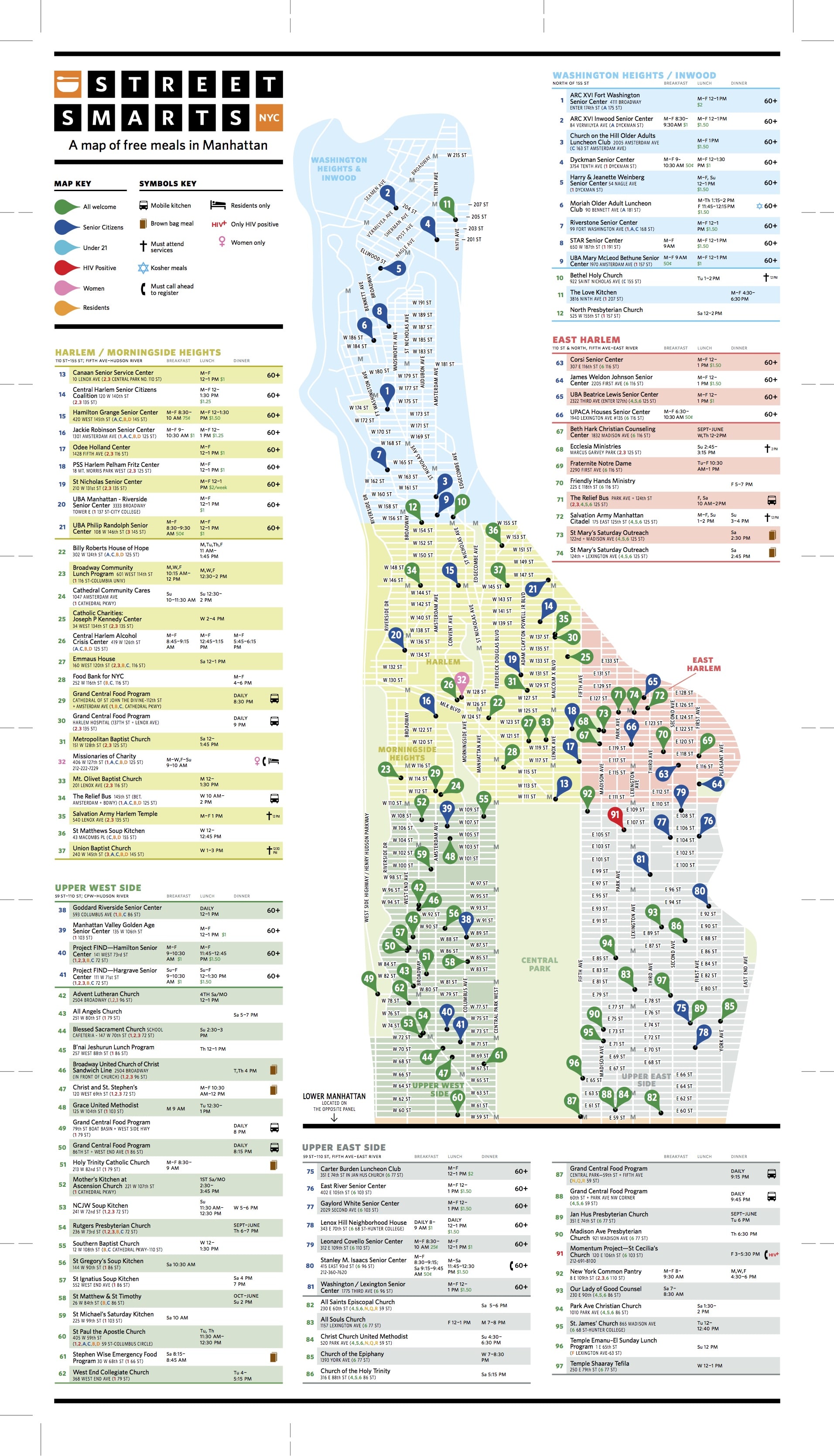
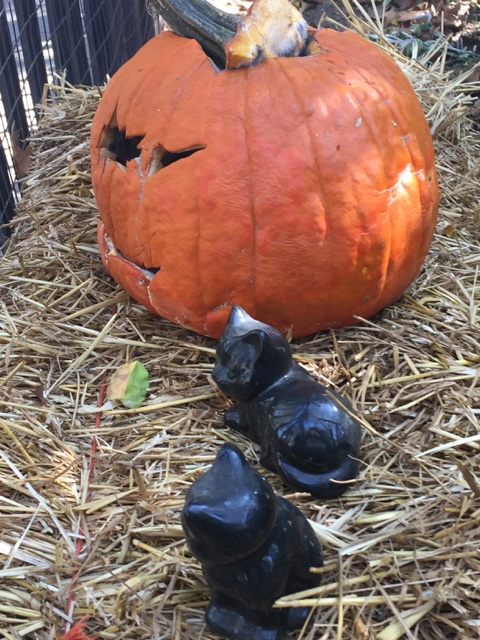
M’Finda Kalunga Halloween Postponed Due to Weather – Now 2-4pm Tuesday Halloween!
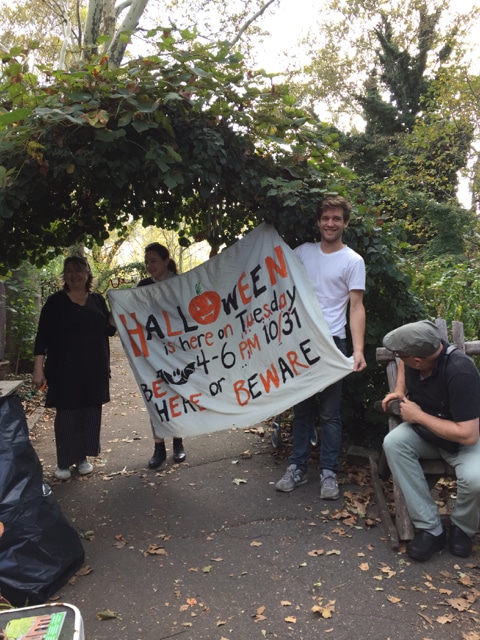
Prepping for Halloween Now on Tuesday October 31st from 4pm-6pm
November 7th: A Ballot Question On “Forever Wild Lands” (Please Read- It’s Not as Simple as it Sounds!)
From Gotham Gazette:
IMPORTANT There will be 3 crucial questions on the ballot this November 7th! Once concerns Preserved Land in NYState.
– Proposal 1: Constitutional Convention
– Proposal 2: Strip Public Pensions from Government Officials Convicted of Public Corruption.
– Proposal 3: Development on Forever Wild Lands
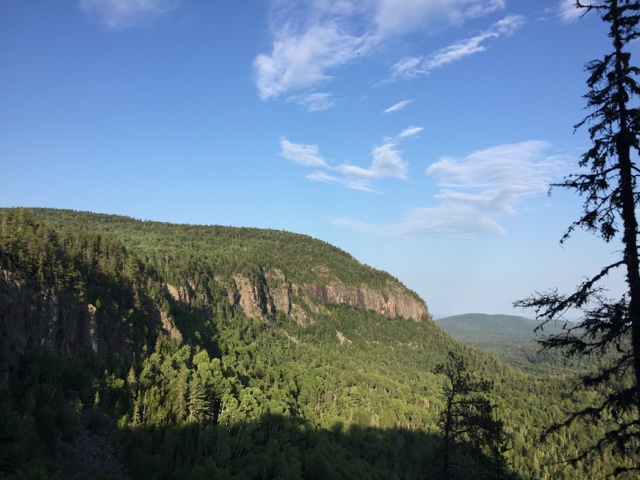
The third ballot question concerns a proposal to allow certain development on some of the state’s “forever wild” land preserves. Per the current constitution, these lands are preserved with no room for further development.
The proposal would create a 250 acre land bank that municipal governments could utilize to build infrastructure projects deemed necessary for the safety and economic vitality of the surrounding regions, on the condition that an additional 250 acres of forest are added to the state’s protected forest reserve in replacement. The provision, which is supported by most elected officials in the direct areas involved and by environmental groups, would also allow the construction of bike paths, sewer lines, and other public infrastructure within the width of highways in the preserve. The measure aims to provide basic infrastructure, like water wells, and promote economic development in rural areas upstate.
The amendment was overwhelmingly approved in the most recent state legislative session. In the Assembly, it passed 131 to 0, with 19 abstentions. In the Senate, it passed 61 to 0, with 2 abstentions.
Like proposal 2, opposition to this amendment is virtually non-existent. There is some concern, though, that energy for the “no” vote for the constitutional convention could theoretically lead to “no” votes for the remaining two questions despite widespread public support.
More information NYTimes article:
How it will look on the ballot here.
Proposal 3: Authorizing the Use of Forest Preserve Land for Specified Purposes
The proposed amendment will create a land account with up to 250 acres of forest preserve land eligible for use by towns, villages, and counties that have no viable alternative to using forest preserve land to address specific public health and safety concerns; as a substitute for the land removed from the forest preserve, another 250 acres of land, will be added to the forest preserve, subject to legislative approval. The proposed amendment will also allow bicycle trails and certain public utility lines to be located within the width of specified highways that cross the forest preserve while minimizing removal of trees and vegetation. Shall the proposed amendment be approved?
Explanation:
The “forever wild” provision in the New York State Constitution protects the Adirondack and Catskill parks by banning any new development unless it is specifically approved by state voters through a constitutional amendment.
The proposed amendment would create two exceptions. First, it would create a land bank of up to 250 acres of forest preserve land. A town, village, or county could make a financial contribution to a forest preserve expansion account and apply to the Department of Environmental Conservation to use forest preserve land, if it has no viable alternative, for the following health and safety purposes:
- To address bridge hazards or eliminate dangerous curves or grades on specified highways.
- To relocate, reconstruct, or maintain highways (with relocation limited to one mile of road).
- For water wells within 530 feet of a specified highway, to meet drinking quality standards.
Second, it would allow bicycle paths and public utility lines to be located within the widths of specified highways that cross forest preserve lands, and the addition of stabilization devices (such as guy wires) for existing utility poles if no other viable option exists. The amendment requires that such work minimize the removal of trees and vegetation, and it prohibits the construction of any new intrastate gas or oil pipeline that was not approved at the state and local level prior to June 1, 2016.
The state will acquire 250 acres to add to the forest preserve to replace the land placed in the health and safety account, subject to approval by the Legislature.
Reasons to Vote Yes
- Communities in the parks need the ability to repair their decaying infrastructure and access new services like broadband internet.
- Any loss of preserved lands will be offset by the land bank’s purchase of new lands to add to the forest preserve.
- The amendment allows use of the land bank for a narrow set of specifically designated purposes, thereby safeguarding against abuse of the process. The size of the land bank, which will be a maximum of 250 acres, will protect against over-development.
- The flexibility created by the amendment would allow local governments to respond to crises such as the loss of a potable water source more quickly than through the current amendment process.Statements Supporting Proposal
Reasons to Vote No
- The current process requiring a constitutional amendment to develop “forever wild” lands ensures that voters can control the process and assess the costs and benefits of each specific development project.
Statements Opposing the Proposal (none)
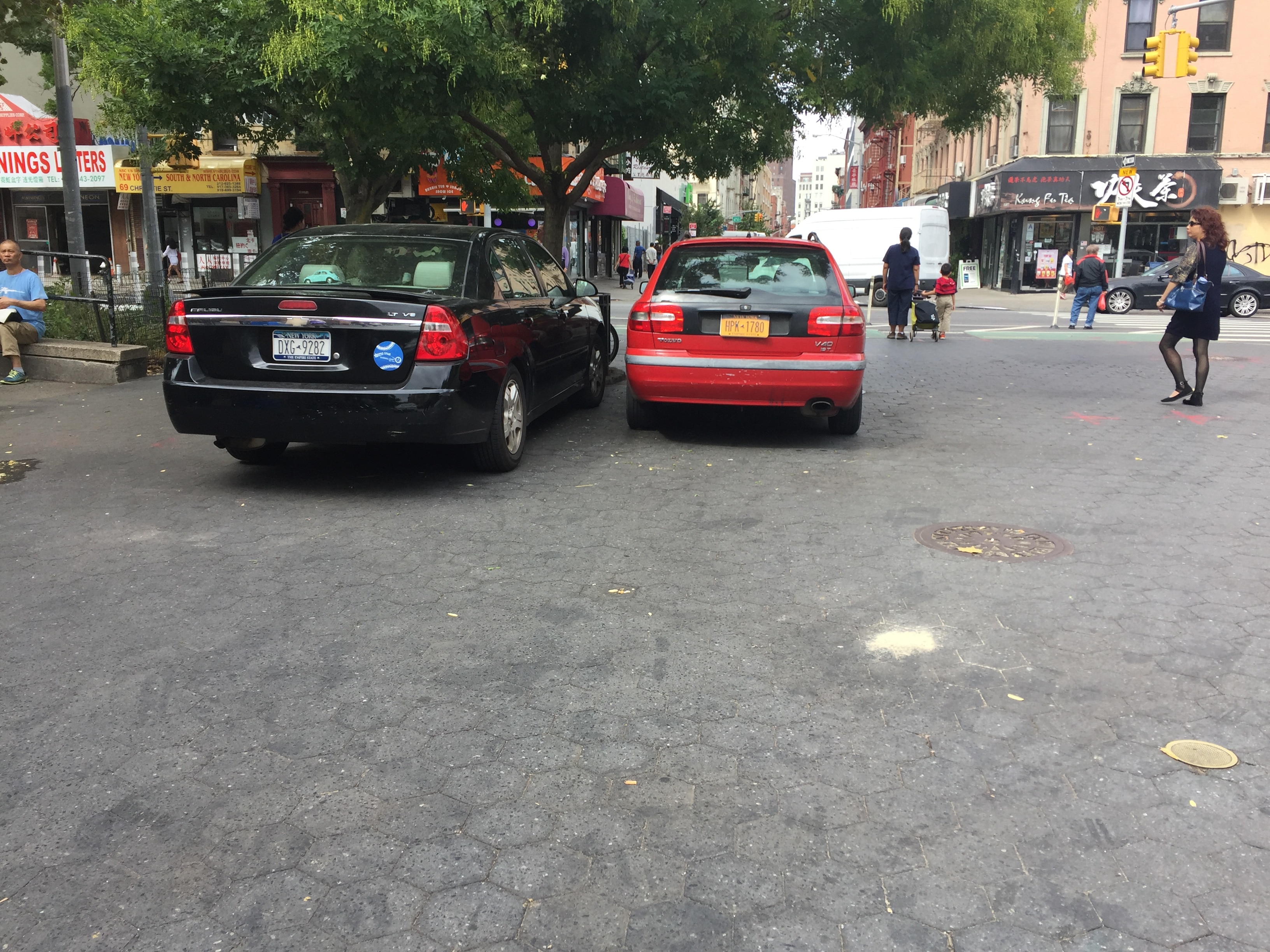
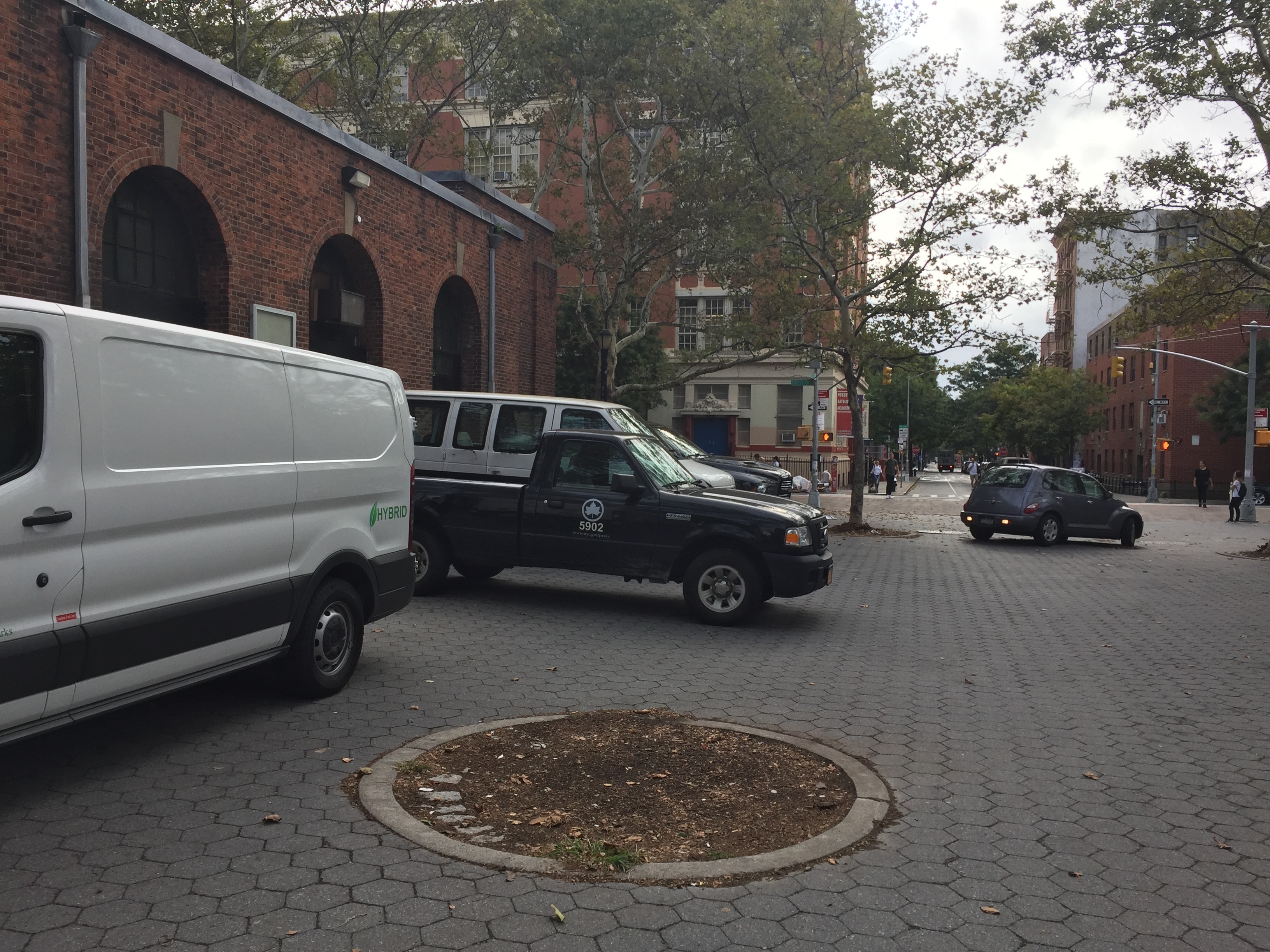
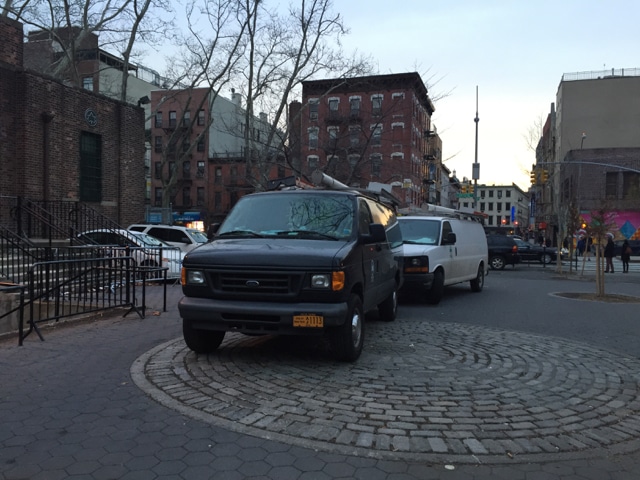
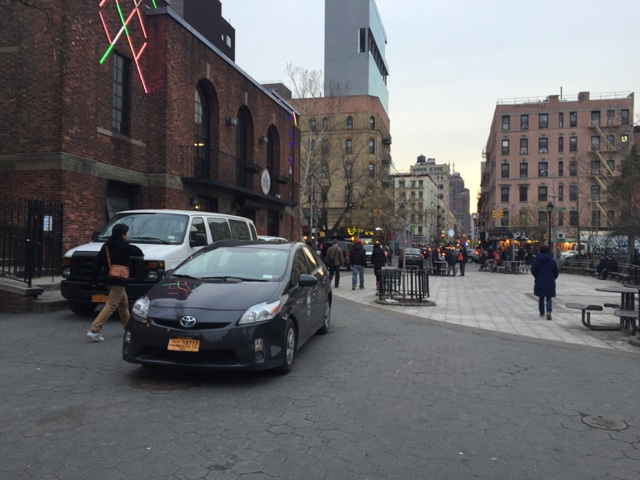
No More Cars in Prospect Park!
In a positive move for parks, cars
From Gothamist: Cars are Getting Permanently Kicked Out of Prospect Park”
Someday Sara Roosevelt Park too?



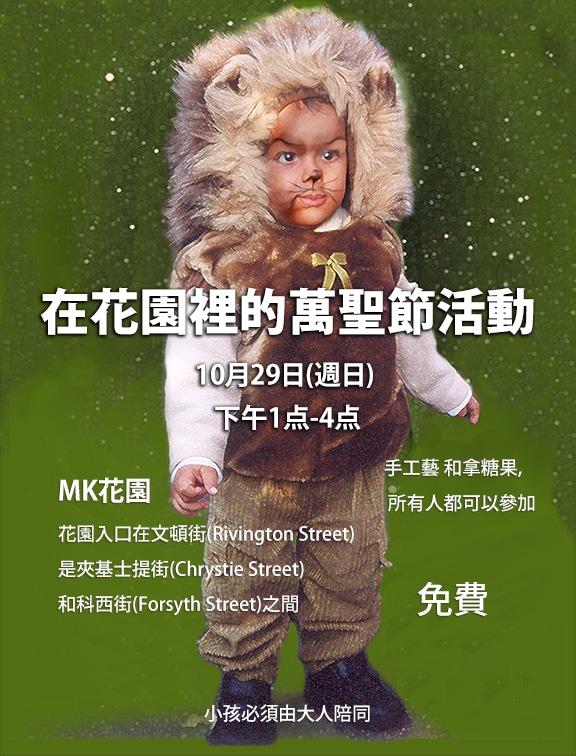


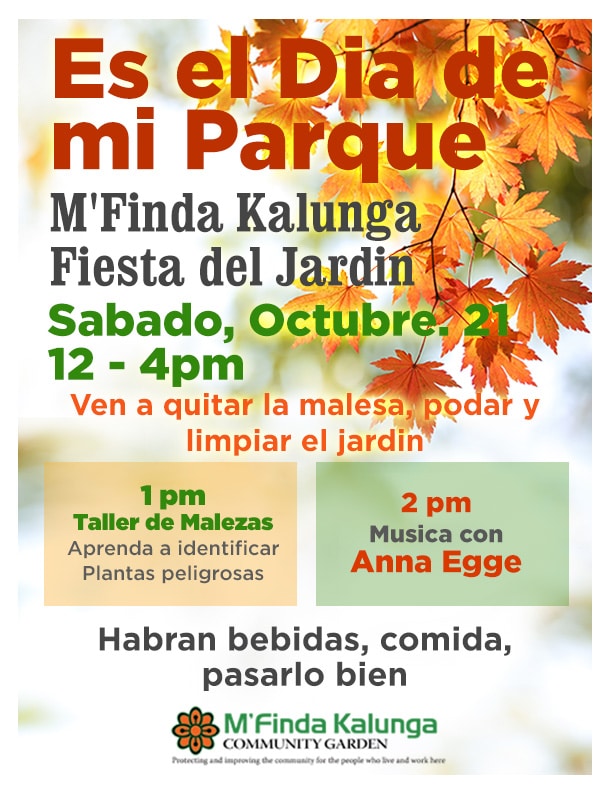
It’s My Park Day with Songs, Soups, Voter Information, Garden(s) Clean Up, Future Park Cleanups & Other Parks’ News:
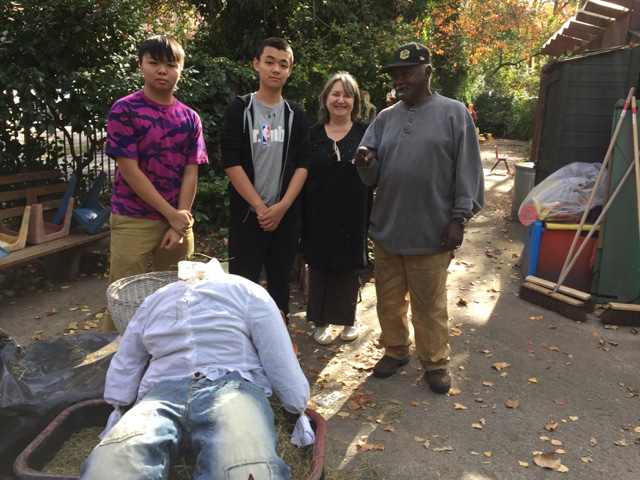
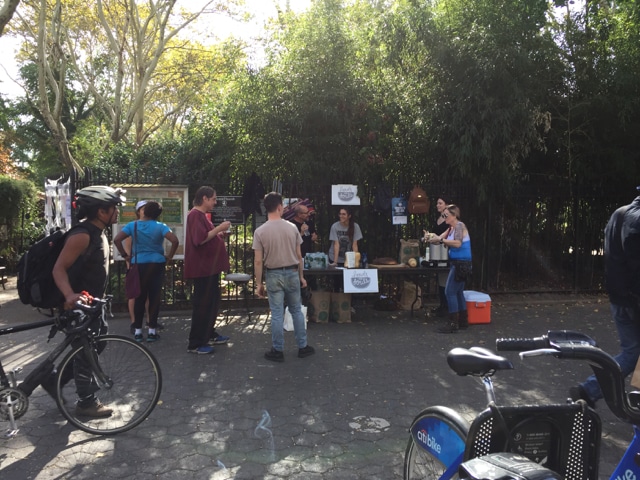
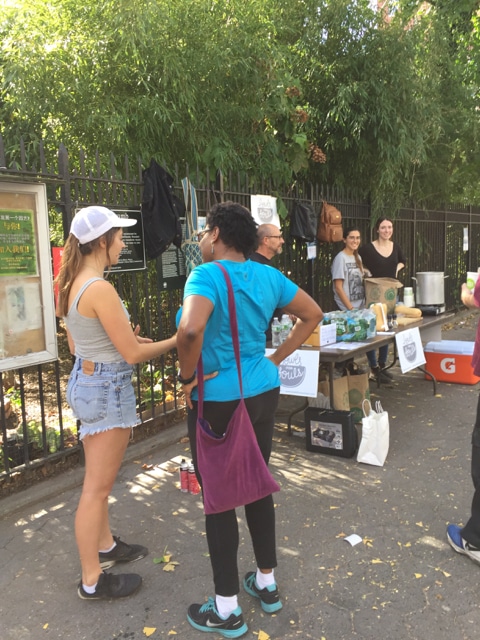
Thanks to everyone for another successful It’s My Park Day!
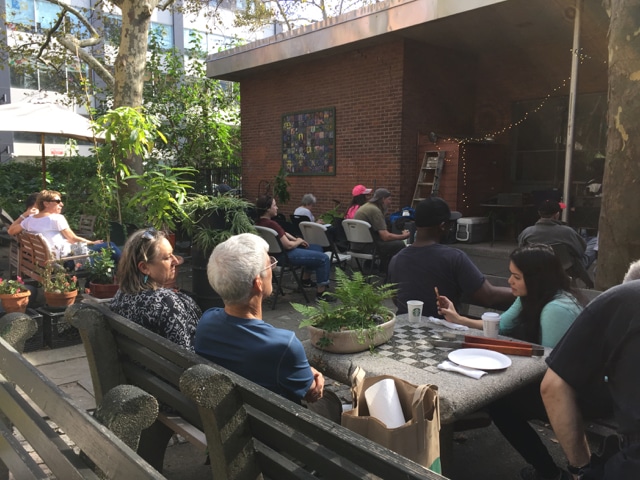
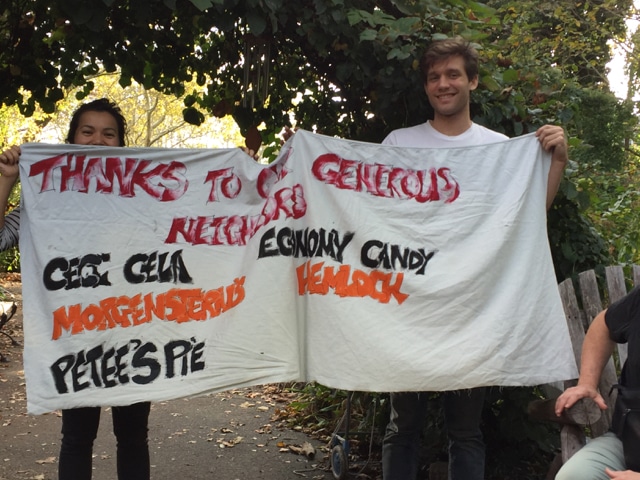
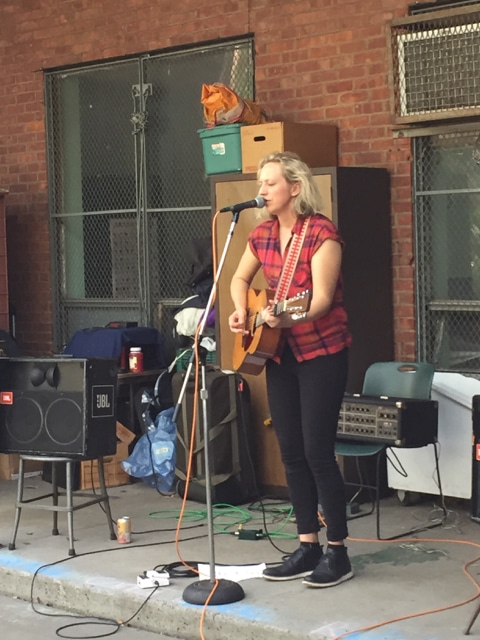
Ana Egge Sang, Bud cooked hot dogs, Jane organized us, Local vendors donated: Ceci Cela’s baked goods, Morgenstern’s Ice Cream, Starbucks Coffee, and volunteer’s provided other food. Partnerships for Parks supplied tools, bulbs, water bottles, gloves, etc. Thanks Kirsti and Michael for stopping by! M’Finda Kalunga Garden volunteers Hideyo, Cathy and others worked hard and new volunteers showed up to pitch in. Mulch provided by Citizens for NYC.
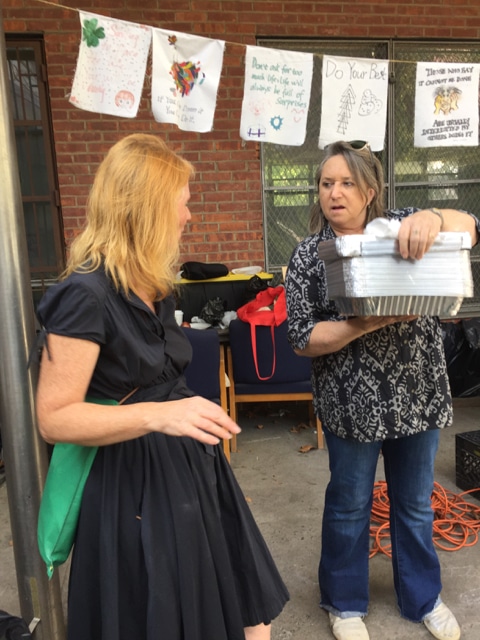
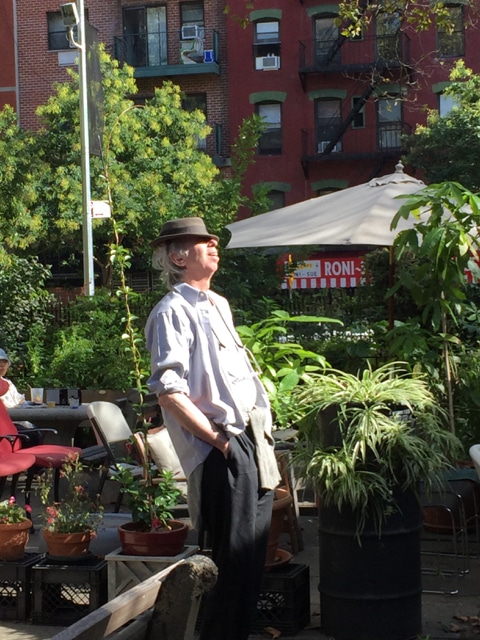
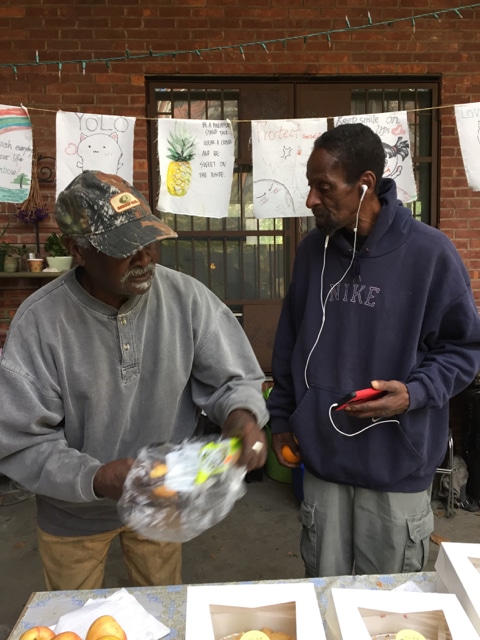
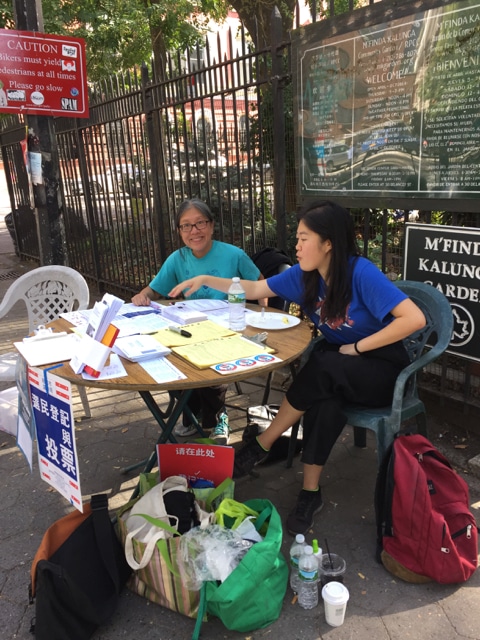
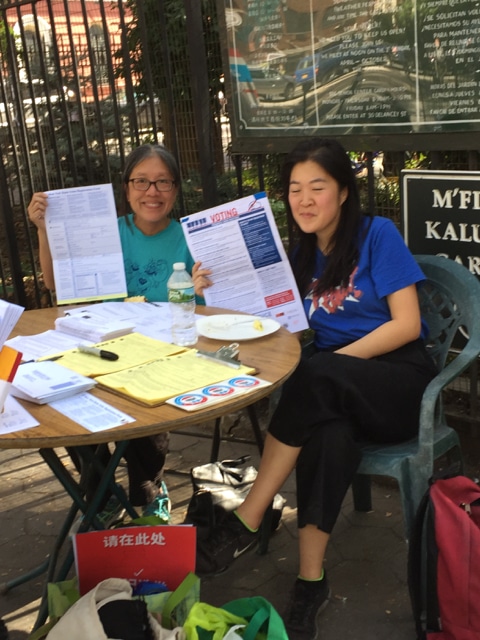
Mae Lee and friends from the amazing Chinese Progressive Association gave Voter Information, Haley Shore from Bowls for Souls and friends gave out free soup, and Debra handed out Post Cards for advocacy on your issues….
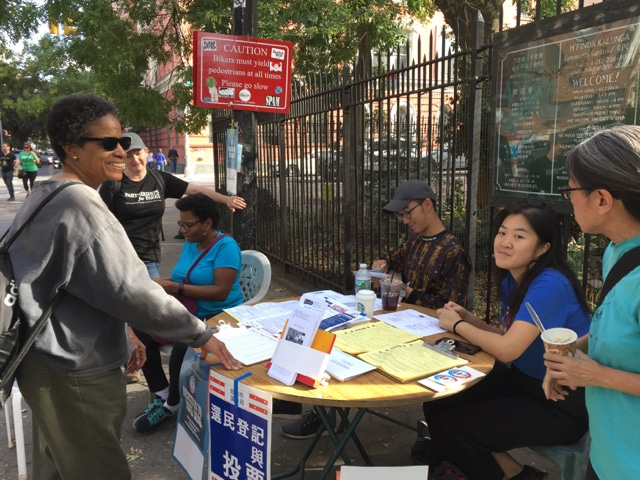
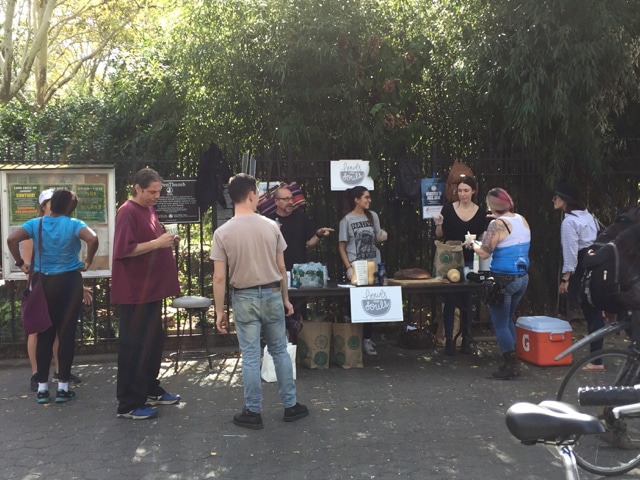
And…
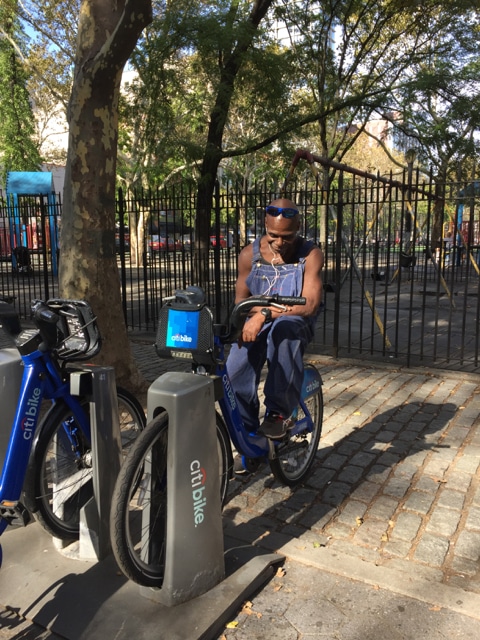
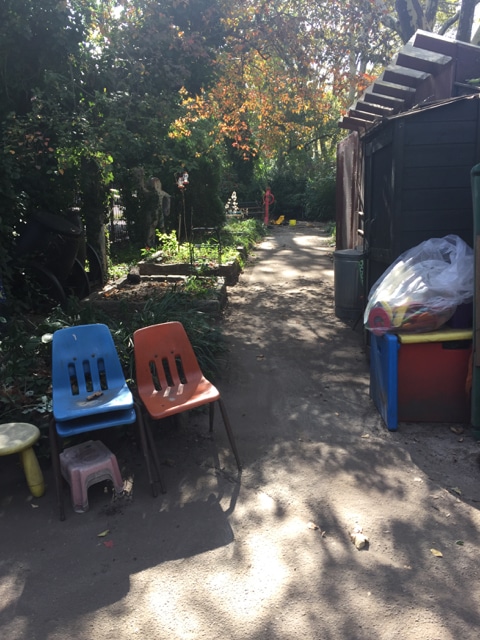
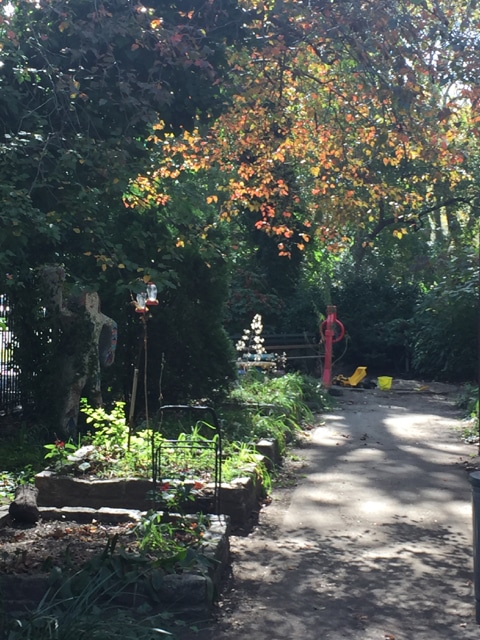
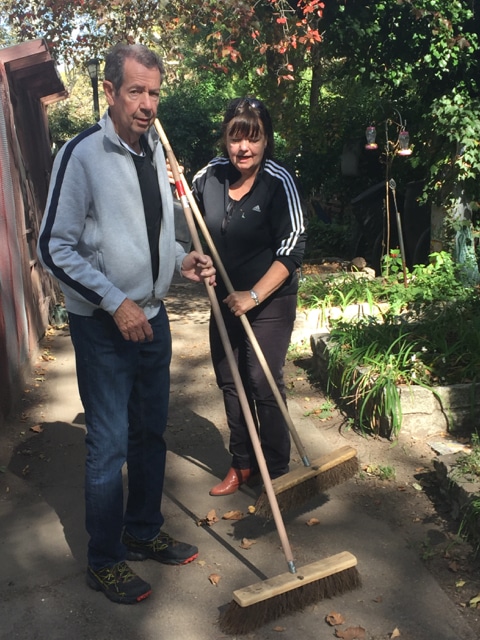
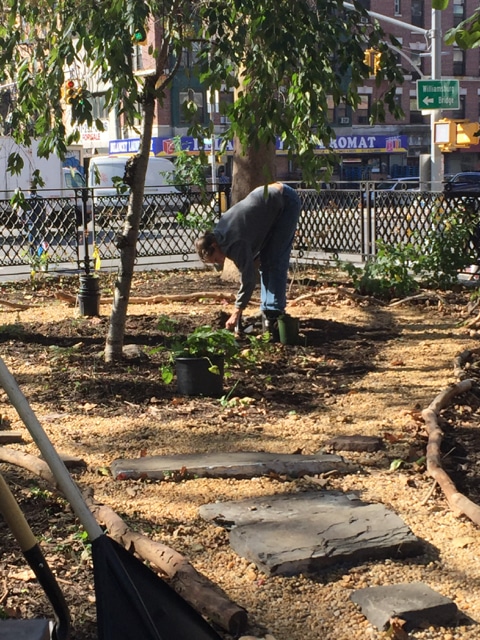
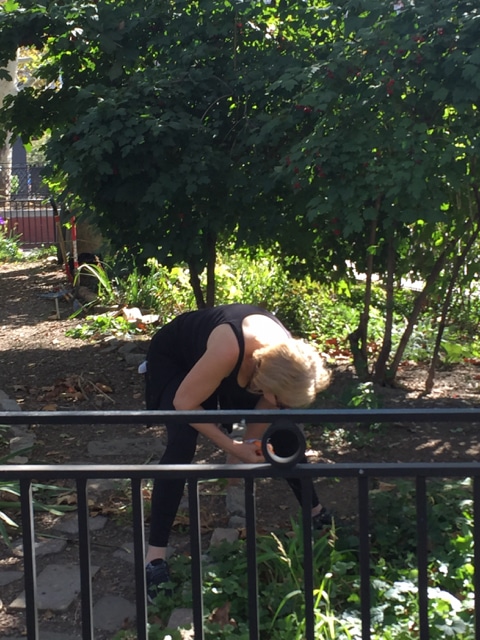
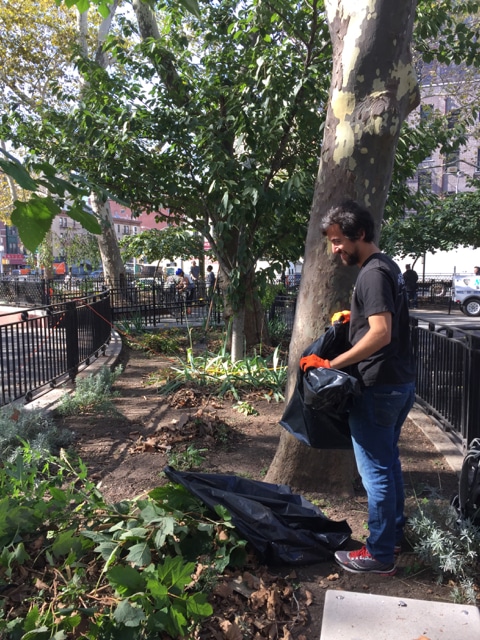
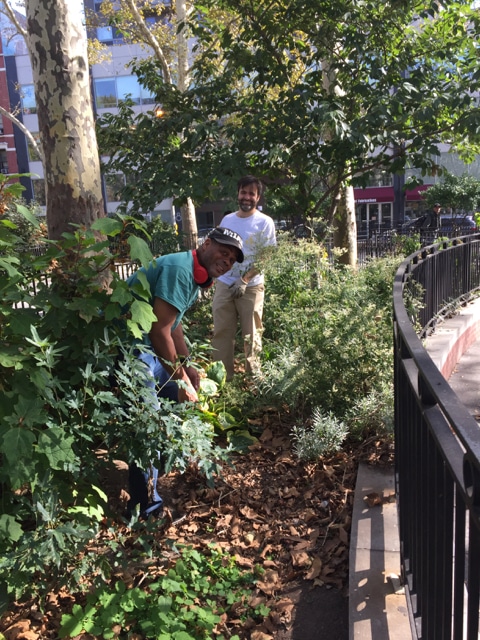
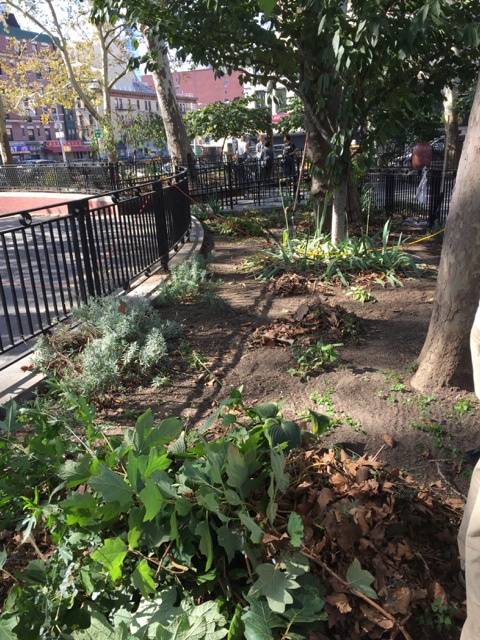
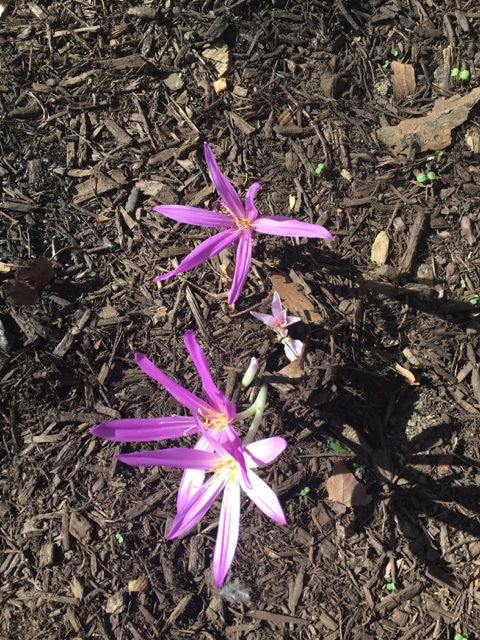
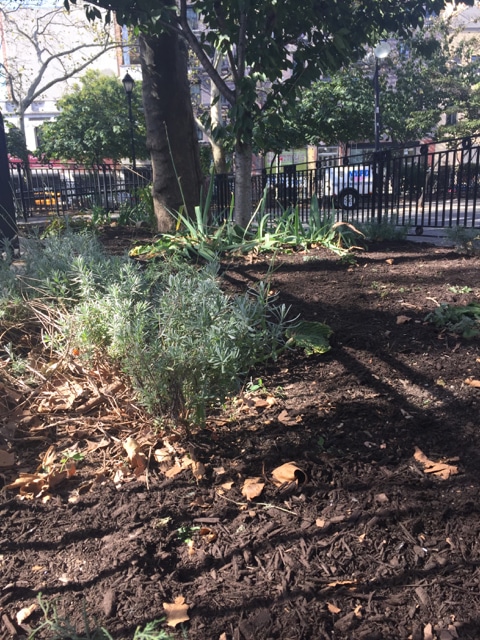
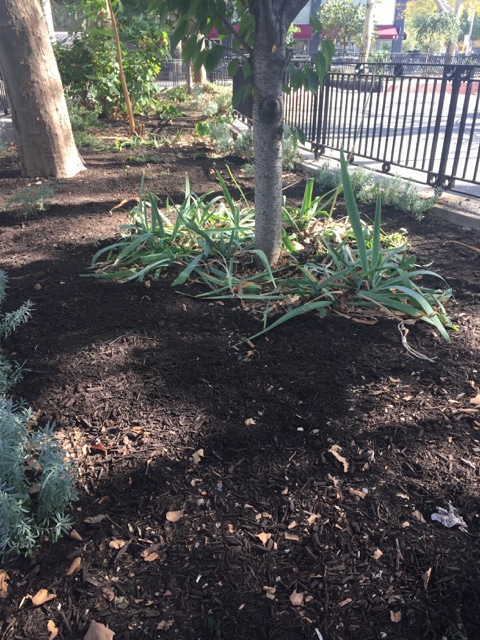
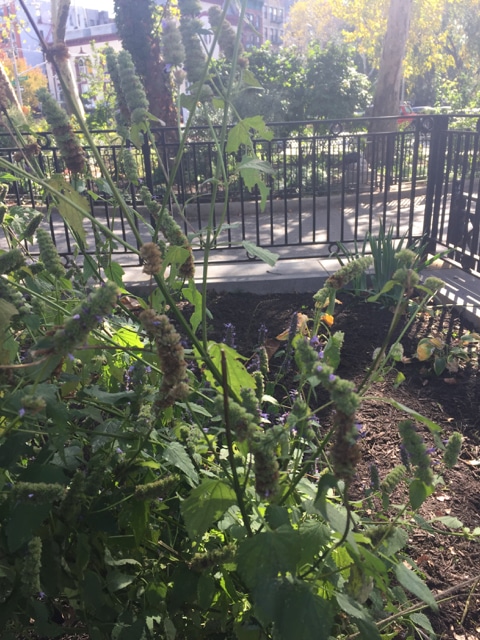
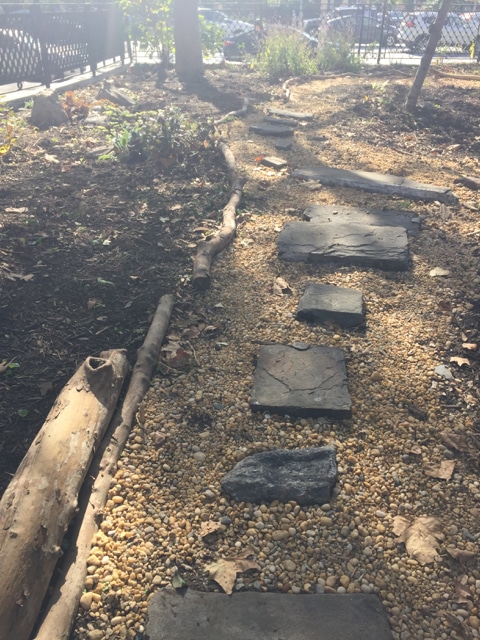
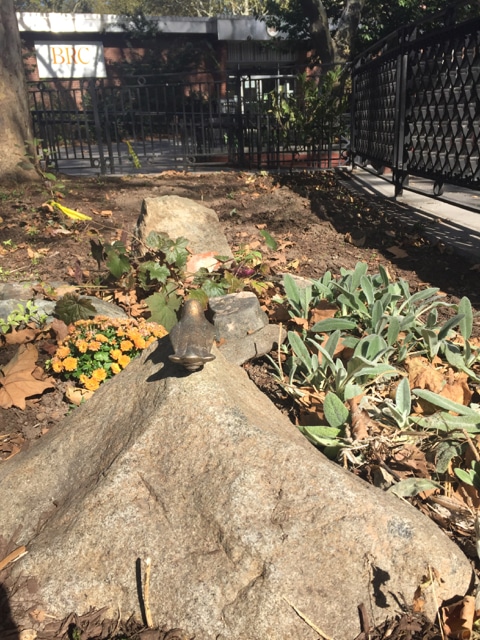
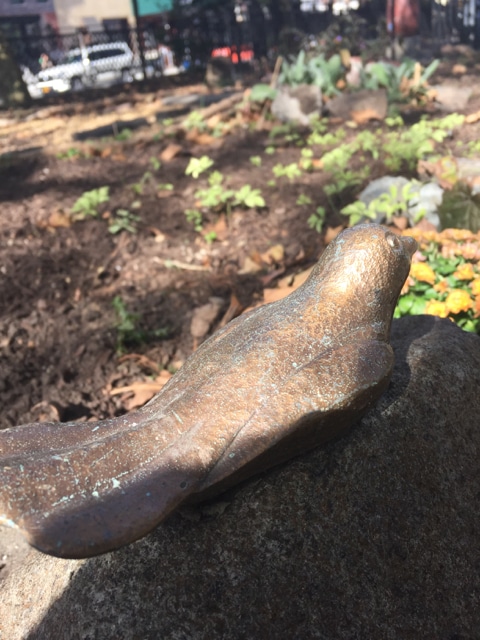
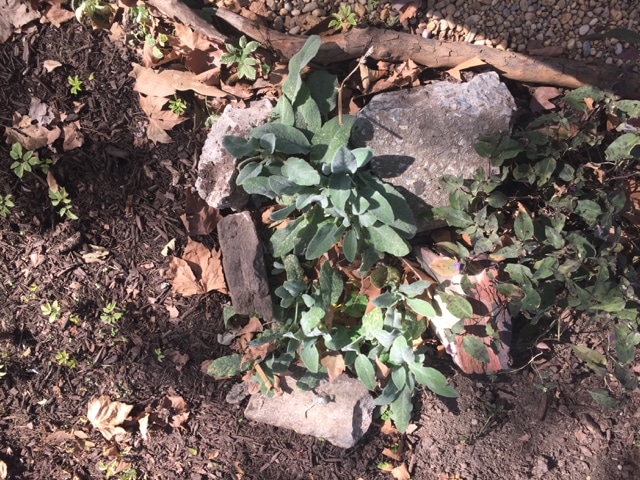
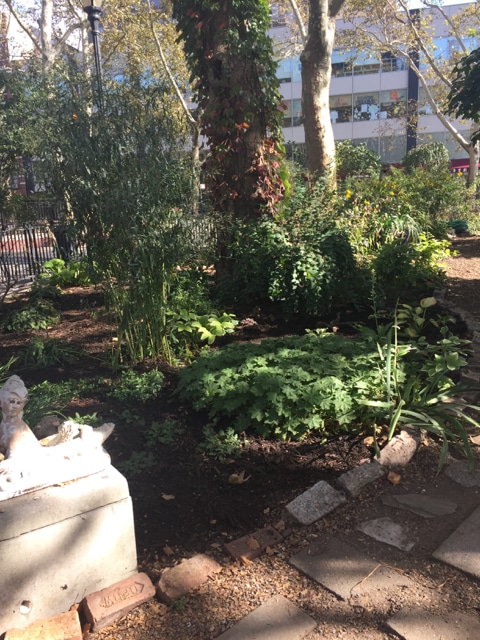
October 21st IMPD in Sara Roosevelt Park’s Gardens from 12pm – 4pm Sweeping, Mulching, Trash Removal, Planting, and Weeding happened!
In M’Finda Kalunga Community Garden : Lanzo organized the work for M’Finda Kalunga Garden (& some out of town help – Debbie and Scott – stopped by).
AND in “Betty” Hubbard’s Memorial Garden AND all the plots in the front of the BRC – SDR Coalition.
With Rob (and friends), George, Oriol, Michael (from Partnerships for Parks), Kate, Carol, K & Bob.

Future Park Cleanups:
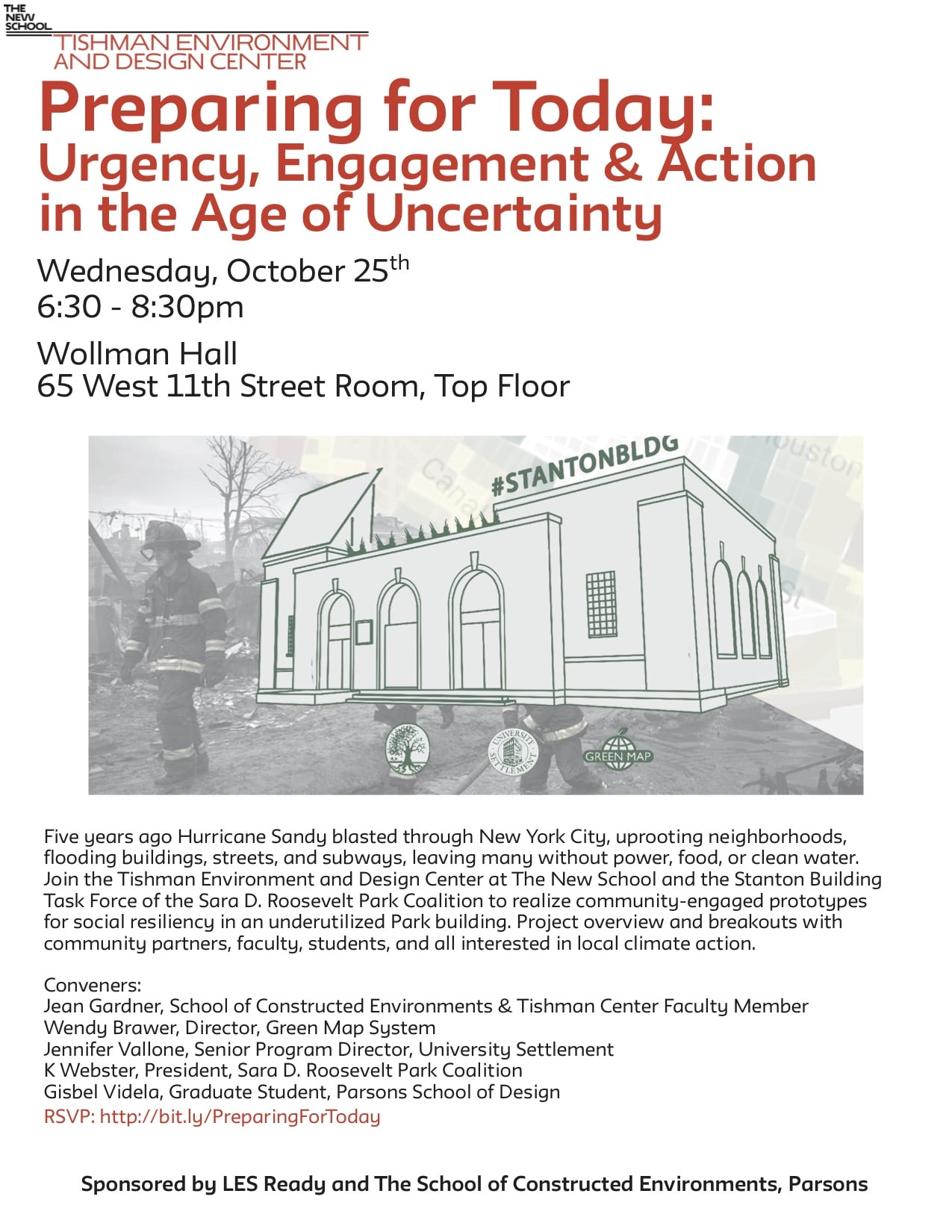
November 11th with New Yorkers for Parks – Stanton Street Area of SDR Park
Other Parks’ News:
In an effort to preserve the legacy and sense of community of Fort Greene Park that its designer, Frederick Law Olmsted, and those who followed left to us.
Residents demand NYC Parks “Parks Without Borders” Take Community Input Into Consideration.
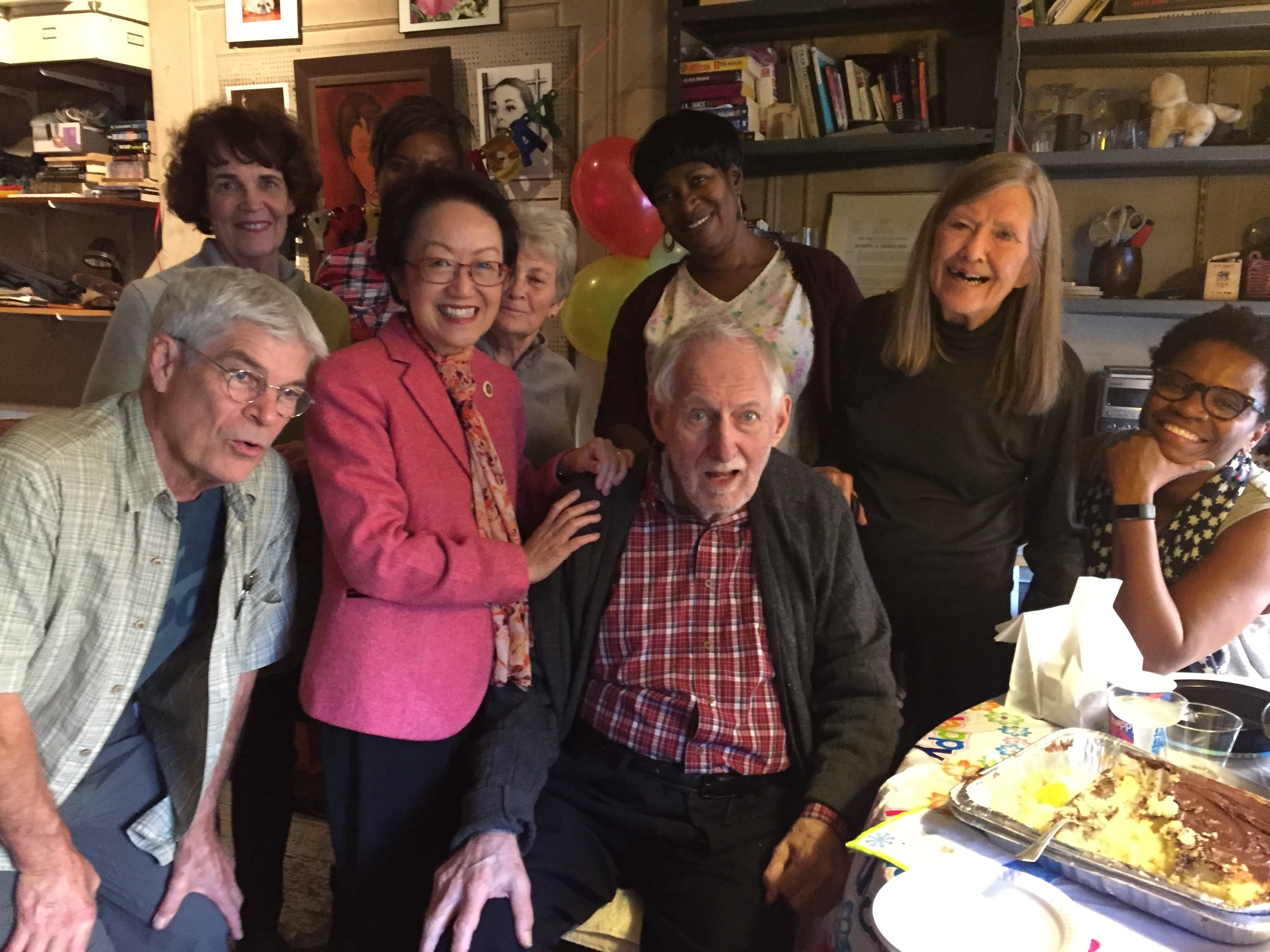
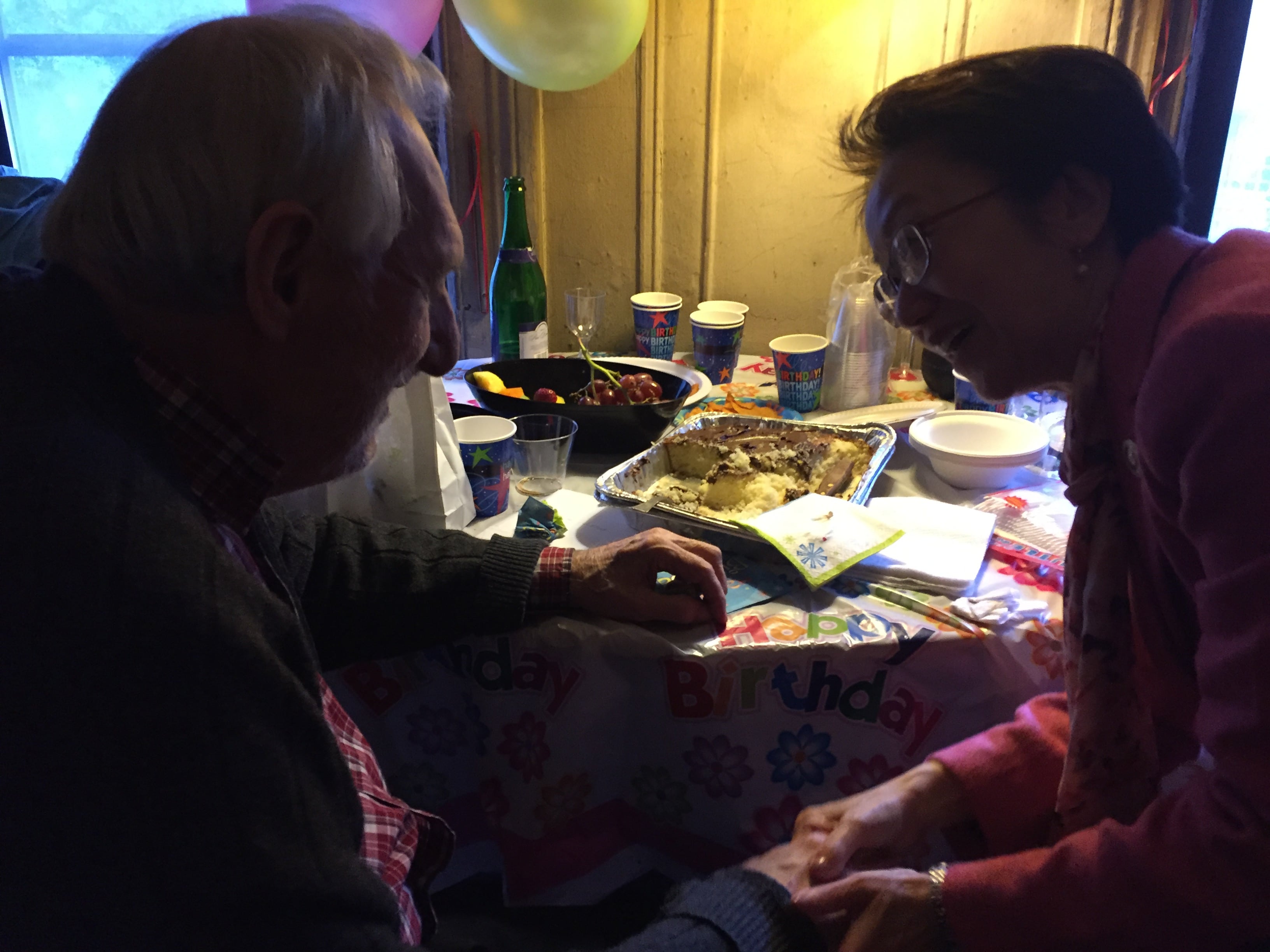
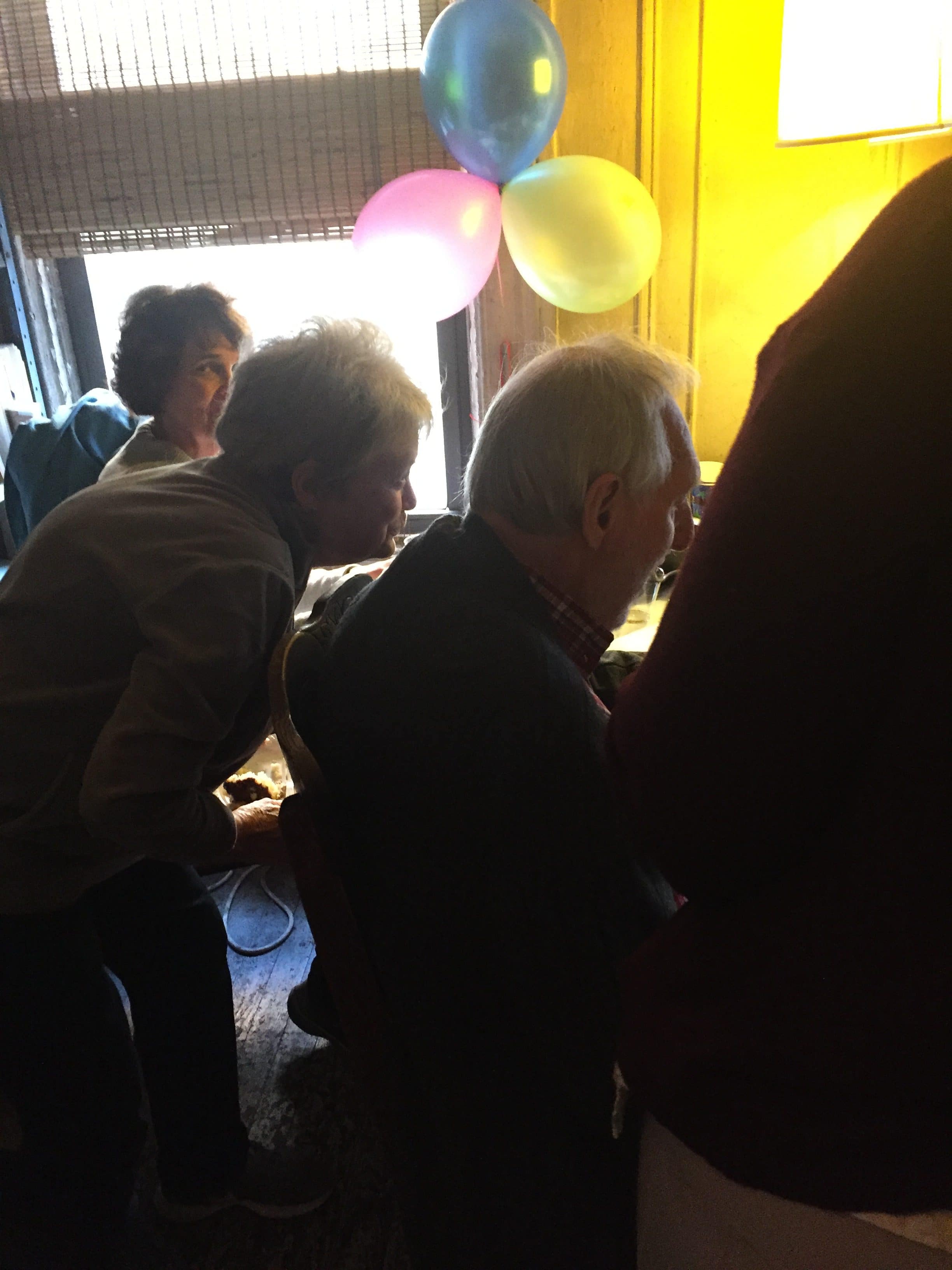
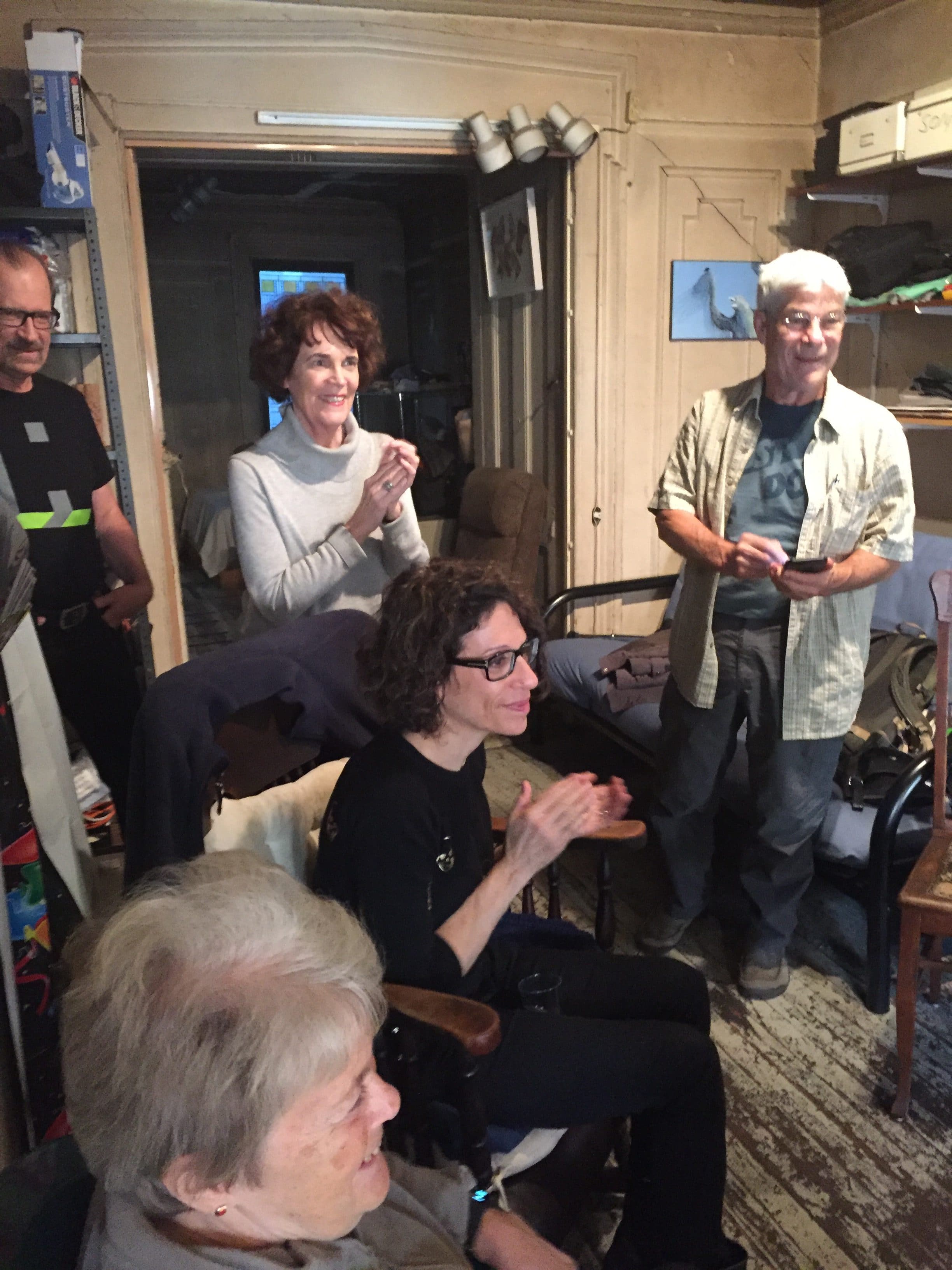
Happy Birthday Joe!
Long time Sara Roosevelt Park advocate Joe Hubbard celebrated his 78th birthday as his friends streamed in throughout the day.
Council Member Chin dropped in too! (Joe and Margaret are friends – meeting as neighborhood activists decades ago).
Margaret had presented Joe with a citation last year acknowledging his stunning flower photographs – exhibited at the BRC Senior Center.
Though Joe’s beloved wife and love of his life, Elizabeth Hubbard passed away in 2012 he continues to have a close network of friends and caregivers who keep tabs on him.
Thanks Jean and Shirley for organizing the party!
It’s My Park Day, Voter Information, Park Clean-ups & M’Finda Kalunga Community Garden
UPDATES It’s My Park Day, Voter Information, and Future Park Cleanups, Other Parks’ News:
Chinese Progressive Association will set up a voter information and registration table in front of M’Finda Kalunga Community Garden
October 21st from 12pm -4pm
Rivington Street between Chrystie and Forsyth
Need help & information on voting, absentee ballots, updating your registration for this November?
Come visit the table. Voter registration will also be available for new voters who want to get a head start on 2018!
And…
October 21st IMPD from 12pm – 4pm
SDR Coalition will work in front of the BRC on [No work in Stanton Street Area]
November 11th with New Yorkers for Parks – Stanton Street Area of SDR Park
The Audubon Society Two Bills to Protect Birds from Glass Skyscrapers
From the Audubon Society:
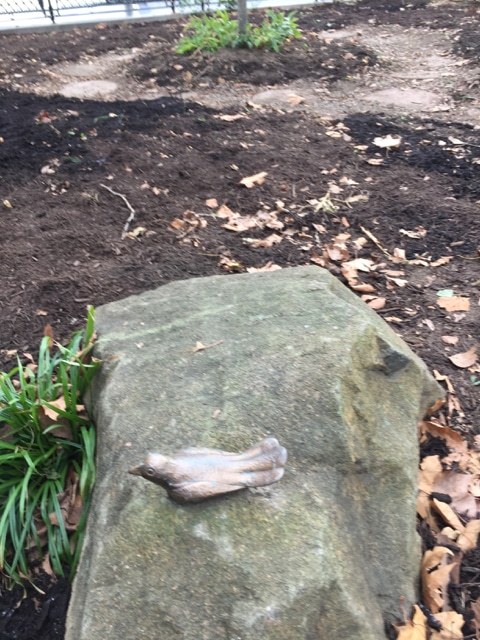
“Glass kills birds—… Decades of research by ornithologist Daniel Klem estimates up to a billion avian mortalities from North American buildings each year…
…the best-known causes of window strikes are skyscrapers and other large urban buildings encased in glass, which birds don’t perceive as solid objects.
But despite its scope, moves to solve the problem have been comparably small and slow.
…What has been needed to help make sweeping changes and hopefully inspire other states and cities to follow suit is federal legislation. Now, that could finally be happening.
Last week, Sen. Cory Booker (D-NJ) introduced a bird-safe-buildings bill in the Senate that would mandate all new federal renovations or construction to make at least 60 or 90 percent of their surfaces non-glass (except on historic landmarks). Any glass that is used would have to be fritted, screened, shaded, or UV-reflective, qualities proven to reduce bird collisions.
Other conditions include shielding outdoor lights and regularly surveying for stunned or dead birds…
The House counterpart to the Federal Bird Safe Building Act was drawn up by Rep. Mike Quigley (D-IL) …If the bills make it through both chambers of Congress, federal buildings could provide a model for states and cities to develop their own bird-safe legislation…
The bills aren’t done deals—they still have to survive various committees…
http://www.audubon.org/news/proposed-federal-law-could-save-countless-birds-death-glass
- Go to the previous page
- 1
- …
- 119
- 120
- 121
- 122
- 123
- 124
- 125
- …
- 181
- Go to the next page
Statements Supporting Proposal:
Adirondack Council
The Adirondack and Catskill parks are special. Both contain public and private lands, arranged in a patchwork/checkerboard pattern.
Private lands in both parks contain communities, homes and businesses. Public lands are the State Forest Preserve. They are protected by the Constitution and must remain forever wild.
Periodically, a small section of Forest Preserve can prevent completion of a roadside municipal project. This amendment would create a small land bank (250 acres) to assist Adirondack and Catskill communities, when no alternatives exist.
Communities could use the bank to remove dangerous curves, replace bridges, install utility lines, electricity, water, telecommunications, drinking water wells or bike lanes along short segments of local roads that cross Forest Preserve. Currently, even the smallest of such projects would require an individual Constitutional Amendment.
To qualify, projects must be limited to one mile or less of local road. Lands removed from the Forest Preserve would be replaced from the bank.
No gas/oil pipelines allowed. Larger, more complicated land swaps would still require a Constitutional Amendment, including permission from the voters.