Ladybug and Worm Meet Up at M’Finda Kalunga Garden
Sunday, April 22nd, 12:30-3:00
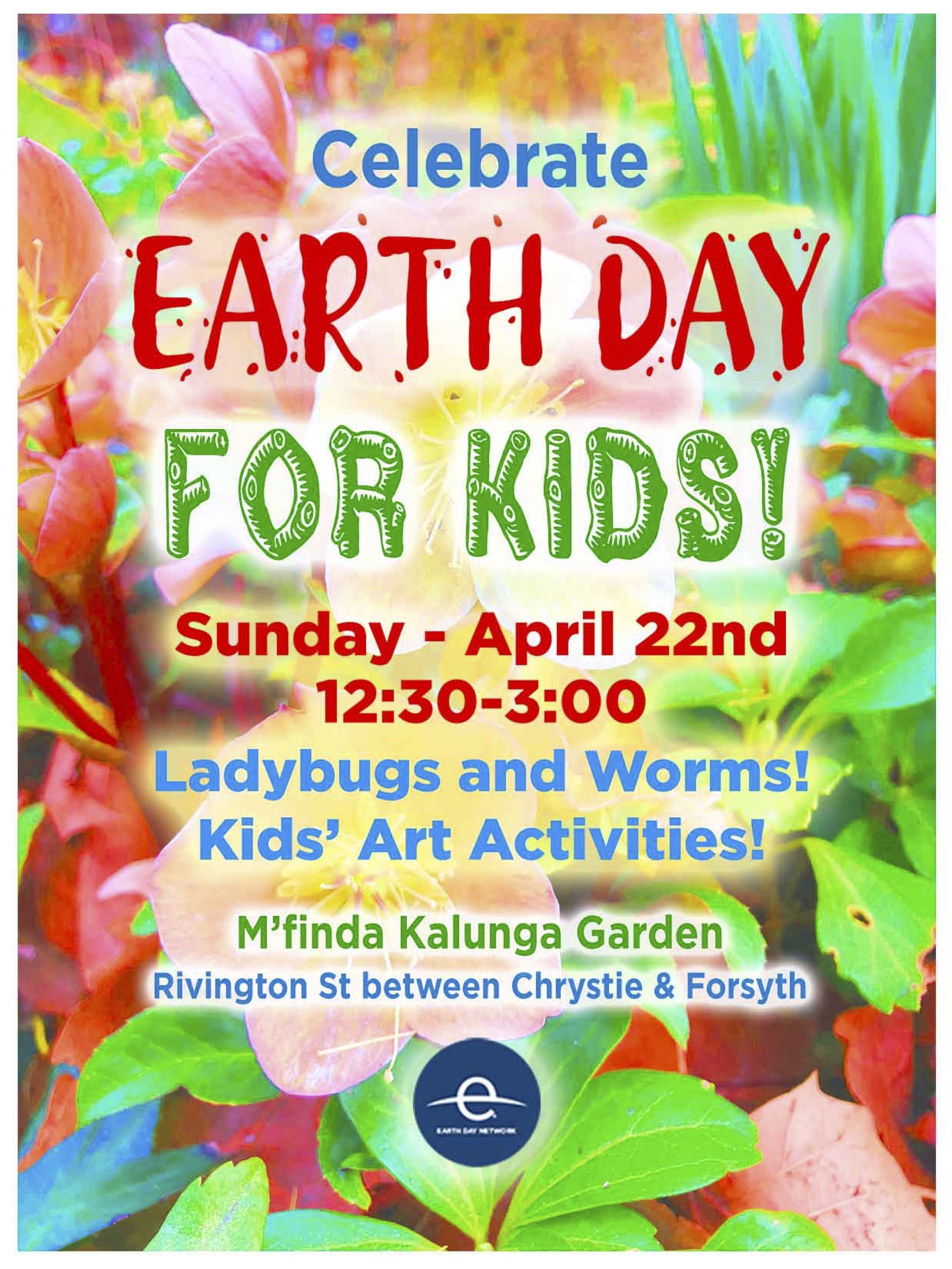

Sunday, April 22nd, 12:30-3:00
“We are prioritizing the safety and the health of the millions of parents, children and visitors who flock to Central Park“
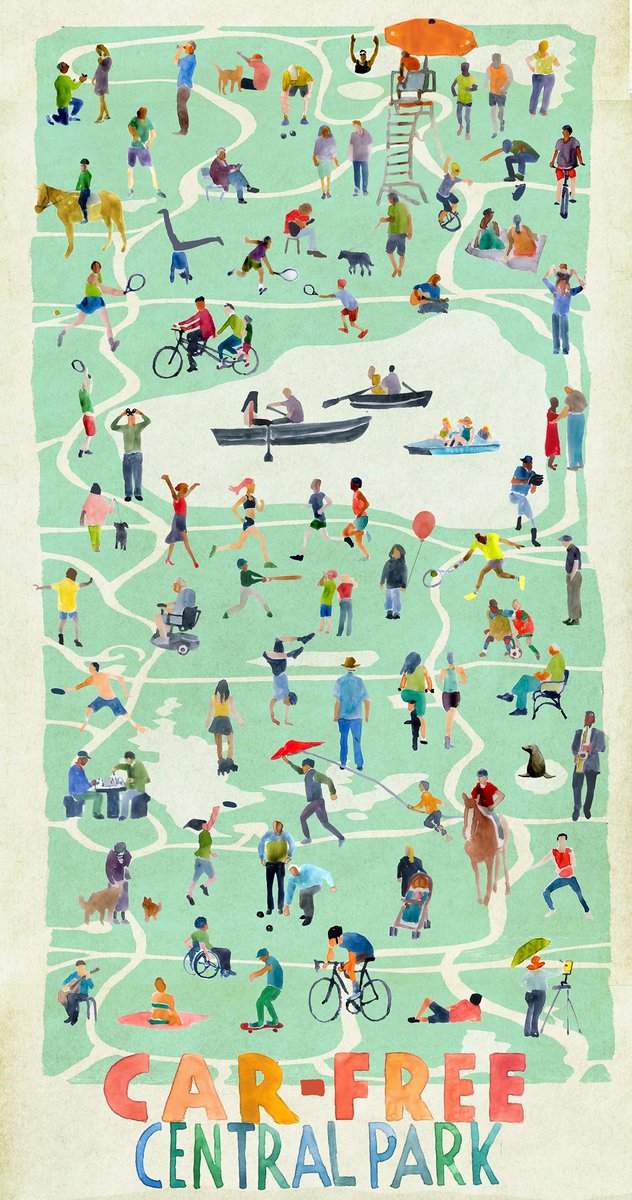
Congratulations! We agree!
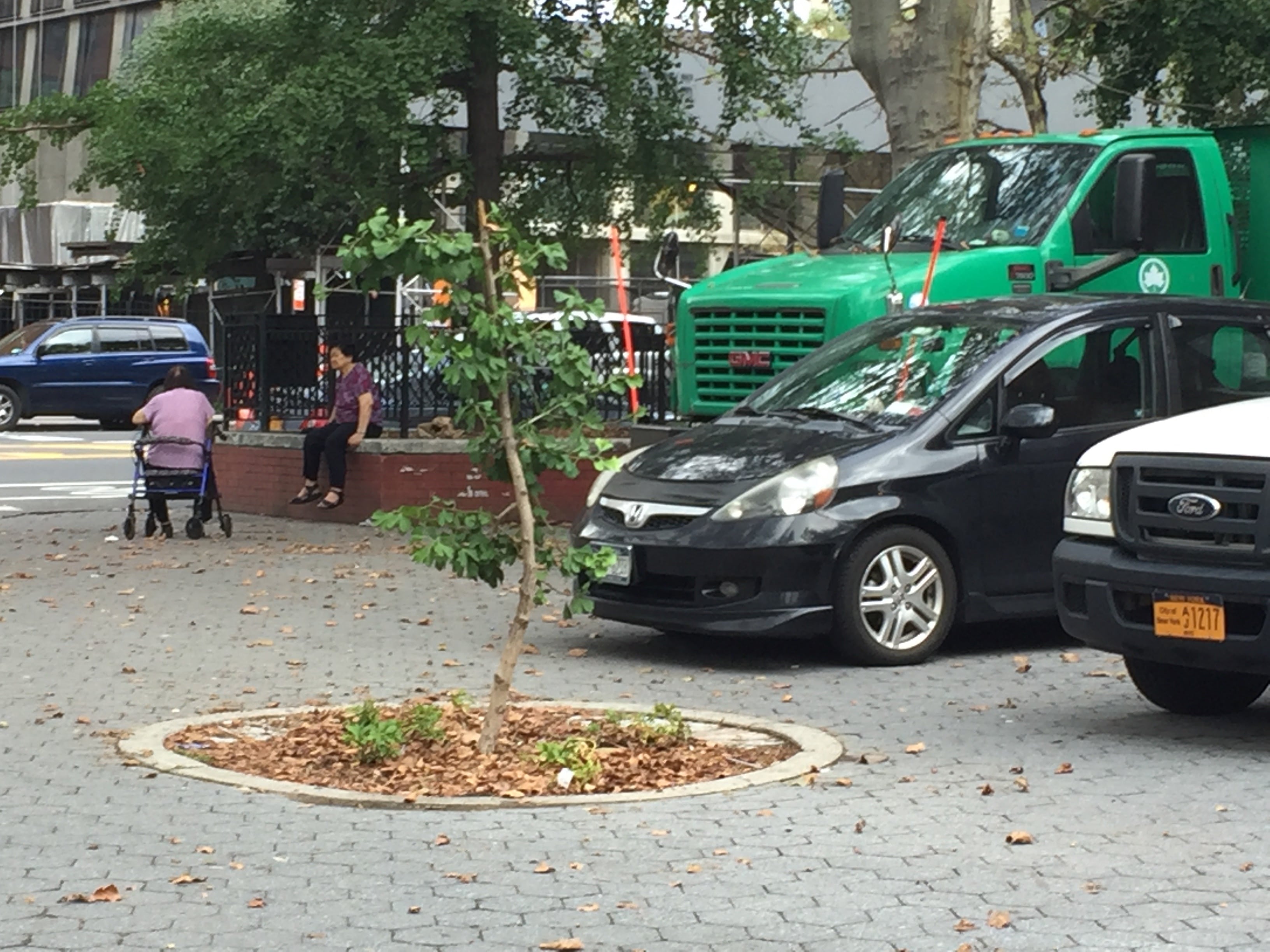
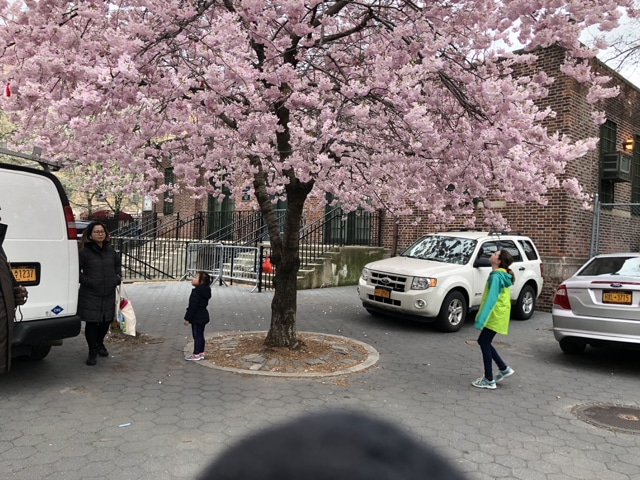
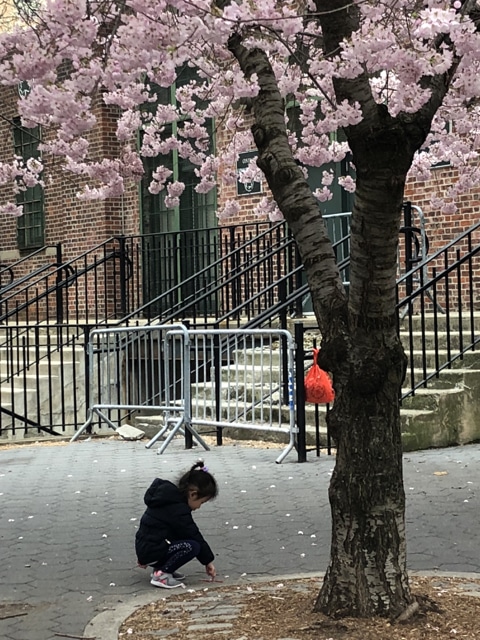
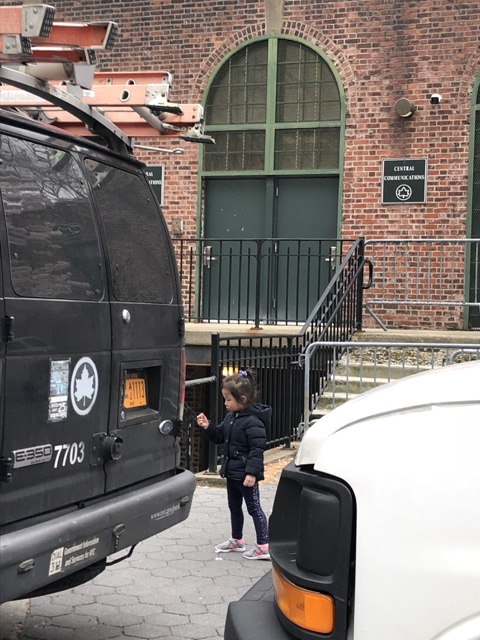
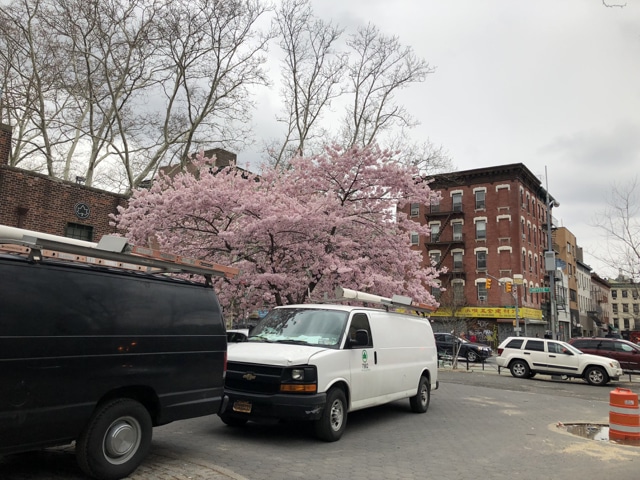
And we don’t think this little girl should have to play in a park between trucks and cars either
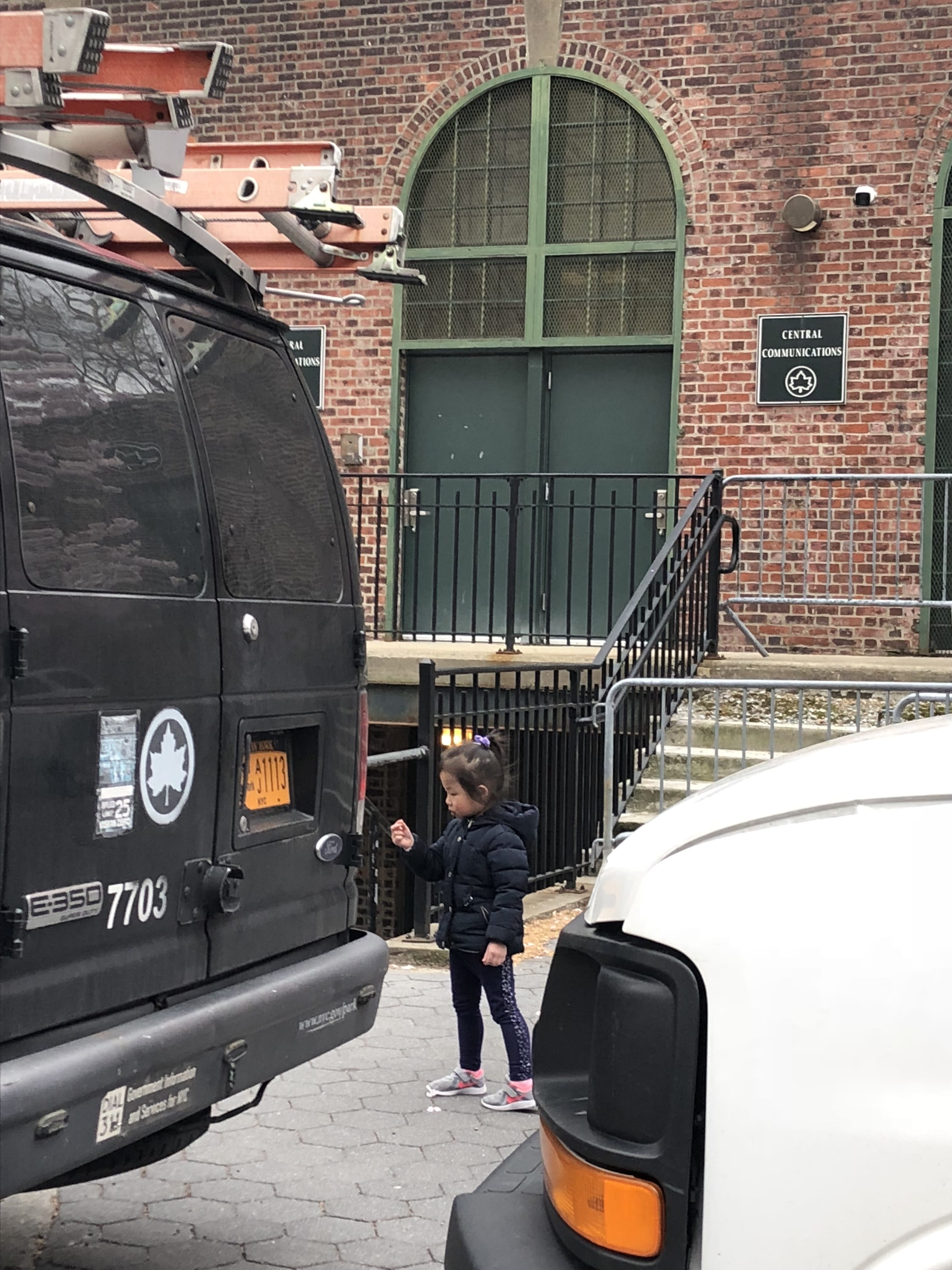
We expect the same care from NYC as Central ParkConservancy and Prospect Park require.
We would like that courtesy for this low-income park too. Cars and trucks park here at all hours, taking up valuable park space in this narrow park frequented by children, 8 schools that line the park, Citi bike stands, soccer players, basketball players, people who live in tenements, the homeless, luxury hotel guests, the hungry, elders who receive services here, day camps, the blind, gardeners of 10 stewarded park gardens, Parks staff who commute by train, bikers, deaf housing residents, NYCHA residents, Mitchell Lama housing residents, loft dwellers, renters of all kinds, owners of condos, handball players, shower spray visitors, children in 3 playgrounds, ping pong players…etc…
so…can we change this…
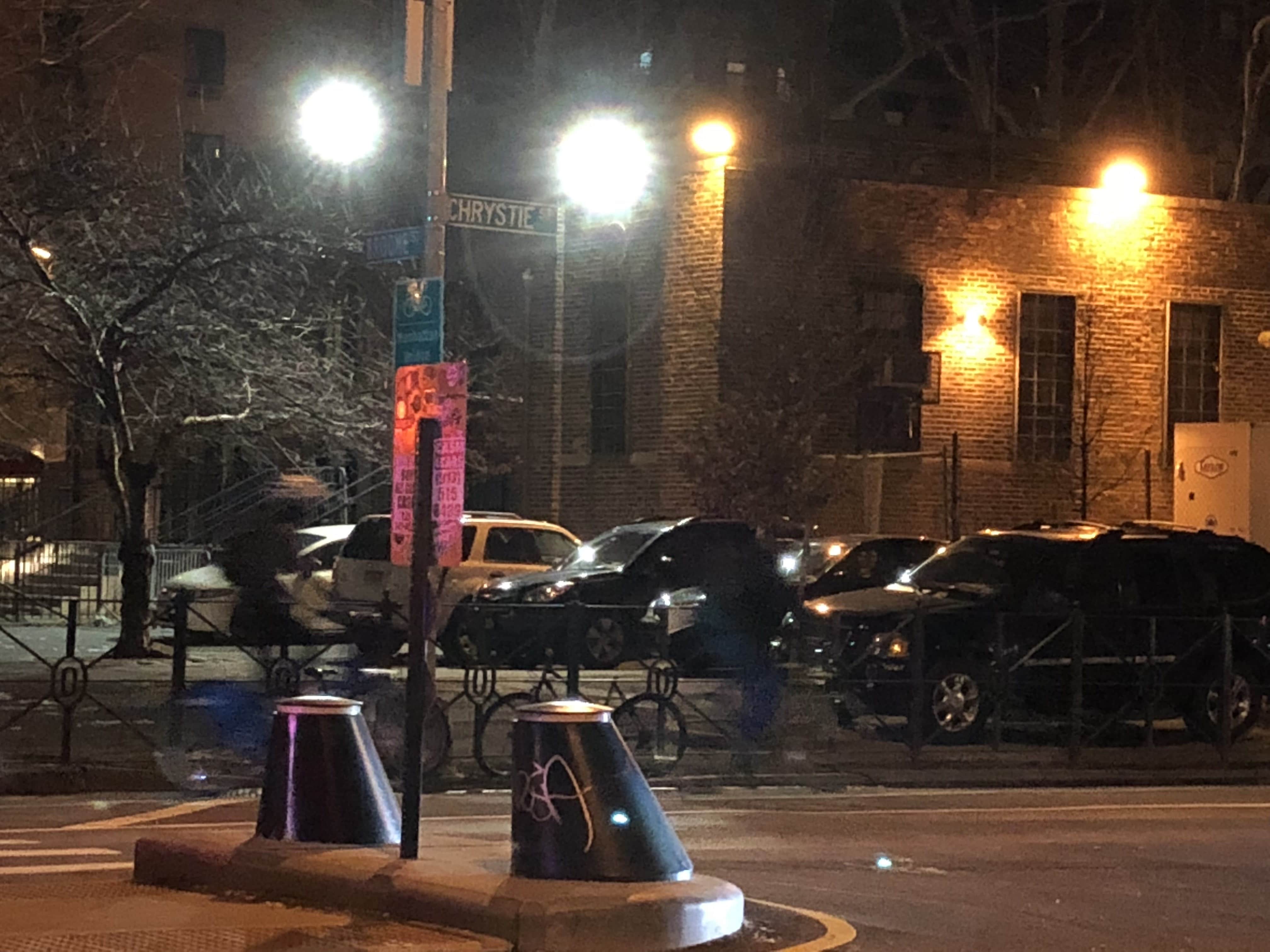
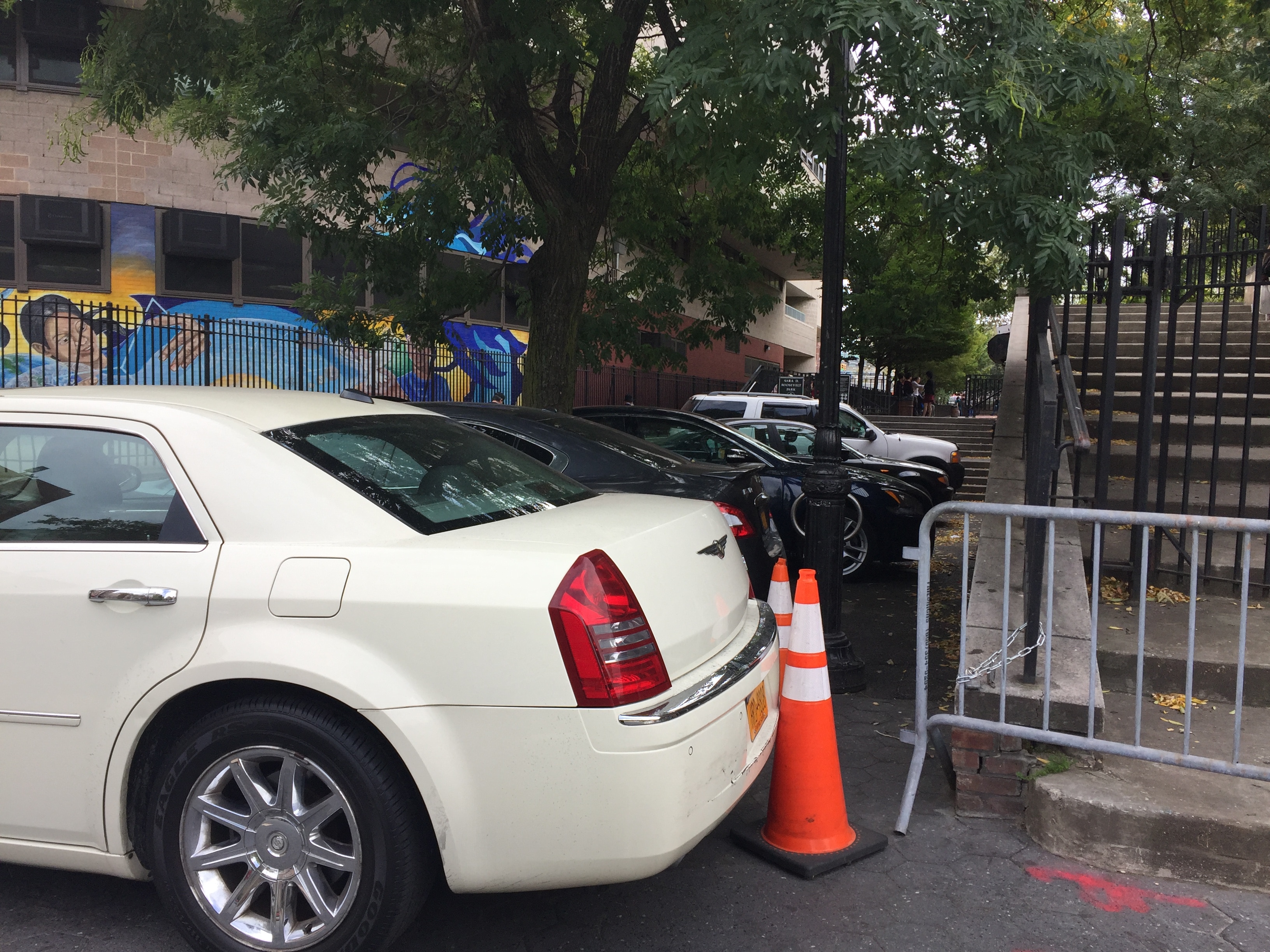
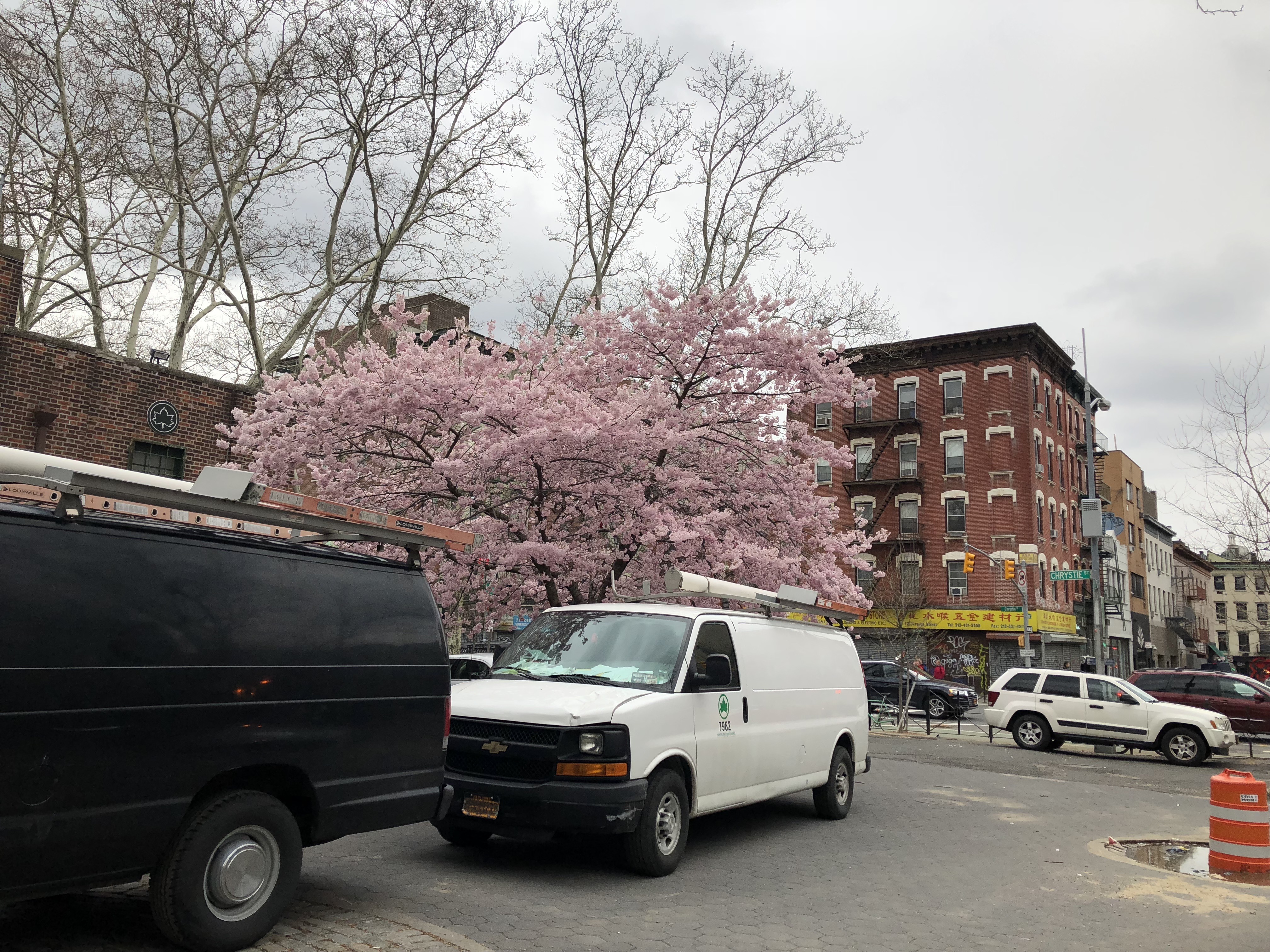
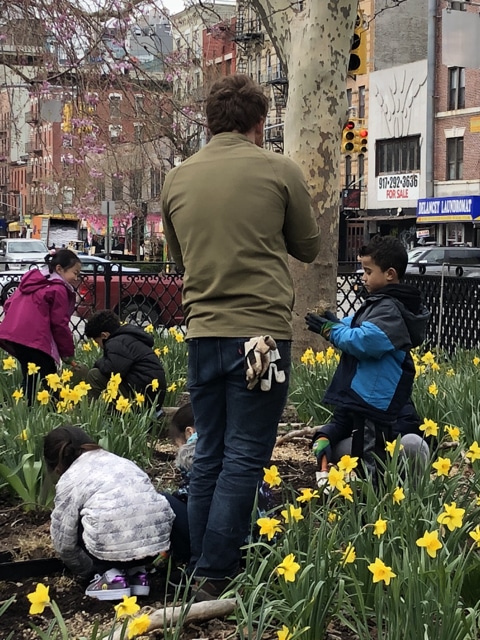
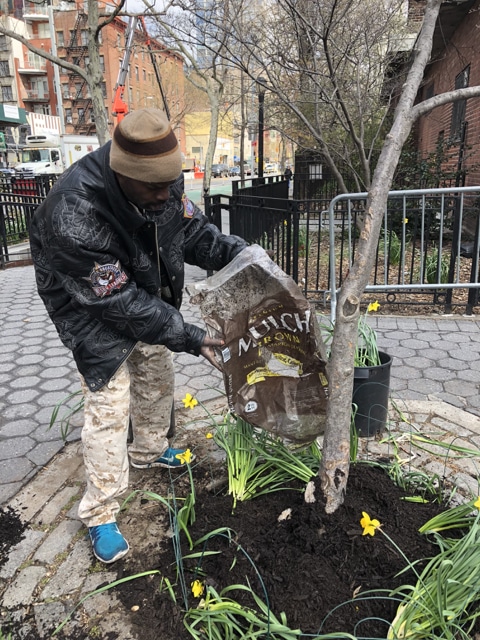
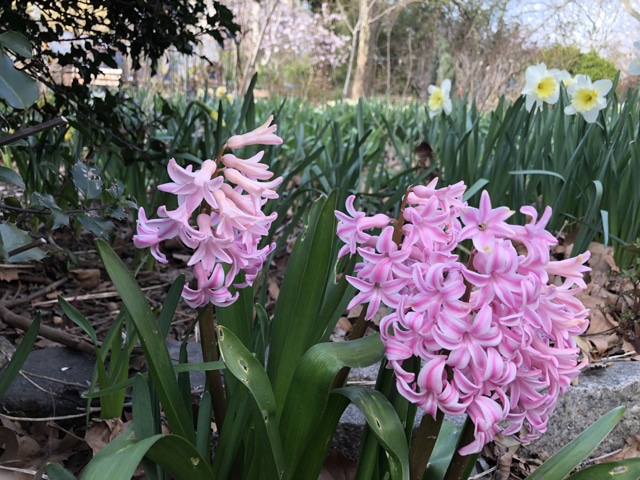
to this?



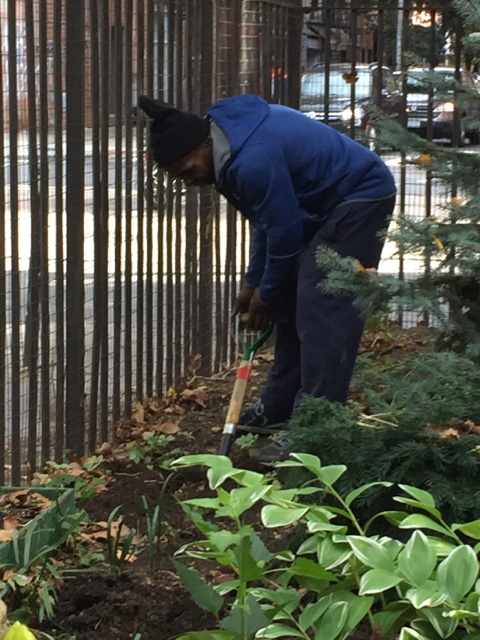
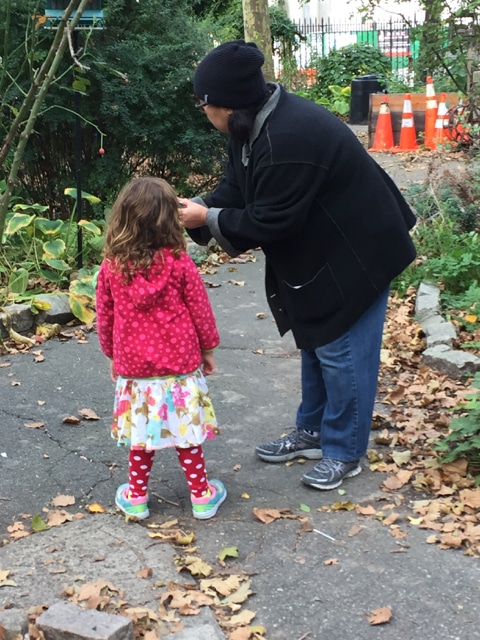
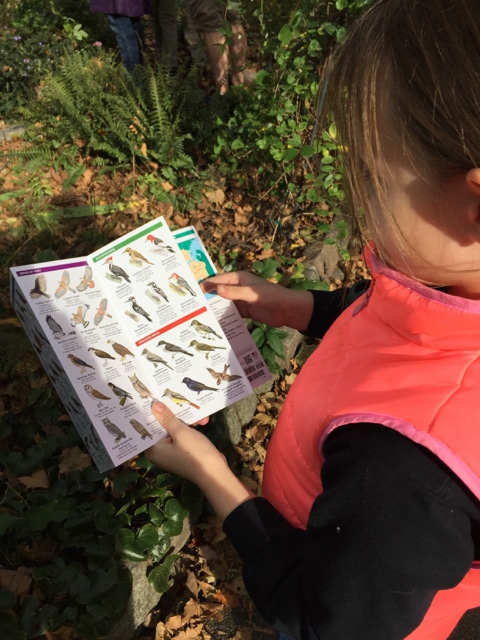
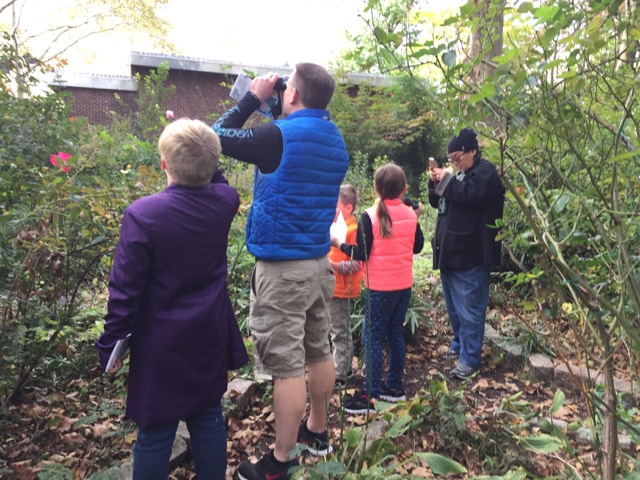
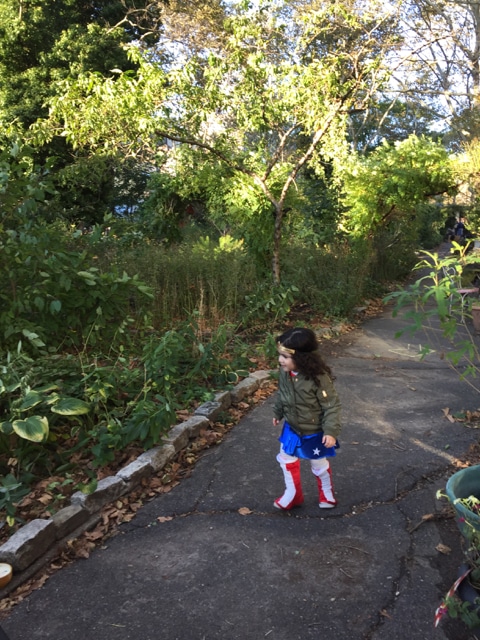
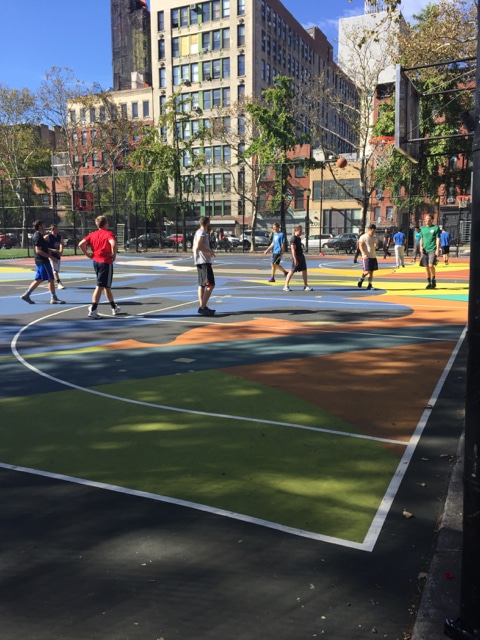
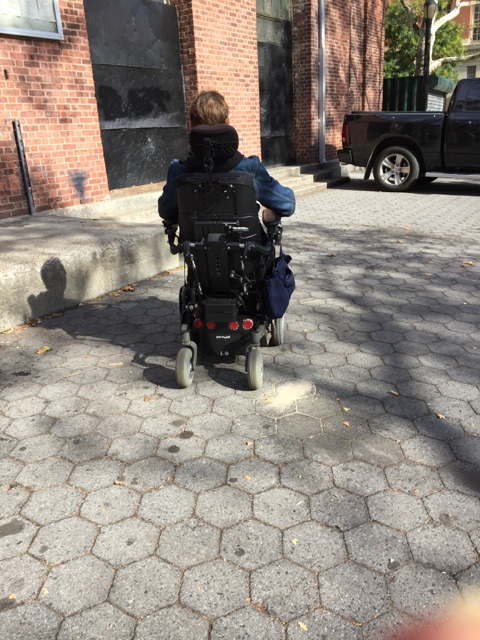
We’ve mentioned this when Prospect Park got its cars removed (with photos of cars/trucks parked in SDR Park)
and here. (with photos of cars/trucks parked in SDR Park)
From NYT: SCIENTIST AT WORK – Felton Earls; Theory Analyzes Crime As Science, Neighbor by Neighbor
by Dan Hurley 2004
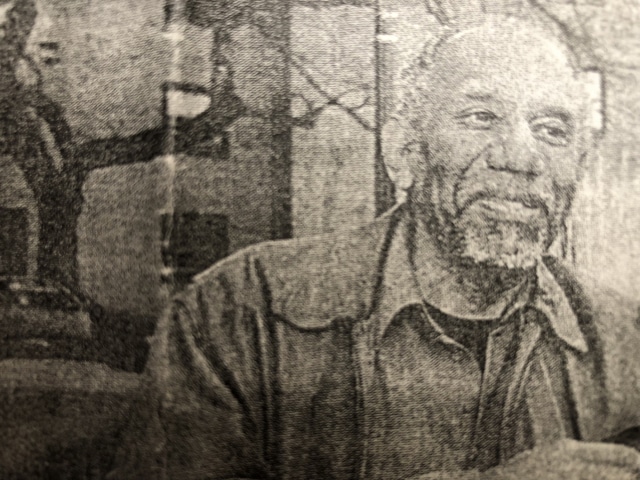
photo by Rick Friedman NYT
“Dr. Felton Earls was on the street, looking for something at ground level that would help explain his theories about the roots of crime. He found it across from a South Side housing project, in a community garden of frost-wilted kale and tomatoes…
”Please respect our efforts”
…Dr. Earls and his colleagues argue that the most important influence on a neighborhood’s crime rate is neighbors’ willingness to act, when needed, for one another’s benefit, and particularly for the benefit of one another’s children. And they present compelling evidence to back up their argument.
…His research is, in essence, about the health of communities, not just about crime. ”I am concerned about crime,” he said, ”but my background is in public health. We look at kids growing up in neighborhoods across a much wider range than just crime: drug use, school performance, birth weights, asthma, sexual behavior.”
His study…challenged an immensely popular…theory about the roots of crime. ”Broken windows,” as it is known, holds that physical and social disorder in a neighborhood lead to increased crime, that if one broken window or aggressive squeegee man is allowed to remain in a neighborhood, bigger acts of disorderly behavior will follow…
In a landmark 1997 paper that he wrote with colleagues in the journal Science, and in a subsequent study in The American Journal of Sociology, Dr. Earls reported that most major crimes were linked …to two.. neighborhood variables: concentrated poverty and … collective efficacy.
…The point of intervention is not to clean up the neighborhood, but to work on its collective efficacy. If you organized a community meeting in a local church or school, it’s a chance for people to meet and solve problems.
”If one of the ideas that comes out of the meeting is for them to clean up the graffiti in the neighborhood, the benefit will be much longer lasting, and will probably impact the development of kids in that area. But it would be based on this community action — not on a work crew coming in from the outside.”
…As for policy implications, Dr. Earls said that rather than focusing on arresting squeegee men and graffiti scrawlers, local governments should support the development of cooperative efforts in low-income neighborhoods by encouraging neighbors to meet and work together. Indeed, cities that sow community gardens, he said, may reap a harvest of not only kale and tomatoes, but safer neighborhoods and healthier children.”
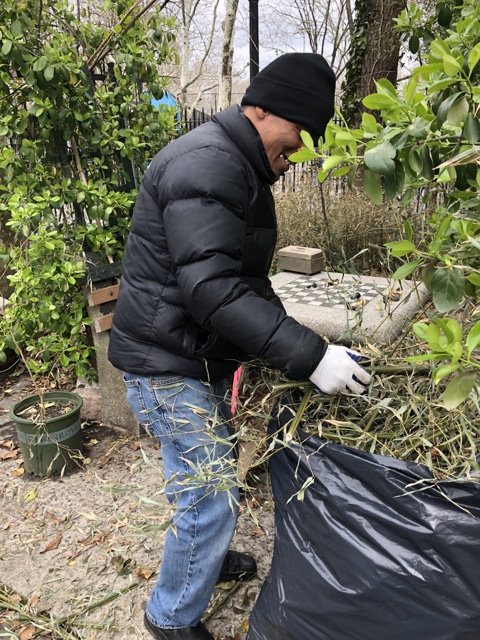

Noah Atchison April 20, 2018
Community Organizations Have Important Role in Lowering Crime Rates
“Research shows that in a city of 100,000, each new nonprofit community organization lead to a 1.2 percent drop in the homicide rate, a 1 percent reduction in the violent crime rate, and a 0.7 percent reduction in the property crime rate.”…
….Federal legislation such as the Reverse Mass Incarceration Act would provide resources to states to pursue creative approaches to helping communities bring down crime, while bills like the Sentencing Reform and Corrections Act would help fix our misguided use of overly-harsh punishments to reduce crime. While more research is needed to improve our public response to crime, supporting the community organizations that helped drive the crime decline is an excellent place to start.” Read more here.
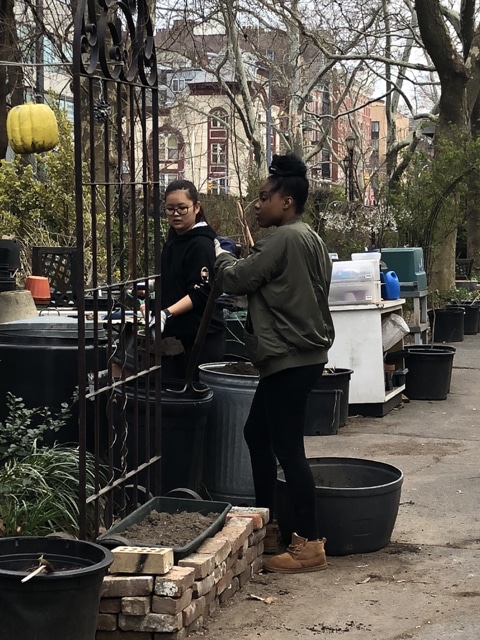
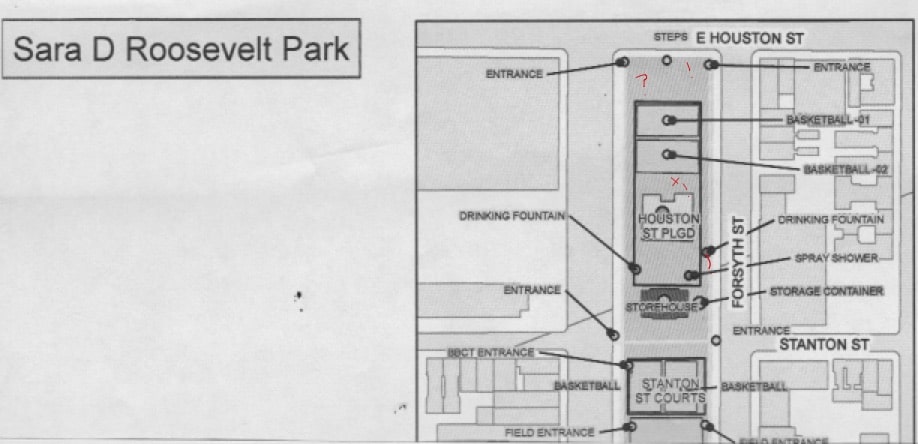
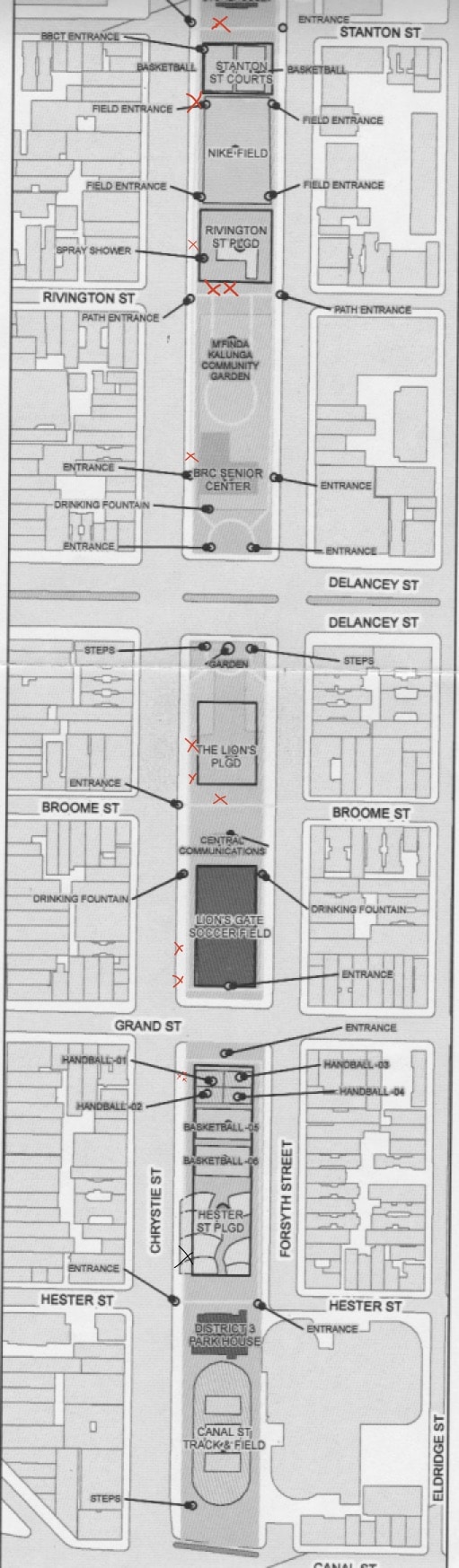
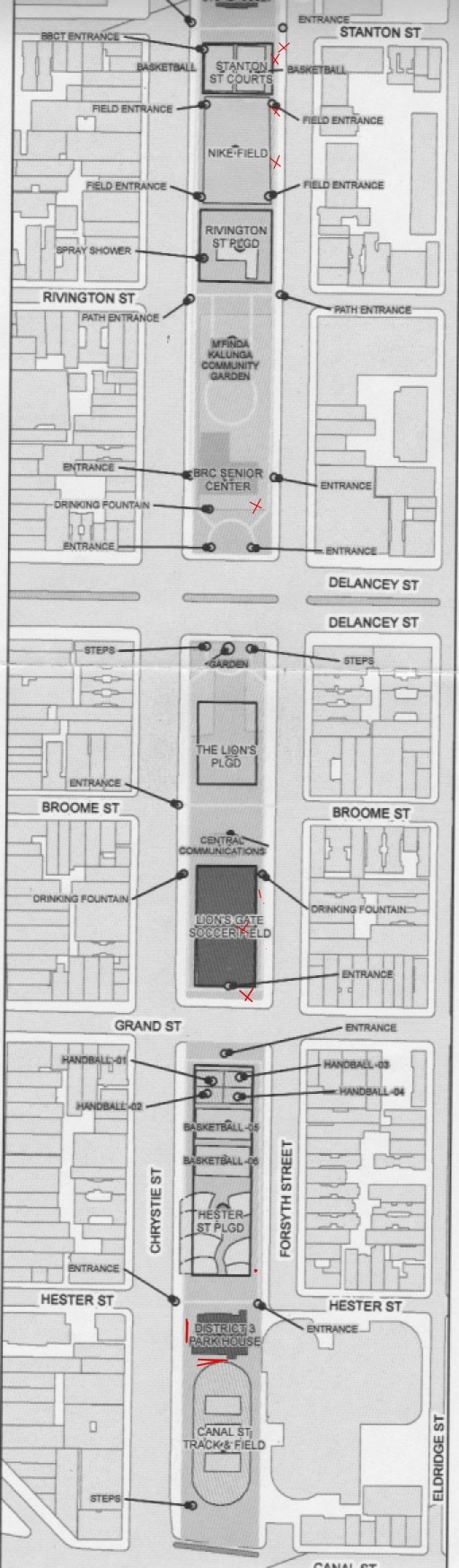
Mapping the Park:
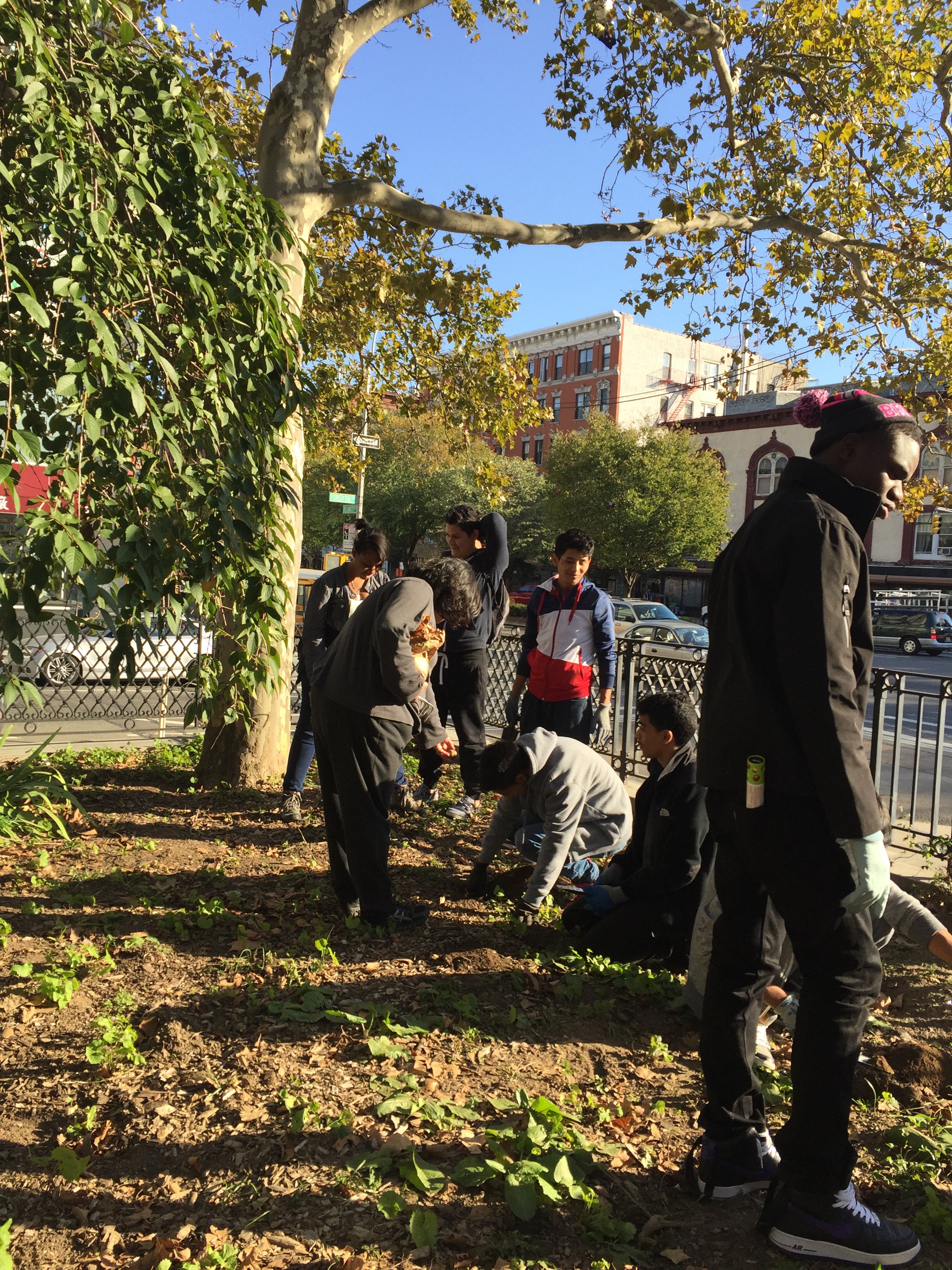
Victoria and Lulama marked the areas that had a lot of debris and had missing trees and empty spots:
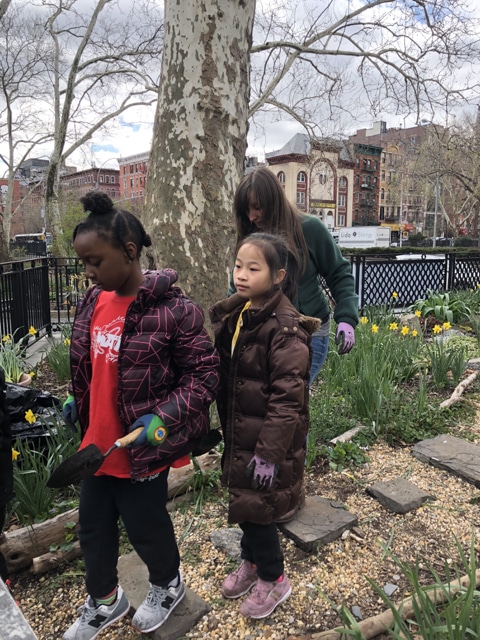
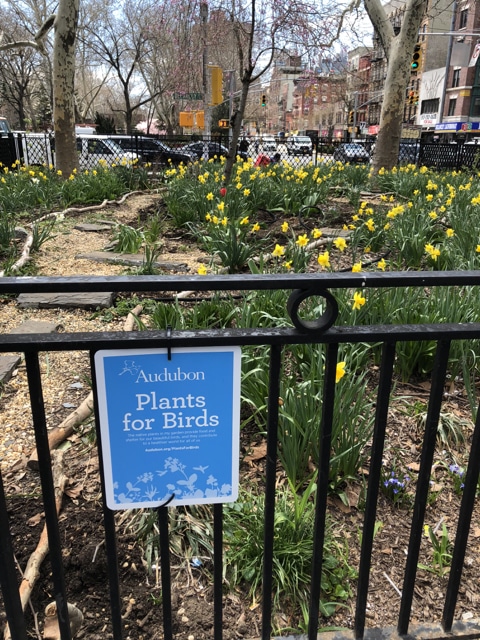
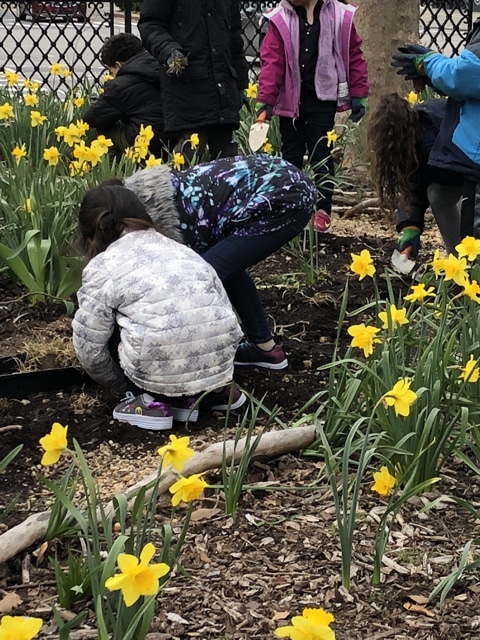
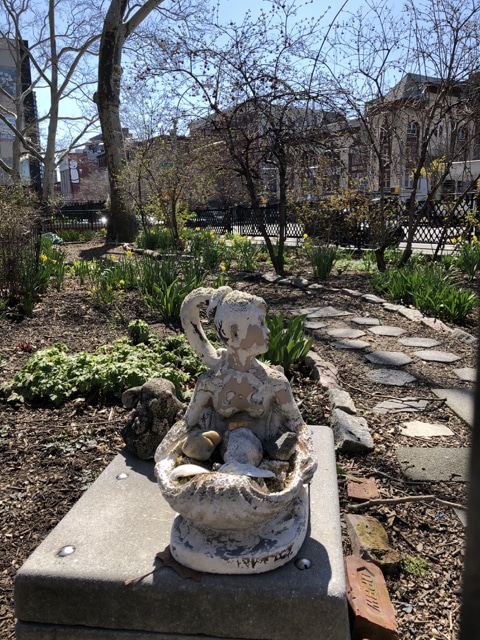
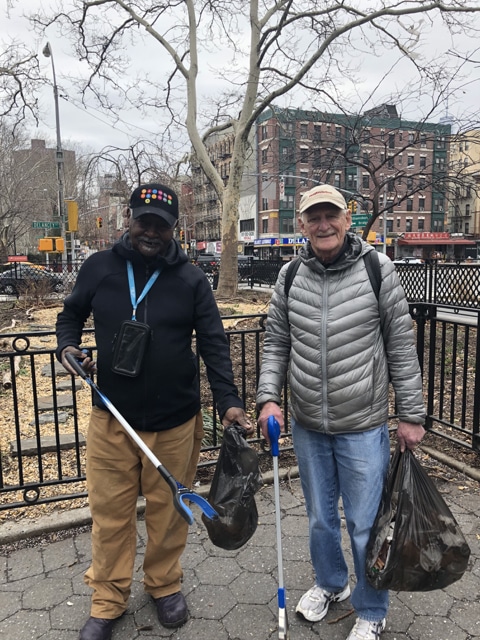
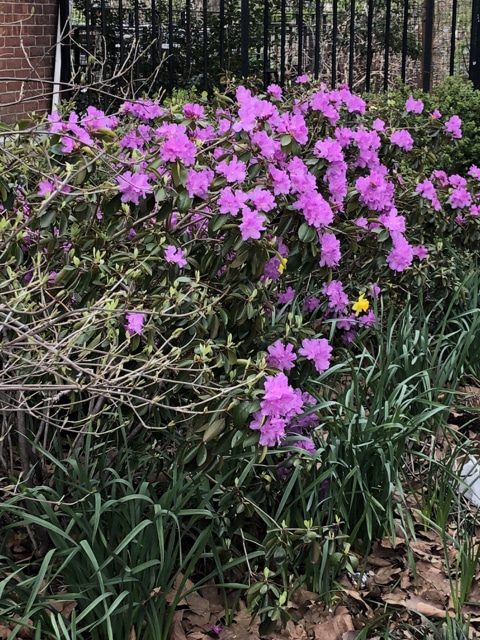
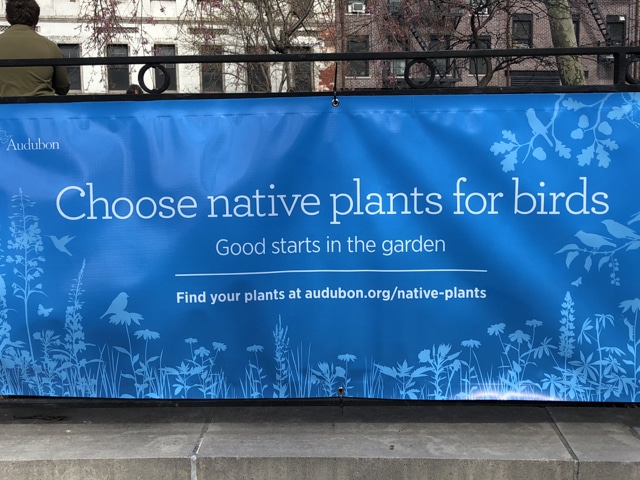
Audubon, SDR Coalition and PS 126 teamed up to rejuvenate the Audubon plot on the West Side of Delancey Street plot and planted daffodils in empty tree pits.
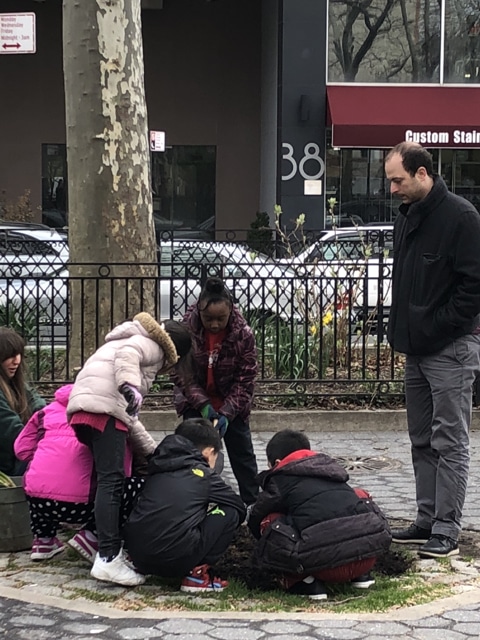
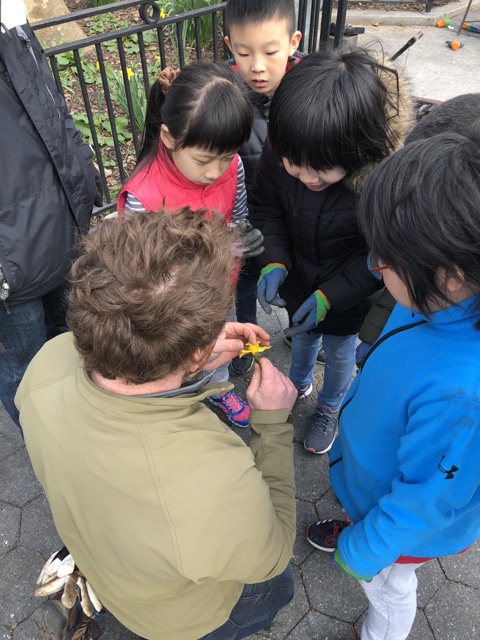
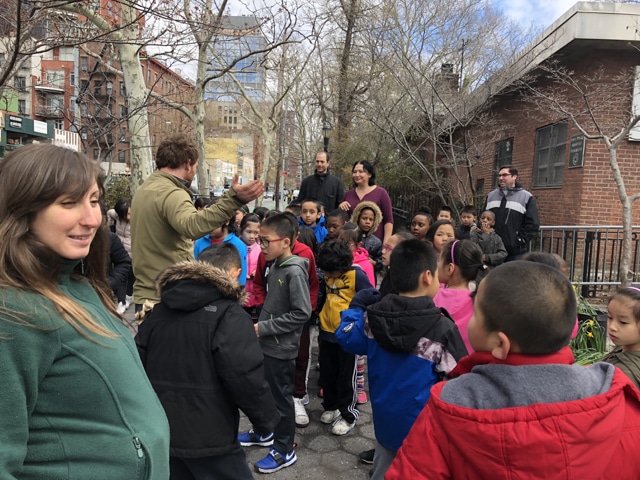
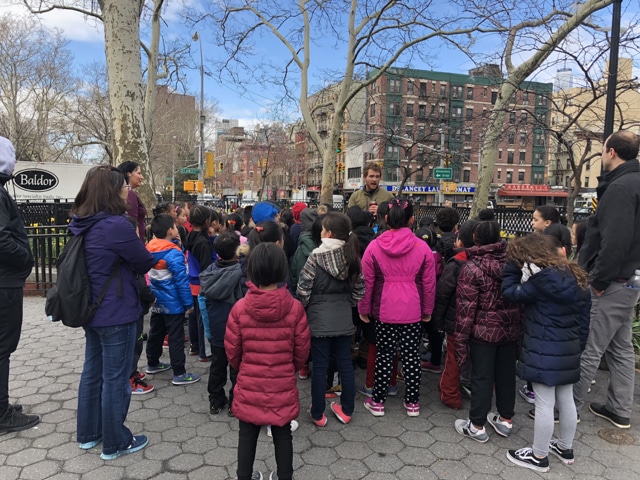
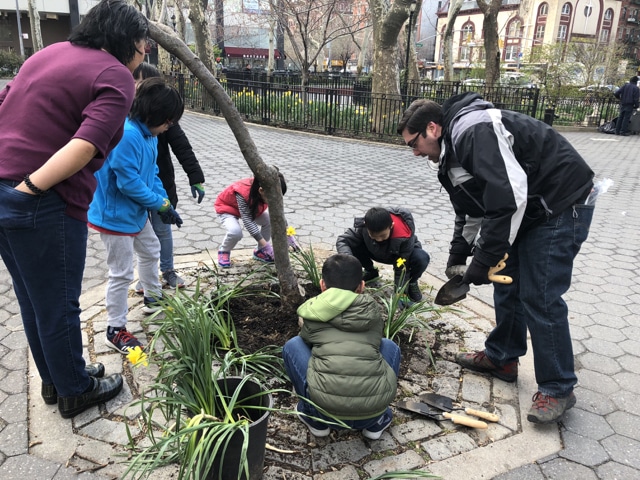
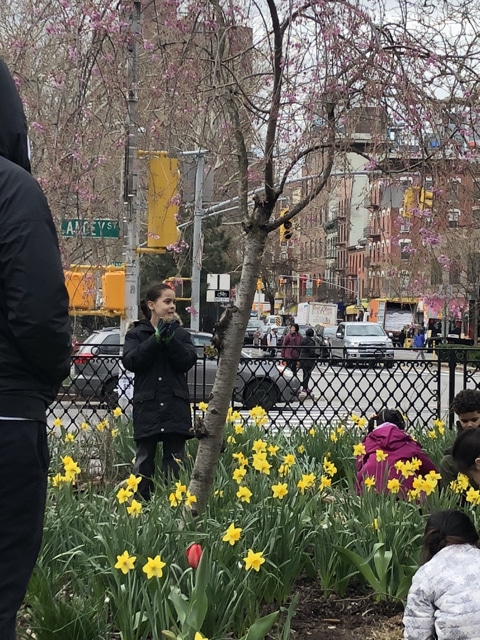
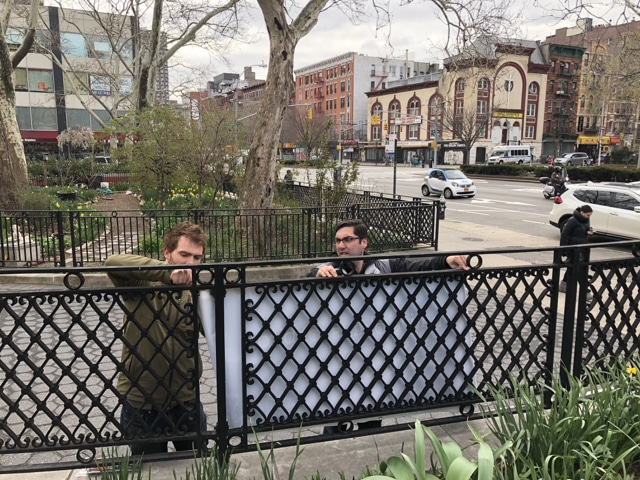
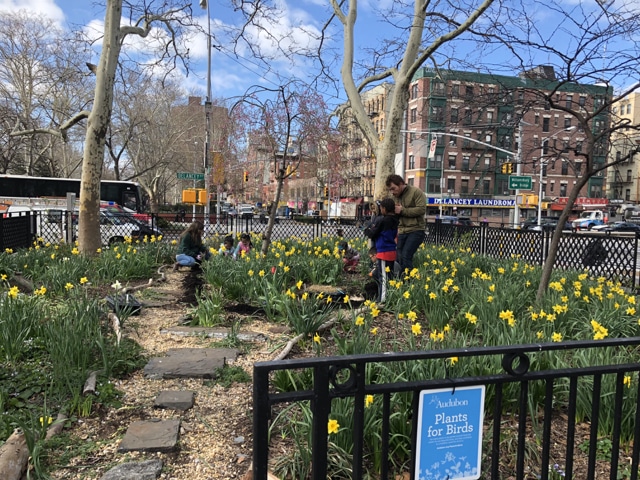
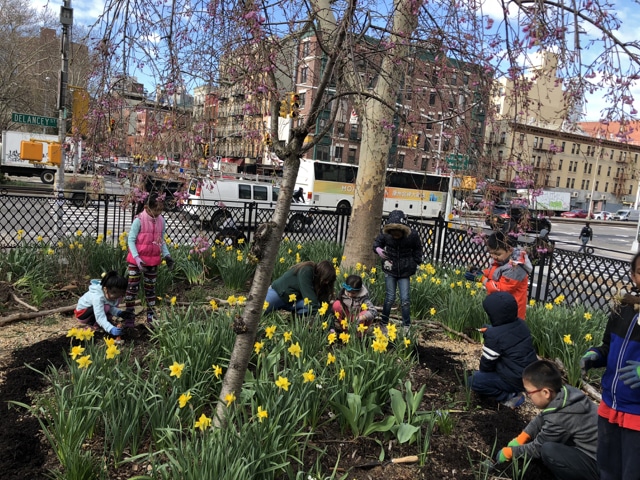
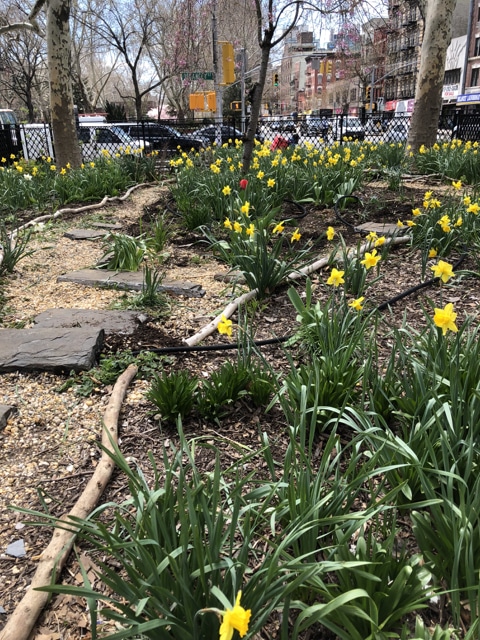
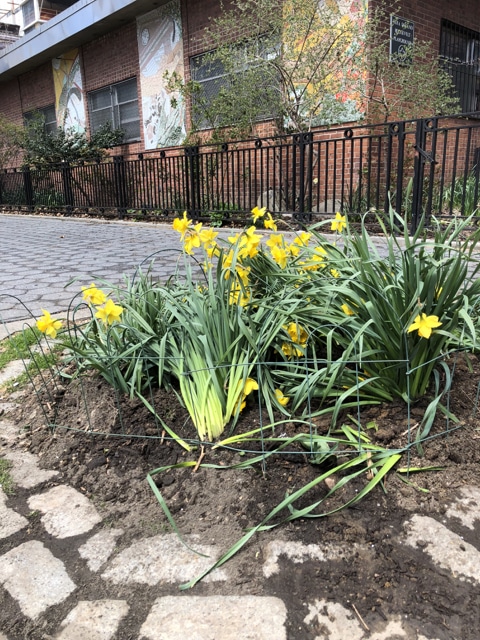
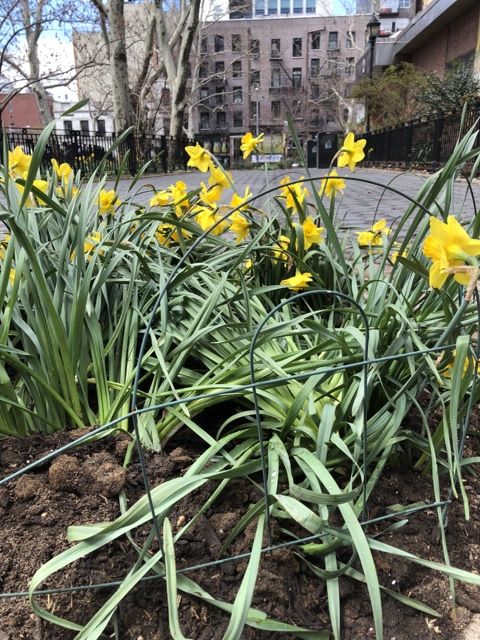
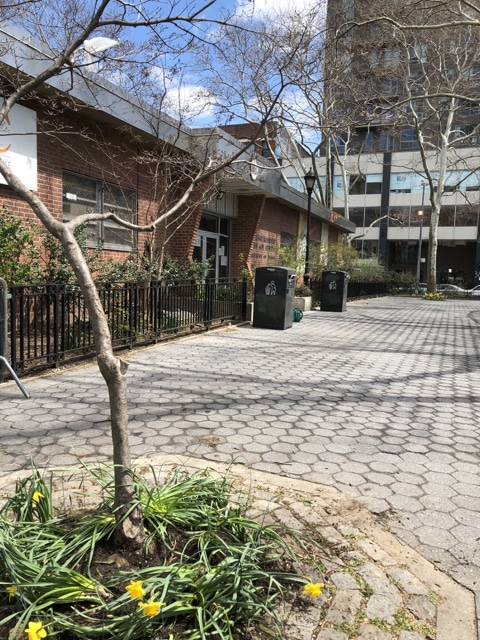
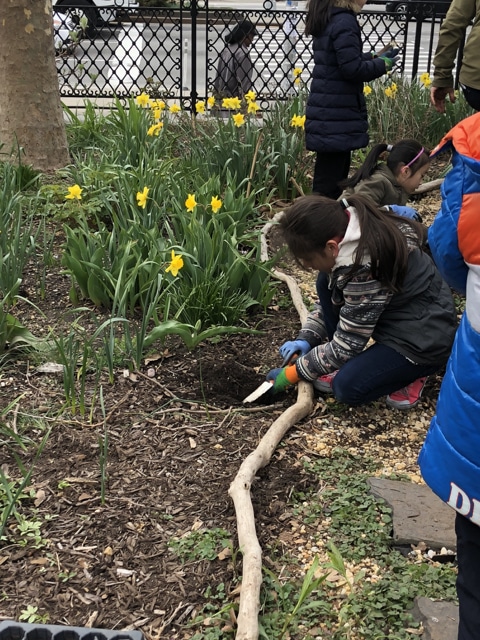
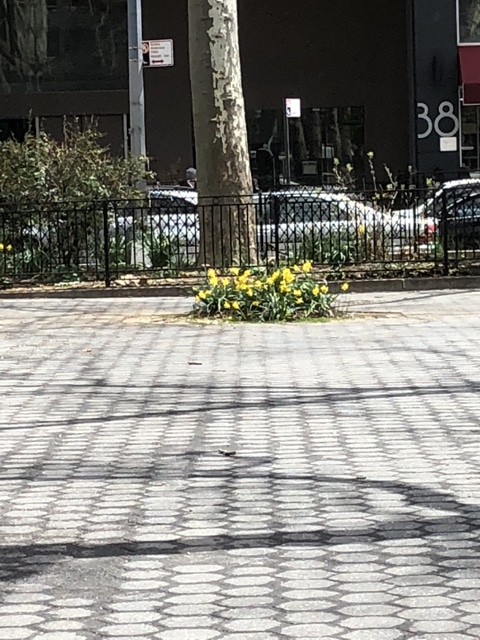
And a little help from Lamar..
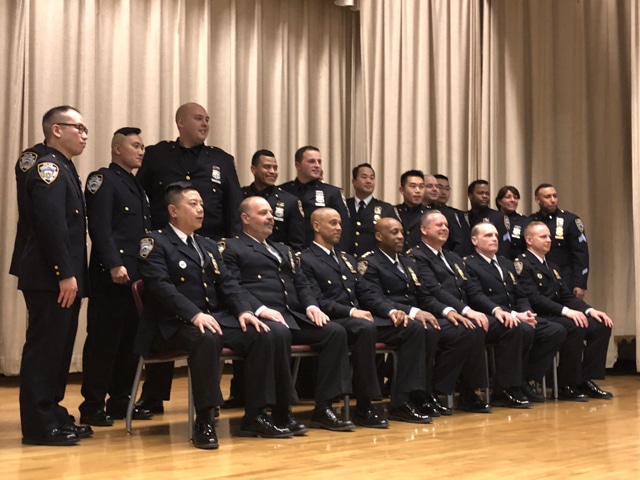
The 5th Precinct was out in force last night to present the new Neighborhood Coordination Officers (NCO) – a welcome return to the concept of neighborhood policing.
From the website:
“The cornerstone of today’s NYPD is Neighborhood Policing, a comprehensive crime-fighting strategy built on improved communication and collaboration between local police officers and community residents. Neighborhood Policing greatly increases connectivity and engagement with the community without diminishing, and, in fact, improving the NYPD’s crime-fighting capabilities.
The NYPD has long encouraged officers to strengthen bonds with the communities they patrol, but past practice in precincts left little time or opportunity for true community engagement. In recent years, the Patrol Services Bureau has systematically reorganized its patrol methods to achieve the goal of establishing Neighborhood Policing in every precinct, citywide, by 2019.”
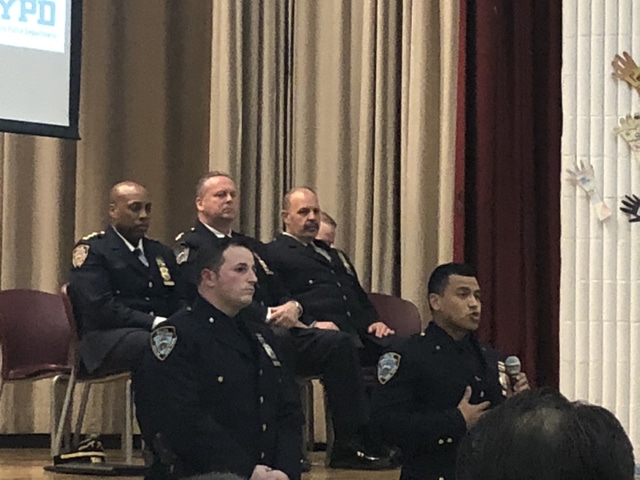
Each NCO introduced themselves personally: heartfelt, welcoming and seeming eager to join with the community in keeping our neighborhood safe and connected.
Our local [Sector “B”] NCO‘s are:
PO Enrique Urena: Email:Enrique.Urena@nypd.org Phone: (929) 334-9607
PO Joesph Bozzo: Email:Joseph.Bozzo@nypd.org Phone: (917) 455-0917
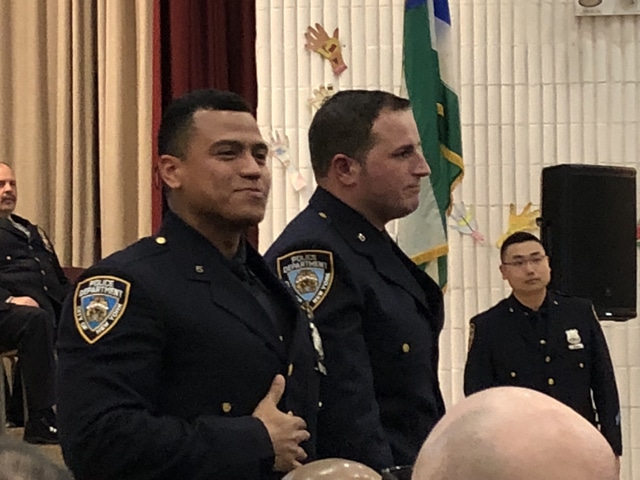
We are very glad to have them patrolling the entire Park and its surrounding area. We look forward to partnering with them and the 5th Precinct.
Soon there will be local Build a Block Meeting just for our ‘Sector’, Sector B, Check link for scheduling.
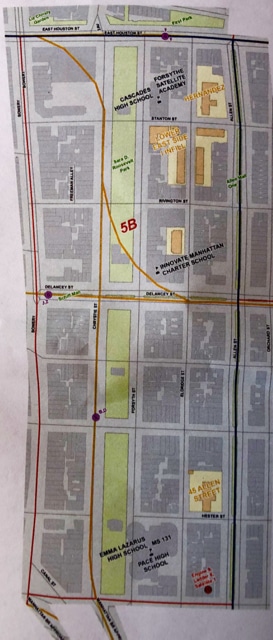 Sector B
5th Precinct Community Council meetings (covering all the sectors/areas in the 5th Precinct) take place the same as always:
Meetings: Community Council meetings typically take place on the last Wednesday of each month at 7 PM at the 5th precinct 9 Elizabeth Street (south of Canal Street). President: William Bray
Precinct: (212) 334-0711
Community Affairs: (212) 334-0726
Crime Prevention: (212) 334-0738
Domestic Violence: (212) 334-0738
Youth Officer: (212) 334-0717
Auxiliary Coordinator: (212) 334-0700
Detective Squad: (212) 334-0742
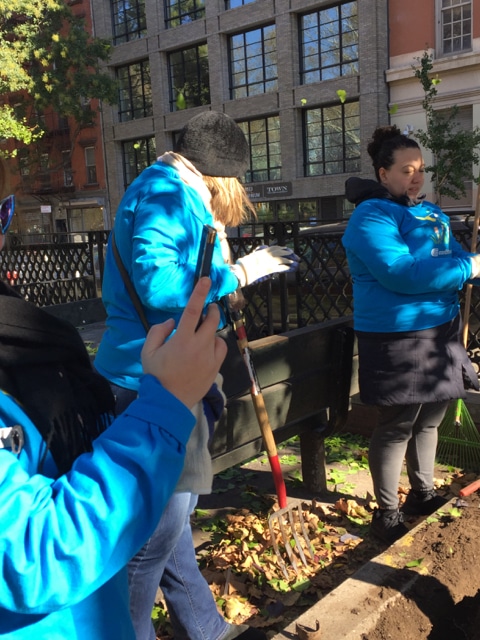
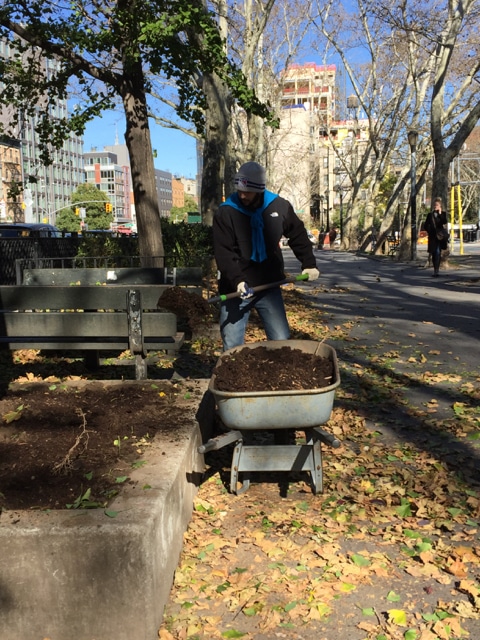
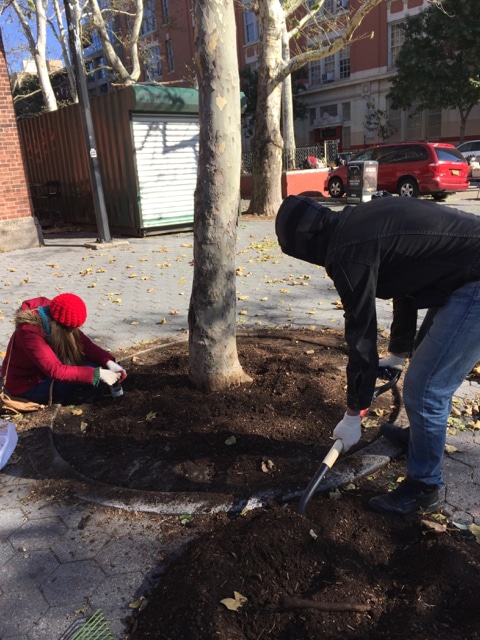
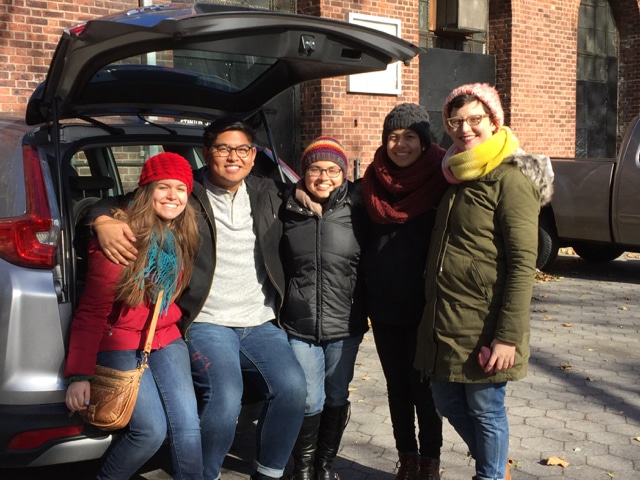
The New Forsyth Conservancy
(Tenement Museum Staffers)
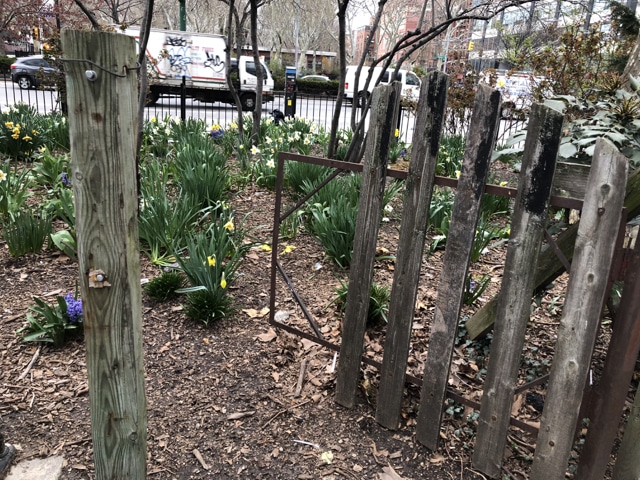
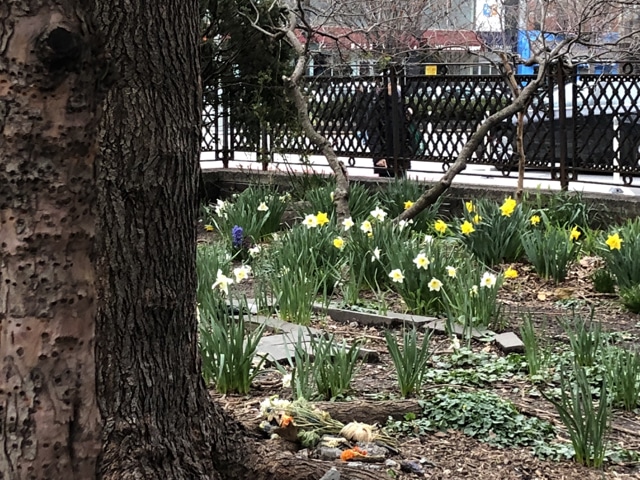
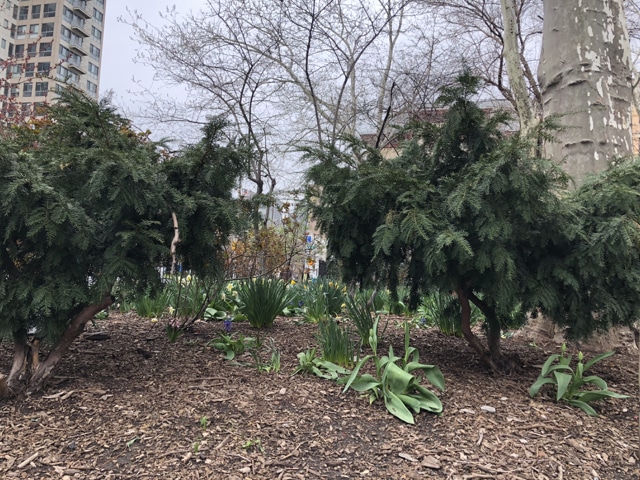
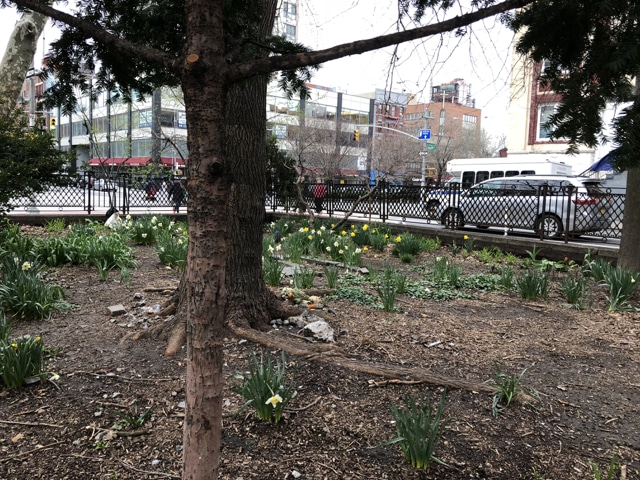
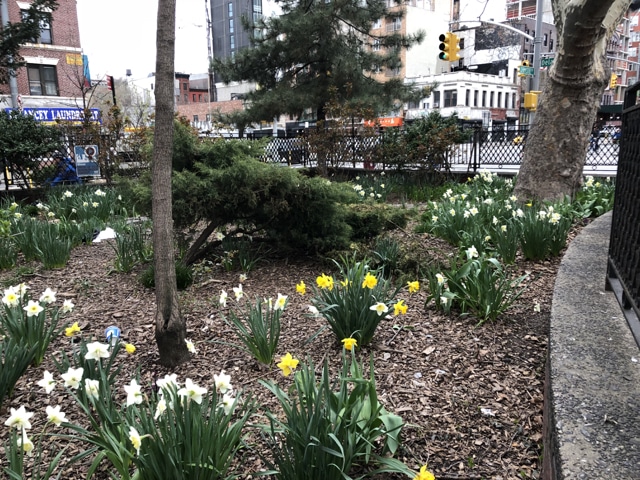
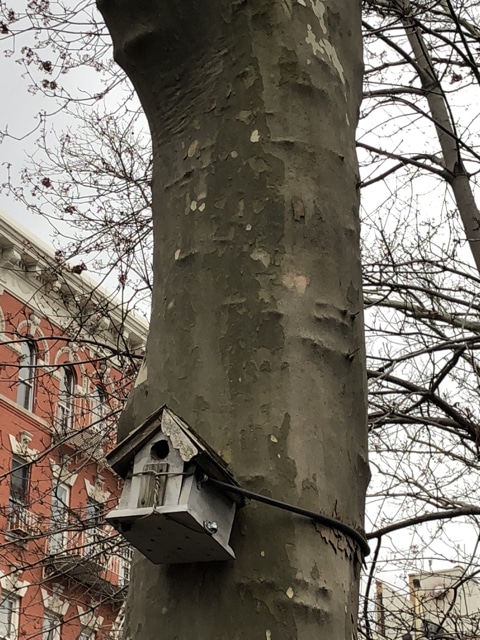
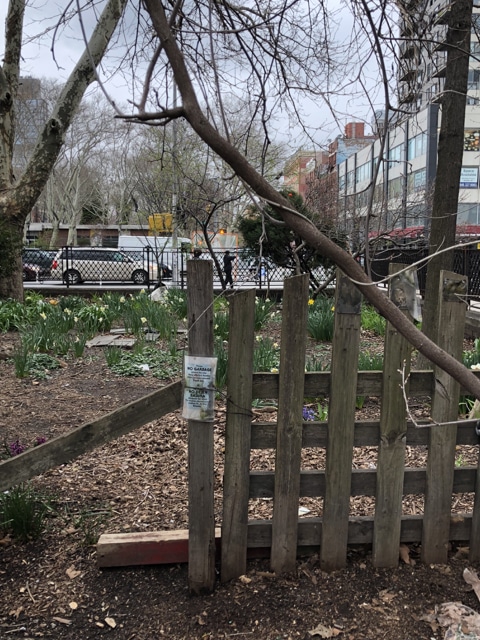
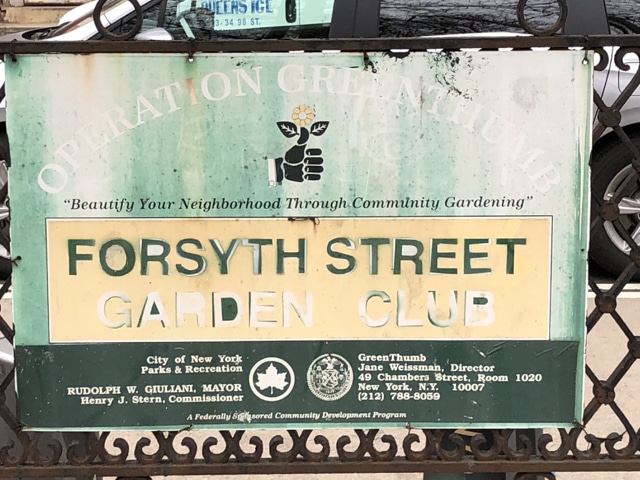
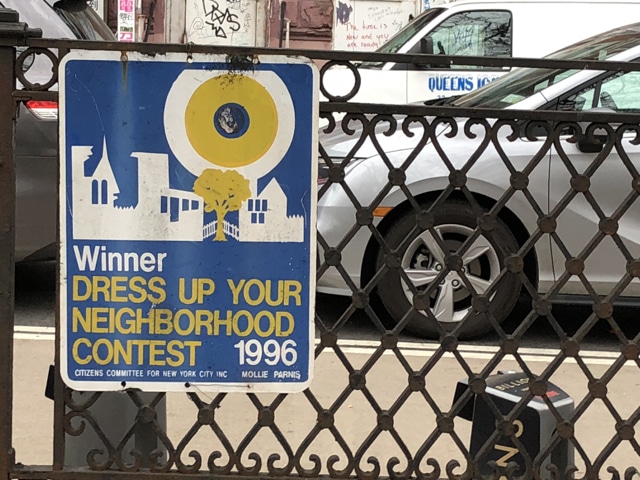
Broome Street To Grand Street Beds (Thanks to Kaitlen Griffen Park’s Department’s SDR Gardener)
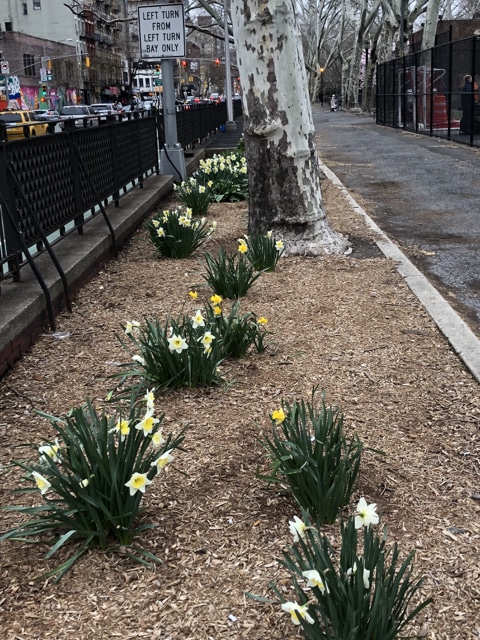
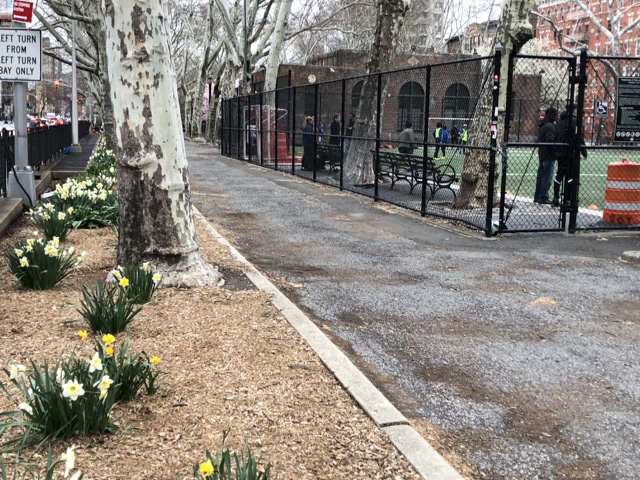
And Broome Street
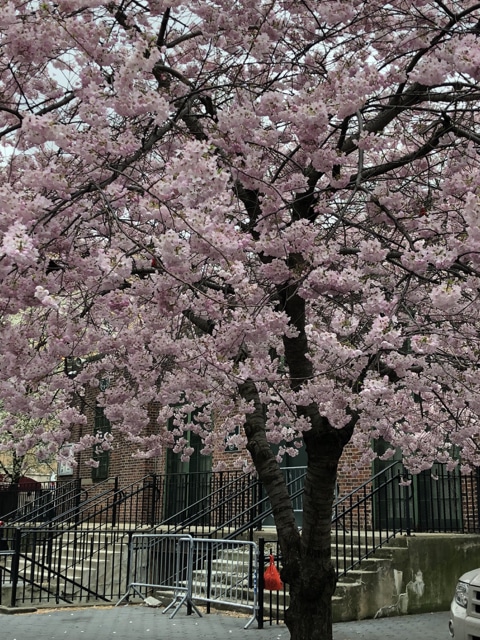
From FABnyc and Downtown Art:
TOMORROW, Wednesday, April 18th
9:30am – 11am
Downtown Art 70 E 4th St
RSVP to dakota@fabnyc.org
To ensure a listing for your event on the official LES History Month calendar and in e-blasts & press releases, please fill out this form.