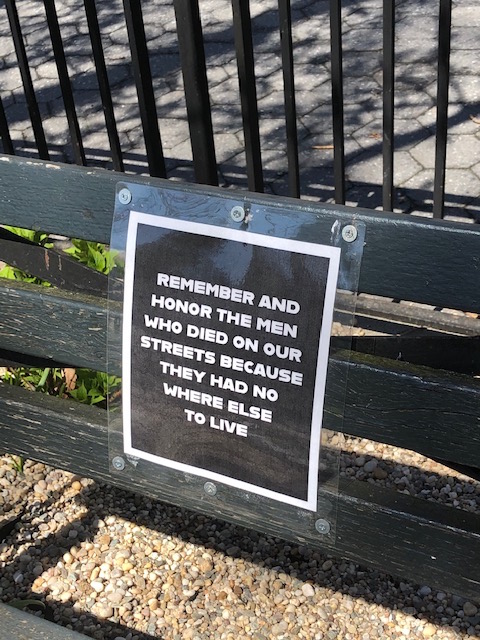
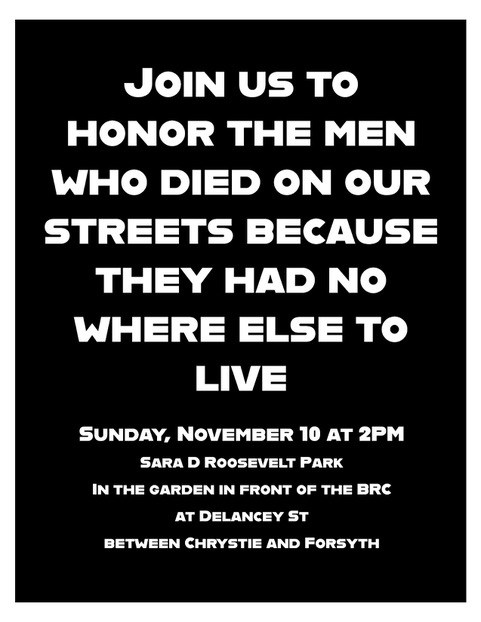
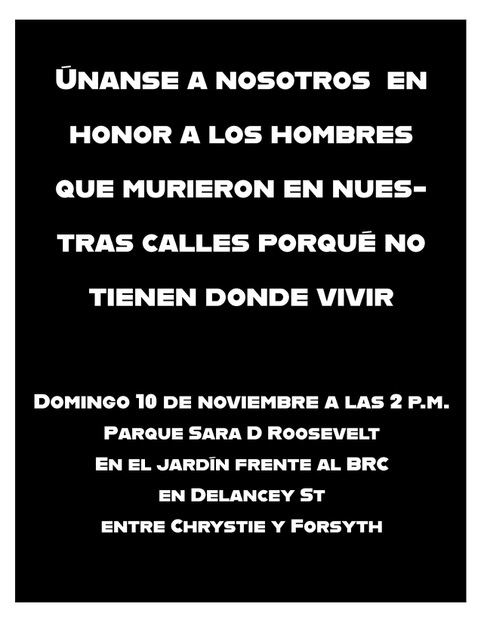
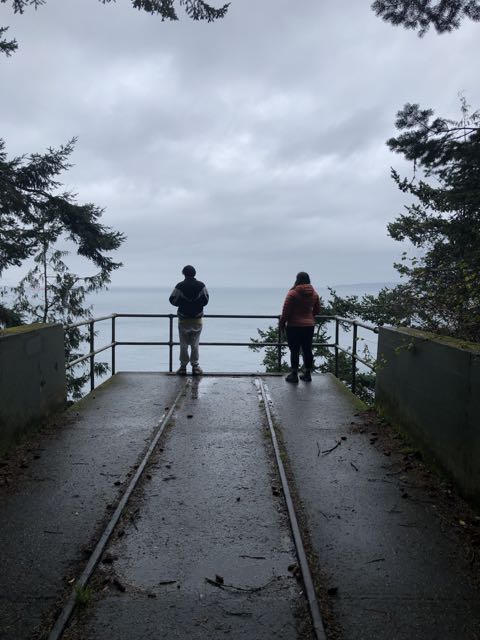
Today’s Memorial

“the poor person does not exist as an inescapable fact of destiny. His or her existence is not politically neutral, and it is not ethically innocent. The poor are a by-product of the system in which we live and for which we are responsible.”

– Theologian Gustavo Guitterez


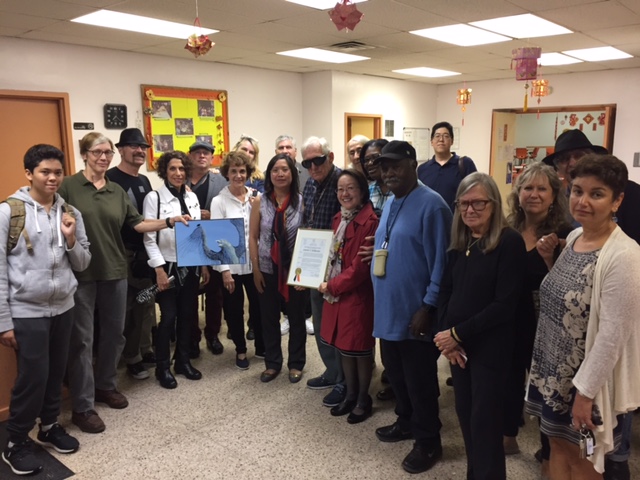
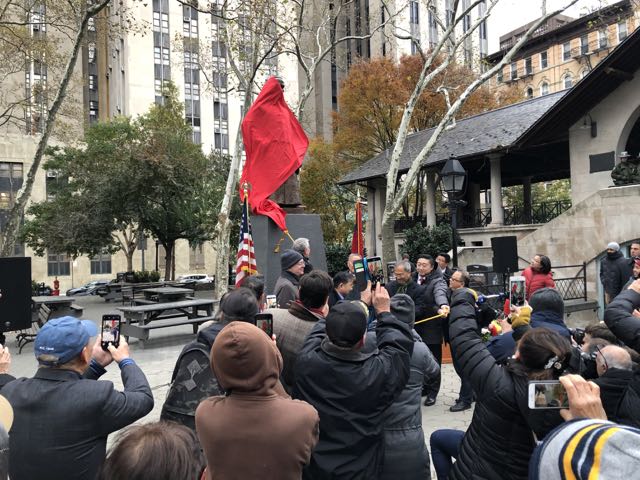
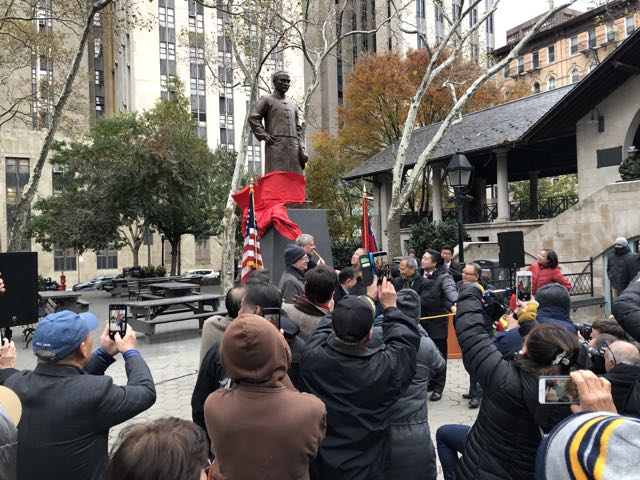
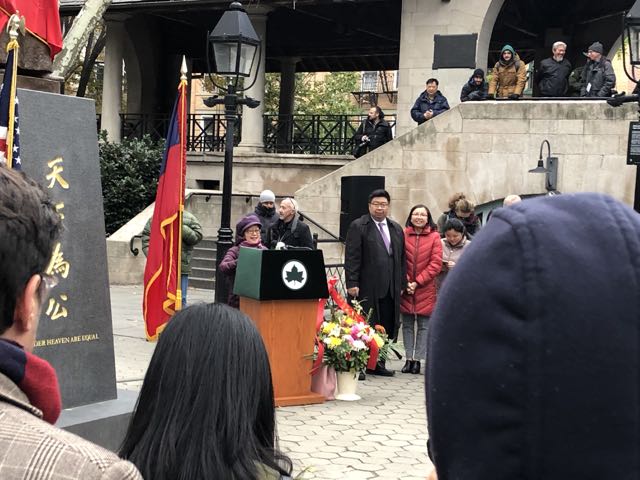
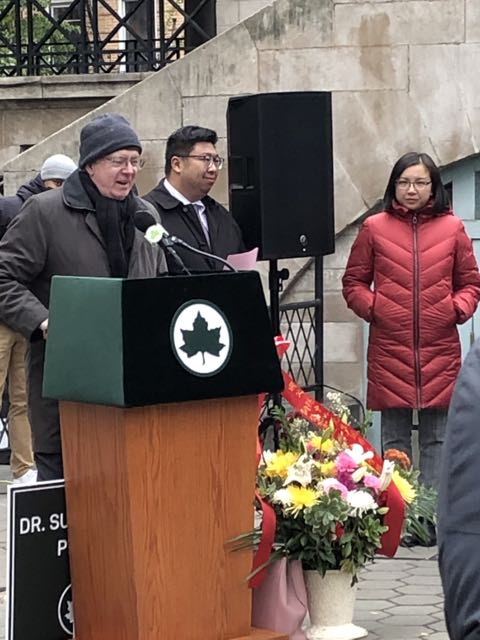
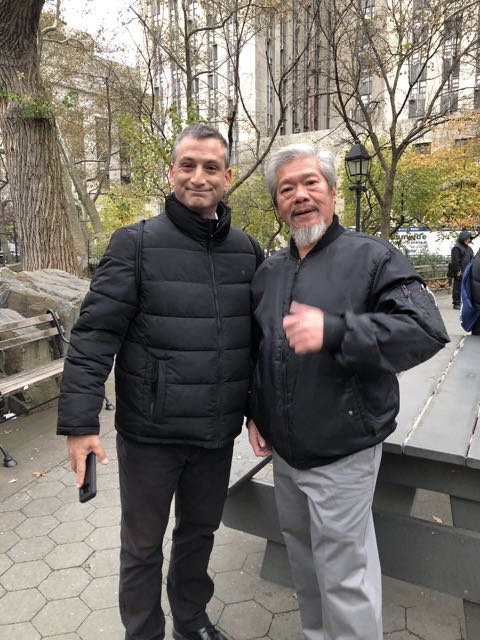
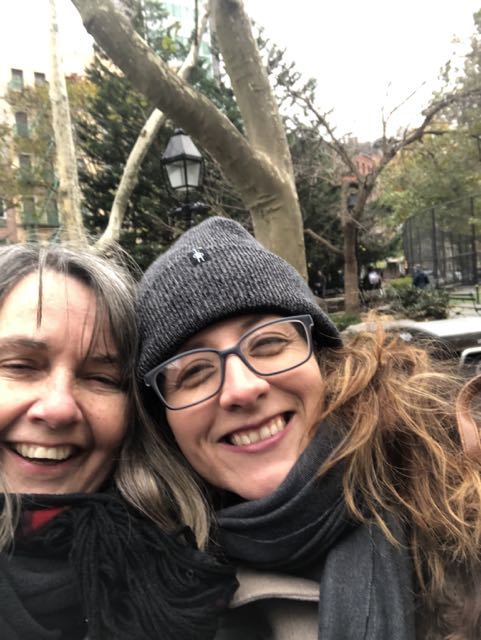
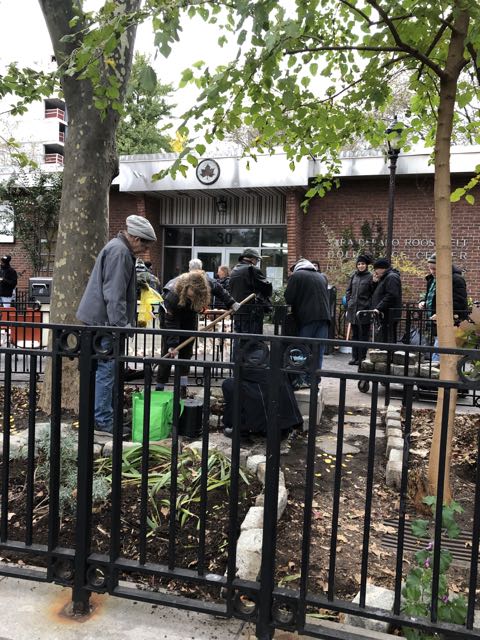
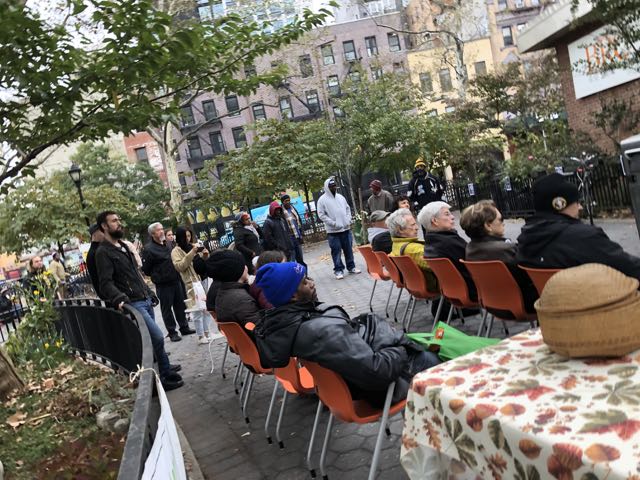
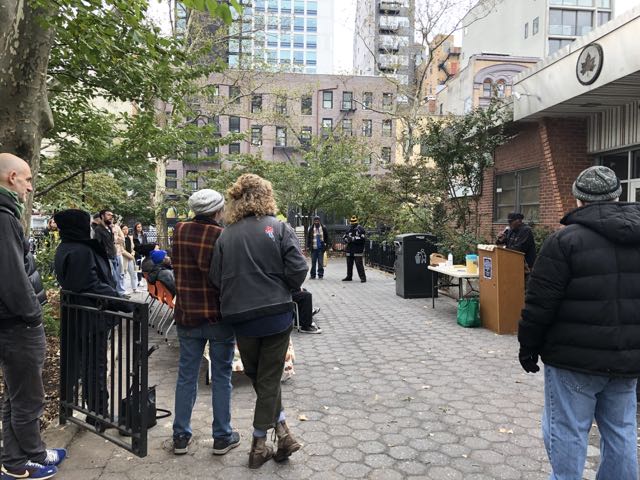
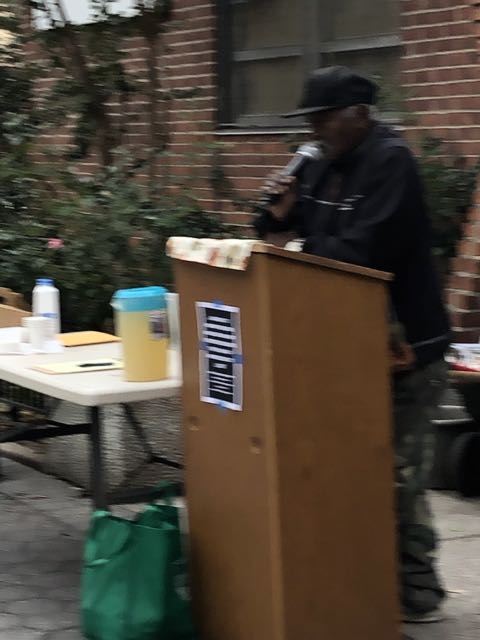
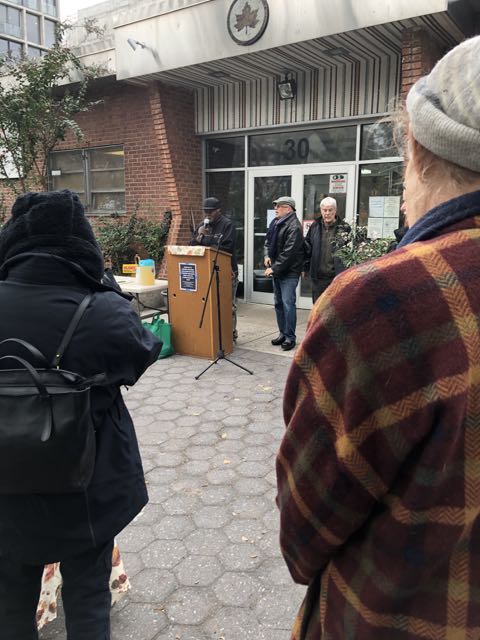
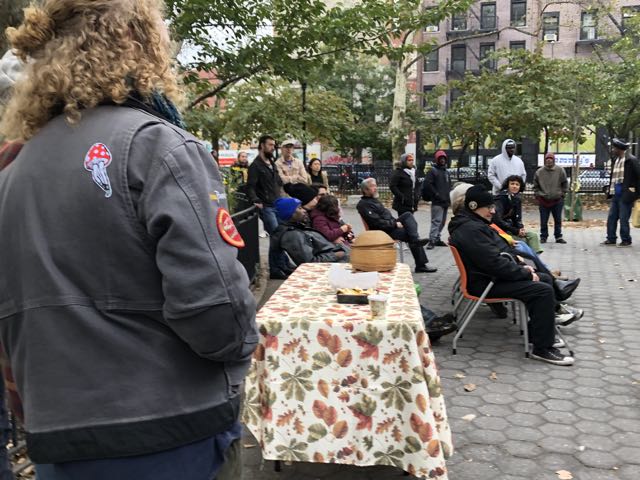
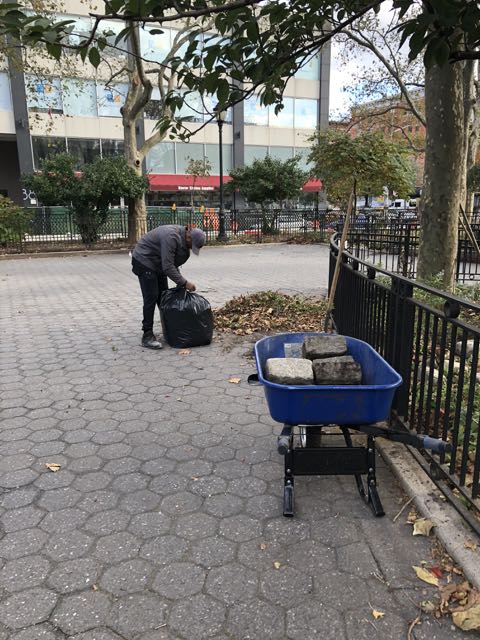
Bob spoke of his decision to care about all the people in the park and asked us to mark a moment of silence, Michele quoted James Macklin “the only time you should be looking down on someone is when you are bending over to help them”, One man reminded us that the police have helped him, Steve played duduk,  many cried quietly on the bench.

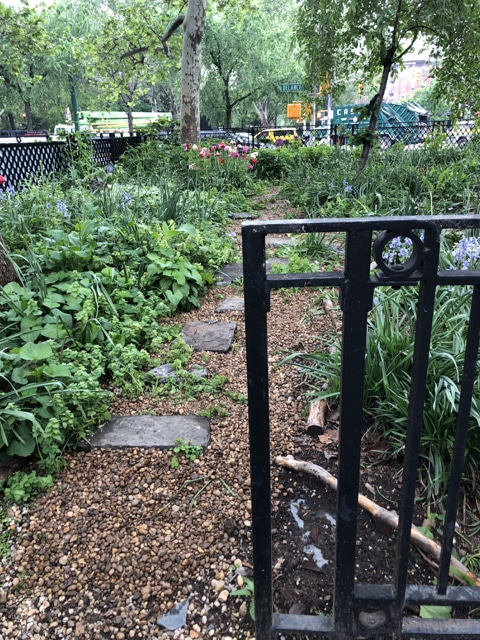
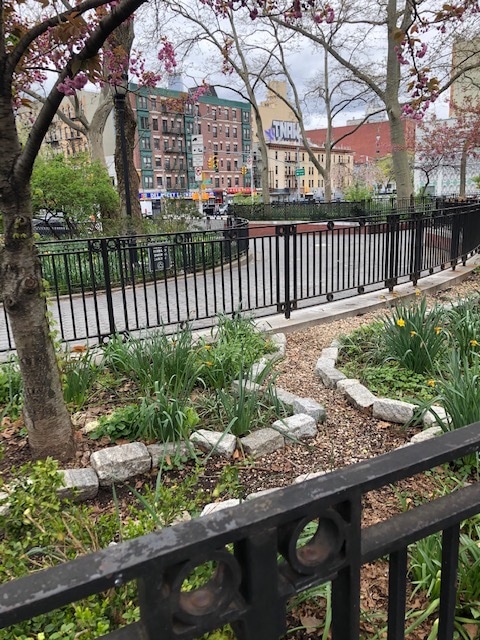
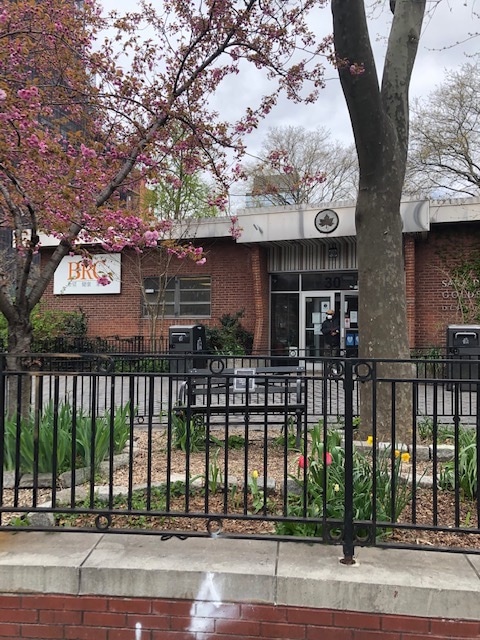
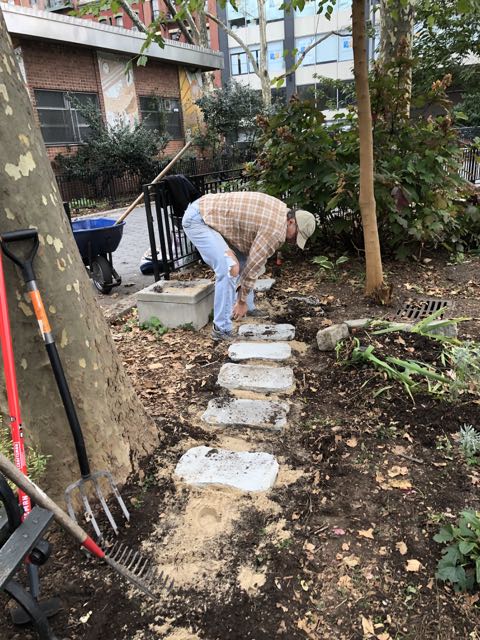
Bob asked anyone who wanted to, to place one stone as we create a garden to remember all who have died here and nearby due to homelessness and to celebrate their lives.

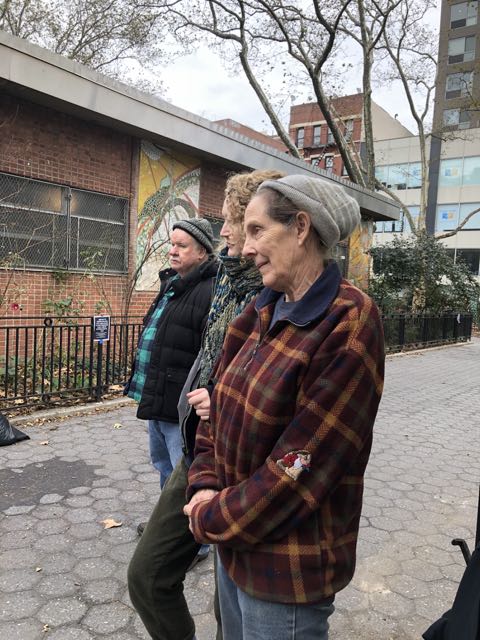
People stayed and talked and remembered community.


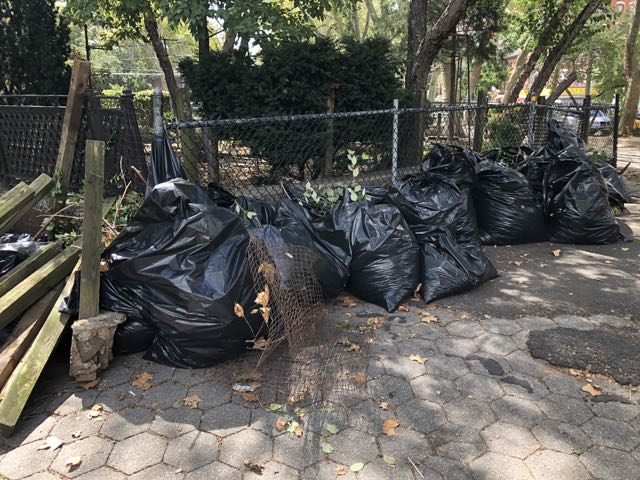
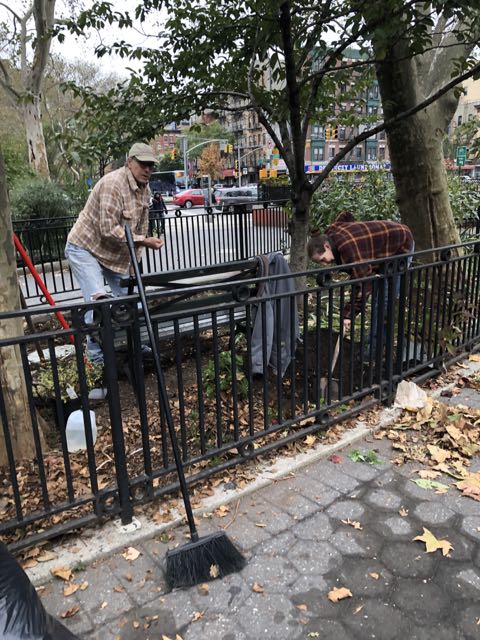
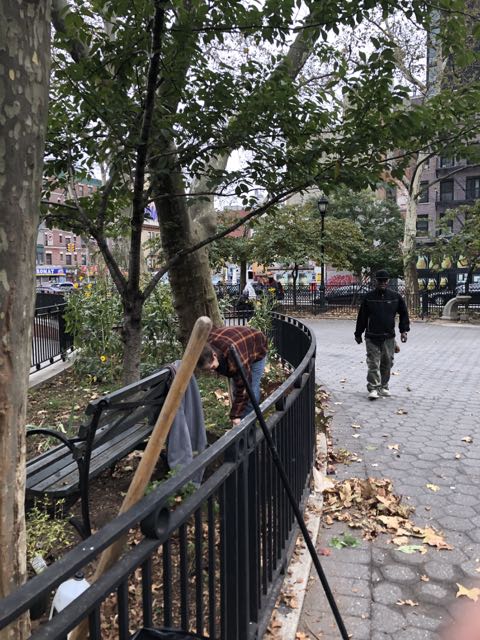
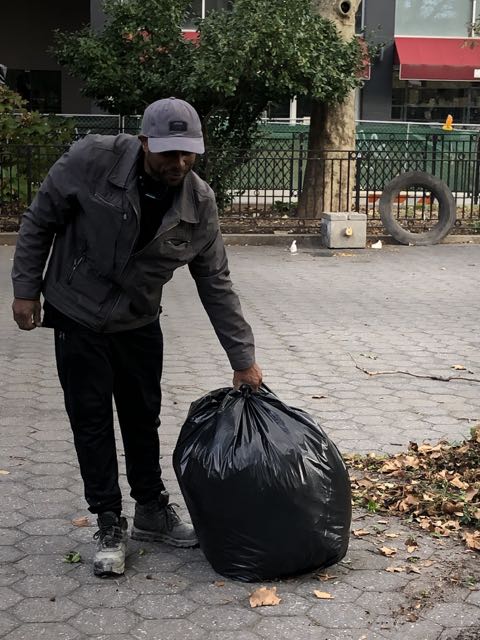
Prep work to build the garden: Omar, Kate, Rob, K, Bob


Read MoreToday’s Memorial
  • Post category:News

Climate Crisis

NYTimes:

“It’s one thing to see images of glaciers cracking apart and to understand, journalistically, the gravity of rising sea levels, longer droughts and frequent extreme weather events. It is quite something else for this thing, this term, global warming, that we’ve talked and written about in the abstract to now be palpable in such a terribly quotidian way. As 11,000 scientists recently explained in an article for the journal BioScience: “The climate crisis has arrived and is accelerating faster than most scientists expected. It is more severe than anticipated, threatening natural ecosystems and the fate of humanity.”

Read MoreClimate Crisis
  • Post category:News

3 Articles on the EastSide Park Plan

The Villager:

NYCHA tenants launch petition to stop current East Side flood plan

“A group called NYCHA Speaks is behind the petition, which demands that local officials…reconsider the current plan, which would raise the park by 8 to 10 feet along 2.5 miles of the park along the East River.

“Our homes are next to the East River Park,” the petition reads, “and we are concerned about the impact that the full-scale destruction of the park will have on our health and quality of life.”

Concerns about the city’s plan, according to Yvette Mercedes and Curtis White of NYCHA Speaks, include pollution from contaminants being released into the air, and the loss of green space, including nearly 1,000 trees. The group said it has sent the petition to local officials, including all City Council members, state senators, assembly members and Mayor Bill de Blasio.”

On Nov. 4, the current plan passed the City Council Subcommittee on Landmarks, Sitings and Dispositions. The next vote is scheduled for Nov. 12 in the Land Use Committee, and then a full vote in the City Council on Nov. 14.

East River Park ACTION, has recently presented its own petition against the plan, which collected around 2,000 local signatures.

Read more here.
Ecological Cities event to focus on East Side waterfront

“Artists, dancers, singers, musicians and performers of all stripes are invited to join a free panel discussion and planning meeting of Earth Celebrations Ecological City Climate Solutions Action on Wed., Nov. 13, from 6:30 p.m. to 8 p.m., at the Loisaida, Inc. Center, at 710 E. Ninth Street, between Avenues C and D.”

“Featured climate solution presentations will be by Aziz Dehkan, NYC Community Garden Coalition; Wendy Brawer, Green Map System; DeeDee Maucher, MoS Collective; Howard Brandstein, Sixth Street Community Center; and Felicia Young, Earth Celebrations.”


Don’t Kill East River Park for a Bad Flood Plan

From the Lo-Down: Op Ed by East River Park ACTION founder Pat Arnow.

“Troubling Questions, Vague Promises

There are deeply troubling unanswered questions as this plan races toward passage in the City Council Nov. 14. The city has promised to look into interim protection and timelines that have not been worked out. For instance, there is still no report on how long it will take the eight feet of fill to settle before a new park can be built or how to deal with contaminated soil that will be dug up when ConEd works with their underground lines. We have no written guarantees that the city will deal with these or any other problems with the plan.”

Read more here.

Read More3 Articles on the EastSide Park Plan
  • Post category:News

What Baltimore Gets Right about Urban Trees

From Reasons to Be Cheerful:

“Baltimore has focused on monitoring and maintaining the [trees] it already has—and is one of the few cities whose urban forest is expanding”

By: Christine McLaren


As good as tree-planting makes us feel, maintaining a truly productive tree canopy means it’s important to do just that: maintain it..we need to keep the trees we already have alive…especially in cities, where trees are a crucial bulwark against heatwaves and the heat island effect. Big, old trees are cities’ sprawling parasols. Yet, over the last decade, cities in the US have actually lost an average of 175,000 acres of urban forest—36 million trees per year.

Baltimore’s urban forest has actually gotten bigger…

..Baltimore’s secret to keeping its streets green is surprisingly simple: they monitor their trees more closely than almost any other city in the country.

“U.S. Forest Service teamed up with researchers from the University of Vermont’s…to develop a new type of land cover map…it uses high-resolution aerial imagery and a… 3D airborne laser-guided data detection method known as LiDAR. The map…let city officials look at Batimore’s trees more closely than ever before…[combined] with other city data, like health and crime records, property values and census figures.”

“…in places where the tree canopy increased, both temperature and crime declined. The city…put a dollar value on each tree—about $57,000—in order to treat it like an investment, and use the technology to monitor the health of that investment. City arborists now use that information to determine if trees are sick, for example, or in need of pruning or maintenance.”

“[The concern was] how many [of the new trees were] still alive 4 or 5 years later,” Baltimore arborist and head of forestry Erik Dihle…”

The remarkably simple monitoring approach, and the technology that enables it, have since been made available to cities everywhere by the U.S. Forest Service. Known as the Urban Tree Canopy Assessment, it has been applied in at least 30 communities in the U.S. and Canada, and is available as a suite of tools on the U.S. Forest Service website.

According to the U.N. Food and Agriculture Organization, strategic placement of trees in cities can help to cool the air between two and eight degrees Celsius, & can reduce the need for air conditioning by 30% & heating bills by 20-50%, if placed correctly.

A mature tree also sops up about 150 kg of CO2, a whack of urban air pollutants and more than 15,000 liters of water per year, which, for those concerned with flooding and stormwater management, is a huge deal in our concrete jungles. Plus, they’re pretty.

Read more here.
 

US Forest Service: “Despite millions of dollars spent each year by federal, state, and local governments on remote sensing datasets, decision makers sometimes still find that they lack basic information about their community’s tree canopy because these datasets have not been converted into practical, readily interpretable information. In the Urban Tree Canopy (UTC) Assessments Program, NRS scientist Morgan Grove, with a partner from the University of Vermont’s Spatial Analysis Laboratory, has developed advanced processing techniques that to help fill this information gap. They have provided new land-cover maps that are 900 times more detailed than existing datasets. These assessment have been completed for over 30 communities in the United States and Canada. The UTC Assessment Program has been recognized for its outreach activities by the Association of Natural Resourced Educational Professionals and for its use of advanced image processing algorithms by Nobel Laureate Dr. Gerd Binnig.”

Tree Canopy Assessment Tools available from US Forestry.

Read MoreWhat Baltimore Gets Right about Urban Trees
  • Post category:News

Climate Crisis: 11,000 Scientists Warn of ‘Untold Suffering’

The Guardian:

“But it is not too late.”

They set out a series of urgently needed actions:

  • Use energy far more efficiently and apply strong carbon taxes to cut fossil fuel use
  • Stabilise global population – currently growing by 200,000 people a day – using ethical approaches such as longer education for girls
  • End the destruction of nature and restore forests and mangroves to absorb CO2
  • Eat mostly plants and less meat, and reduce food waste
  • Shift economic goals away from GDP growth

“A broader set of indicators should be monitored, including human population growth, meat consumption, tree-cover loss, energy consumption, fossil-fuel subsidies and annual economic losses to extreme weather events,” said co-author Thomas Newsome, of the University of Sydney.

“The climate crisis has arrived and is accelerating faster than most scientists expected. It is more severe than anticipated, threatening natural ecosystems and the fate of humanity.”

“The good news is that such transformative change, with social and economic justice for all, promises far greater human well-being than does business as usual,” the scientists said. The recent surge of concern was encouraging, they added, from the global school strikes to lawsuits against polluters and some nations and businesses starting to respond.

Read MoreClimate Crisis: 11,000 Scientists Warn of ‘Untold Suffering’
  • Post category:News

Climate Regeneration – Born 30 Years Ago (and local reporting from Lincoln Anderson is back)

From Village Sun article -Travis Price, third from right, and neighborhood residents who worked on installing the building’s solar panels. (Courtesy Travis Price)

“Remembering E. 11th St. green-power pioneers”

BY LINCOLN ANDERSON | Alarm over climate change is the story of the day.
Yet it wasn’t until the late 1980s that the U.S. media started warming up to the issue of global warming. And it was only a few years before that, in 1977, that President Jimmy Carter first warned of a looming energy shortage, urging it was time to look to “permanent renewable energy sources, like solar power.”
Meanwhile, on the Lower East Side — as the East Village was then still known — a group of environmental pioneers was doing just that. Their project began as a gut-rehab of an abandoned 1910 tenement at 519 E. 11th St., between Avenues A and B. By the time the work concluded, the building also sported two cutting-edge forms of renewable energy on its rooftop — a wind generator, plus solar panels…”
Read more here.
Read MoreClimate Regeneration – Born 30 Years Ago (and local reporting from Lincoln Anderson is back)
  • Post category:News

Sara Roosevelt Courts at Houston Street – A Story

CityLab:

“This Basketball Will Be Your Father”

Michael Klawans
MICHAEL KLAWANS

“I found these courts 16 years ago when I moved to New York City’s Lower East Side. To a street basketball lover they are beautiful: two wide-open courts, lined with sycamore trees and benches.”
“The Sara D. Roosevelt Park, has been here for 84 years. One block wide and seven blocks long, it stretches from the Manhattan Bridge to Houston St. and is flanked by Chrystie and Forsyth Streets. It actually contains six full courts: Two on Canal St, and another two next to a soccer field between Stanton and Rivington. Those two have been recently repainted by a famous graffiti artist in a co-branding partnership with Nike: Flashy, but not for me. The real action is on the north-side courts.”
Read more here.

Read MoreSara Roosevelt Courts at Houston Street – A Story
  • Post category:News

Articles on the Climate Crisis

“The movement to take climate action has begun – but we have a long way to go”

“Young people, the UN and a growing number of leaders are mobilizing, but we need many others to take action, the UN secretary general writes”

Global emissions are increasing. Temperatures are rising. The consequences for oceans, forests, weather patterns, biodiversity, food production, water, jobs and, ultimately, lives, are already dire – and set to get much worse.

The science is undeniable. But in many places, people don’t need a chart or graph to understand the climate crisis. They can simply look out the window.

Climate chaos is playing out in real time from California to the Caribbean, and from Africa to the Arctic and beyond. Those who contributed least to the problem are suffering the most.

I have seen it with my own eyes from cyclone-battered Mozambique to the hurricane-devastated Bahamas to the rising seas of the South Pacific.”

Where Does All the Plastic Go?

The New Yorker:

very year, an estimated eight million metric tons of land-based plastic enters the world’s oceans. But when marine researchers have measured how much of this plastic is floating on the water’s surface, swirling in offshore gyres—most notably, the so-called Great Pacific Garbage Patch, between Hawaii and California—they have only found quantities on the order of hundreds of thousands of tons, or roughly one per cent of all the plastic that has ever gone into the ocean. Part of the explanation for this is that all plastic eventually breaks down into microplastic, and, although this takes some polymers decades, others break down almost immediately, or enter the ocean as microplastic already (like the synthetic fibres that pill off your fleece jacket or yoga pants in the washing machine). Scientists have recently found tiny pieces of plastic falling with the rain in the high mountains, including France’s Pyrenees and the Colorado Rockies. British researchers collected amphipods (shrimplike crustaceans) from six of the world’s deepest ocean trenches and found that eighty per cent of them had microplastic in their digestive tracts. These kinds of plastic fibres and fragments are smaller than poppy seeds and “the perfect size to enter the bottom of the food web,” as Jennifer Brandon, an oceanographer at the Scripps Institution of Oceanography, told me. “They have been shown to be eaten by mussels, by coral, by sea cucumbers, by barnacles, by lots of filter-feeding plankton.”

But what happens to all the marine macroplastic—big stuff, like buckets, toys, bottles, toothbrushes, flip-flops—before it breaks down? lots of junk gets eaten: it is likely that marine debris kills hundreds of thousands of sea birds, turtles, and marine mammals each year, though no one knows the exact number. In March, a Cuvier’s beaked whale, a species that can dive deeper and hold its breath longer than any other marine mammal, washed up dead in the Philippines with eighty-eight pounds of plastic in its body. In April, a sperm whale washed up dead in Italy with forty-eight pounds of plastic, as well as the remains of a fetus, in its body.

If you want to clean the coastal environment, you need to close the tap. The broader statement is that we need to do it all, which includes cleaning up plastic pollution in the environment, from garbage patches to the mountains.”

it seems that land is likely “storing a major fraction of the missing plastic debris.” A small fraction of the plastic is “possibly slowly circulating between coastal environments with repeated episodes of beaching, fouling”—the accumulation of living and nonliving things on the materials’ surface—“defouling and resurfacing.”

The Uninhabitable Earth: Life After Warming

Scientific America

By David Wallace-Wells

“An alarming book provokes a vision of a world that has solved the problems of global warming and war”

“Wallace-Wells limns doom with literary flair. But what makes him especially persuasive is that he came to the topic of climate change late, and reluctantly. He was never particularly green. He likes meat, doesn’t like camping. He cares much more about humanity than about “nature,” whatever that is. He was once skeptical of “the Environmental left,” but after delving into climate change a few years ago he got scared. “Alarmist” is a derogatory term, but Wallace-Wells embraces it. “I am alarmed,” he says, and we should be too. “It is worse, much worse, than you think.”

A floating device created to clean up plastic from the ocean is finally doing its job, organizers say

CNN:

“A huge trash-collecting system designed to clean up plastic floating in the Pacific Ocean is finally picking up plastic, its inventor announced Wednesday.

The Netherlands-based nonprofit the Ocean Cleanup says its latest prototype was able to capture and hold debris ranging in size from huge, abandoned fishing gear, known as “ghost nets,” to tiny microplastics as small as 1 millimeter.
“Today, I am very proud to share with you that we are now catching plastics,” Ocean Cleanup founder and CEO Boyan Slat said at a news conference in Rotterdam.
The Ocean Cleanup system is a U-shaped barrier with a net-like skirt that hangs below the surface of the water. It moves with the current and collects faster moving plastics as they float by. Fish and other animals will be able to swim beneath it.
The new prototype added a parachute anchor to slow the system and increased the size of a cork line on top of the skirt to keep the plastic from washing over it.
It’s been deployed in “The Great Pacific Garbage Patch” — a concentration of trash located between Hawaii and California that’s about double the size of Texas, or three times the size of France.
Ocean Cleanup plans to build a fleet of these devices, and predicts it will be able to reduce the size of the patch by half every five years.
Garbage patches are formed by rotating ocean currents called “gyres” that pull marine debris into one location, according to the National Oceanic and Atmospheric Administration.
Several of these patches exist in the world’s oceans.
There have been setbacks which Slat called “unscheduled learning opportunities,”
There are still some hurdles to overcome before they can scale up the system.
He said the final system will need to be able to survive for years in the difficult ocean conditions and be able to hold the plastic for months between pickups, in order for the plan to be financially viable.”

NYT:

Foresters began noticing the patches of dying pines and denuded oaks, and grew concerned. Warmer winters and drier summers had sent invasive insects and diseases marching northward, killing the trees.

If the dieback continued, some woodlands could become shrub land.

Most trees can migrate only as fast as their seeds disperse — and if current warming trends hold, the climate this century will change 10 times faster than many tree species can move, according to one estimate. Rhode Island is already seeing more heat and drought, shifting precipitation and the intensification of plagues such as the red pine scale, a nearly invisible insect carried by wind that can kill a tree in just a few years.

“We can’t keep waiting until we know everything.”

“In Rhode Island, the state’s largest water utility is experimenting with importing trees from hundreds of miles to the south to maintain forests that help purify water for 600,000 people. In Minnesota, a lumber businessman is trying to diversify the forest on his land with a “300-year plan” he hopes will benefit his grandchildren. And in five places around the country, the United States Forest Service is running a major experiment to answer a basic question: What’s the best way to actually help forests at risk?”

Read MoreArticles on the Climate Crisis
  • Post category:News